'Market leaders turn their inventory almost twice as fast as the market average,' said Kirill Votyakov, Senior Managing Director at Avito Auto, at the federal Auto Summit in Moscow, summing up the gap between dealers selling the old way and those running on data. The November 19 event drew 1,500 attendees online and in person. One question dominated the room: with prices frozen, why do some lots sit on slow-moving cars for months while others cycle stock twice as fast and earn 50% higher base margins?
The market leveled off: why the old playbook stopped working
The used-car numbers for January–October 2026 are unforgiving. Demand grew 9% year over year, yet supply stayed flat: listings didn't increase, and the average price hit a ceiling at 1.35 million ₽. Listing a car slightly above market and waiting for prices to catch up no longer works.
The showroom mix shifted over the year as well. Russian brands gained supply share while Chinese makes gave up ground, even though demand for Chinese cars climbed roughly 25% year over year over those ten months.
Brand share in Avito Auto supply over one year
In a market like this, cash turnover speed decides everything. Analytics from Autohub—Avito Auto's internal IT system for inventory tracking, appraisal, and buybacks—shows two distinct camps. An average dealership holds cars for weeks, cuts prices at the last minute, and makes up profit on financing, insurance, or add-ons. Leaders work differently: they turn stock nearly twice as fast, and their base margin—pure markup on the vehicle itself without extras—runs 50% above average.
Deals are decided on the couch: AI Autoteka and dealer ratings
Today, 73% of surveyed Avito Auto shoppers check a used car's history and fair price online before reaching out, and use that check to pick a dealer. A shady history or inflated sticker price kills the lead before anyone picks up the phone.
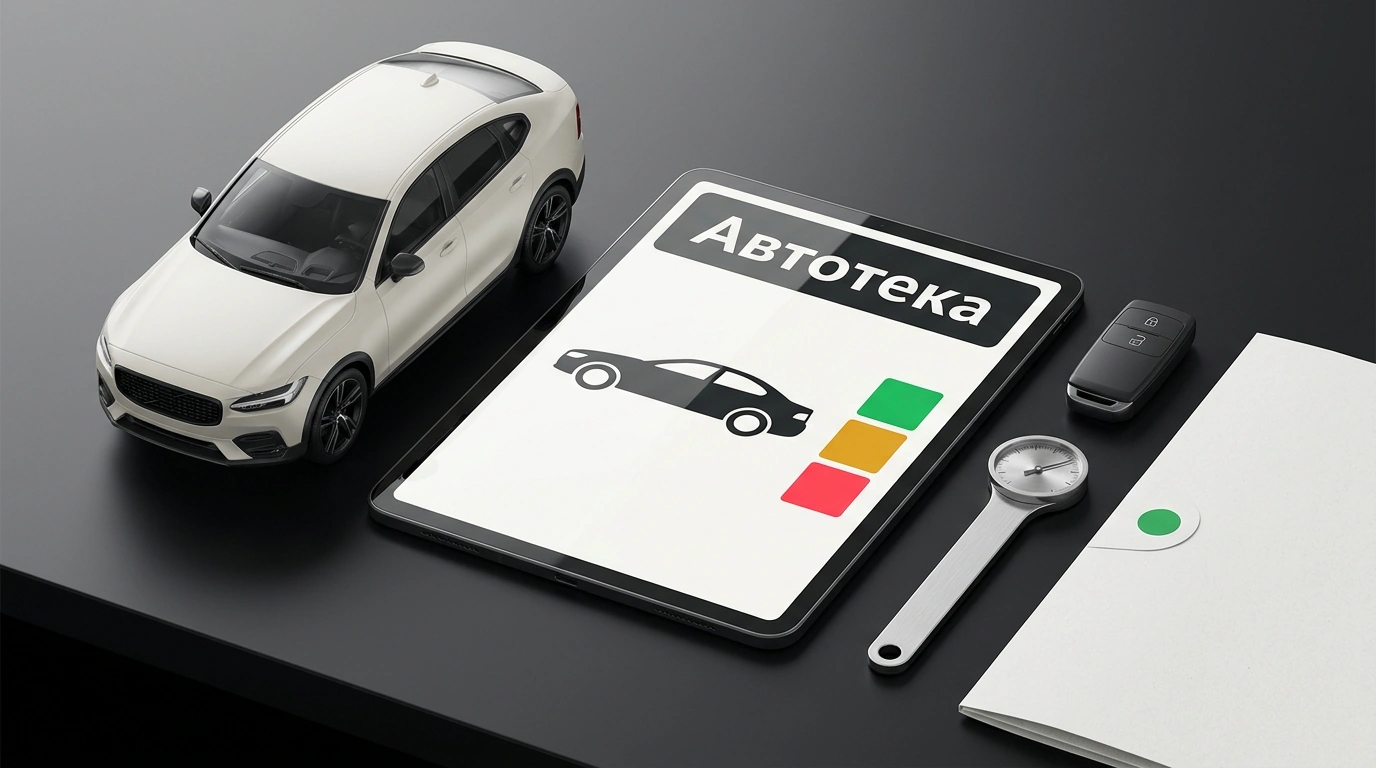
Over 10 years, Autoteka has connected more than 2,000 data sources and crossed 100 million reports, while Avito's dealer reviews and ratings platform turned 5. The biggest upgrade is an AI summary powered by Avito's own A-Vibe language model. Instead of digging through long tables, buyers see a crisp digest right at the top: mileage, previous owners, legal status, a damage map across 16 body panels, and a traffic-light risk indicator (green, yellow, or red). Rolled-back mileage or a repaired fender shows up in a minute, so hiding flaws until the buyer arrives makes no sense.
Autopilot for big lots and the recommendation feed for everyone
The second lever is how your listing reaches buyers. Inside Autohub, dealers with 50 or more cars in stock can turn on 'Promotion Autopilot'. Rather than spreading budget manually across ads—where money burns on stale cars—the AI tracks price, liquidity, demand, and rivals, shifting spend toward cars most likely to sell. That generates up to 68% more target contacts on the same budget.
Private sellers and small lots can't enable Autopilot (dealer terms are arranged through an Avito Auto manager). Everyone, however, shares the main traffic engine. According to Avito's Managing Director for AI Andrey Rybintsev, depending on the season, up to half of all deals pass through the personalized recommendation feed. The algorithm weighs dozens of signals to surface matching cars directly in the feed—the exact formula stays under wraps, but sloppy listings won't make the cut.
What to check in your listing for recommendations and online checks
- Enter the exact VIN and full trim details so the algorithm reads your listing and buyers can pull Autoteka right away.
- Benchmark your price against the market before publishing: an inflated price cuts both feed reach and buyer trust.
- Disclose body and mileage details honestly—the AI summary's traffic-light indicator will flag them before the first call anyway.
- Collect real customer reviews and keep your profile rating clean before the first chat message arrives.