Turning on promotion on Friday evening is a quick way to watch views climb while orders stay at zero. Paid visibility works right now. If you launch a boost at 7:00 PM, put your phone on silent, and only reply in chat the next morning, your money pays for someone else's order. Clients message two or three specialists at once and pick the one who replies within five minutes.
Paydays and Peak Hours: Money on a Card Doesn't Mean an Order Yet
It seems logical to push ads harder around salary and advance dates, from the 10th to the 15th and from the 25th to the 30th of the month. According to a survey by the Apelsin payment service, 85% of Russians buy goods on marketplaces on the very first day after getting paid (30% regularly, 55% occasionally). Services are different: people rarely book them on impulse like a pair of sneakers.
What Russians Spend Money on on Payday
First, people pay mandatory bills, buy groceries, and set aside part of their income. Without guilt, 41% are ready to spend 1,001 to 5,000 ₽ on themselves on payday, 27% stay under 1,000 ₽, 24% budget 5,001–10,000 ₽, and only 8% spend over 10,000 ₽.
That's why payday windows are best tested if your service fits the 'treat yourself' category. Make sure your listing states a clear price and scope of work right away. If a client can't tell whether the job will cost 3,000 ₽ or 15,000 ₽, they will close the listing.
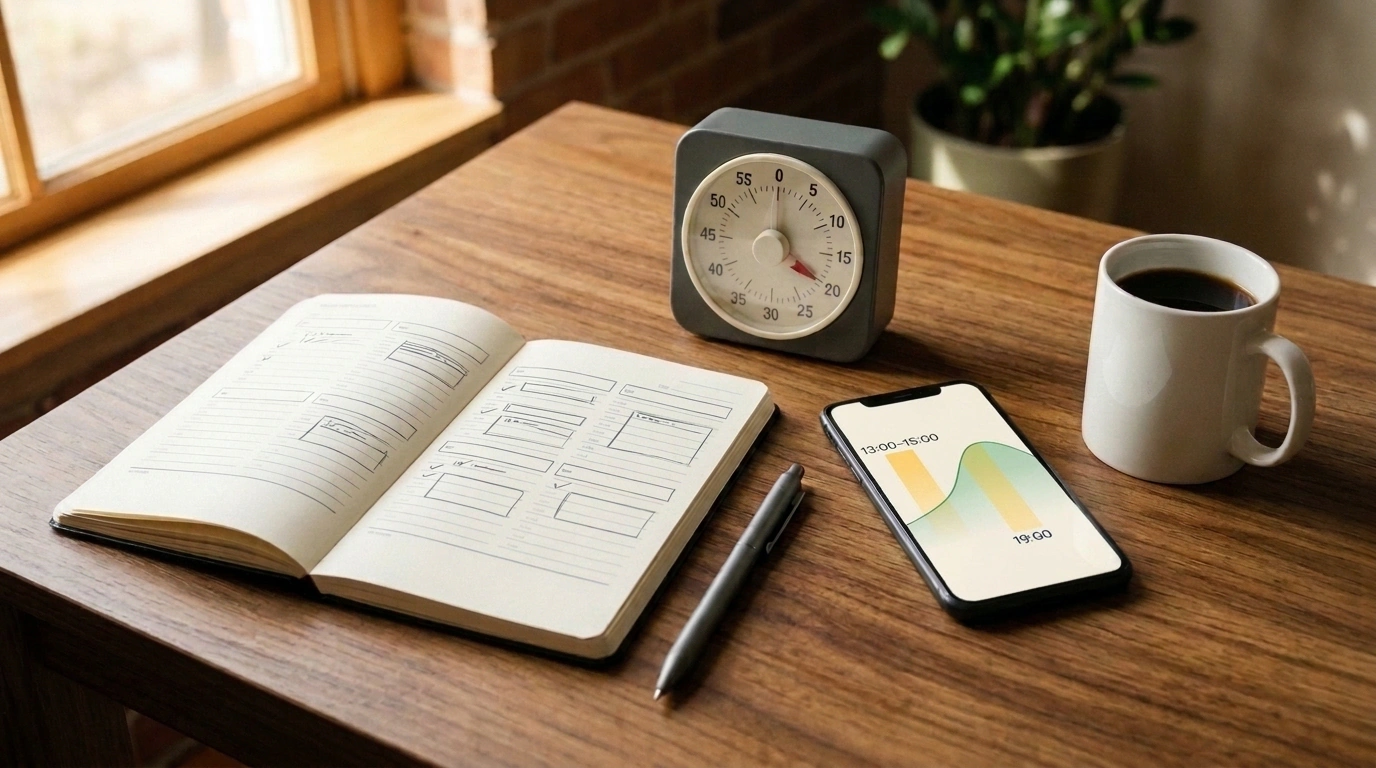
Within a normal day, there are two basic windows: lunch from 13:00 to 15:00 and evening after 19:00, when people have time to choose a specialist. Tie your launch to your own schedule. If you don't answer calls in the evening, test the lunch window instead. These hours are a starting hypothesis, while emergency plumbers or locksmiths follow their own demand patterns.
Schedules for Business and Private Clients, Boost Duration, and Pre-Season Launch
If an accountant or designer launches a short boost on Saturday morning, they are paying for empty clicks because business clients are off for the weekend. With private clients, it's the opposite: personal errands often wait until Saturday and Sunday.
| Segment or Format | When to Test Launch | Niche Examples |
|---|---|---|
| B2B (businesses) | Tuesday–Thursday, 10:00–17:00 | Accountants, marketers, designers |
| B2C (private clients) | Weekdays + Saturday and Sunday | Photographers, furniture assembly |
| Short boost (1–3 days) | Before a peak (for example, 17:00–18:00) | Capturing evening requests |
| Long run (7–30 days) | Start hour barely matters | Steady flow across the whole cycle |
On a short package, every hour counts, so start right before a wave of inquiries. A long campaign covers the entire weekly cycle on its own, though you should still check its end date against the demand calendar before paying.
In seasonal niches, boost your visibility 2–3 weeks before clients rush in. Air conditioning technicians start in spring before the heat hits, event hosts and decorators ramp up in autumn ahead of New Year's, accountants prepare before tax deadlines, and designers, photographers, and marketers launch ahead of major sales while businesses are still preparing ads.
How to Test Your Schedule and Avoid a 'Dirty Test'
General benchmarks give you a starting point, but your own stats tell the truth. Your Avito Pro dashboard shows when listings already get views and contacts, and the built-in Demand Analytics (available on the basic plan for services) tracks category trends and up to five search queries over the past 12 months.
Next, run a simple A/B test on time periods. Launch ads in two windows one after the other and calculate your cost per contact (CPL), meaning how many rubles of ad spend went into one call or chat. The main trap is a 'dirty test': if you set one budget on weekdays and then doubled your bid or added a discount on the weekend, comparing the numbers makes no sense.
Four Steps to Find Your Working Hours
- Check your listing stats to see which days and hours already bring more views and inquiries.
- Pick two periods to compare, such as weekdays vs. weekends or lunch vs. evening.
- Run promotion in both windows with the same budget, same duration, and no edits to the listing.
- Compare the number of leads and cost per contact, then use the winner as your baseline for future launches.