On November 10, Dodo Pizza added chocolate-covered raspberries to its menu. The next day, Irkutsk creator Kristina (bessa.lovaa) bought the new item alongside a familiar box of Frambini, tasted both on camera, and said honestly she preferred the pizza chain's version. It was a normal buyer review that naturally hit 2 million views on Reels.
Everything could have ended right there—people like different chocolates. Instead, Frambini's marketing director jumped into the comments, demanded she delete the video, cited advertising law, and threatened a fine up to 500,000 rubles. The creator had bought the berries with her own money and got a half-million-ruble threat in return. She immediately posted a follow-up with screenshots, and short-video algorithms did exactly what they were built to do.
How One Berry Review Exploded Into 6.9 Million Views
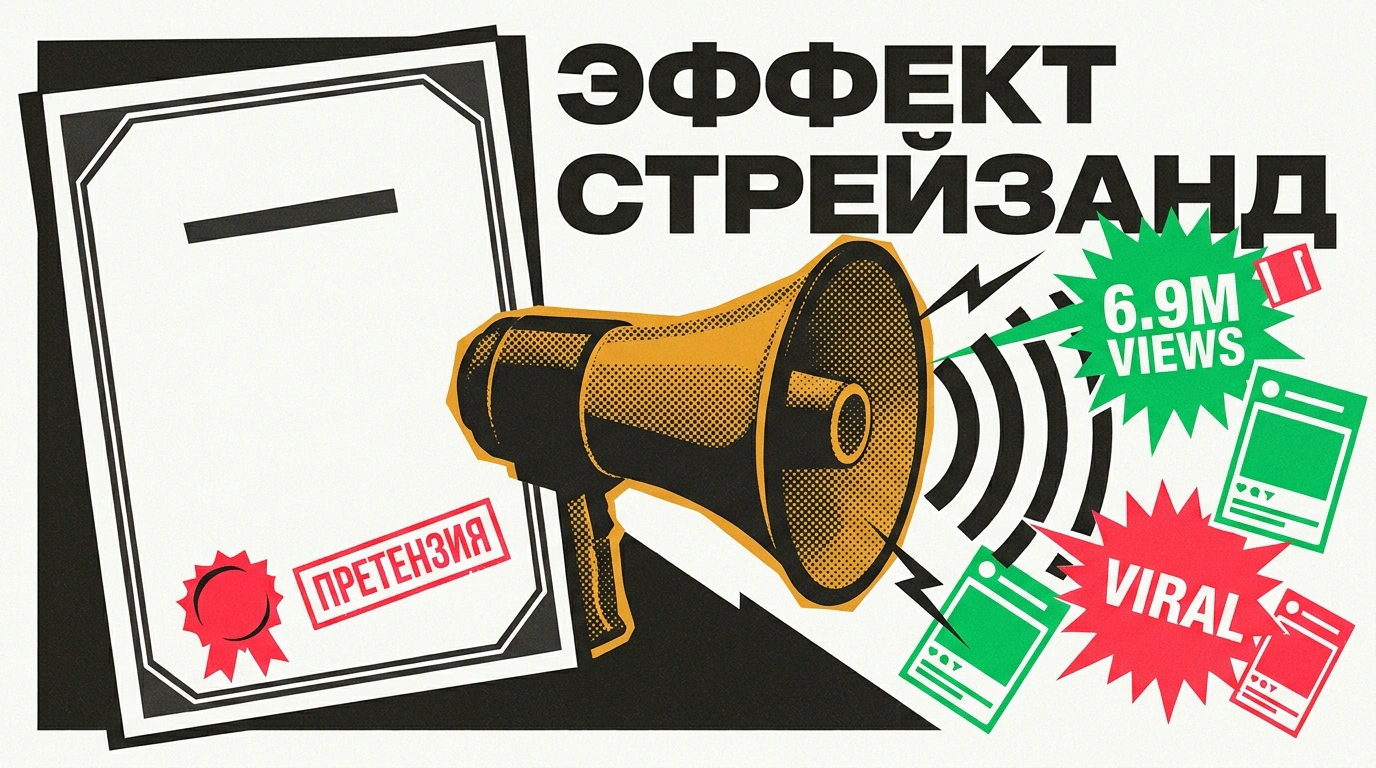
What followed was a textbook Streisand effect—when trying to hide or bully away an inconvenient post online backfires and amplifies it tenfold. Instead of one review viewers would scroll past and forget in two days, the brand triggered a nationwide scandal.
Sidorin Lab measured the fallout over eight days: 6.9 million views, nearly 457,000 reactions, and 4,837 posts/comments. Viewers instantly stopped talking about berry flavor and turned on the company itself, generating 652 meme posts and comments. Sentiment toward Frambini turned brutal: 2% positive versus 29% negative. When social feeds argue whether chocolate is too sweet, that's harmless noise. When people start judging how a brand treats customers, trust takes months to rebuild.
Chocolate-covered raspberries — the dessert category at the center of the Frambini and Dodo Pizza clash (Source: Wikimedia Commons, CC BY 2.0)
On November 13, Frambini had to put out the fire publicly. The company admitted its mistake, explaining it had misread an organic review as undisclosed paid ads and used the wrong tone. Both the brand and the executive apologized, offering Kristina a gift box. She accepted, closing the acute clash. Neither side shared ruble losses, yet the three-day reputation bill was steep—industry observers immediately compared it to the recent Gold Apple backlash.
The cruelest irony? Reach and engagement were off the charts—for everyone else. Dodo Pizza got mentioned in 1,495 posts about the drama, with 126 commenters explicitly saying they now wanted to visit and try the dessert. Bloomi, the manufacturer behind Dodo's berries, scored free attention too.
The Aluminum-Can Knight and Monster Energy: Why Big Budgets Don't Save You
It's easy to blame local inexperience or one person's temper. Surely global corporations with armies of PR pros and lawyers never make rookie blunders like that? They do—even louder.
That same November, a TikTok cosplayer went viral building full knight armor out of empty Monster Energy cans. In marketing, that's UGC (user-generated content)—reviews, skits, and fan art customers create for free out of genuine love for a product. The knight's videos hit hundreds of thousands of views. He asked for nothing, demanded zero cash, and ran free native ads to young viewers.
An obvious layup for any social team: DM him, ship merch, shoot a collab, and enjoy millions of organic views. Instead, Monster Energy's team filed brand-usage complaints. TikTok complied and took down several clips.
Monster Energy cans — the beverage whose aluminum cans a TikTok cosplayer used for armor before the brand clash (Source: Wikimedia Commons, CC BY-SA 4.0)
The script repeated almost word for word—globally. Upset, the knight told followers about the strikes. Red Bull sprinted in immediately, shipping cases of its energy drinks and giving him full blessing to use its branding. The hero reforged his armor and became the Red Bull Knight.
Monster Energy paid dearly. Videos mocking its reaction drew millions of views, sparking a trend where viewers filmed themselves grabbing Red Bull off shelves instead of Monster. One follow-up clip topped 700,000 views and 170,000 likes in under 24 hours. On short-video feeds, audiences always root for one real person against a giant waving rulebooks.
Three Pizzas vs. a Lawsuit—and the Math Nobody Showed
Place the blunders beside the rivals' moves, and the playbook is obvious. While Frambini threatened legal action, Dodo Pizza thanked Kristina for her honest review and sent three pizzas. Red Bull skipped multi-page contracts and shipped cases of drinks.
That's classic newsjacking—stepping cleanly into someone else's viral moment to win goodwill for pennies. Three pizzas and a few cases of soda cost far less than one micro-influencer campaign, yet bought millions of views and 'cool brand' status.
Frambini also missed a golden detail sitting right in front of them. The reviewer handed their sales team the two exact objections companies pay researchers to uncover: 'you're expensive' and 'the rival tastes better'. Better yet, Frambini had a rock-solid answer to price right on the box.
Chocolate Raspberry Price: Shelf Sticker vs. Per-100g Cost
On the shelf, shoppers see two boxes and instantly assume one costs over 3x more. Few pull out a calculator to check weight: Dodo's portion is 60 grams, while Frambini's is 130 grams. Normalize both to 100 grams, and a shocking 3x gap shrinks to a much more understandable 46%.
In sales, 'the rival is cheaper' doesn't mean the buyer is gone forever—it means they don't yet see what the extra money buys. Calmly explaining portion size, berry grade, chocolate quality, and freezing tech moves comments off lawsuits and onto product value.
Crisis Protocol: When to Speak Up vs. Call Legal
Good crisis PR starts long before the first angry comment. It's a written playbook stopping staff from hitting 'send' in anger and torching brand trust in five minutes.
When a buyer or fan sparks debate over your product, four calm moves beat deletion threats every time. First, show up without ego, thank them for an honest test, and share missing facts like portion weight or ingredients. Second, send the creator a tasting box of other SKUs with zero strings attached—even if they still prefer a rival, thousands see a confident brand that handles criticism.
Third, turn the clash into a blind taste test without packaging. If your product wins, you get bulletproof social proof; if the rival wins, R&D gets honest feedback on what to fix. Fourth, don't delete threads—mine comments as free market research. If dozens say the big box feels pricey, test a smaller 299-ruble grab-and-go pack.
Founders often laugh at big-brand PR fails in the news while their own reps send buyers straight to rivals in chats and Yandex Maps every day. You pay for ads, pay salaries, and one rude reply kills the deal. Run this quick policy check to see where your team stands.
Six Questions for Founders and Marketing Directors
- What do reps say when a buyer asks directly: 'Why are competitors cheaper?'
- How do support and SMM handle harsh reviews on social media and maps?
- Do you have a written crisis escalation rulebook instead of 'we'll wing it'?
- Can a single employee post under the brand's name without approval?
- Does your team know the real reasons buyers leave for rivals?
- When did you last open your CRM and read live chats between reps and buyers?
None of this means keeping lawyers out of marketing. Legal action makes sense against proven false competitor ads, outright defamation, or counterfeit goods using your logo. Even then, keep it private after calm legal review—never in public comments under a buyer's post or a guy in aluminum-can armor.