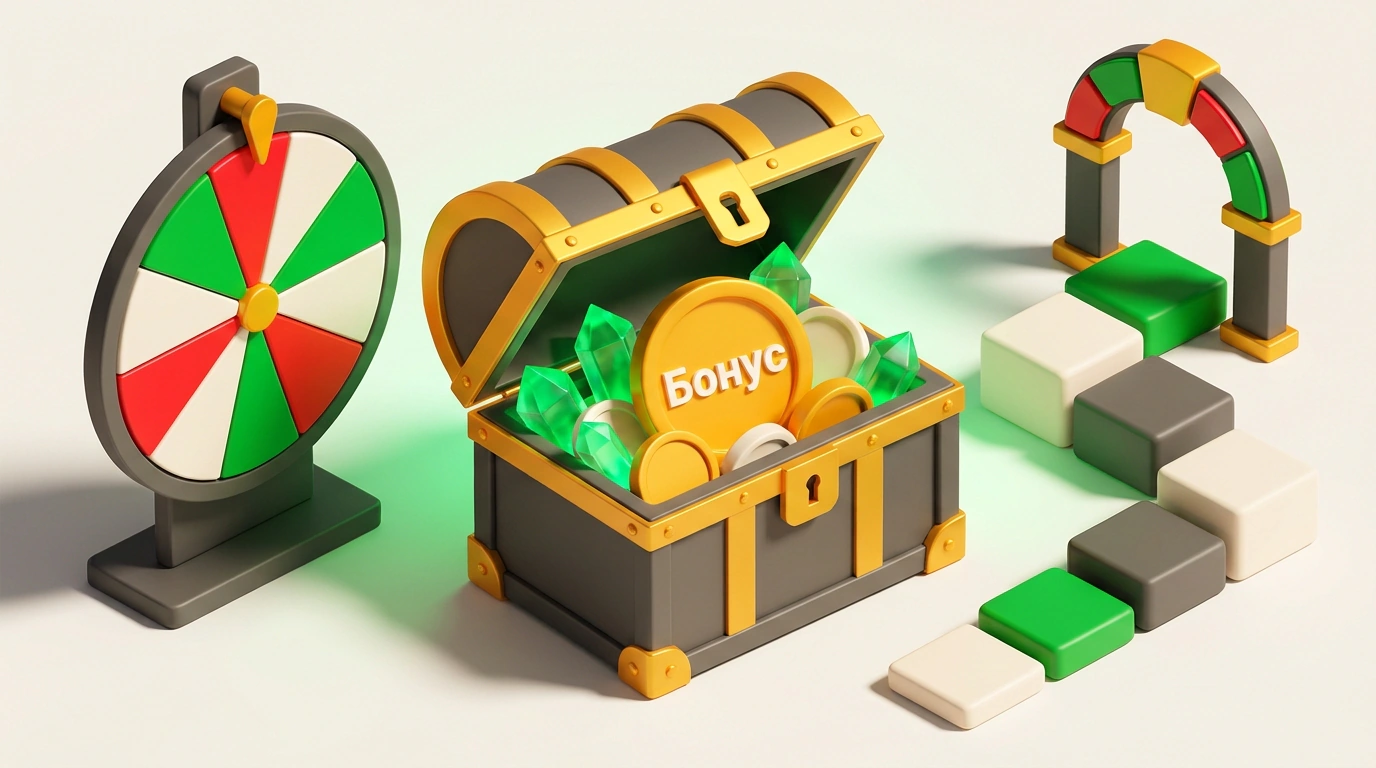
Send a push or banner pitching a new tariff, and users swipe it away in a second without reading the headline. Fighting for attention head-on costs more every year and hits banner blindness fast. For nearly two years, Rostelecom's Bonus loyalty program (points and rewards) has bypassed that wall with promo games—branded mini-games with built-in tasks. Built with developer Hezzl Games, four titles turned gameplay into app installs and service discovery.
Why a Promo Game Holds Attention Longer Than a Banner
Normal ads interrupt people, so they close them instantly. In a promo game, users open the screen voluntarily and spend from 10 minutes in new title Hezzl Merge up to nearly 19 minutes per session in the operator's first three games (Odyssey: Match-3, Battle of Heroes, and Hezzlmania).
Offer response changes too. Inside gameplay, a brand offer feels part of the loop, earning 2.9x higher click rates than banners or pushes. In month one, 1,941 players ran 28,498 sessions in Hezzl Merge—nearly 15 sessions each, or ~2.5 hours of voluntary brand time per user in a month.
Data from the first games as of October 2026 also breaks the "games are for teens" stereotype: across 608,652 unique players (384,278 in Odyssey: Match-3), two-thirds are adults aged 35–54—the exact high-spending core brands overpay to reach in direct ads.
How Rostelecom Embedded Services Into Core Gameplay
Title four uses the merge genre. In Hezzl Merge, players run a monster shop: tap a generator, merge matching items into higher-tier goods (two small clay pots make one large pot), fulfill orders for coins, and decorate their island. Hezzl Games notes merge titles deliver short frequent sessions, 55–64% four-week retention, and natural demand for energy, crystals, and boosts.
One clever UX detail: zero-friction entry. First-time website visitors can complete their first order without logging in; a "Sign In" button stays visible, and the full tutorial kicks in after login. Give users a taste of gameplay before asking for credentials—catching both existing subscribers and cold site traffic.
Commercial goals tie directly to resource scarcity. Run out of moves or energy, and earn refills via target actions: install My Rostelecom, register in the personal account and Bonus, redeem points across 50+ operator and partner rewards, or explore new services. Loyalty lead Diana Lurie's team finds this helps customers learn services faster and spend accumulated points.
Cross-promotion moves players for free: Odyssey: Match-3 includes a cross-quest ("Complete 5 orders in Hezzl Merge") awarding extra tries back in Odyssey, letting the existing base bootstrap the launch. Across early games, users claimed 875,599 promo codes and discounts, with every third service-task click going to security tools (antivirus, video surveillance, leak monitoring).
What Metrics Define Success and Where Payback Breaks
Judge promo games as a performance channel by retention, session frequency, and task completion:
Player Retention in Rostelecom Promo Games
In month one, Hezzl Merge nearly matched Rostelecom's established hits—while weak promo games typically crash toward 20% retention, and Rostelecom's early games hold 59% even at Day 30.
Hezzl Games founder Ramin Aliev sums up the hard boundary: "A promo game works only when people want to play it even without prizes." Boring core loops sink toward 20% retention regardless of rewards. Speed matters too: Hezzl Merge launched in two months on a ready platform without expensive from-scratch coding.
Gamification fits recurring-touch B2C businesses with mobile apps and cross-sell lines—telecoms, banks, retail, subscriptions. For one-off purchases with nowhere to guide players next, budgets burn. Rostelecom didn't disclose build cost, paid-upgrade conversion, or ruble ROI, so bake measurable funnel steps (installs, signups, reward activations) into your brief upfront.