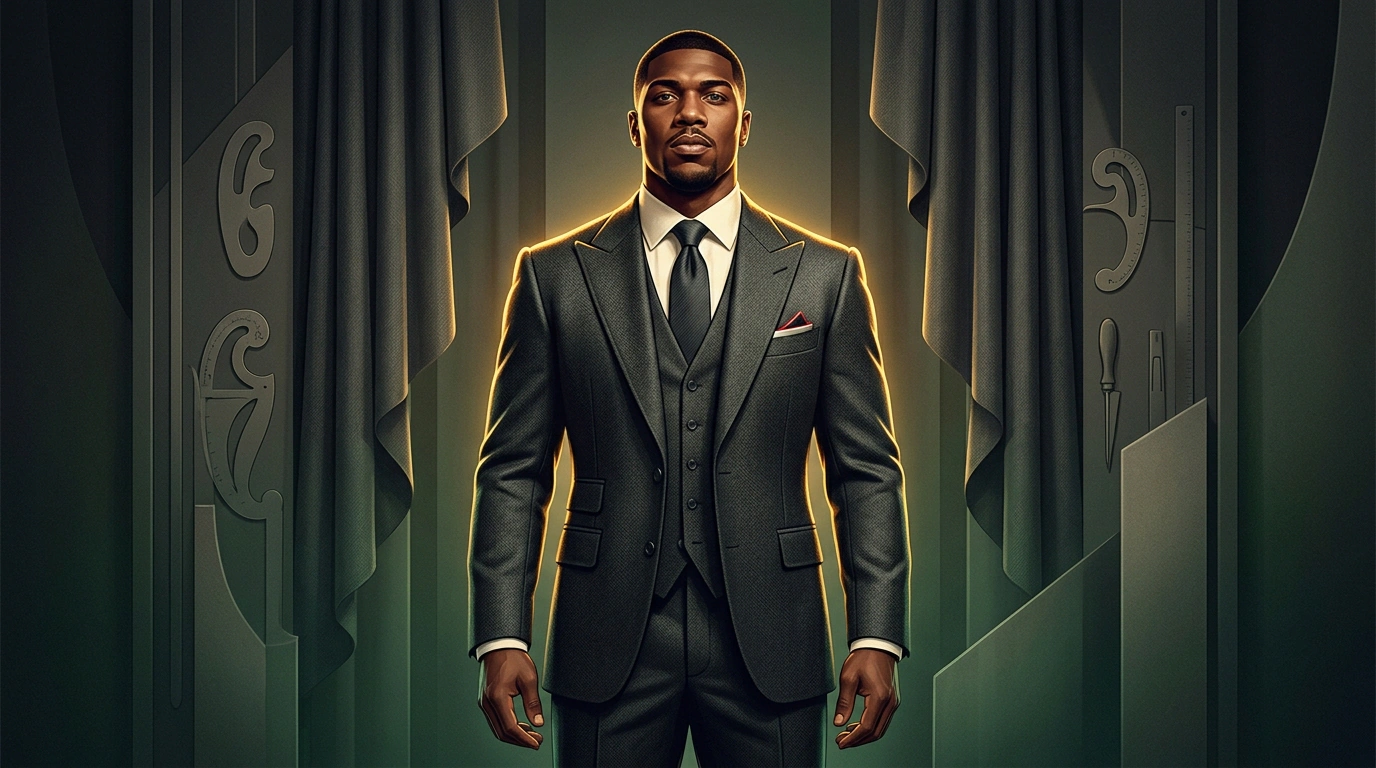
On the Hollywood Walk of Fame, thousands of brass stars sit right in the granite sidewalk. Tourists step on them, snap photos on the move, and spill their morning coffee. Only one star in the history of the Walk has never touched the dust under someone's shoes. In 2002, when the Hollywood Chamber of Commerce decided to honor Muhammad Ali, the legendary champion set one firm condition: his plaque could not lie on the pavement. Ali bore the name of the Prophet, and no one in the world was going to walk on it. So they mounted the star on the wall of the Dolby Theatre at eye level. Every passerby has to look up to see it.
That gesture captures the core of Ali's personality: total control over how the world perceives you. Most people remember him floating around the ring to the roar of the crowd and trading rhymes with his opponents. Yet outside the ropes, he fought another calculated battle for male dignity. At a time when Black athletes were often seen only as physical labor in tracksuits, Ali turned the classic British three-piece suit, sharp lapels, and proud posture into tools of psychological dominance.
A Manifesto Against the Tracksuit
To understand where this wardrobe discipline came from, we have to go back to Louisville in the 1950s. Young Cassius Clay grew up under strict racial segregation. In the upscale department stores on 4th Street, Black shoppers were banned from fitting rooms. You had to guess your size, buy trousers or a jacket blind, try them on at home, and keep them even if they did not fit. Going out in sloppy clothes immediately made a teenager an easy target for patronizing treatment.
Boxing entered twelve-year-old Cassius's life by accident. Someone stole his brand-new red bicycle, and the furious boy swore he would beat up the thief. A white police officer named Joe Martin cooled him down and took him to a boxing gym. By age eighteen, Clay had fought around a hundred amateur bouts and won gold at the 1960 Rome Olympics.
He came home a national hero with a gold medal around his neck, only to face a sobering reality. In his own hometown, cafes still refused to serve him and showed him the door. At that moment, the young boxer learned a lesson that shaped his image for decades: an Olympic warm-up jacket does not earn a man social respect if he accepts the role of 'the guy in sweats.' Wearing athletic gear outside the stadium reduced an athlete to a gladiator hired to entertain the crowd. Ali flatly refused to be reduced to a function. A suit became his armor and a public statement of equality.
Two Worlds: Satin in the Ring, Wool in Life
Ali built a visual contrast with no precedent in the heavyweight division. Walking out to fight, he put on a show: dazzling white satin trunks, snow-white hooded robes, and boxing shoes with tassels that drew every eye to his footwork. He borrowed that theatrical flair from the famous wrestler Gorgeous George, learning one key truth: a bold image sells tickets.
Yet the moment the fight ended, the ring satin gave way to a strict wardrobe. While rivals like the intimidating, quiet Sonny Liston showed up in sports jackets and heavy sweaters, Ali stepped in front of reporters in spotless navy three-piece suits, crisp white shirts with cufflinks, and silk ties.
When Ali launched into his poetic banter on camera, his clothes gave his words real weight. If a guy in a wrinkled hoodie had shouted taunts and bold round predictions, the public would have dismissed him as a street loudmouth. When a two-meter athlete dressed like a London banker delivered witty, rhythmic lines with cool certainty, the effect was crushing. He broke stereotypes and rattled opponents long before the opening bell.
Six Suits on Savile Row in a Single Visit
Ali cemented his commitment to classic tailoring during his trips to Britain in the mid-1960s ahead of his fight with Henry Cooper. In London, he met the legendary American Life magazine photographer Gordon Parks. Parks was known not just for his artistic eye, but also for his impeccable style. Noticing the clean drape of Parks's jacket, Ali immediately asked for his tailor's name.
Parks took the champion to Mayfair to see master tailor Harry Helman, who worked in the finest Savile Row tradition. Helman's workshop dressed the British elite, including Prince Philip and film star Terence Stamp. The young champion walked into the studio, looked over bolts of heavy English wool, and ordered six bespoke suits at once, ranging from charcoal gray to deep sapphire. As he placed the order, Ali said a line that summed up his mindset: 'I am a gentleman now, and I must look like one.'
British tailoring became the foundation of the champion's wardrobe. Even off duty, Ali kept the bar high. He paired wool blazers with cream fine-knit turtlenecks or knit polos, creating clean, masculine outfits that still look timeless today.
Anatomy of the V-Silhouette: Why Standard Patterns Fail
Muhammad Ali's build was a serious test for any tailor. At 191 cm tall and around 98 kg, the drop between his broad chest and narrow waist was an impressive 8 to 10 inches.
A tailoring diagram of an athletic V-silhouette jacket with high anatomical armholes and peak lapels on a mannequin in a studio.
An off-the-rack suit hangs like a sack on a frame like that. If you size the jacket for wide shoulders and a broad back, the fabric pools around the waist. If you size down for the waist, the jacket pulls across the shoulder blades and the lapels bow out on the chest.
Ali's fit relied on four tailoring rules:
- High anatomical armholes. Cheap jackets cut large, low armholes so the garment fits as many bodies as possible. As a result, every time you lift your arm, the whole jacket rides up and the collar gaps away from your neck. A bespoke high armhole sits close under the armpit. Your arm moves freely while the body of the jacket stays put.
- Peak lapels. On double-breasted jackets and three-piece suits, Ali almost always chose upward-pointing peak lapels. Their diagonal lines make the chest look broader and guide the eye up toward the face.
- Natural shoulder line. Despite the trend for thick foam shoulder pads, Ali's tailors built a structured yet natural shoulder with a thin layer of horsehair canvas. His powerful frame needed no fake bulk, just a clean architectural line.
- High-rise trousers with sharp creases. Ali's trousers sat right at his natural waist. The fronts of the buttoned jacket softly covered the waistband, creating one unbroken vertical line that lengthened his legs and gave him a commanding silhouette.
If you have an athletic torso with a noticeable drop from chest to waist, an off-the-rack jacket almost always needs tailoring. The golden rule is simple: buy for your shoulder width and chest volume, then have a tailor take in the waist and adjust the sleeve length.
The 'Exoskeleton' of Confidence: Body Kinetics and Space Control
Even the finest wool suit turns into a costume without the right posture. Ali's clothes worked because they matched the way he moved.
He never looked rushed or fidgety. Walking into a room packed with reporters, he did not scan faces for approval or nervously adjust his tie. His shoulders stayed down and back, his shoulder blades settled, and his chin stayed level with the floor. A well-canvassed jacket acted as an 'exoskeleton,' gently supporting his upper body and discouraging slouching. In physiology, this is known as somatic feedback: an upright, open stance lowers anxiety and steadies your mood.
In dating and everyday social life, this habit creates a calm masculine presence. Ali joked and listened closely to people, yet his center of gravity always stayed inside himself. A man who takes care of his appearance and posture never acts like he is begging for approval.
Adapting Ali's Principles to a Modern Wardrobe
Few men wear formal three-piece suits every day now. Still, Ali's lesson is not about formality. It is about respecting shape and proportion. A few simple choices will make any outfit look sharp:
- A soft-structured odd blazer. A navy or gray blazer in wool or heavy cotton instantly organizes your silhouette. You can wear it over a plain, high-quality T-shirt or fine knitwear.
- Flannel or wool trousers instead of stretched-out denim. Trousers with waist pleats and clean creases give you room to move while keeping a crisp vertical line.
- Shoes with clean geometry. Suede chukka boots or leather Chelsea boots hold the tone of an outfit much better than bulky sneakers.
- Mandatory tailoring. Mass-market clothes are cut for an average mannequin. Adjusting the sleeves so 1–1.5 cm of shirt cuff shows, and shaping the waist, turns an affordable piece into a personal garment.
Jacket Fitting Checklist
- The jacket collar hugs your neck smoothly with no gaps or folds
- The shoulder seam ends right where your shoulder meets your arm
- Your shirt cuff shows 1–1.5 cm past the jacket sleeve
- With the top button fastened, the back vent stays closed without pulling apart
Muhammad Ali proved that men's style is not about chasing trends. It is a way to signal your self-respect before you say a single word. A pulled-together look and a straight spine send a clear message of confidence in any setting, from a business meeting to a first date.