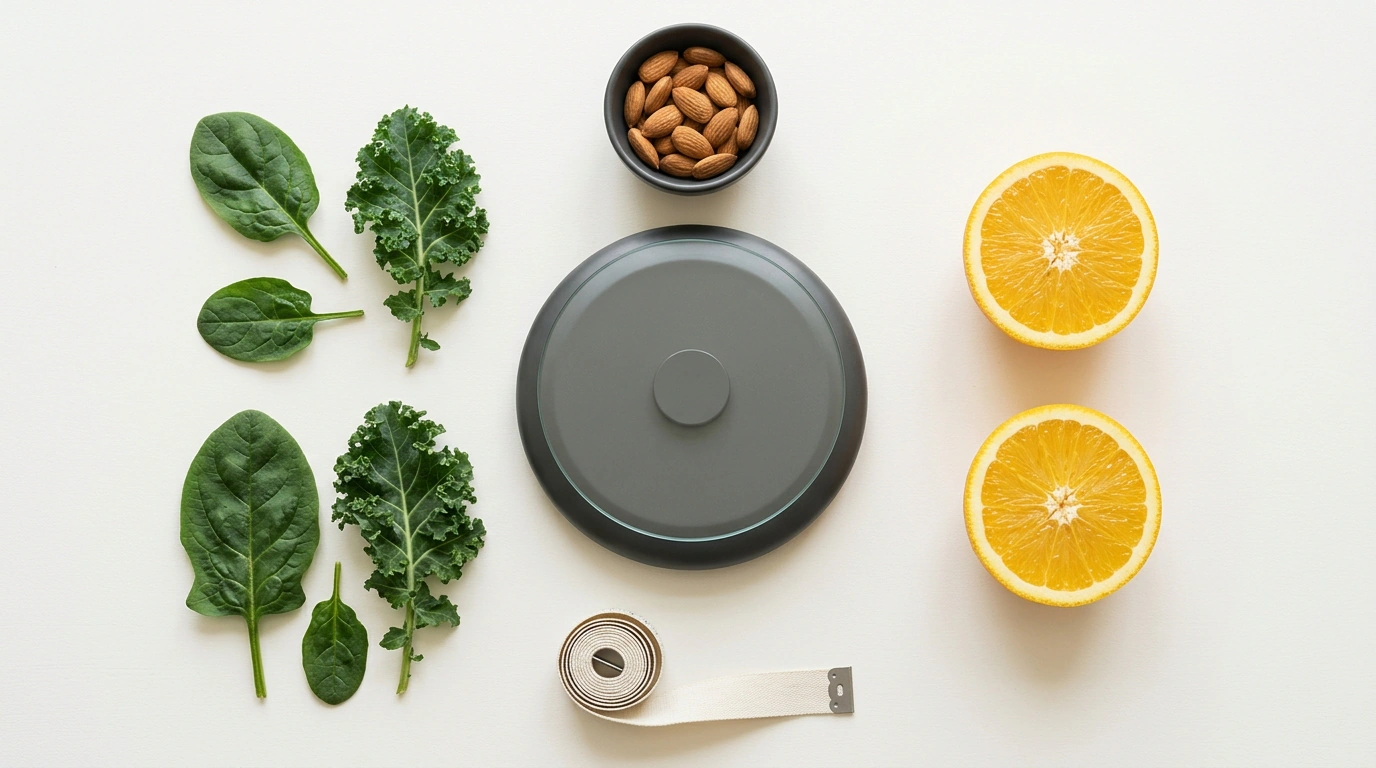
Why does the diet that lets you crush heavy lifts and late deadlines at 20 start hurting your sleep and energy at 30, and stop holding muscle past 40? Your body doesn't age overnight. Instead, it quietly shifts its demands every decade. If you adjust your plate on time, you can stay sharp and strong without swallowing a fistful of random pills.
Your 20s and 30s: Habits, Nerves, and Hormonal Foundation
In your twenties, your margin for error feels endless: grab fast food, sleep five hours, and still hit the gym. Your biggest asset in this decade is the eating habits you build for the road ahead. Set a solid base early, and your body handles the stress of the next ten years smoothly.
A common mistake among young guys cutting weight is declaring war on carbs. Whole grains (unrefined grains and breads that keep the bran) and legumes fuel workouts and keep your gut running well. Right beside them sit vitamin D for muscles and bones, plus omega-3s for your heart and blood vessels.
By your thirties, career, relationships, and daily chores quickly turn weeks into a blur of short sleep, stress, and rushed snacks. If you mask fatigue with coffee and frequent evening drinks, deep sleep and recovery break down first. Alcohol works best as a rare treat rather than a habit: the less often you drink, the clearer your head and body stay. In this decade, B vitamins (B6, B12, folate, and riboflavin) step up for energy metabolism, magnesium supports your nervous system, and zinc plus selenium back healthy testosterone levels and sperm production.
Your 40s and 50s+: Muscle, Bones, and the B12 Trap
After 40, your body starts losing muscle if you skip strength training. Anabolic resistance sets in: muscles respond less strongly to small servings of protein. While 15–20 g per meal worked at 20, that ration lets your physique fade past 40. According to the PROT-AGE consensus, older men need roughly 1.0–1.5 g of protein per kilogram of body weight daily—aiming for 30–40 g per meal paired with lifting (the exact target depends on weight, activity, and health).
Fiber comes second. The UK's NHS and SACN set a goal of 30 g a day for digestion, blood sugar, and cholesterol control, as well as lower risks of heart disease, type 2 diabetes, and bowel cancer (in practice, UK adults average only 18–20 g). Raise your intake gradually and drink 1.5–2 liters of water a day, or you'll get bloated. Bone density also drops after 40 (calling for calcium and vitamin D3), while potassium helps keep blood pressure in check.
Past 50, alongside protein, lifting, calcium, and omega-3s, vitamin B12 absorption often stumbles. Stomach lining thins with age (atrophic gastritis) and stomach acid drops. NIH data show atrophic gastritis affects 3–5% of people under 50 and climbs to 8–9% or more after 65. Without enough acid, it is hard to release B12 from food protein; heartburn drugs (proton pump inhibitors, H2 blockers) and metformin get in the way too. Deficiency brings fatigue, brain fog, and nerve issues. The daily requirement stays the same (2.4 mcg/day), yet after 50 the NIH advises checking B12 levels via blood tests and getting it from fortified foods or supplements, since crystalline B12 absorbs without stomach acid.
| Age | Priority Nutrients | What They Support | Food Sources |
|---|---|---|---|
| 20+ | Vitamin D, omega-3s, complex carbs | Muscles, bones, heart, gym fuel | Salmon, sardines, oats, brown rice, whole-grain bread, beans |
| 30+ | B vitamins, magnesium, zinc, selenium, omega-3s | Nerves, energy, testosterone, sperm health | Eggs, dairy, leafy greens, meat, fish, seafood, lentils, nuts |
| 40+ | Protein, fiber, calcium, D3, potassium | Muscle, bones, blood pressure, blood sugar, cholesterol | Meat, fish, skin-on potatoes, beans, vegetables, whole grains |
| 50+ | Protein, B12, calcium, D, omega-3s | Strength, mobility, nerves, bones | Lean protein, fatty fish, dairy, fortified foods |
Three Perennial Deficiencies and Where Supplements Stop
At any age, vitamin D, fiber, and omega-3s fall short most often. From October to early March sunlight is scarce, so the NHS advises considering a daily 10 mcg (400 IU) vitamin D supplement—and year-round if you have dark skin or rarely go outside (the US NIH benchmark for ages 19–70 is slightly higher at 15 mcg, or 600 IU).
If your plate regularly includes colorful vegetables, fruits, nuts, seeds, whole grains, and protein, popping multivitamins 'just in case' does little good: without a proven shortage, they won't add energy or results.
Supplements work for confirmed deficiencies, restrictive diets, or absorption issues (such as B12 past 50 or alongside certain medications). This guide is informational only: if you have chronic conditions or take regular medication, confirm doses of vitamin D, B12, and any other supplements with a doctor.