Over the past year, print sales of The Count of Monte Cristo more than doubled in the United States, according to tracking firm Circana BookScan. The spark came from TikTok, where a viral challenge dares readers to finish the 180-year-old classic in a single sitting.
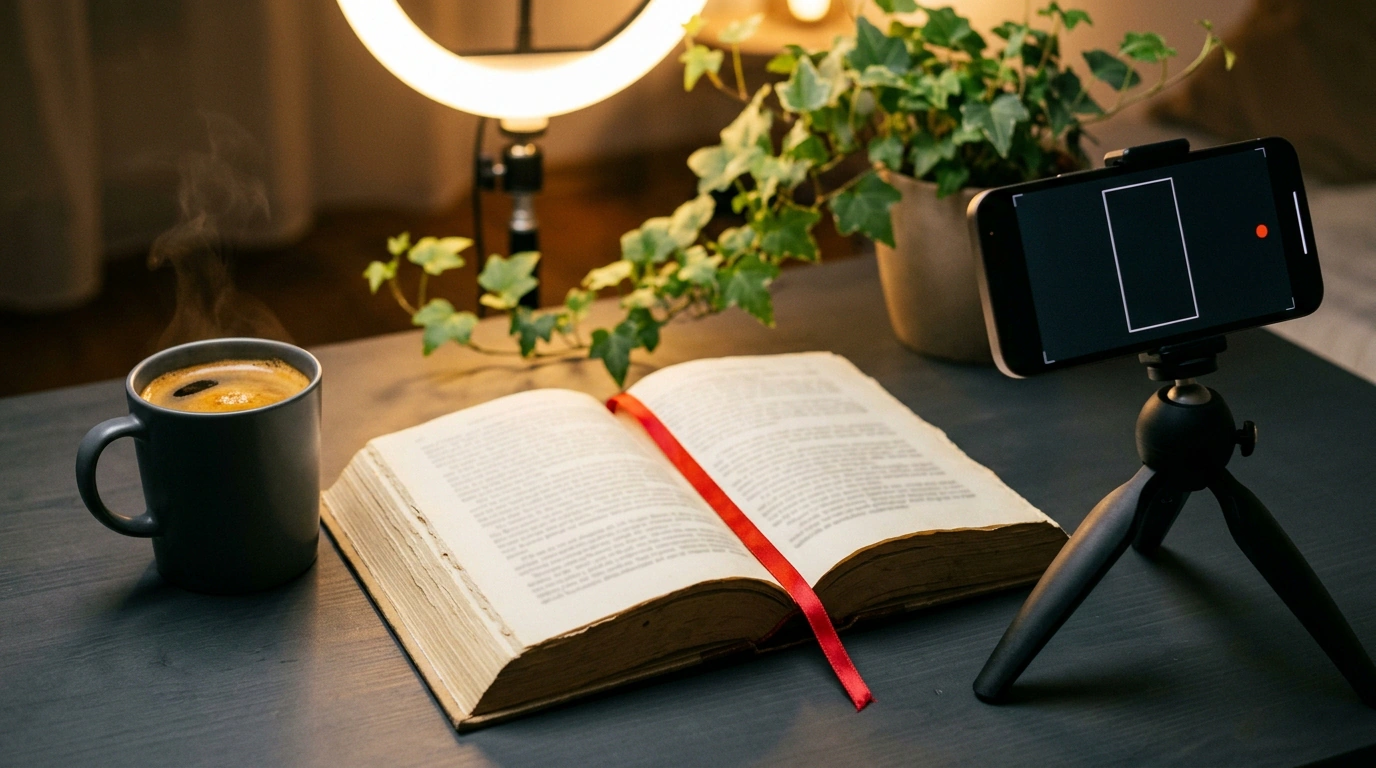
One of the early creators to ignite the wave was Autumn Reese. For two months, she quietly posted clips about book hauls and her cozy reading room—until 3:08 a.m. one morning, when she hit record with a plan to conquer all of Dumas in one day. All day long she uploaded hourly updates, clocking between 36 and 81 pages an hour. Dawn light outside shifted to dusk, her smoky eye makeup held firm, and at 9:46 p.m. Reese closed the final page. Total time: 18 hours and 38 minutes.
In the comments, some admitted they'd been stuck on chapter five for 14 years, others asked if she enjoyed suffering, and plenty pulled dusty copies back off their shelves.
How BookTok Worked Its Way Up to Brick-Sized Classics
The Count of Monte Cristo runs anywhere from 1,100 to 1,321 pages depending on the edition. Most people chip away at a tome like that for weeks, yet an unexpected warm-up helped.
Brianna Tran had wanted to read Dumas for ages, felt intimidated by the length, and warmed up first on Stephen King's 1,168-page It. Megan Tripp of Penguin Random House spots a broader pattern: romantasy—fantasy with a romance plot and chunky installments like Fourth Wing—acted as a gateway drug. Once you've eagerly devoured a brick like that, a 19th-century novel stops looking scary.
Still, few people survive a true single-sitting sprint. User @MossyMoongirl finished Dumas in 21 hours and cried from sleep deprivation at the end. Analyn Kodack tried reading it in one go with a friend, stretched it across two days with breaks for sleep, Starbucks, and a TJ Maxx run, and decided the book is better paced slowly. Brianna Tran also split it over two days after stopping at the 11-hour mark: 'Work ruins all my reading challenges.'
One day or two—publishers don't mind either way. Print copies of Dumas are flying off shelves.
The Strava Effect, Escaping Screens, and Distrust of AI
Reading for 18 hours straight for a video might look wild, yet the psychology behind the trend makes complete sense.
Circana's Kristen McLean compares these sprints to running ultramarathons. Runners post routes on Strava for community cheers; BookTok readers earn the same reward in likes and comments. Hourly pauses to log page counts act like mini milestones along the course, turning solitary reading into a shared event—much like the 8-hour reading parties University of Pennsylvania professor Justin McDaniel hosts at home.
A second driver is screen fatigue. Laura McGrath of Temple University sees students craving analog hobbies like paper books to win back attention from endless feeds. Even when we watch TV shows today, we half-watch while scrolling on our phones. Spending a full day inside a book and disappearing into another world has become a rare luxury.
The third factor is AI. As McGrath notes, algorithms are creeping deeper into text creation, leaving readers wondering if a real human wrote the latest bestseller. With classics, there's zero doubt: Alexandre Dumas wrote The Count of Monte Cristo 100% himself back in 1844.
The trend also punches a hole in the stereotype of a 'non-reading generation.' Research by Kathi Inman Berens and Rachel Noorda found that in 2025, 67% of Gen Z identified as readers. They often discover books on TikTok, yet still prefer buying them in print.
An ADHD Superpower and the Cost of Content
The extreme format even turned up an unexpected upside for ADHD—purely as personal experience, not medical advice. Autumn Reese has been diagnosed with attention-deficit/hyperactivity disorder: growing up, she started ten books at once and finished none. The one-sitting challenge let her channel hyperfocus—deep, absorbing lock-in on a single task—to her advantage and finally reach the last page.
Public marathons have a downside, though. Reese herself admits that setting up a phone, filming hourly check-ins, and editing clips interrupts reading and drains energy. Pushing 18–21 hours without sleep also hammers your eyes and head, making a two-day pace with sleep breaks far healthier.
Skeptics in the comments debate whether anyone can truly absorb 1,200 pages in a day. Book choice decides that. Both challenge readers and Kristen McLean agree: The Count of Monte Cristo was originally written as a fast-moving adventure about a wronged sailor's revenge. It carries its own momentum, unlike dense Dostoevsky philosophy. Even so, readers' appetites grow fast—just days after finishing Dumas, Autumn Reese posted a new video reading War and Peace in a single sitting.