'We are not happy with their financial discipline,' Finn Flare CEO Ksenia Ryasova said, summing up a sharp clash with Wildberries. You might think a major national apparel brand with hundreds of millions in revenue could fix a billing glitch with one call to an account manager. In reality, even a company of that size hit a wall in support and went two months without payouts.
A 200M RUB Fire, a 2024 Bill, and a 'Black Box'
The trouble started after the July 2026 fires at Wildberries warehouses, including the major Elektrostal hub hit following a drone attack. Finn Flare initially estimated losses at around 100M RUB, and the figure later topped 200M RUB.
After a blow like that, you would expect at least a clear conversation—especially since, according to Ryasova, the platform helped some other suppliers by zeroing out Wildberries Bank loan interest or cutting fees. Finn Flare received neither compensation nor relief.
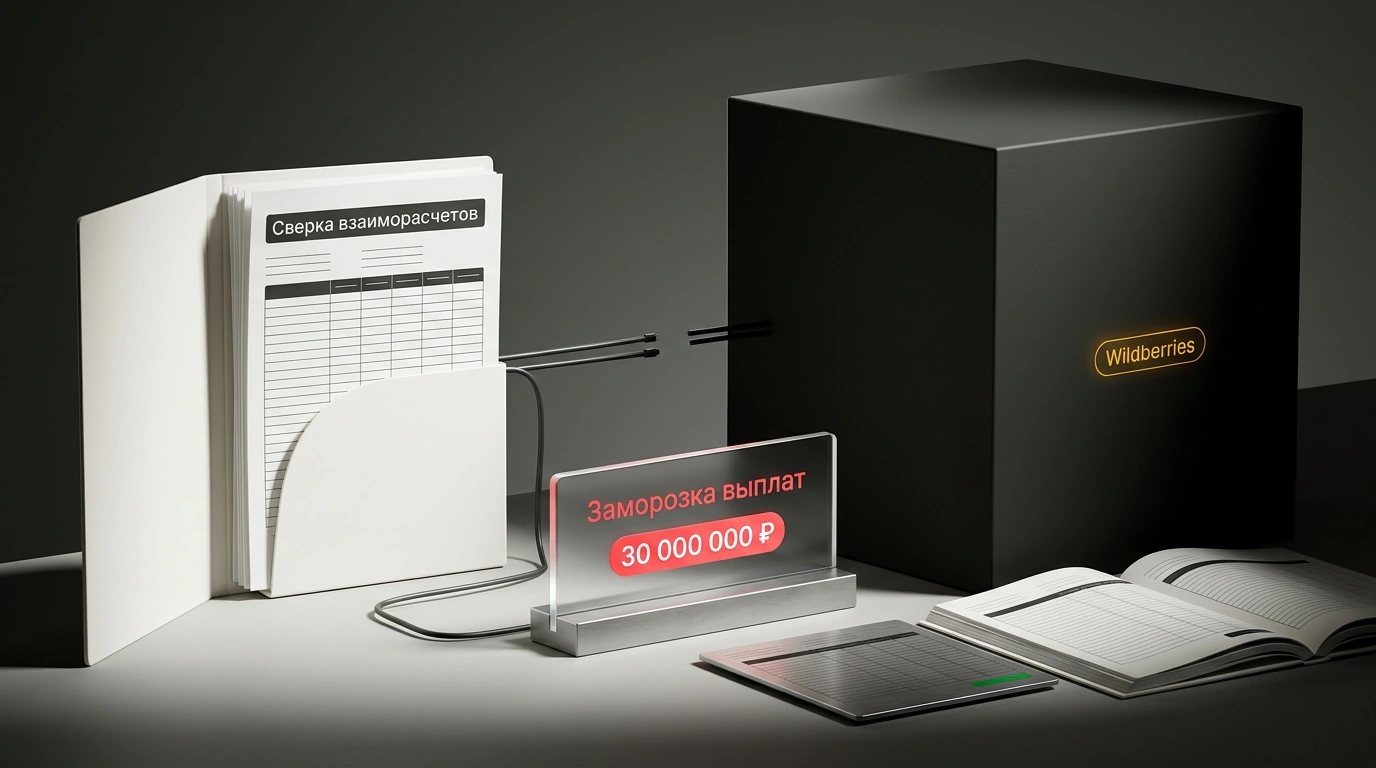
Two months after the fire, a notice arrived from the marketplace claiming an overpayment of more than 30M RUB dating back to 2024. Wildberries immediately froze ongoing payouts for two months pending review. For six weeks, Finn Flare's accounting team reconciled records line by line, matching weekly sales reports, deductions, logistics, and payouts against its own books. The team spotted errors on the marketplace's side and sent corrections back, but got no meaningful reply.
That exposed the core pain point. Years ago, disputed issues went to named managers and live contacts; now the platform feels like a 'black box' with no direct phone numbers and no real feedback. While reconciliation drags on, a business faces a cash crunch: revenue exists on paper, while rent, payroll, and utility bills are due right now. At one point, Finn Flare even faced the risk of having office electricity cut off for non-payment.
Why the Brand Stayed After the Dispute
Wildberries' press office didn't release a public breakdown of the disputed 30M RUB. Still, the public noise worked: the platform's commercial department contacted Finn Flare's leadership, logged the complaints over financial discipline, and took the issues for review. Ryasova also noted she holds no personal grudge against Wildberries founder Tatyana Kim and that the two sides will continue working together.
An obvious question follows: if your stock burns for 200M RUB and your payouts get frozen, why stay? The answer comes down to channel dependence. Wildberries operates the densest network of warehouses and pickup points in Russia, and without that logistics backbone, the brand's clothes simply wouldn't reach many regions. Walking out in anger would mean cutting off a massive chunk of sales.
How Offer Deductions Work and How Sellers Can Protect Cash Flow
This is where a national chain and a small seller part ways. A major brand has media weight: a loud public statement reaches commercial executives fast. A seller doing a couple million rubles a month has no such leverage—executives won't rush in over a social-media post.
Yet the legal rules apply equally to everyone. Wildberries' public offer grants the platform the right to withhold payouts unilaterally. Commercial courts typically treat this as offsetting mutual claims (netting): the marketplace deducts an alleged overpayment, fine, or recalculation straight from your current revenue without a court order. In weekly reports, those sums land under 'Other deductions / payouts' and shrink your available balance immediately.
The toughest part is how far back audits can reach. Under Article 196 of the Russian Civil Code, the general statute of limitations is three years, making a 2024 recalculation in 2026 legally possible. Challenging it without your own archive is nearly impossible: access to older detailed reports in the seller portal narrows over time, while offer terms and tariffs change constantly.
To keep a billing dispute from sinking your business in two weeks, build your safety net ahead of time:
Seller Cash-Flow Safety Net Against Payout Freezes
- Export and store weekly detailed sales reports, receiving acts, and current offer versions locally—disputes are settled strictly under the rules of the period in question.
- Check the 'Other deductions / payouts' line every week instead of once a quarter; fresh discrepancies are far easier to prove.
- Keep a cash reserve covering 1–2 months of fixed costs (rent, payroll, taxes, and core restocks).
- Split sales across at least two marketplaces or your own channel so one partner never controls 100% of your cash flow.
If a disputed deduction already hit your balance and support sends canned replies, don't wait two months in silence. Build a discrepancy table from your saved reports and send a formal pre-trial claim citing the exact offer version from that period—commercial courts decide on numbers and primary records, not chat tickets.