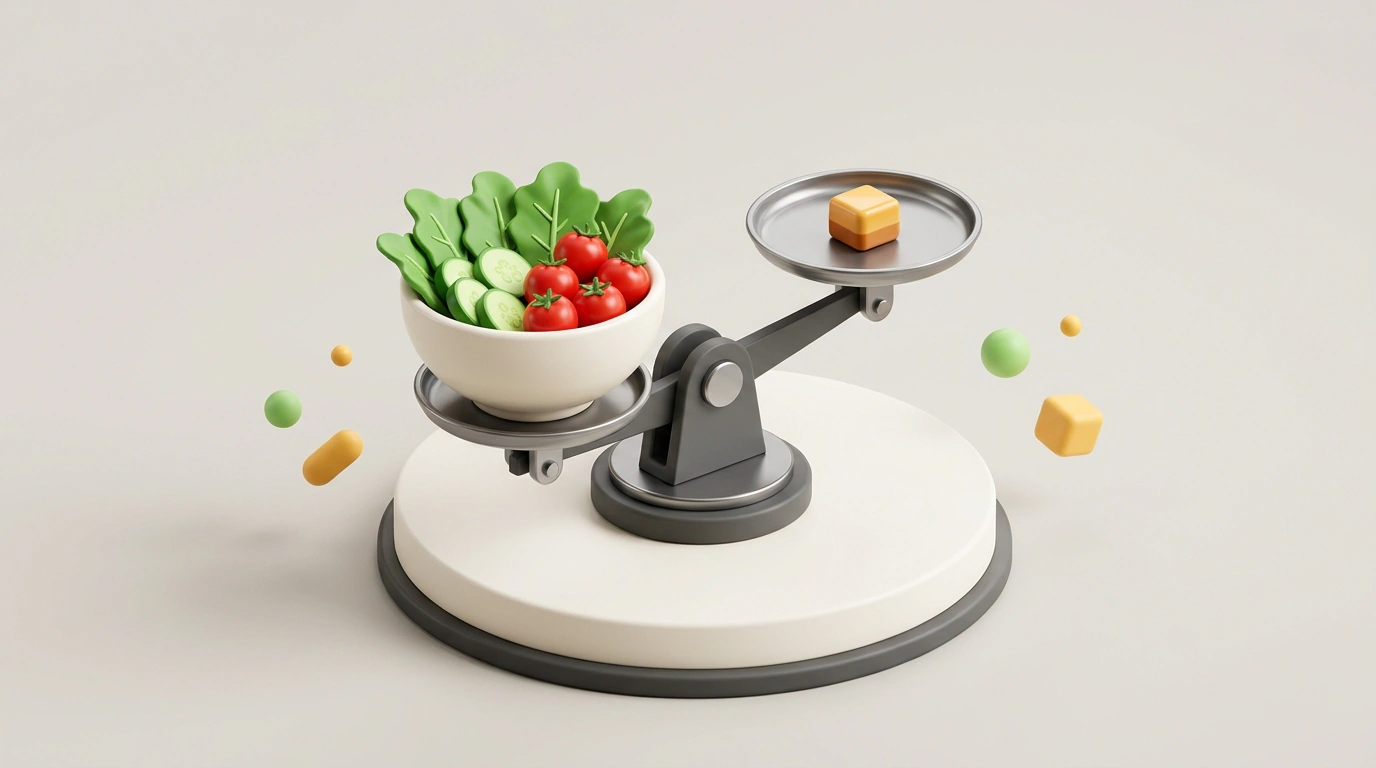
For three weeks straight you've hit the gym, logged 8,000 steps a day, eaten salads for lunch, and gone to bed hungry. You step on the scale in the morning, and the needle hasn't moved an inch. It's tempting to blame a "broken metabolism" or hunt for a magic pill. In reality, weight loss usually stalls over four down-to-earth mistakes: pinning hopes on a diabetes drug, misreading hunger, hidden calories, and rigid food bans.
Metformin and weight loss: why a diabetes drug won't replace a calorie deficit
Confusion around metformin has floated around for years: one person gets it prescribed for blood sugar, while another recommends the same pills for getting lean. The drug has one primary job—lowering blood glucose in type 2 diabetes. American Diabetes Association (ADA) standards also consider it for diabetes prevention in select high-risk groups.
Neither its label nor clinical guidelines list metformin as a weight-loss medication. It is explicitly classified as weight-neutral: it doesn't burn fat or replace a calorie deficit. Prescribing it for "high insulin" or simple weight loss without diabetes is an outdated misconception.
A diabetes drug solves a diabetes problem, and its job ends there.
Only a doctor should prescribe, adjust, or stop metformin after an in-person exam. Taking it on your own to lose weight won't work, and stopping a prescribed diabetes regimen without medical guidance is dangerous.
Constant hunger on 'clean eating': too steep a deficit or emotions
Your plate looks tidy and free of fast food, yet thoughts about eating won't leave you alone for an hour. Almost every time, one of two culprits is behind it.
First is cutting calories too aggressively. Hunger is simply your body's signal that energy is running low. When losing weight, mild hunger or a light rumble before lunch is normal. When hunger feels constant, fierce, and makes it hard to focus at work, your daily calories are cut too deep. Willpower alone won't carry you through that for long.
Second is emotional hunger. You reach for the fridge after a tense conversation, work conflict, or wave of anxiety, even though your stomach is physically full. Food quickly dulls tension, and your brain remembers that shortcut.
To tell real energy shortage apart from stress eating, keep a quick note next to each craving in a food log. Just jot down two lines: what happened right before, and what emotion you felt. Within a week the pattern jumps out—either you need to bump calories up slightly, or find another way to blow off steam.
A salad higher in calories than pizza—and scale plateaus: where extra calories hide
It's a classic scene: a desk job, three weeks of gym sessions, 7,000–9,000 daily steps, and what feels like a 300–500 kcal deficit—yet your weight sits frozen. If three weeks pass with zero downward trend, you simply aren't in an overall weekly calorie deficit.
Most often, the "five-on, two-off" pattern breaks the math. Monday through Friday stays tight, then tracking shuts off on the weekend. Two relaxed days easily wipe out a modest weekday deficit. Post-workout "rewards" and hidden calories on the plate pile on too.
The word "salad" is especially misleading. Salad is just a way of chopping and tossing ingredients. Pour oil generously over greens, crumble cheese, and toss in nuts, and an innocent-looking bowl easily beats pasta or a slice of pizza in calories.
Tiny portions hide a similar trap. Food volume and calorie count barely track together: a small muffin packs 600 kcal and leaves you hungry an hour later, while a huge bowl of vegetables delivers about 30 kcal and fills your stomach for hours. Barbara Rolls at Penn State showed in her Volumetrics research that people eat roughly the same physical volume of food each day. That's why low energy density foods (fewer calories per gram) win during fat loss: vegetables, berries, and broth-based soups are packed with water and fiber, filling your stomach without blowing your calorie budget.
If the scale stalls, log or photograph every single bite for a full week, weekends and snacks included. The leak almost always shows up there. Just don't chase perfection: eating "good enough" every single day beats eating "perfectly" once in a while. A salad with a spoonful of mayo beats zero vegetables. Pan-fried white fish beats skipping fish altogether. Sweetened cottage cheese beats chronically missing your protein goal.
Ban lists vs. flexible habits: why suffering for results backfires
For years someone eats normal meals, bread, pastries, and sweets—then on Monday decides to switch overnight to "100% clean food with zero sugar, fat, or additives." A ban list goes up on the fridge: no bread, milk, juice, or desserts, every meal locked in plastic containers.
Cutting out every familiar pleasure turns eating into chronic stress and misery for a number on the scale. The stricter a diet gets, the faster it snaps, especially as we get older. Eating-behavior studies show that rigid "all-or-nothing" control triggers rebound binges: break one rule, and a voice says "the day is ruined," sending the whole week off the rails.
Flexible restraint lasts much longer: instead of bans, you swap one tasty food for another tasty food. Healthy meals don't have to taste bland—spices, smart sauces, and decent cooking make them genuinely appealing. No single food is strictly off-limits for weight loss: if a favorite treat fits your daily calories, eat it and enjoy it.
Here is the funny paradox: once a food is no longer forbidden, it stops feeling like your last meal before a famine, and the urge to overeat it fades. Simple habits settle in quietly, and each next step feels easier than the last.