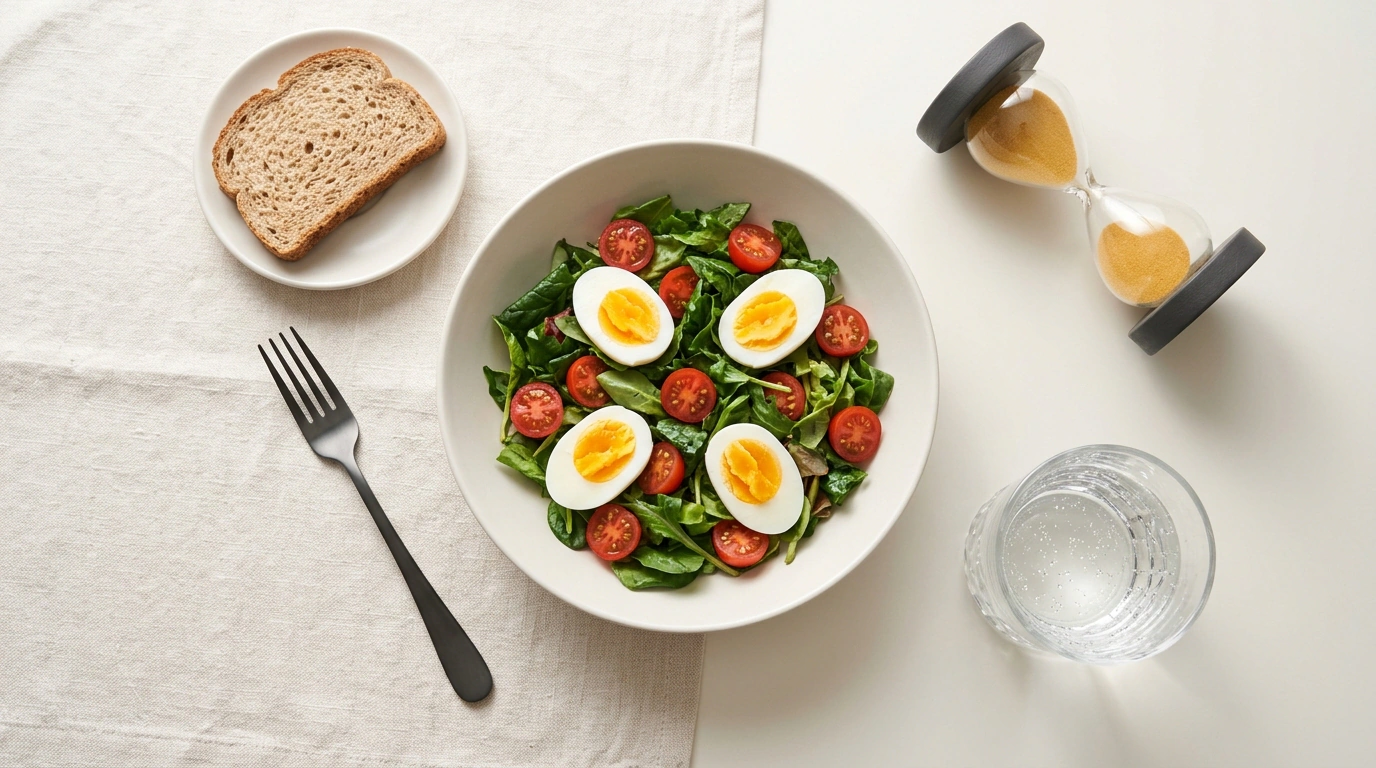
You can keep your weight steady and make it from breakfast to lunch without raiding the office cookie jar—no strict diets, food bans, or endless meal-prep containers required. Things click when you stop fighting hunger with willpower and adjust plate volume, cafeteria choices, and a few daily habits instead. Let's start with the most stubborn myth at the lunch table.
Soup doesn't prevent gastritis—when it helps weight loss and when it backfires
Wait—what about that childhood rule that skipping hot liquid soup gives you gastritis? In reality, soup is just regular ingredients boiled in water. Eat the same vegetables and meat with a glass of water on the side, and your stomach gets the exact same thing. Rich meat broth is basically water with dissolved fat, not unlike dropping a pat of butter into a mug of tea.
Gastritis has real causes. Most often, Helicobacter pylori bacteria damage the stomach lining, which doctors treat with specific antibiotic regimens. Other culprits include autoimmune processes and regular use of NSAID painkillers like ibuprofen or aspirin. A bowl of chicken soup doesn't touch those mechanisms. If you have stomach pain, gastritis, or ulcers, let a gastroenterologist guide your treatment and diet.
Where light soup actually shines is low energy density—meaning fewer calories per 100 grams. Water and vegetables fill your stomach so your brain gets the fullness signal sooner. In a study by Julie Flood and Barbara Rolls, eating a low-calorie soup before a main course noticeably cut total meal calories.
Still, the word 'soup' on a menu guarantees nothing. Vegetable soup or light fish broth fills you up without overdoing calories, whereas creamy ramen loaded with noodles and fatty broth can easily pack 1,000 kcal into one bowl. If you enjoy light soups, have them. If you don't, skip them—your stomach will be fine.
Breakfast salad: how to build a big, filling morning plate
'Salad at eight in the morning—seriously?' If you grew up eating porridge or toast, it sounds odd, yet vegetables at breakfast are standard across Mediterranean and Asian cuisines.
The same volume principle applies here. A pastry and coffee go down fast, leaving you hungry again by eleven. A big bowl of salad works differently: fiber and water fill your stomach, protein keeps you full for hours, and total calories stay modest.
You don't need pricey shrimp or scallops. A quick five-minute formula does the trick:
- a large bowl of fresh vegetables and leafy greens;
- affordable protein such as chicken, any fish, eggs, or a can of tuna;
- whole carbs like a slice of bread or a couple of spoonfuls of grains;
- a drizzle of vegetable oil for dressing.
This plate keeps you satisfied and naturally lowers daily calorie intake without leaving you starving before lunch.
How to lose weight when eating at cafes and cafeterias
You can still manage your weight without a home stove or meal-prep boxes. You don't need to overhaul your whole routine—just shift total energy intake with smart swaps right at the serving line or cafe menu.
| Usual choice | Simple swap | What changes |
|---|---|---|
| Heavy battered or cream-sauce entree | Roasted meat, poultry, or grilled fish | Less hidden fat with the same protein |
| Full 'usual' lunch | Slightly smaller portion or one lighter meal | Shifts energy balance without hunger |
| Dessert or pastry with tea | Side vegetable salad with your main dish | More volume and fiber instead of sugar |
| Soda, sweet berry drink, or juice | Water, unsweetened tea, or zero-sugar drink | Cuts extra liquid calories |
Drinks with sweeteners are safe within daily limits and help when you crave something sweet. Often, just two or three swaps like these per day are enough to get started.
Sometimes the opposite happens: you feel sure you're eating too much, yet the scale won't move. Our eyes easily misjudge portions both ways, so if your scale doesn't match expectations, measuring actual portions for a couple of days can help.
No 'bad' foods: energy balance and hundreds of ordinary days over one perfect week
Body weight comes down to overall energy balance. In a mild deficit, your body taps into fat stores, while protein, fats, and carbs keep you full and functioning. Sugar, fat, and protein aren't enemies on their own.
You can see the clear difference between strict bans and flexible control. Label a muffin or pizza slice forbidden fruit, and cravings spike immediately. In research by Kristin Smith and colleagues, rigid 'all-or-nothing' dieting was linked to binges and overeating, while a flexible approach helped people maintain weight. Using a calorie tracker for a couple of weeks trains your eye: you learn real portion weights and calorie counts, and you can fit that muffin into your day guilt-free.
Over the long haul, simple daily actions hold results in place:
Seven habits for every day
- Add vegetables to every main meal.
- Include protein at breakfast, lunch, and dinner.
- Stop finishing food just because you hate throwing it away.
- Choose water and zero-calorie drinks over sugary ones.
- Put snacks on a plate instead of eating from the bag, and stop when comfortably full.
- Walk more often.
- Don't treat the weekend as a free-for-all to make up for the workweek.
Sleep is another key pillar. In a 2010 clinical trial, people on the exact same calorie deficit lost noticeably less fat and more lean mass when sleep-deprived. When you're well rested, it's easier to stick to your routine and avoid late-night snacking. Lasting results come from a hundred ordinary, 'average' days where you make slightly better choices than before—not from one flawless week.