Picture this: you find an ideal creator with an active following and strong engagement. Then you scroll back a month in their feed and spot a sponsored post for your direct competitor. Your first instinct is to cancel the deal and write off the creator as "insincere."
It's one of the most common fears in influencer marketing. Analytics platform Modash found that 28 out of 29 marketers actively check a creator's past competitor deals before signing. For more on what else to inspect, see our guide on how to evaluate influencer profiles.
Yet top brands prove that a past rival ad isn't a dealbreaker. Half the time, partnering anyway is both safe and profitable—if you know where the boundaries lie.
When a Competitor Ad Is a Hard Stop
- High-ticket, single-ownership products. Mattresses, espresso machines, TVs, or fish finders (as in the Deeper Sonars case). Nobody keeps three mattresses in one bedroom. If a creator swore loyalty to one brand two weeks ago and praises another today, audience trust evaporates. The only exception is an honest "switching story," like Perfora toothbrushes, where creators explained switching for specific new features.
- Active ambassadorships or brand-new posts. If a creator has an active non-compete clause or posted a rival's ad 3 to 5 days ago, your sponsorship will look like a clumsy copycat.
- Negative audience backlash. If the rival's ad drew criticism and hate in the comments, that audience simply doesn't want this product category.
If your product requires a major purchase or a lifestyle change, don't buy ads from a creator who just praised a direct alternative. Followers will call it fake, and the backlash will stick to your brand.
When Competition Works in Your Favor
- High-variety categories (Fashion, Beauty, Dining). People don't wear just one clothing label. In fashion and beauty, followers expect variety. If a beauty creator showed a rival's lipstick and features your face cream two weeks later, nobody blinks.
- Non-overlapping product lines. Influencer Aishwarya Kandpal successfully promoted both Lacto Calamine and Foxtale: she featured a lotion for the first and a clay mask for the second. Followers saw them as different steps in a routine.
- Niche expertise (B2B SaaS). Planning app Sunsama regularly sponsors creator Triveni, who also reviews Notion and Toggl. Her audience values her for honest side-by-side software comparisons.
Contract Standards: Buffers and Exclusivity
To protect your budget, write clear rules into the agreement:
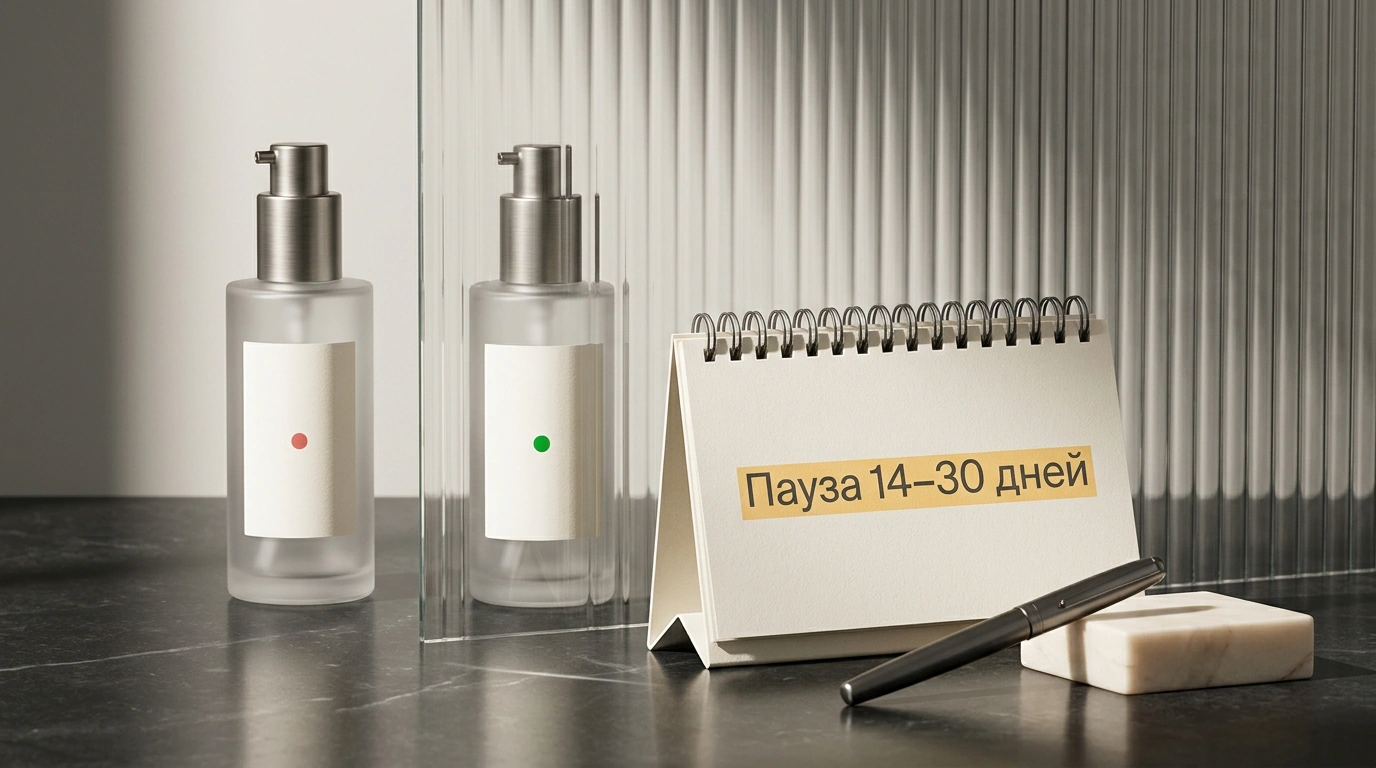
- Cooling-off period: A 14-to-30-day buffer for one-off posts—and 60 to 90 days for ambassadors—during which the creator agrees not to feature direct rivals.
- Exclusivity fee: Market rates for full category exclusivity typically add 25% to 50% on top of the base fee.
- Specific whitelist/blacklist: Skip vague wording and name 3 to 5 specific competing brands that are off-limits.
Look at a creator's past sponsorships practically: if their audience already buys in your category, you can win a share of that demand.
