Issue October 12Daily digest · 8 items
In this issueReviewed 36 sources, gathered 8 items
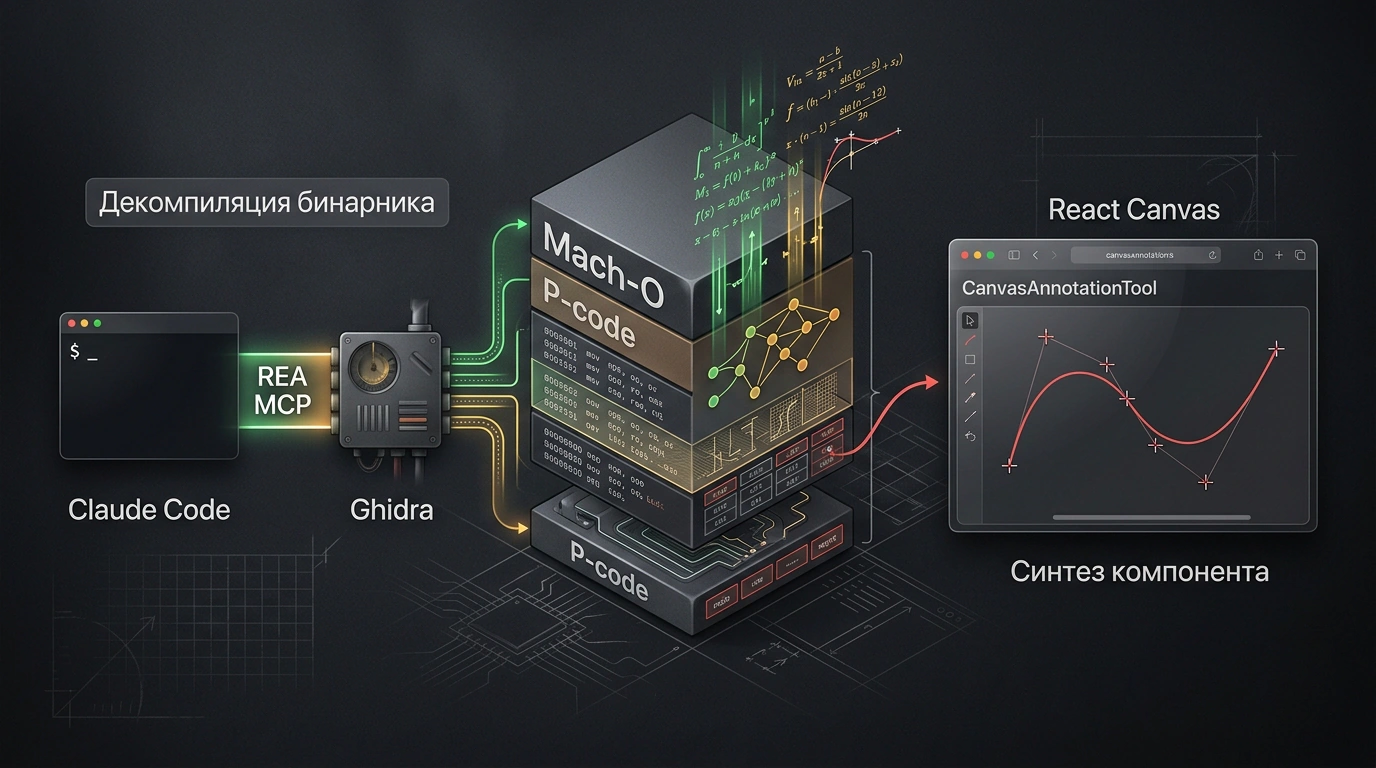
Conceptual illustration of reverse engineering: an AI agent uses the Reverse Engineer Anything MCP server to dissect a binary in Ghidra and synthesize a clean web component.
LongreadAIDevelopmentAI AgentsReverse Engineering

Decompiling Software with AI: How the Viral Reverse Engineer Anything MCP Server Works

Trying to rebuild a complex app from a UI screenshot usually gives you nothing more than a hollow mockup. The viral Reverse Engineer Anything MCP server solves this at a completely different level by connecting the Claude Code terminal agent directly to the Ghidra disassembler.

The agent analyzes the binary on its own, recovers symbol tables and curve-smoothing math, and builds a working component in modern React. There is a clear limit here: client-side logic can be reconstructed with high precision, while hidden backends and server databases remain unreachable without direct access.

Explore how this reverse-engineering pipeline works to see how fast language models can now dissect closed binaries.

👍 0
Nick SaraevReverse Engineer Anything (REA) MCP ServerGhidra Software Reverse Engineering Framework
October 12
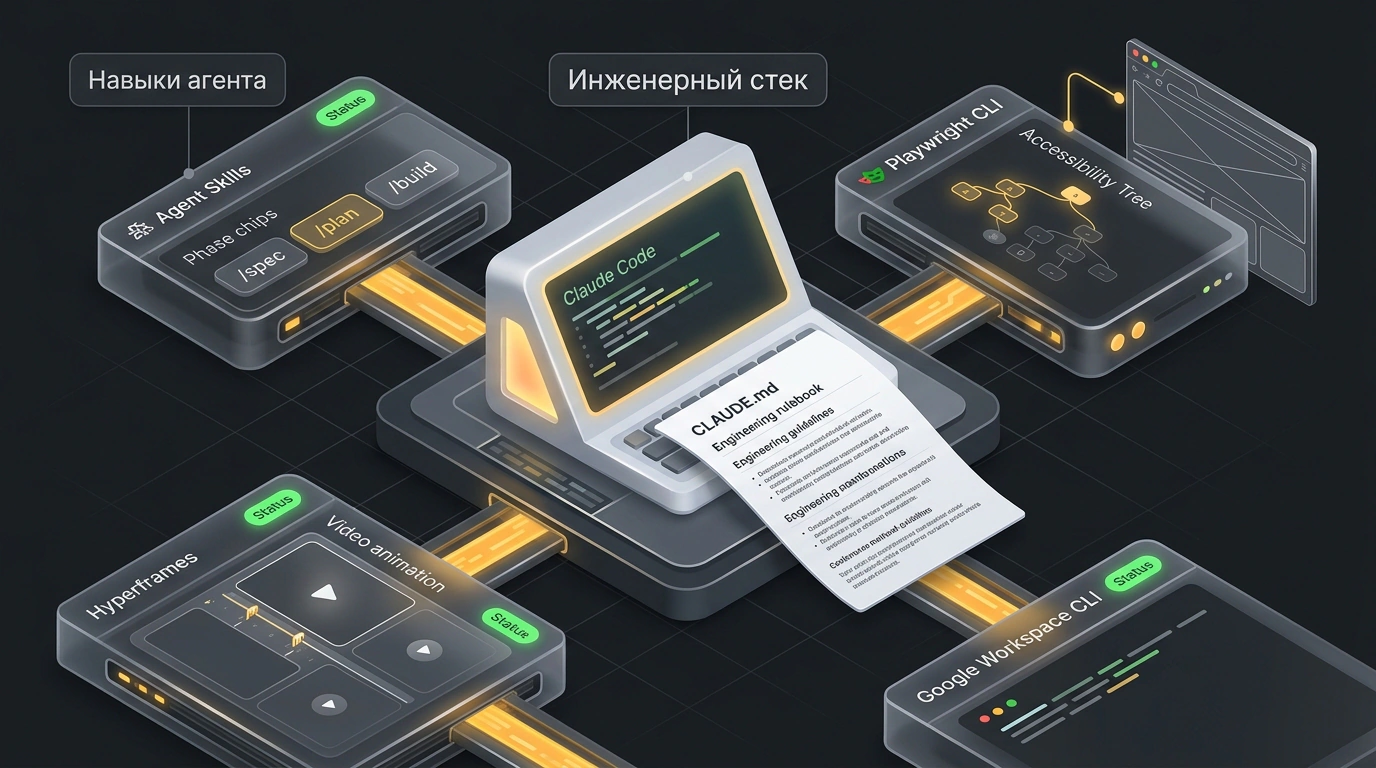
Conceptual illustration of an engineering stack for Claude: modular tools with Playwright CLI, Agent Skills, and a CLAUDE.md system file organize autonomous development.
LongreadAIDevelopmentOpen SourceAI Agents

Six Best GitHub Repositories for Claude: From Browser Automation to Ready-Made Agent Skills

Among thousands of repositories built for the Claude ecosystem, it's easy to drown in repetitive prompt wrappers. Yet a few standout projects turn a terminal agent into a disciplined engineering partner.

The key shift is protecting the context window from clutter. Instead of feeding the model heavy HTML, Playwright CLI passes a compact accessibility tree, saving tens of thousands of tokens. Meanwhile, Addy Osmani's Agent Skills methodology splits development into spec, plan, and isolated build phases to prevent hallucinations in large projects.

Explore these six repositories to equip your terminal agent with proven tools and boost task accuracy.

👍 0
Nate HerkAddy Osmani Agent Skills Repository
October 12
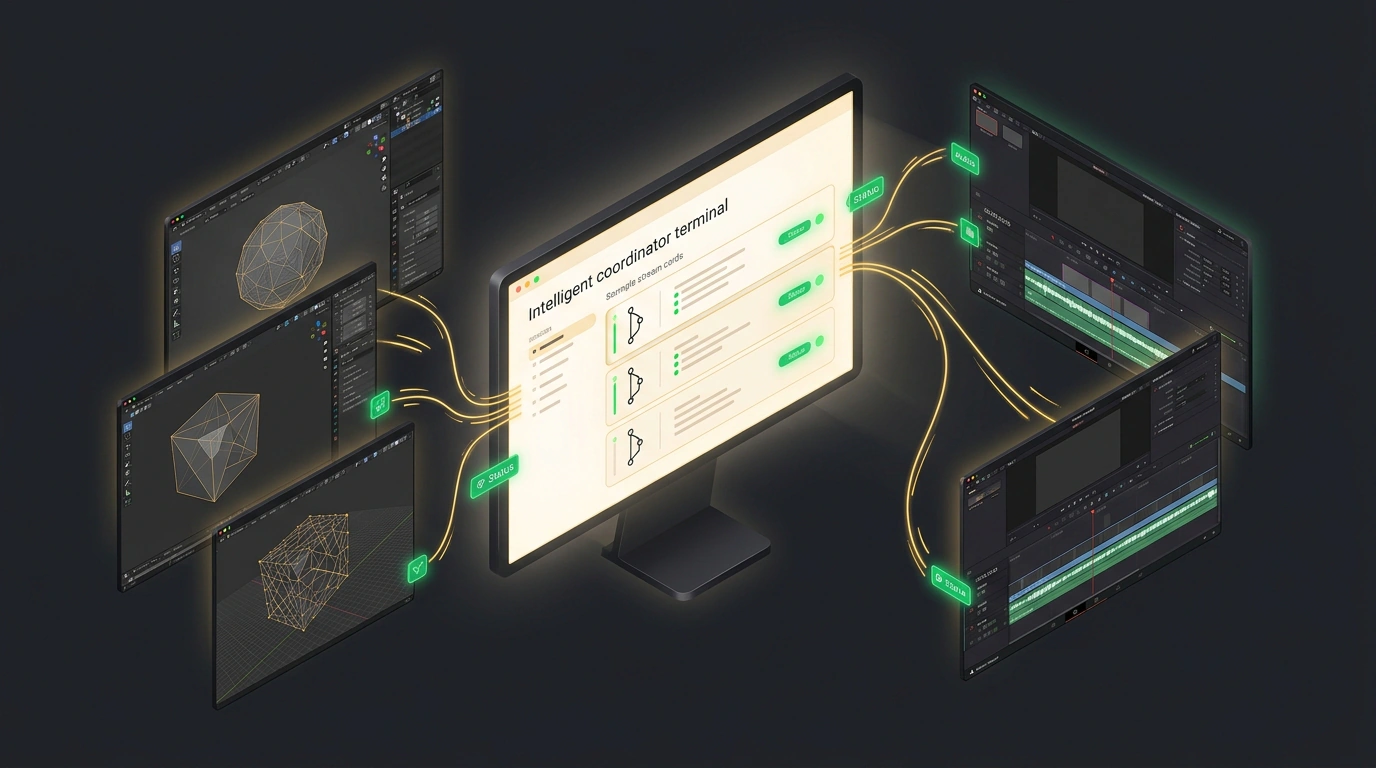
Claude Code CLI architecture: a terminal coordinator manages parallel tasks, the codebase, and external tools.
ArticleAIDevelopmentAutomationAI Agents

Moving from Web Chat to Claude Code CLI: Local Execution, MCP, and Coordinator Architecture

Using an AI model in a browser chat turns an engineer into a human clipboard between the dialog box and the code editor. In the terminal with Claude Code CLI, that changes: the agent applies diff patches and runs local tests directly.

The biggest leap comes from the coordinator architecture. Instead of one bloated session, a lead agent splits the project into isolated Git branches and assigns parallel tasks to specialized workers, from code refactoring to asset generation.

Explore this development workflow to turn the model into a reliable part of your local pipeline.

👍 0
Riley BrownClaude Code Official DocumentationAnthropic Claude Code CLI Repository
October 12
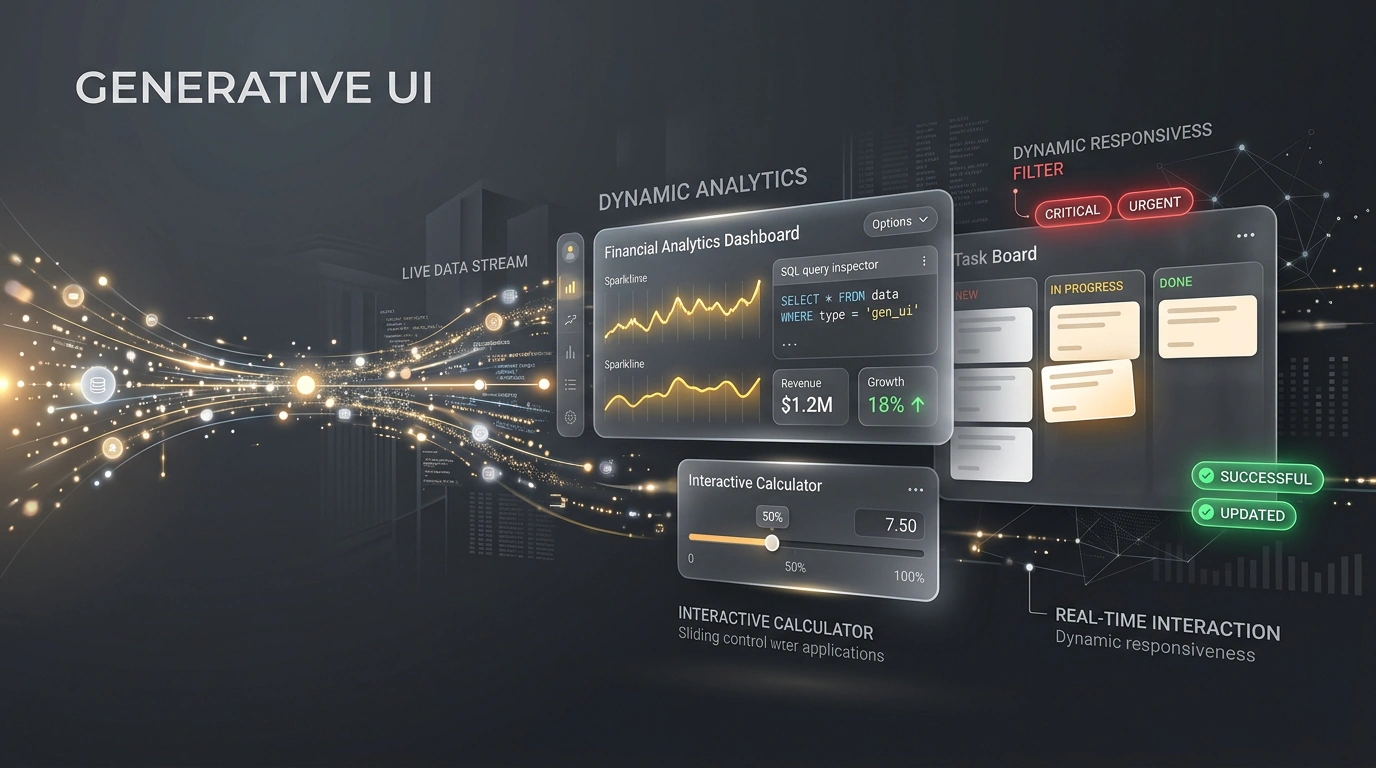
Generative UI concept: dynamic compilation of interactive dashboards, calculators, and kanban boards from a data stream.
Thematic roundup3 sectionsAIAIInterfacesProductivity

The Generative UI Era: Anthropic Dashboards, ChatGPT Dynamic Interfaces, and Multi-Model Agents

Long walls of text in AI replies are quickly giving way to Generative UI, a paradigm where interfaces are compiled on the fly for a single user request.

Three parallel developments show how deep this shift goes: Anthropic is rolling out interactive analytics dashboards with transparent Snowflake SQL, ChatGPT is rendering dynamic calculators and forms right inside chat, and multi-model systems are routing tasks across specialized networks. Software UI is no longer hardcoded years in advance—it is becoming a live extension of the conversation.

Dive into this roundup to see how the line between generated text and functional web apps is disappearing.

👍 0
Julian Goldie SEORiley BrownAnthropic Official News - Claude Dashboards and MotionOpenAI Platform Updates - Intelligent UI
October 12
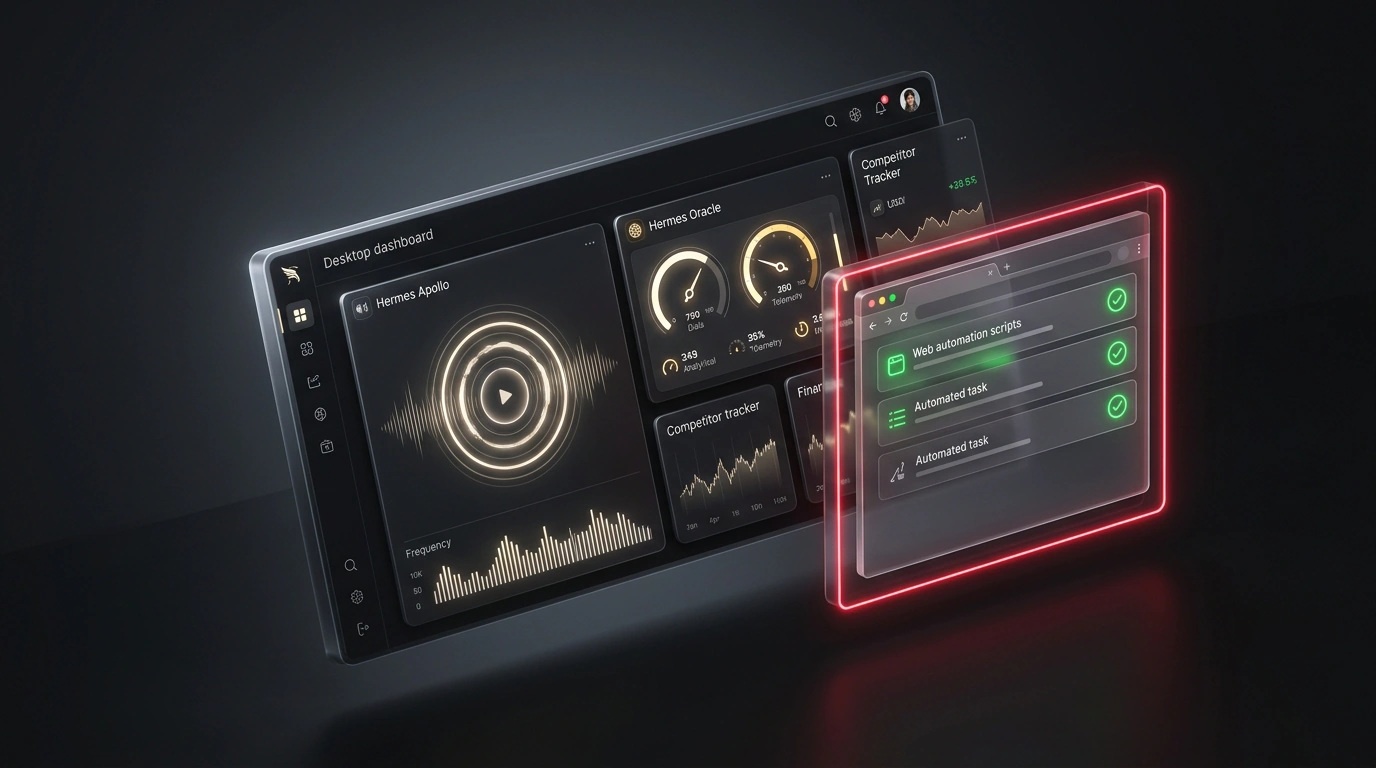
Open-source Hermes Agent OS operating system with autonomous agents and isolated browser sandboxes.
ArticleAIOpen SourceAI AgentsAutomation

Hermes Agent OS: How Nous Research Built an Open-Source Operating System for AI Agents

Instead of wiring disconnected scripts together by hand, Nous Research has released Hermes Agent OS, an open-source operating environment for autonomous agents under the MIT license.

The platform manages a full fleet of background services, from voice assistants to competitor price monitors. It isolates web tasks inside browser sandboxes, maintains long-term memory, and works with both cloud APIs and local model weights via vLLM.

Explore the structure of this OS to deploy a fleet of autonomous digital assistants on your own infrastructure.

👍 0
Julian Goldie SEONous Research Hermes Agent RepositoryHermes Agent Platform Documentation
October 12
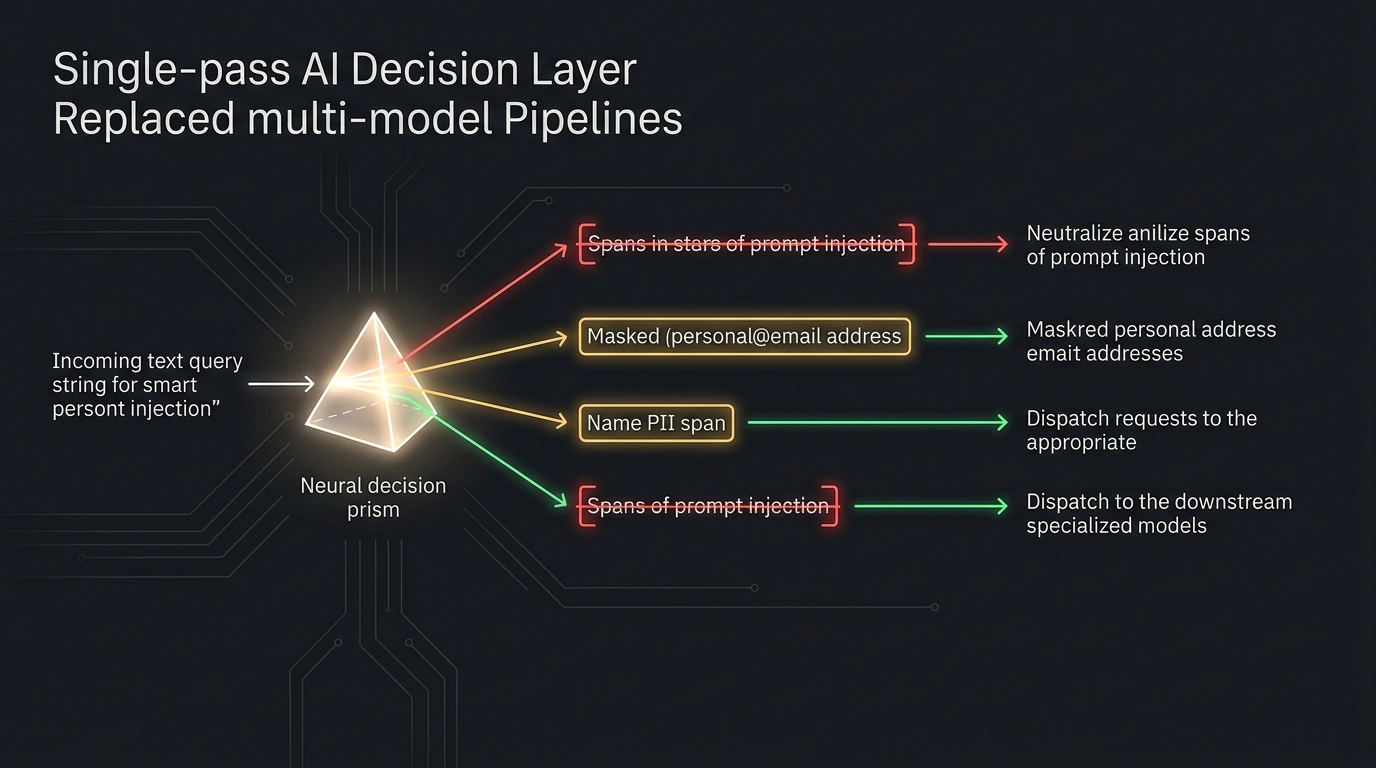
Vela 2.0 decision model providing security, PII masking, and LLM routing in a single forward pass.
ArticleAISafetyLLMRouting

Vela 2.0: A Single Compact Decision Layer for LLM Routing, Security, and Validation

Stacking security checks before an LLM request often creates a painful bottleneck: chains of prompt-injection and PII filters burn precious seconds. The open-source Vela 2.0 model family solves this in a single forward pass.

Instead of spending compute on text generation, the model outputs a compact decision tensor right away. Its standout feature is span-level tagging, returning exact character coordinates so you can mask sensitive data cleanly.

Explore this validation architecture to protect your generative AI pipeline without adding response latency.

👍 0
Julian Goldie SEOHugging Face vllm-sr Collection - Vela 2.0 ModelsvLLM Semantic Router Repository
October 12
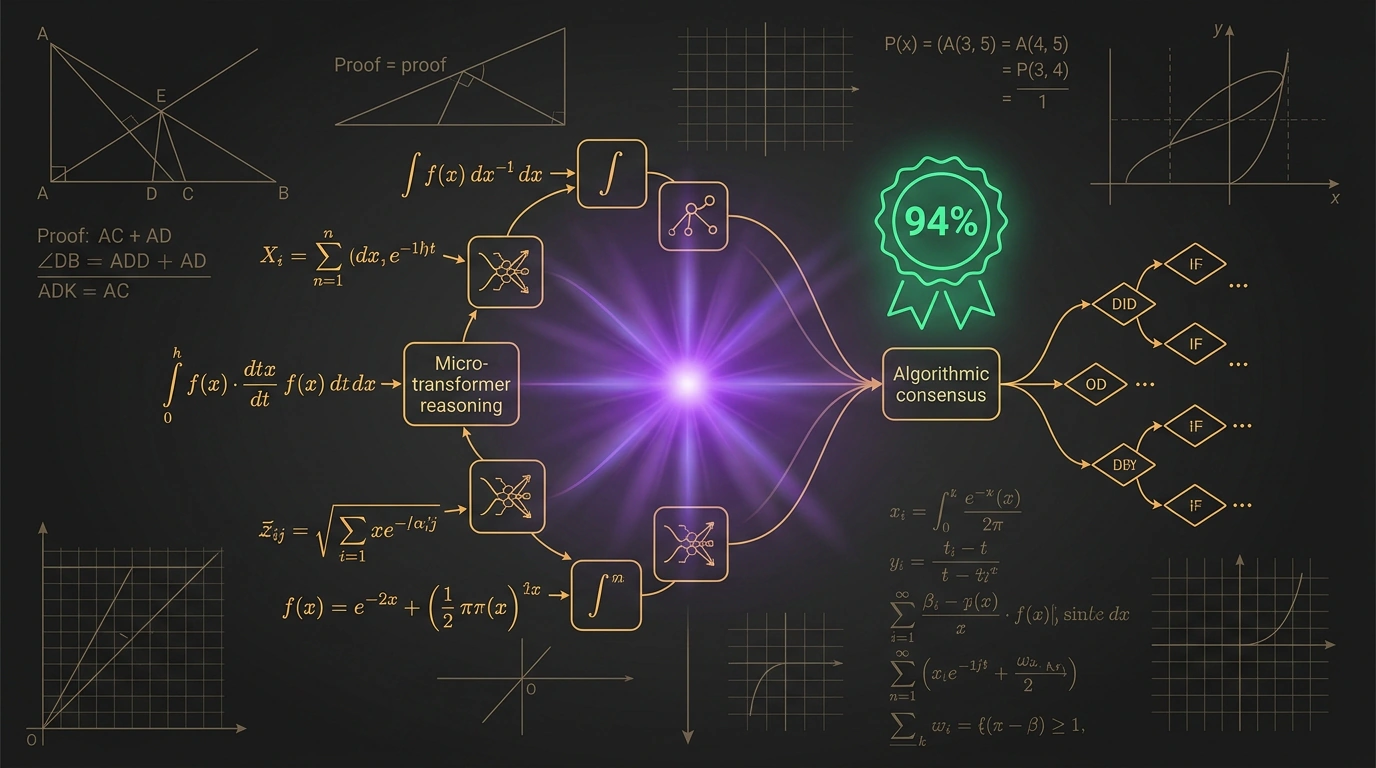
Compact Olympiad model Limite 1B - Violetto solving complex math theorems using a parallel reasoning ensemble.
ArticleAILLMAlgorithmsMathematics

Limite 1B - Violetto: An Open 1B-Parameter Model Hits a Record 94% on AIME 2026

Most people assume Olympiad-level math belongs exclusively to massive cloud models. Italian lab Paradigma just proved otherwise: their open-source Limite 1B - Violetto takes up only 2.1 GB and fits comfortably on a consumer GPU.

The real surprise is its score on the tough AIME 2026 benchmark. This compact model hit 94% accuracy, beating much larger heavyweights thanks to targeted reinforcement learning and parallel ensemble search.

Take a closer look at this math breakthrough to see what small local weights can achieve on specialized tasks.

👍 0
Julian Goldie SEOParadigma AI Research - Limite 1B Violetto ReleaseParadigma HuggingFace Repository and Benchmarks
October 12
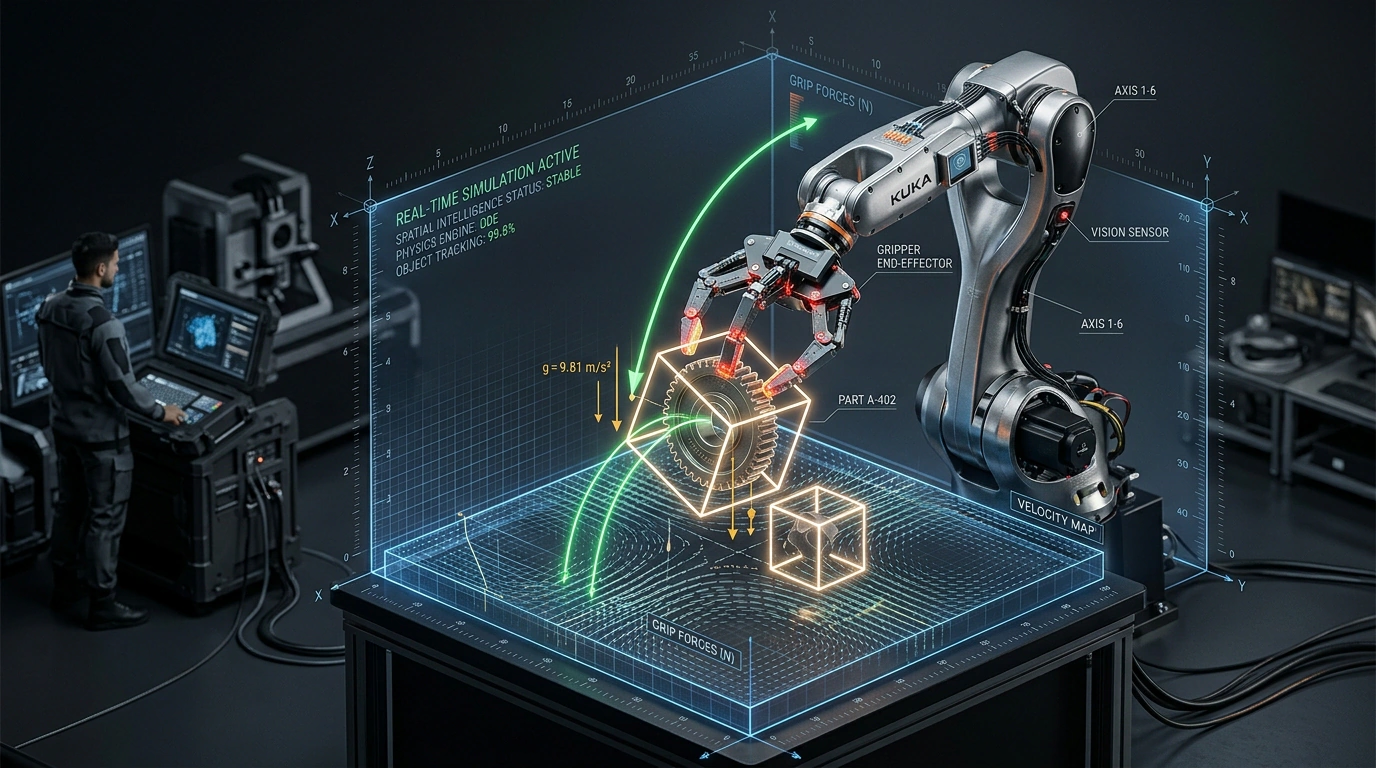
Odyssey-3 generative 3D world model simulating rigid-body physics, fluids, and humanoid robot training.
ArticleAIAIRoboticsSimulations

Odyssey-3: A Generative 3D World Model for Training Autonomous Agents and Robotics

Flat AI-generated videos look impressive on screen, but they are useless for robots: you cannot feel friction or weight inside 2D pixels. Odyssey-3 solves this core problem by building an interactive world model with real physics simulation.

For robotics, the platform's biggest strength is training recovery behavior. If a slippery object slips out of a robotic gripper, the agent learns inside the virtual environment how to catch it mid-motion.

Explore what this world model can do as AI learns the laws of physics before stepping into reality.

👍 0
Julian Goldie SEOOdyssey Systems - Odyssey-3 Foundation World Model
October 12