When a local brick-and-mortar business hits a revenue plateau, most owners have the same knee-jerk reflex: "We need to pour more money into ads." Flyers get printed for the metro exit, geo-targeted ads spin up, and a loud banner goes into the window promising 30% off your first cup. New faces walk through the door, yet the cash register barely budges: acquisition costs eat you alive, the discount wipes out your margin, and once they've grabbed their cheap latte, they never come back.
That exact trap caught entrepreneur Evgeny Makartsev, founder of the Dolina Kofe ("Coffee Valley") chain. Monthly profit had stalled around 400,000 rubles, the owner was running himself ragged, and ad spend on cold street traffic was evaporating with nothing to show for it.
Working alongside marketer Darya Portyanko in Season 2 of Mikhail Grebenyuk's reality show Declaration, they took a radically different route: they ditched price dumping completely and went all-in on retaining their existing customer base. Back when we looked at how a local cafe built habit-driven guest retention without discounts or stock photos, we spotted a similar playbook. Let's see how systematic retention helped Dolina Kofe double LTV and grow revenue by 40% in just 30 days.
Five Gears of the Repeat-Sales Engine
The team built a closed retention loop out of five interconnected tools:
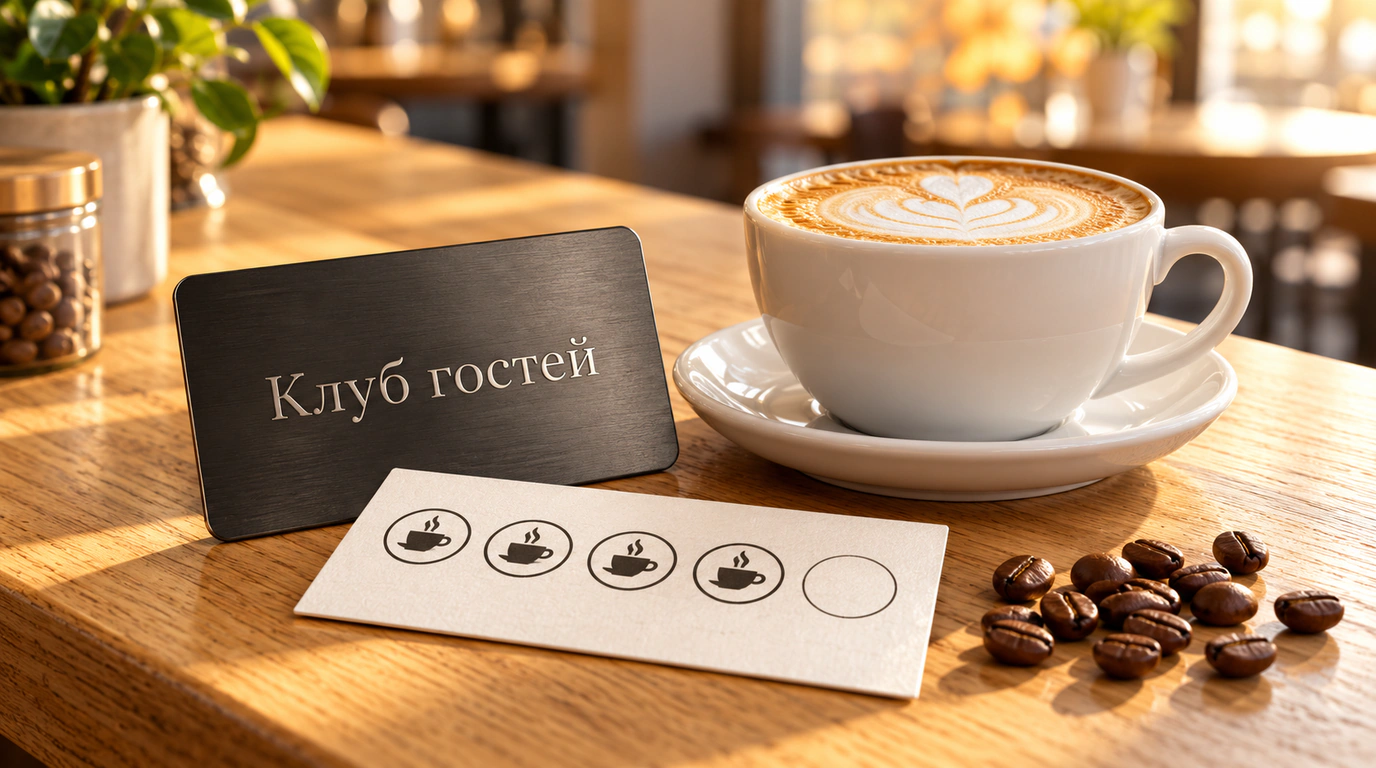
1. A Private Customer Club on Telegram. Instead of a dreary bulletin board full of coupons, the coffee shop launched a private Telegram channel for guests. No spam blasts—just a warm insider community sharing fresh-roast notes, behind-the-scenes barista stories, and votes on seasonal menu items. The relationship no longer ends the second a paper cup slides across the counter; the shop stays in the guest's daily orbit.
2. "Collect 5 Stickers" Purchase Gamification. Instead of handing out an instant discount, guests were invited into a simple game: collect five drink stamps to enter a final raffle for high-value prizes.
The Economics of Habit Gamification
With an average coffee shop ticket of 520 rubles, a five-cup threshold locks in a minimum cumulative spend of 2,600 rubles per guest. People keep coming back not to save 30 rubles, but to finish the game loop they already started. Over five visits, stopping by this specific shop turns into an automatic morning-commute habit.
3. Interactive Content Management. The community stays alive through regular polls, blind bean tastings, and genuine back-and-forth with subscribers. Guests feel like co-creators of the menu, which slashes churn.
4. Founder-Led CustDev Interviews. Evgeny Makartsev personally ran in-depth interviews with both loyal regulars and guests who had stopped visiting. The findings were eye-opening: nobody was leaving over prices. The real friction points were slow service during the morning rush (making people late for work) and espresso served too scalding hot to drink on the go. Fixing those two product snags brought lapsed guests right back.
5. A Loyalty Program for VICs (Very Important Customers). Using ABC/XYZ segmentation on their customer base, the team isolated the top 10–20% of guests generating the lion's share of profit. Those regulars received personalized metal VIP cards with exclusive perks. Given genuine status, the top tier turned into vocal brand ambassadors bringing in coworkers and friends.
Why Retention Always Beats Blind Acquisition
Here is how the two approaches stack up side by side:
| Dimension | Traditional Approach (Traffic Focus) | Systematic Retention (Grebenyuk Case) |
|---|---|---|
| Core Focus | Random passersby, flyers, cold ads | Existing guest database |
| Margin Impact | Erodes margin via acquisition costs | Preserves 100% markup with zero discounts |
| Revenue Stability | Brief spike only while promos run | Long-term LTV growth and churn protection |
| Connecting Channel | One-off paper receipt | Owned Telegram community club |
The 30-day sprint numbers speak for themselves: 40% revenue growth, the highest weekly sales in the chain's history, and a 2x jump in regular guest lifetime value.
Stop handing out discounts left and right. Price cuts only cheapen your product in the customer's eyes. Build a real community around your business, sand down service friction through honest customer interviews, and take care of the people already voting for you with their wallets.