Have you ever stopped to ask what you are actually paying for inside an ad dashboard? A click, an impression, or a video view? Traditional online advertising has always sold pure probability. Someone typed a query—maybe they want to buy, or maybe they are writing a term paper. Add bot click fraud and the death of third-party cookies, and it is obvious why classic funnels keep misfiring.
A quiet revolution is unfolding in Russian marketing: ad budgets are flowing into banking apps. Replacing standard banners is fintech media. A bank doesn't look at hypothetical intent; it sees a closed receipt—money actually leaving a card. It knows exactly where a person shops, how much they spend on Fridays, and whether they buy coffee from your direct competitor. Let's look at how this mechanic works.
The End of Guesswork: Why Clicks No Longer Guarantee Sales
For years, web targeting fed us an illusion of control. We built audiences around interests like "fitness enthusiasts" or "home renovation." Yet a social media interest tells you nothing about a person's wallet: a college student watches supercar reviews for hours, while a factory owner scrolls through cat videos. The algorithm serves your ad to the student and bills you for clicks with zero chance of a sale.
Fintech media runs on hard first-party data—actual card transaction history.
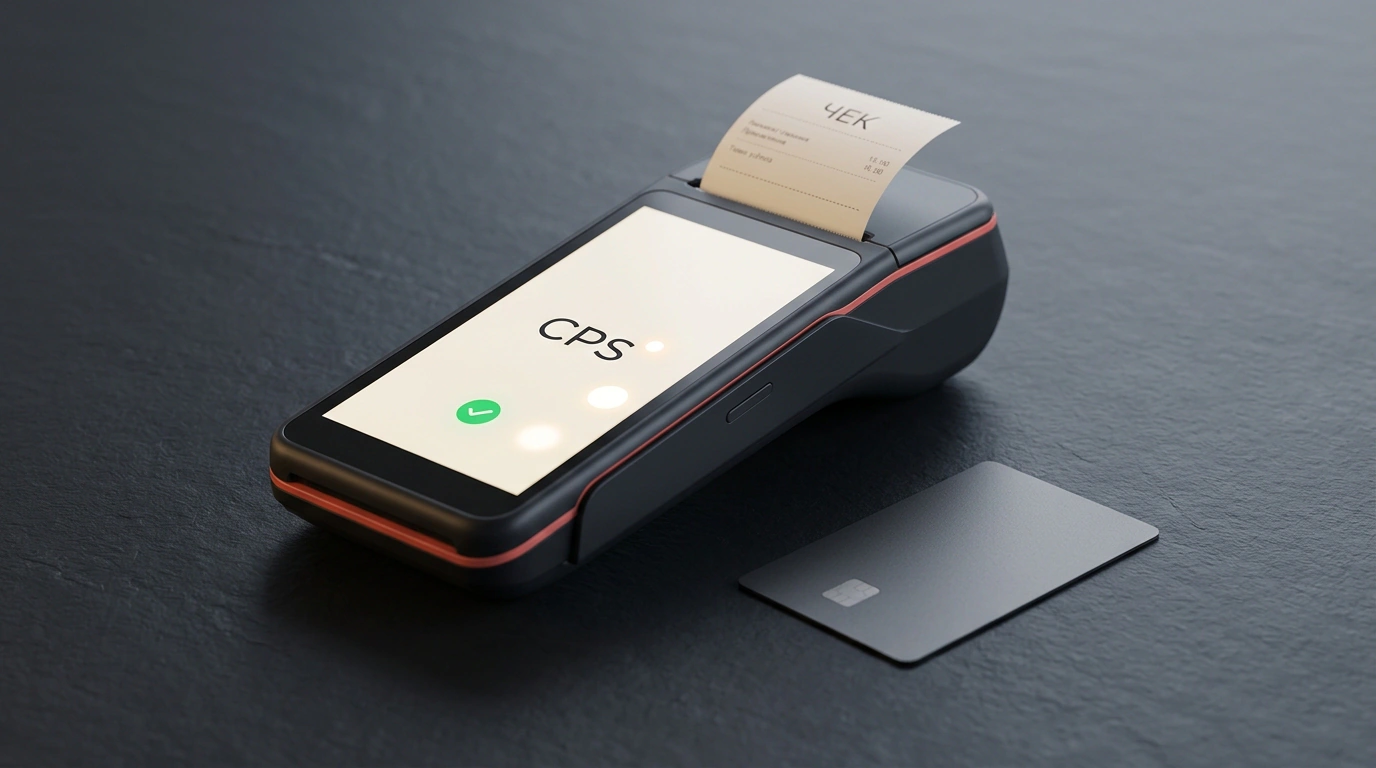
In fintech, businesses don't buy clicks (CPC) or impressions (CPM); they buy an audience with verified spending behavior. Banking ad formats let you shift to a CPS (Cost Per Sale) model: you only pay when a customer taps their card at a terminal or completes payment in an app. Click fraud is physically impossible here—a bot can fake a million website visits, but it cannot fake rubles leaving a bank account.
From Green Stamps to Bank Scoring
Bank-powered advertising didn't appear out of nowhere; it is the logical outcome of a century and a half of loyalty programs:
- In 1896, Sperry & Hutchinson launched "Green Stamps": stores gave out 10 stamps per dollar spent, which shoppers saved and redeemed for goods from the Ideabook catalog (by 1964, catalog circulation hit 32 million copies);
- In 1986, Sears unveiled the Discover card with the first automatic cashback during Super Bowl XX;
- In the 1990s, Capital One founders Richard Fairbank and Nigel Morris turned their bank into a marketing lab, running over 60,000 product tests a year;
- In Russia in 2006, TCS (now T-Bank), working with nuclear physicist Evgeny Ivashkevich, introduced logistic regression and gradient boosting to analyze spending, while Andrey Romanenko's QIWI payment terminals delivered a phenomenal 2–5% banner CTR.
We already covered the evolution of advertising inside superapps, and by 2026 banks have matured into full-fledged advertising ecosystems.
Russian Fintech Ad Tools: SberAds, T-Ads, and Alfa Cashback
Three major banking platforms dominate the market today:
- SberAds (Sber): A self-service platform powered by a Transformer foundation model (presented at the KDD 2026 conference) that predicts offer response more accurately than gradient boosting. It offers 250+ behavioral segments based on spending and lifestyle, a hyperlocal "SuperGeo" tool for targeting around a physical store, and a built-in ad data operator (ORD) for Unified Register of Internet Advertising (ERIR) compliance.
- T-Ads / T-Reklama (T-Bank): Reaches over 50 million customers. Targeting spans 100+ transactional parameters: competitor purchases, average ticket, purchase frequency, and "Dolyami" BNPL usage. Cross-channel campaigns connect external ad impressions directly to in-store card payments.
- Alfa-Bank Cashback Showcases: Built for small businesses: the merchant sets a cashback rate (10–15%), and the bank promotes the offer inside its app, charging a commission strictly on completed purchases.
Don't try to outspend national chains on broad reach. Start with a hyperlocal setup: a 1–2 km radius around your storefront, an audience segment that bought in your category over the last 30 days, and a cashback offer starting at 10%. That filters out window-shoppers and brings in paying customers.
Where It Stops Working: When Bank Targeting Hits a Wall
Fintech media has two hard boundaries:
First is banking secrecy. People react sharply when they feel watched. If someone pays for a rare prescription and immediately gets a push ad from a clinic, a PR backlash follows. Banks only pass deeply anonymized cohorts to advertisers and strictly filter out sensitive categories.
Second is niche fit. Fintech works brilliantly for retail B2C: restaurants, apparel, beauty salons, fitness studios, and auto repair shops. It is useless for complex industrial B2B. Factory directors do not buy tower cranes or rolled steel with a personal debit card at a checkout counter—there, expert content, trade shows, and direct sales still rule.
