A buyer browses cars in the evening after work and messages a dealer on a classifieds site or messenger instead of calling. They have three similar listings open, and their question is simple: is this trim in stock and what's the trade-in price? If a dealership stays silent for half an hour, the buyer simply moves on to the competitor who replied first.
Leads were leaking through that exact gap at the large regional auto group AAA Motors. The company represents 14 brands across 12 locations in three cities and receives up to 500 inquiries a day, with around 40% arriving via messengers, social media, and classifieds chats. Customer service director Natalya Shushpanova honestly described the bottleneck before the overhaul in a Chat2Desk case study: managers could see incoming lead volume, yet had no idea at which step inquiries were disappearing.
Why Leads Sink Even When People Are Assigned to Them
Let's see why both early attempts to manage chats using staff alone failed. First, the group took the obvious route: since showroom managers sell the cars, they should answer the chats too. In practice, that setup broke immediately. A showroom rep has a live customer standing in front of them and a desk phone ringing. Put a visitor by the hood next to a chat notification, and the messenger loses every time. The rep puts off replying until later, and the answer goes out two hours late or gets lost completely.
So they handed the chats to an outsourced contact center. Work became more structured, yet hit a wall on product complexity. An outside operator simply can't keep prices and trims for 14 brands in their head at once. Whenever an agent didn't know a detail, they had to reach out to the showroom, dragging the conversation out for hours or half a day. Plus, chats still lived in separate systems, leads slipped through the cracks, and nobody could see team workload.
It's the same logic as a restaurant kitchen: if one cook grills steaks for the dining room while packing delivery orders on the side, couriers will keep delivering cold food. You can swap staff endlessly, but without a single assembly line, chats will keep stalling between windows.
One Inbox and a Frontline Chatbot: Down to 70 Seconds
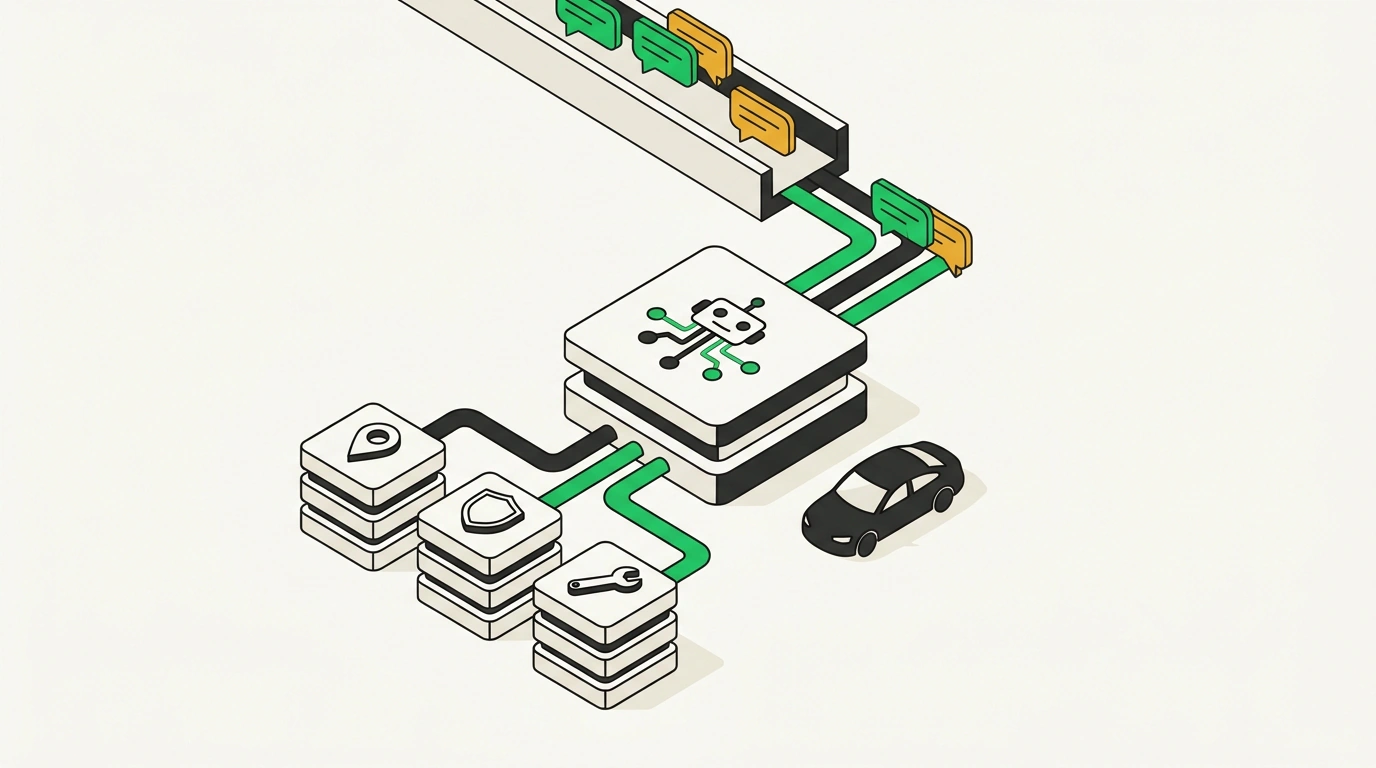
On the third try, AAA Motors rebuilt the inquiry route itself without adding headcount. They pulled messengers, website chats, and classifieds replies into a single Chat2Desk inbox and connected it directly to their CRM. Staff no longer had to jump between tabs or retype phone numbers by hand: contacts and full chat histories flowed into the database automatically.
To keep buyers from hitting silence at night or during peak hours, they placed a chatbot on the front line. It acts like a sharp front-desk receptionist: it replies instantly, answers basic questions, and gathers key details before handing off to a salesperson. Instead of a slow back-and-forth, the buyer selects what they need in a minute, and the rep picks up a warm lead with clear context. With this setup, average first response time dropped from several hours to 70 seconds. While the buyer still has the tab open, the conversation is already underway, giving them no reason to message the dealer next door.
Routing, CRM Numbers, and Where Automation Stalls
Under the hood, they set up routing rules based on three parameters: city, brand, and inquiry type, whether new car, trade-in, or service. Once the bot collects those three tags, the chat routes straight to the right department in the right city with zero manual sorting. A single-brand company can simplify this setup and route inquiries only by branch or service line.
The payoff shows up in two clear metrics: 100% of inquiries are logged in the CRM with zero loss, and conversion from inquiry to target contact reached 37%. Lead flow grew while headcount stayed the same, and managers could finally see real workloads and stalled queues.
Still, watch out for one trap: a chatbot's auto-reply doesn't sell a car on its own. If the bot answers in 70 seconds and then silence follows, the buyer cools off just as fast, so an on-duty rep must take over the live chat within minutes. And there's a second detail about WhatsApp that people usually remember only after getting a number banned: gray gateways easily trigger blocks, so the only safe way to build steady lead flow is through the official WhatsApp Business API.