By 2024, dating apps had become the world's main matchmaker: roughly half of American couples met through them, a share that tripled over a decade. At the same time, those same platforms saw user churn and burnout: guys stare at empty screens for weeks while women feel no decent men are left anywhere.
After a stretch of silence, you naturally start hunting for flaws in the mirror—bad angles, modest income, a weak bio joke. What caught my attention in an episode by clinical psychologist Orion Taraban, creator of PsycHacks and author of The Value of Others, was his sobering diagnosis: there's nothing wrong with the guys; the platform economy is broken. Without clear "price tags," female expectations shoot into orbit while male profiles drop into a blind spot.
A Mansion Catalog With No Prices and No Bank Filter
Taraban explains the breakdown of dating through buying a home. A 24-year-old engineer named Maxim opens a real estate app—a hypothetical Nillo—where listing prices have been stripped from every property card. Right next to ordinary two-bedroom apartments sit mansions with pools, stables, wine cellars, and six bedrooms. Inquiries cost nothing and fire off in one click—so the crowd storms the villas, leaving solid apartments without a single call.
In the real market, two brakes keep chaos in check: price signals that anchor negotiation, and a bank's mortgage check. The bank checks your accounts and credit score to set a budget ceiling—it doesn't care if you're kind to animals, it cares about solvency. On Tinder and Hinge, both filters are switched off: nobody sees the "price" of someone else's profile or a sober measure of their own odds.
Chasing a Rare Penthouse and the Blind Male Funnel
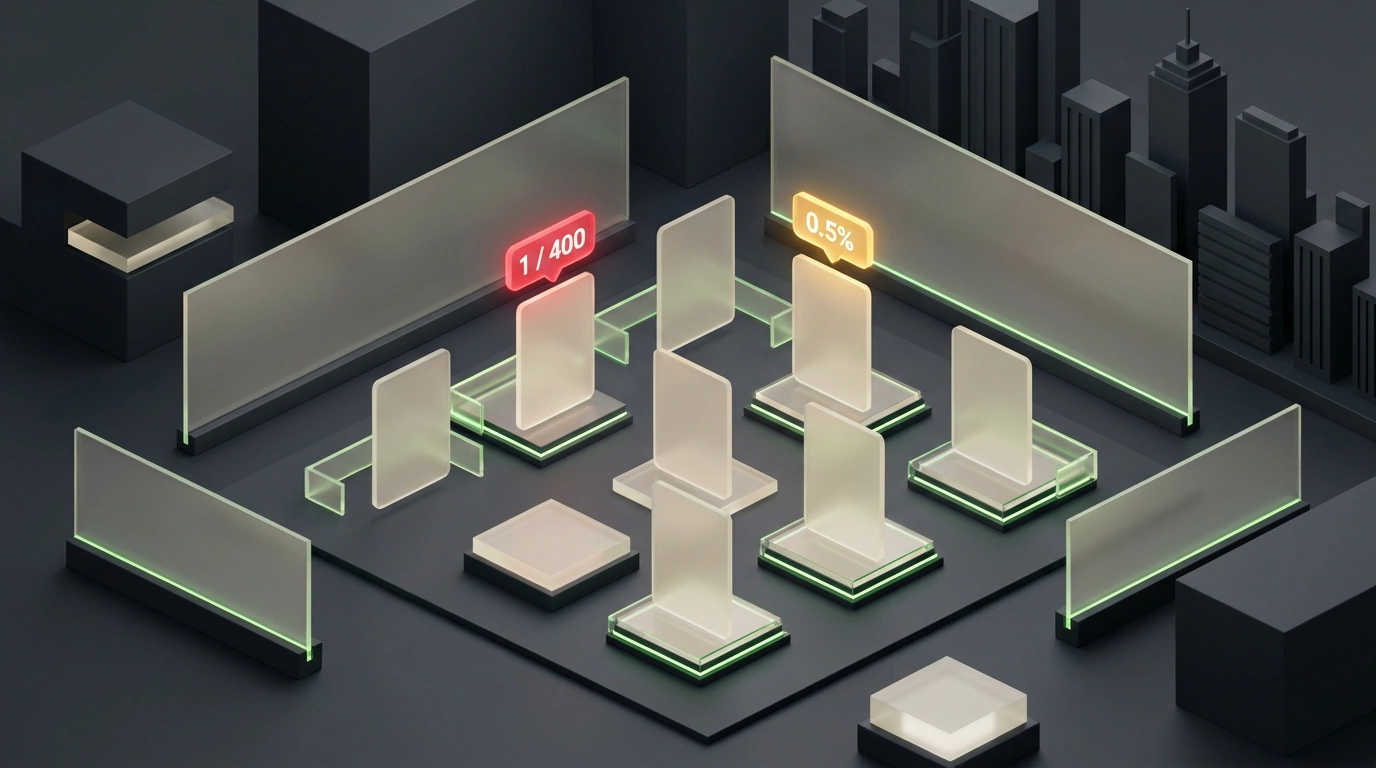
Without reference points, both sexes swing to extremes. A woman sets what feels like a modest filter: single man, 25–35, at least six feet tall (183 cm), earning $200,000 a year. According to U.S. Census Bureau data (Female Delusion Calculator), only 0.26% of men meet all four criteria—one in four hundred. Taraban notes that the starting currency for men on apps is physical attractiveness (which a blind rating from a hundred users would calibrate), and a gap of over 10% between self-assessment and standards leads straight to disappointment. Without that signal, almost all attention pools at the top tier of profiles, which easily land one-night stands.
On the other side of the screen, Maxim swipes blindly on nearly everyone. His funnel, by Taraban's numbers, is brutal: 1,000 swipes yield a meager 30 matches, 10 replies, and 1 date, often canceled at the last minute. In my view, that silent math cuts deeper than a live rejection at a cafe: after six months of quiet, you start thinking you're not good-looking or charming enough.
Why Paid Boosts Don't Fix Hidden Response Rates
Exhausted by the silence, a guy buys a boost. Honestly, that's like bringing a megaphone to a market with no price tags: visibility bumps your profile up the stack, yet it doesn't fix the broken storefront and locks you into an expensive trap. We covered how the swipe feed turns dating into a slot machine in our piece on how dating apps distorted our view of relationships and romance.
The root time-sink is that algorithms hide the profile owner's behavior. Taraban suggests exposing two metrics: match-to-likes ratio—say, 1 in 200 (0.5%)—and response rate, where a woman only messages a tenth of her matches. With those numbers visible, a sensible guy would save his swipes and skip attention-seekers, though honest conversion data would tank platform revenue.
Where Apps Fit and How to Move the Game Offline
Since apps won't hang up price tags themselves, separating arenas restores order. An app works fine as a low-stakes background channel, yet it's harmful as your primary source of dates or a measure of male worth.
Give swiping ten to fifteen minutes in the evening, skip paid boosts, and move the chat to a coffee meetup within the first couple of days.
Maxim's odds shift immediately once he moves his focus into real life—a running club, a martial arts gym, talks, and friends' parties. A room doesn't hold hundreds of thumbnails: within three seconds, posture, a chest-deep voice, a well-fitted jacket, and self-deprecation do the work, sparking warm eye-contact introductions. And to keep empty chats from curdling into cynicism, check out our breakdown of why guys are leaving dating and how to keep a healthy outlook on relationships.
We aren't looking for a woman just to feed conversion stats on someone else's server. Close the card stack and step into a real evening—where a clear head, free time, and the pure rush of a live conversation on a date are waiting.