Issue October 11Daily digest · 10 items
In this issueReviewed 67 sources, gathered 10 items
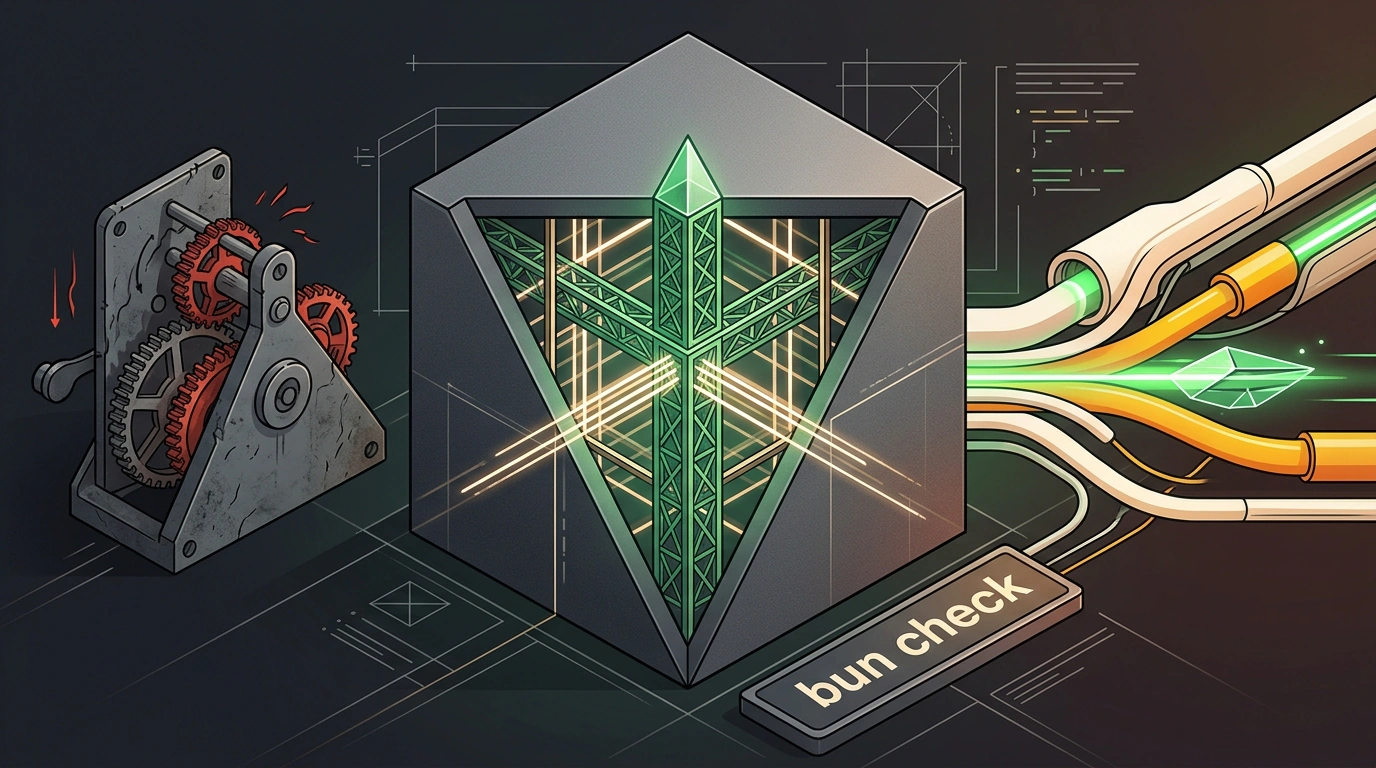
Engineering code inspection in Bun with the native bun check type checker outpacing the classic compiler.
ArticleDevelopmentOpen SourceTypeScriptBun

Bun v1.4.3: Built-in Type Checking with bun check and Faster TypeScript

Every TypeScript developer knows that painful wait: you run a type check before a commit, and your CPU goes quiet for a couple of minutes. Previously, the Bun runtime executed files fast, but it did so blindly by stripping types without verifying them.

Bun v1.4.3 introduces the long-awaited bun check built-in command. Written in native Zig, this analyzer checks types several times faster than the classic tsc, spreads work efficiently across CPU cores, and saves CI build time. Read the breakdown to compare speed benchmarks and drop extra dependencies from your project.

👍 0
Bun BlogBun GitHub Releases
October 11
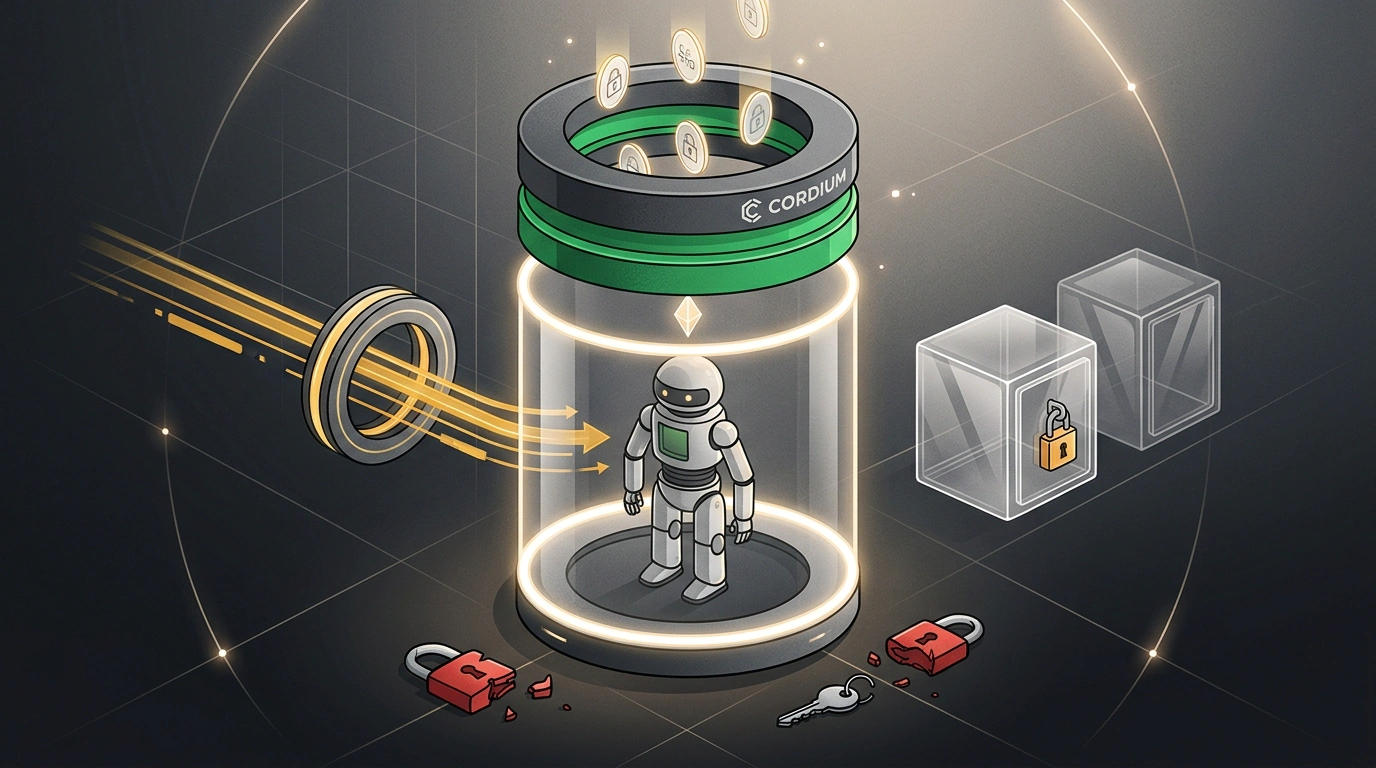
Concept of a secretless Cordium sandbox in Kubernetes using an external secure proxy gateway instead of static tokens.
ArticleDevelopmentSafetyOpen SourceKubernetes

Cordium: Running Isolated Kubernetes Sandboxes Without Passing Secrets

Giving an AI agent a terminal in Kubernetes sounds great until security enters the room. One accidental printenv command can leak service account tokens and database passwords into an untrusted context.

The open-source Cordium controller removes that risk. It spins up ephemeral isolated sandboxes without mounting secrets or granting cluster API access. An agent can run scripts and compile packages freely, yet it physically can't reach your infrastructure. Check out the article to explore the manifests and run untrusted code safely in Kubernetes.

👍 0
DevOps&SRE LibraryCordium GitHub Repository
October 11
Engineering shift from a distracting chatbot to an autonomous background agent governed by AGENTS.md rules.
ArticleAIAI AgentsDevelopmentAutomation

From Chatbots to Autonomous Agents: Mitchell Hashimoto's Engineering Playbook

Terraform and Ghostty creator Mitchell Hashimoto was skeptical of AI at first: autocomplete broke his train of thought, and chatting in a browser wrecked his flow.

His breakthrough came when he switched from prompts to autonomous agent loops. Instead of generating snippets, the model gets a clear spec, reads the codebase itself, runs local tests, and fixes errors until they pass. The engineer steps into the role of architect and strict reviewer. Read the article to adopt Hashimoto's practical rules and speed up your own workflow.

👍 0
Библиотека фронтендераMitchell Hashimoto: My AI Adoption Journey
October 11
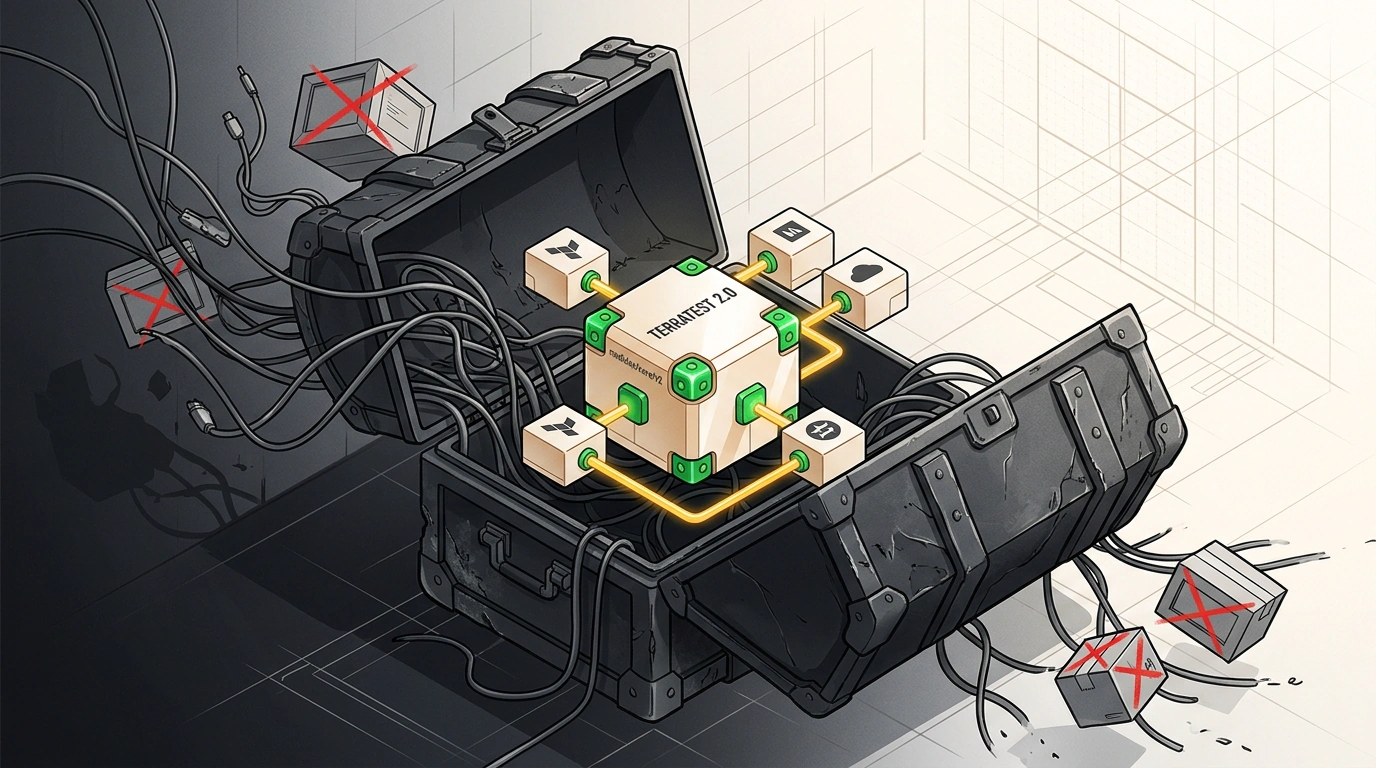
Modular split of the Terratest 2.0 framework into a compact core and independent cloud packages.
ArticleDevelopmentOpen SourceTestingGolang

Terratest 2.0: Modular Architecture and Terraform Testing Without Bloated SDKs

Want to test one tiny Terraform manifest, only to watch go get download half the internet with massive AWS and GCP SDKs? Every engineer who has written infrastructure integration tests in Terratest knows that dependency nightmare.

Thankfully, Terratest 2.0 overhauls the library's architecture. The monolith is split into independent, lightweight Go modules, so you only pull in what each test actually needs—no extra bloat or go.mod version conflicts. Open the article for a practical test example and a smooth path to upgrading your IaC pipeline.

👍 0
Библиотека Go-разработчикаTerratest GitHub Repository (Gruntwork)
October 11
Comparison of fragile rushed code against a solid architectural foundation built with upfront R&D.
ArticleDevelopmentManagementArchitectureEfficiency

The Cost of Rushing in Software Development: Why Upfront R&D Beats Firefighting

"Deadlines are burning, let's hack something together, ship to prod, and refactor later!" Sound familiar? That illusion of a quick win quickly shatters against midnight outages, corrupted databases, and a paralyzed backlog.

Rushing without design always costs the business far more. A short upfront R&D phase, hypothesis testing on an isolated prototype, and bottleneck analysis take just a couple of days, yet save months of productive work. Read the article to learn how to defend architectural prep to stakeholders and keep your project out of a technical dead end.

👍 0
HowProgrammingWorksТимур Шемсединов: ПОЧЕМУ СПЕШКА СТОИТ В 10 РАЗ ДОРОЖЕ?
October 11
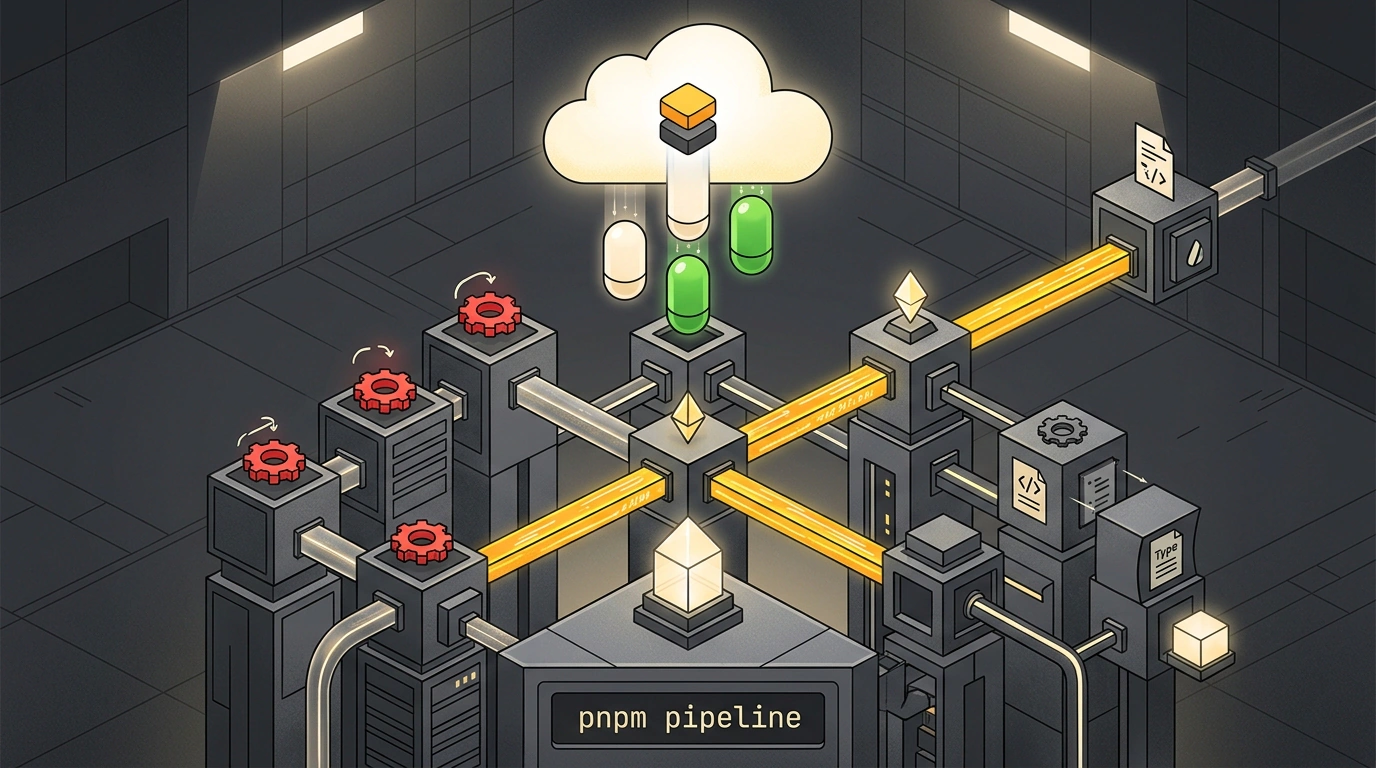
Distributed monorepo build caching in pnpm 12.12.0 via the Turborepo Remote Cache protocol.
ArticleDevelopmentOpen SourceAutomationInfrastructure

pnpm 12.12.0: Turborepo Remote Caching and Config Dependency Management

In large monorepos, endless CI/CD builds quickly become a team's worst nightmare. Runners keep recompiling the same unchanged code over and over, burning CPU hours and engineers' time.

The fresh pnpm 12.12.0 release offers a clean fix without heavy third-party frameworks. The package manager now includes built-in support for the Turborepo remote caching protocol, storing test and build results in the cloud for instant reuse across your team. Read the article to set up your own cache server and speed up your pipelines.

👍 0
pnpm Blogpnpm GitHub Releases
October 11
Optimized local model execution on a laptop using GGUF quantization and KV-cache memory control.
ArticleAILLMDevelopmentAI

Running Local LLMs on a Laptop: Memory Math, GGUF Quantization, and llama.cpp Setup

Many developers assume running language models requires server-grade GPUs and huge cloud API budgets. In reality, your work laptop can easily serve as a standalone AI lab.

Modern tools like llama.cpp and the open GGUF format let you run 8B models right in system RAM with solid generation speeds. You get complete code privacy and zero reliance on external servers. Read the guide to master context memory calculations and set up local inference without extra spending.

👍 0
DevOps by REBRAINllama.cpp GitHub Repository
October 11
Illustration of an autonomous AI agent inside a strict engineering harness with verification gates preventing codebase architectural drift.
LongreadAIAI AgentsDevelopmentArchitecture

Engineering Autonomous AI Agents: Harnesses, Spec-to-MR Pipelines, and Controlling Architectural Drift

Posting a flashy coding-bot demo on social media is easy, but in real production, hype quickly turns into frustration. Hand a complex codebase to an AI agent, and it will quietly break architectural boundaries, pull in a dozen extra libraries, and build up hidden technical debt.

To get real value instead of chaos, teams wrap models in an engineering harness: strict contract tests, sandbox isolation, and a staged pipeline from spec to merge request. This loop catches architectural drift and validates every decision with the compiler. Dive into this longread to learn proven patterns and turn your AI agent into a predictable, reliable teammate.

👍 0
System Design & HighloadDevhands AI Club: Дмитрий Полищук (WB) — Harness для мобильного приложения
October 11
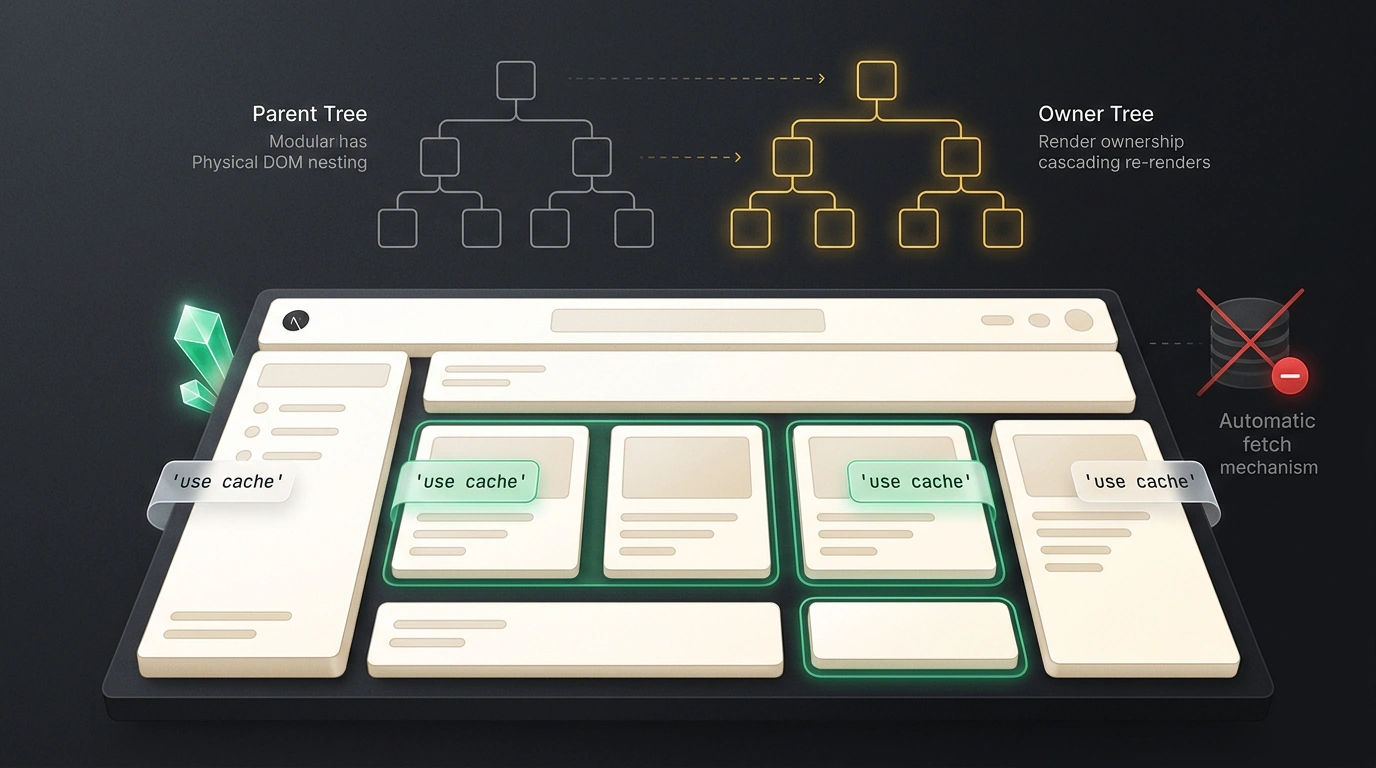
Declarative component caching in Next.js using the explicit use cache directive and React tree separation.
ArticleDevelopmentOpen SourceNext.jsReact

Next.js 16.4: Cache Components Become the Default and Visual Component Notation

Next.js developers know cache surprises all too well: you update data in the database, yet users still see stale pages because of implicit fetch() rules. Hidden magic under the App Router hood caused bugs for years.

Next.js 16.4 finally fixes this architecture: Cache Components are now the default standard. Instead of silent guesswork, the framework switches to the clear "use cache" directive and visual notation for server trees. Read the article to master the new caching model and stop fighting phantom data for good.

👍 0
Node.JS [ru]React Status #493Jules Blom: A Visual Notation for React's Parent and Owner Trees
October 11