You have probably seen tempting offers in your seller dashboard or support chats: "Hit 50 million rubles in sales this month, and we will refund 5% of the withheld commission to your balance." A platform manager assures you everything is approved, a banner in the interface flashes your personal terms, and it feels like the marketplace is ready to act as a true partner.
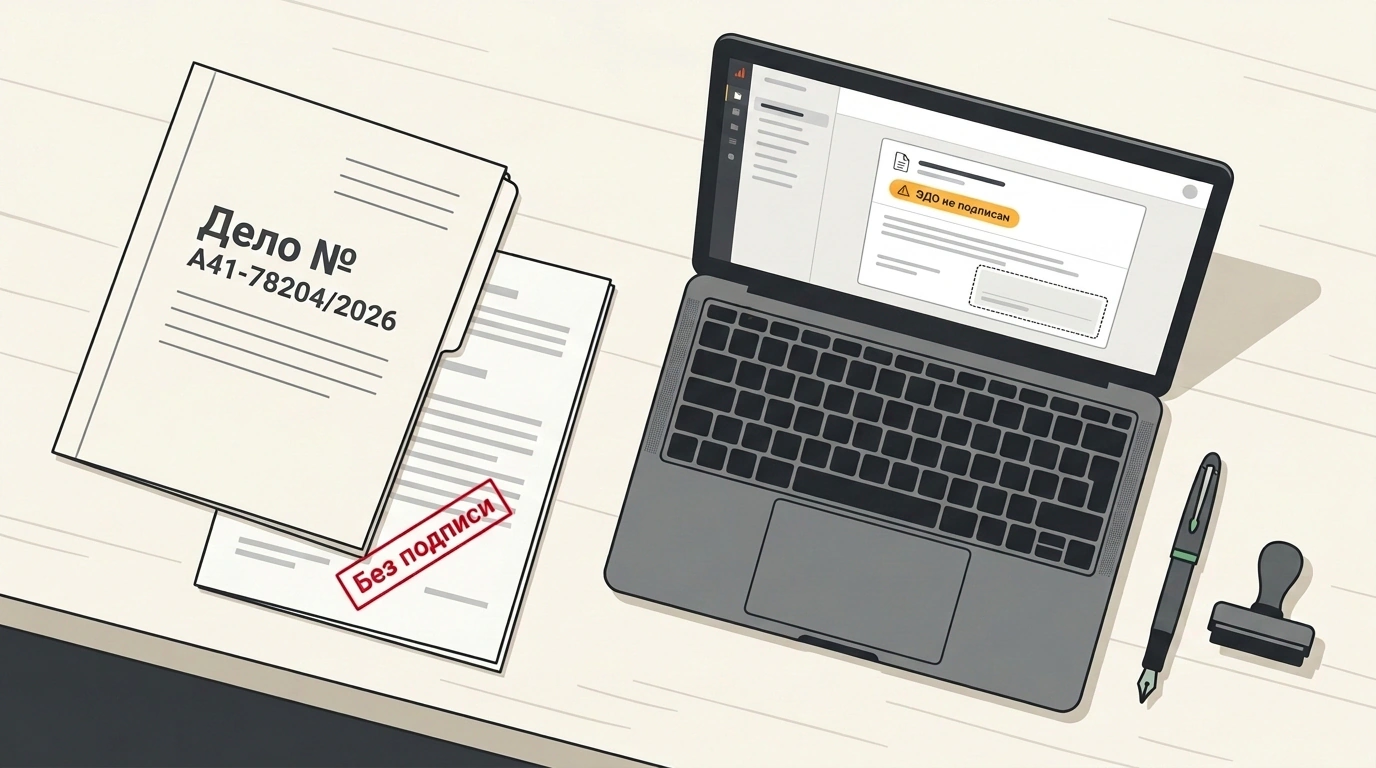
But what happens if you meet every target and the platform simply refuses to pay? A recent ruling by the Moscow Region Commercial Court in case No. A41-78204/2026 should serve as a cold shower for every seller.
Case No. A41-78204/2026: hit the target, walked away with nothing
The story followed a classic pattern. A large seller received an offer from Wildberries representatives to switch to so-called custom terms. The deal was simple: the seller commits to a higher sales volume, and the marketplace lowers its commission rate and promises to refund the difference.
The seller went all in:
- Took out loans and sharply increased factory purchases.
- Filled marketplace warehouses with stock and spent millions of rubles on internal and external ads.
- Hit the agreed sales target right on schedule.
Yet when it was time to refund the promised commission, Wildberries refused to transfer the money. Confident in their case, the seller filed a lawsuit in commercial court to recover the lost profit. And they lost completely.
The court's position: why banners and support tickets are legally worthless
The court examined the evidence in detail and reached a conclusion every business owner should memorize: the custom terms between the seller and the marketplace were never legally concluded.
Here are the key arguments behind the ruling:
- No signatures from authorized officers. The plaintiff attached a draft agreement on custom terms to the lawsuit, but it contained no signatures from Wildberries representatives.
- No EDM and no QES. The case files showed no proof that the agreement was signed with a qualified electronic signature (QES) through an accredited electronic document management (EDM) provider such as Diadoc or SBIS.
- Supremacy of the standard offer. Under the basic Wildberries seller agreement, any changes to commissions or tariffs take effect either when published officially on the portal for all sellers, or upon signing a formal addendum via EDM.
- Informational status of the interface. The court stated directly that dashboard notifications, system banners, and manager promises in Service Desk are strictly informational messages. They create zero legal obligations for the platform.
In our analysis of Wildberries offer risks, we examined how the platform legally shields itself from claims. This precedent confirms it: never take the interface at its word under any circumstances.
Seller protection checklist: how to formalize special rates via EDM
If platform managers offer you a custom rate, a logistics discount, or a volume rebate, follow a strict legal safety routine:
- No shipments without a signed addendum. Until both sides sign the document with a QES in Diadoc or SBIS, those custom terms do not exist for you.
- Verify the signer's authority. Make sure the person signing on behalf of the marketplace holds a valid notarized power of attorney authorizing them to change financial terms.
- Check weekly sales reports. If the platform charges the standard commission instead of the promised discounted rate, you have exactly 7 calendar days from the report's publication date to file reasoned objections under the offer rules. Miss that deadline, and the report is considered accepted without dispute.