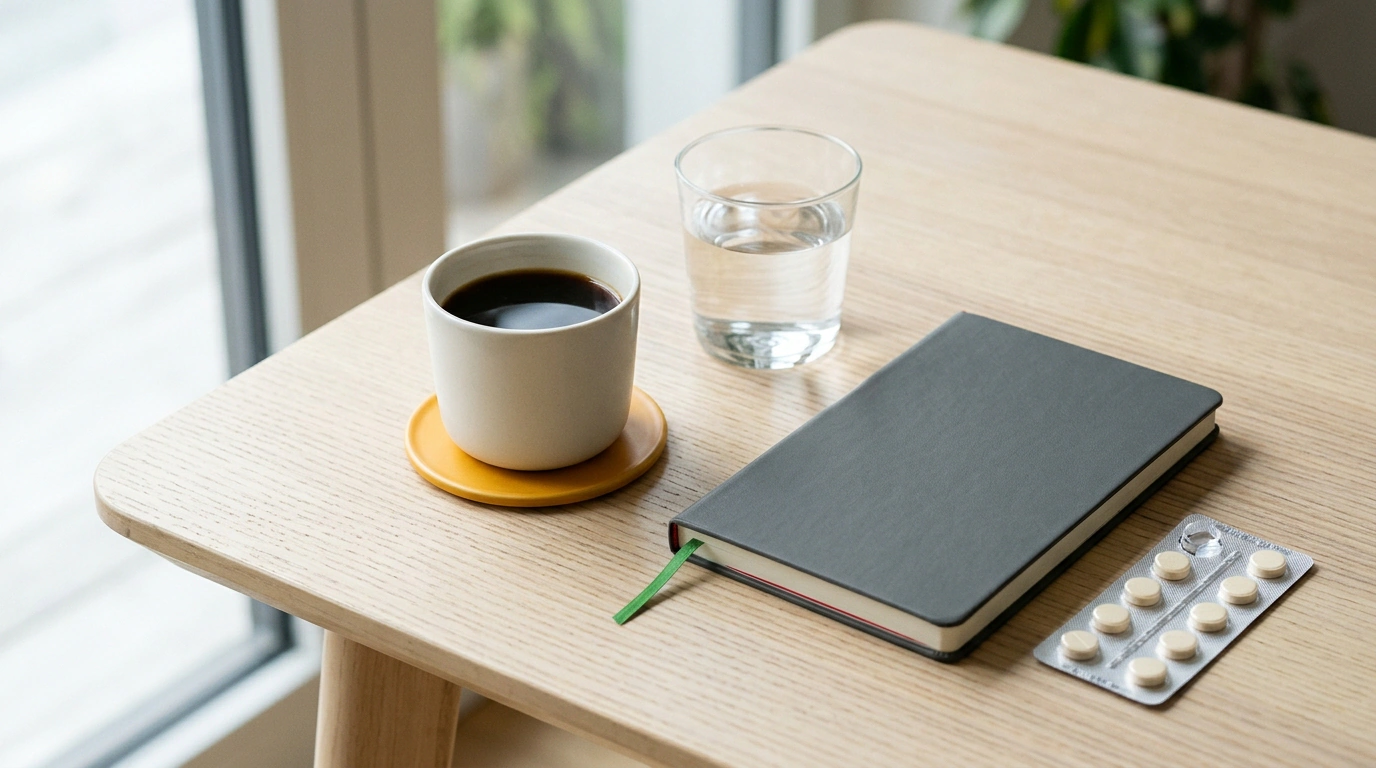
Admit it: how often does your feed serve up a headline like, "Scientists Discover Your Favorite Treat Prevents a Deadly Disease"? Just recently, health blogs exploded with news that two cups of coffee a day supposedly cut the risk of a repeat venous blood clot in half. For anyone who has ever dealt with deep vein thrombosis or a pulmonary embolism, that sounds like a dream come true. Pour a morning espresso, protect your vessels.
Cardiologist Alexey Utin was quick to pour cold water on the hype. Once you look past the glossy summaries and read the actual paper, the picture turns out to be far more complicated—and much less dramatic.
Where the Sensational Numbers Came From
The buzz started with a recent Norwegian study led by the Olsen group and published in the respected journal Research and Practice in Thrombosis and Haemostasis (RPTH). The researchers pooled data from two large population cohorts: the Trøndelag Health Study and the Tromsø Study.
They selected 2,071 patients who had survived a first episode of venous thromboembolism and followed them for an average of 2.8 years. Over that time, doctors recorded 310 recurrent clots. When the authors cross-referenced those cases with lifestyle questionnaires, a striking figure popped out: compared with non-drinkers, people who drank 1–2 cups of coffee a day had a 51% lower relative risk of a repeat clot (hazard ratio 0.49). Sounds like a triumph for your coffee maker, right? Let's look at how those numbers were actually gathered.
What's Hiding Behind the Statistics
The first—and biggest—catch lies in the study design. This was purely observational research, not a controlled trial. Participants filled out questionnaires about their coffee habits during routine health screenings years before their first blood clot ever happened. Nobody tracked what changed in their diet, weight, or daily routine after they left the hospital. A patient could have quit coffee altogether—or started drinking it by the pot.
The second red flag is the size of the comparison group. Out of more than two thousand patients, only 140 didn't drink coffee at all. In statistics, a control group that small leaves wide open the door for random noise.
Most importantly, the researchers didn't track whether patients were taking anticoagulants. After a first blood clot, patients are prescribed blood thinners—like warfarin or modern options such as rivaroxaban and apixaban—for months or even for life. Consistent medication is what actually cuts the risk of a repeat catastrophe by 80–90%. If the coffee drinkers in this study simply happened to take their pills more reliably, the entire "coffee effect" vanishes into thin air.
Coffee does not act as a blood thinner or antiplatelet drug. If you've been prescribed medication after a blood clot, stopping your pills, lowering your dose, or trying to replace them with caffeine on your own is life-threatening.
Correlation, Dosage, and a Sober Take
In evidence-based medicine, there's a basic rule of thumb: if something truly has a therapeutic effect, you usually see a dose-response relationship—more of the active factor produces a stronger response. In this Norwegian study, that pattern broke down completely. People drinking 3–4 cups or more saw no extra protection at all. Plus, the apparent benefit only showed up for provoked clots—those triggered by a fracture, surgery, or prolonged immobility in a cast. For unprovoked clots, the link disappeared.
Earlier, in our breakdown of coffee myths, we looked closely at how caffeine affects vascular tone and heart function. Coffee beans really are packed with polyphenols and antioxidants that help dial down systemic inflammation. If you already love starting your morning with a cup and feel great afterward, keep enjoying it. But if coffee gives you a racing heart or jittery anxiety, forcing it down to "clean your vessels" makes zero sense. There's no magic drink against blood clots—real protection comes from taking your prescribed medications, walking regularly, and staying well hydrated.