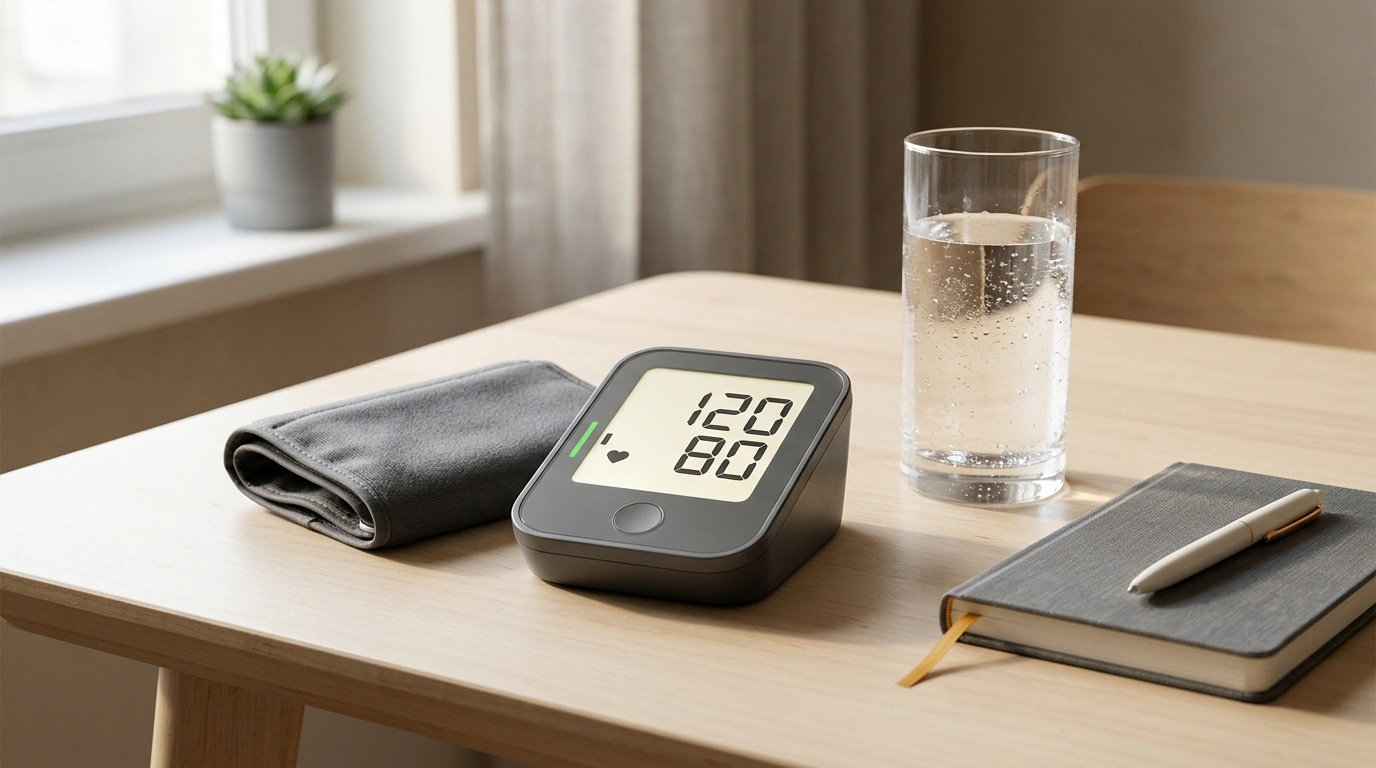
Picture a typical everyday scene: someone diligently takes care of their health, carefully takes the blood pressure pills prescribed by their cardiologist, and in the morning the monitor shows an ideal 120 over 80. Yet as soon as they eat a hearty lunch, literally forty minutes later a leaden fatigue hits, their temples start throbbing, their head spins, and when they try to stand up from the table, their vision goes dark. They reach for the blood pressure cuff, and the screen displays alarming numbers: 90 over 60.
The first reaction in this situation is genuine fear and a natural thought: "The pills are too strong—they crashed my blood pressure, I need to stop taking them right away!" I have seen more than once how people stop therapy in panic, only to call an ambulance with a hypertensive crisis a couple of days later. In reality, behind this paradox lies an entirely different physiological condition, known in clinical practice as postprandial hypotension (meaning a drop in blood pressure specifically after eating).
Gastroenterologist Andrey Kharitonov, who has spent many years studying hemodynamics after meals, draws attention to how underestimated this phenomenon is. A 2024 meta-analysis in Age and Ageing (PMID: 38411408), pooling data on more than 3,000 older adults, revealed a striking figure: postprandial hypotension occurs in nearly 40.5% of older patients and people with hypertension. Moreover, it doubles the risk of falls, sudden fainting, and injuries.
Why Blood Shifts to Digestion
So what happens inside our body when we eat a bowl of hot soup or a filling main course?
As soon as food enters the stomach and duodenum, the body needs to sharply increase blood supply to the digestive organs to support enzyme production, motility, and nutrient absorption. Blood flow to the abdominal organs (the so-called splanchnic bed) increases two- to threefold.
In a young, healthy person, a reliable compensation mechanism kicks in: the autonomic nervous system immediately releases norepinephrine, blood vessels in the limbs reflexively constrict, the heart beats slightly faster, and systemic blood pressure stays stable. With age, however—and against a backdrop of hypertension, atherosclerosis, or diabetes—this automatic tuning falters. Baroreceptors respond with a delay, blood vessels fail to constrict in time, and a massive volume of blood simply pools in the abdominal vessels. At that moment, the brain simply lacks adequate inflow, which causes dizziness and rubbery legs.
The official diagnostic criterion is a drop in systolic (top) blood pressure by 20 mmHg or more within two hours of starting a meal, or a drop below 90 mmHg if it was above 100 beforehand. The deepest dip usually occurs between 30 and 75 minutes after lunch or a carb-heavy breakfast.
Never stop taking blood pressure medication prescribed by your cardiologist on your own! In patients with postprandial hypotension, blood pressure may drop during the day after lunch, yet surge to dangerous crisis levels in the early morning and at night. This problem can only be diagnosed using 24-hour ambulatory blood pressure monitoring (ABPM) alongside a food diary, after which your doctor will simply adjust the timing of your doses.
How to Tame This Vascular Glitch With Simple Habits
The best part is that in most cases you can tame this condition without additional heavy medications, relying on pure physiology.
First, the so-called osmopressor reflex works wonders. If you drink 400–500 mL of plain cool water 15–20 minutes before a meal, stimulation of osmoreceptors in the liver's portal vein activates spinal nerve centers. Vascular tone reflexively increases, and this effect reliably prevents systolic blood pressure from dropping by 15–25 mmHg over the next hour.
Second, pay attention to what is on your plate. Intestinal blood vessels dilate most strongly in response to large doses of fast refined carbohydrates: sweets, white-flour pastries, and sugary drinks trigger a sharp release of vasodilatory gut peptides. It is wiser to switch to smaller, divided portions with enough dietary fiber and protein, which aligns with debunked myths about food incompatibility and classic rules of gentle digestion.
If you notice weakness after lunch, strictly avoid jumping up abruptly from your chair. Do not rush off to run errands, and do not lie flat on the couch either. Sit calmly for half an hour or take a slow, unhurried stroll: the muscle pump in your calves helps return venous blood to the heart, gently protecting your brain from hypoxia.
