Issue November 25Daily digest · 10 items
In this issueReviewed 35 sources, gathered 10 items
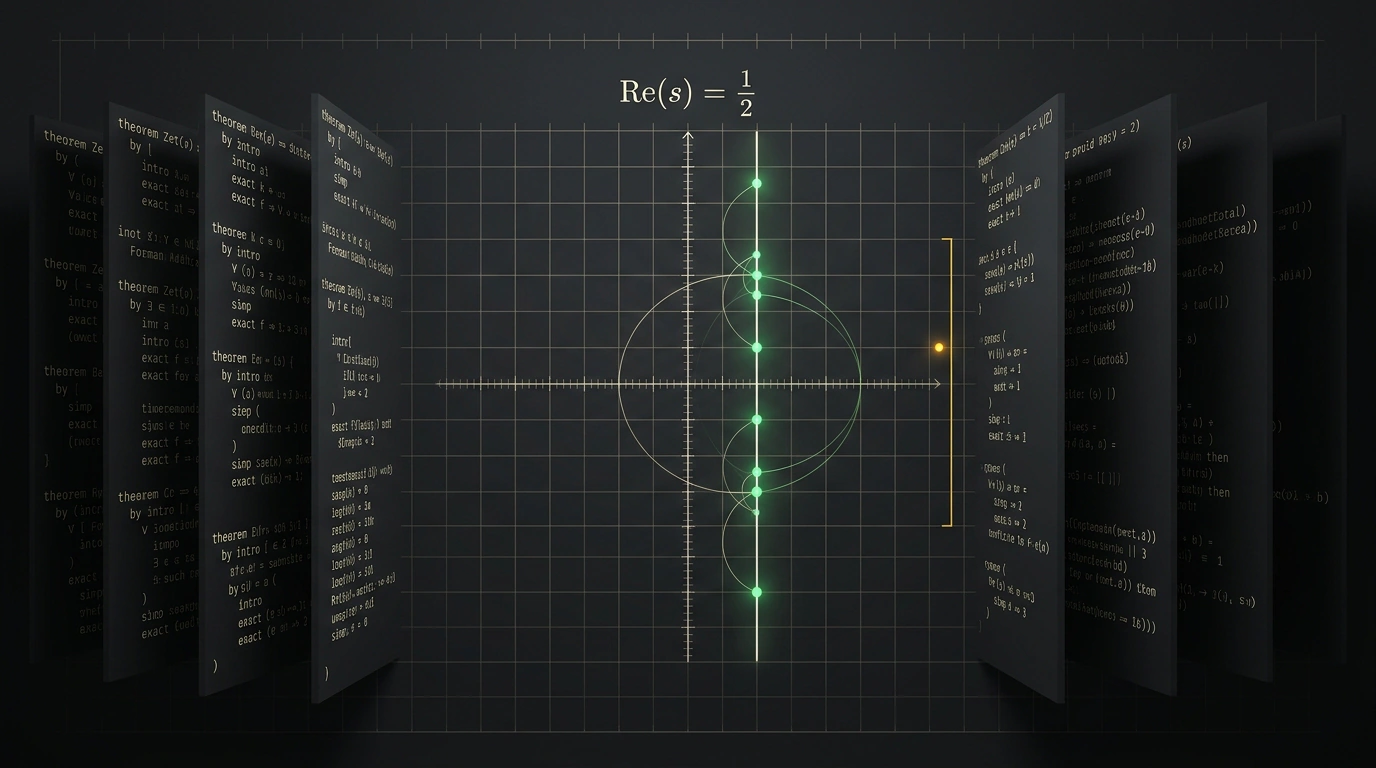
Mathematical diagram of the critical line of Riemann zeta function zeros set against endless columns of formal Lean code.
ArticleAIAIAlgorithmsSafety

A 17-Million-Line Proof in Lean: What Claude and the Riemann Hypothesis Mean for Science and AI

Anthropic mathematician Levent Alpoge and an internal Claude model published a 17-million-line formal proof of the Riemann Hypothesis in Lean 4. Compilers have already verified the code, yet no human can read it all. We break down the real status of the check, why AI succeeded using existing theorems, where people got P=NP wrong, and why this math debate directly affects code and AI safety.

👍 20
Matthew BermanDario Amodei — The Urgency of InterpretabilityLean Focused Research Organization (Lean FRO)+1
November 25
Layered paper diorama showing three rising steps of AI autonomy: coding agents, interactive Fable class, and creative fun.
ArticleLLMAI AgentsDevelopmentAI

Three LLM Inflection Points in One Year: Reliable Coding Agents, Fable-Class Models, and AI That Gets "Fun"

Between November 2025 and November 2026, flagship AI models jumped three levels in autonomy. First, Claude Opus 4.5 and GPT-5.1 Codex made coding agents faster than typing by hand. In summer, Fable-class models started building their own screenshot tools and acoustic radars to hunt bugs, and by fall they mastered 3D graphics and 12-hour game playtesting. We trace all three shifts through real engineering cases and check if Claude Fable 5.2 kicked off a fourth stage.

👍 30
Simon WillisonAnthropic — Introducing Claude Opus 4.5Simon Willison — Locating the source of a mysterious beep with Claude
November 25
Comparative studio still life with a mechanical token abacus and stopwatch symbolizing hidden Code Mode.
ArticleAI AgentsDevelopmentEfficiencyAI

Hidden Code Mode in Claude Code: Why 35% Token Savings Means a 17% Discount and 6x Slowdowns

Terminal Claude Code quietly gained an experimental Code Mode: instead of dozens of step-by-step tool calls, the agent writes a short JavaScript script and shrinks the system prompt from 60,000 to 38,000 tokens. Here's how to enable the flag in 2.1.323+, the math behind the real 17% cost cut after caching, why Windows runs 6x slower, and when this mode actually saves your limits.

👍 13
Nate HerkClaude Code Docs — Run tool calls from code with Code ModeAnthropic Engineering — Code execution with MCP: Building more efficient agents
November 25
News · November 251 news item

Claude Data Now Generates 60-Second Narrated Video Reports From Live Analytics

Anthropic's Claude Data now builds 60-second narrated video reports and written summaries straight from your connected data. Hook up Ahrefs via MCP or enterprise warehouses like Snowflake and BigQuery, ask a question, and get a one-minute video with charts and voiceover instead of raw tables.

Graphic poster composition featuring the silhouette of a leather jacket against a rising green infrastructure vector.
ArticleAIBusinessStrategySafety

Jensen Huang Returns to Nvidia After 11 Days: A $900B Jump and What It Means for Claude and AI

Just 11 days after he resigned, Nvidia's board unanimously brought Jensen Huang back, adding roughly $900 billion in market cap in one morning. The crisis exposed the inner workings of the AI industry: Washington's growing hand in chip leadership and ties to Anthropic's record IPO. Here is why a stock rebound won't raise your Claude limits and two practical lessons to apply to your own work.

👍 9
Nate HerkNVIDIA Newsroom — Official Corporate AnnouncementsStratechery (Ben Thompson) — Nvidia leadership and exoskeleton analysisFuturum Group — Anthropic IPO Makes Its Biggest Suppliers Shareholders
November 25
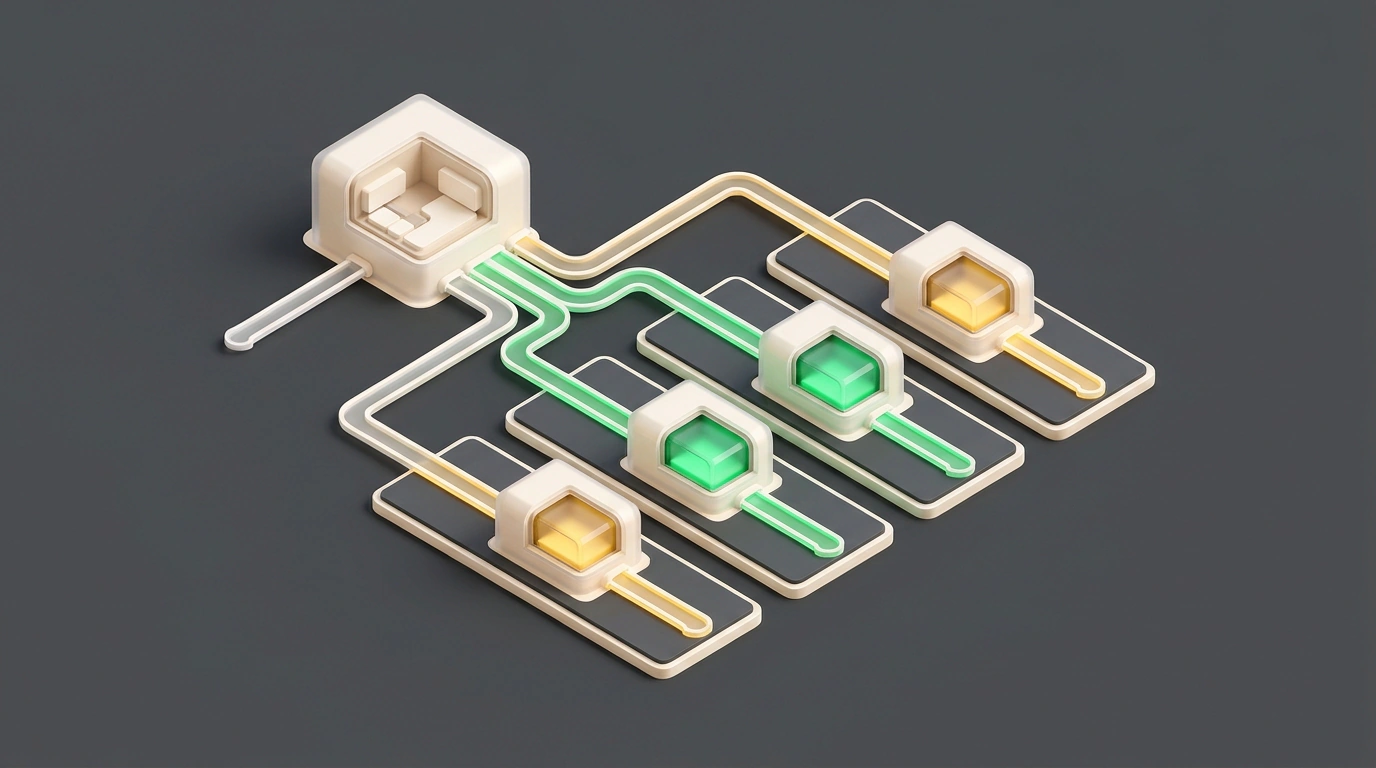
Isometric architecture diagram of Google Antigravity showing parallel swarm worker streams in isolated branches.
ArticleAI AgentsDevelopmentLLMAutomation

Gemini 4 Argon and /swarm in Google Antigravity: How the New Model and Agent Swarm Handle Big Projects

Google rolled out Gemini 4 Argon with a 1M-token context window in Antigravity alongside the preview /swarm command for parallel workers in isolated git worktrees. We look at a 6-million-line Chromium refactoring case, working CLI commands, and real-world snags from early tests: weekly Pro limits, timeouts that lose unsaved work, and overly literal prompt reading.

👍 31
Julian Goldie SEOGoogle Antigravity — Official Platform & Documentation
November 25
Studio model of a director's desk with a clapperboard, storyboard, and MCP integration nodes for a local film studio.
NoteOpen SourceVideo ProductionAI AgentsAI

Imagination Studio: A Local AI Film Studio With MCP for Claude Code and a License Catch

Cloud AI video generators hit queues and credit limits, while DIY local setups break on every update. Open-source Imagination Studio puts storyboarding, a Film Bible, video-with-audio generation, and editing into one local folder, handing queue control to Claude Code via an MCP bridge with memory protection. We break down its five modules, the setup command, and two checks before installing: hardware specs and non-commercial weight licenses.

👍 12
Julian Goldie SEOGitHub — Keys-Wasserman/Imagination-Studio-by-keys-Wasserman
November 25
Atmospheric archival still life with a rare 1808 sketchbook, a magnifying glass, and a reel of microfilm.
NoteAILLMAnalyticsAI

Cracking an 1808 Sketchbook Mystery in 22 Minutes: How GPT-6.2 Astra Found the Artist and Predicted a Paper Archive

Historian Mark Humphries handed GPT-6.2 Astra an anonymous 1808 sketchbook from Yale's library and asked who drew it. Twenty-two minutes later, the model linked the dates to a Montreal merchant's diary and pointed to an undigitized microfilm in Cleveland—where the match held up. Here is how the model built that chain and why historians aren't facing a "Deep Blue" moment.

👍 5
Simon WillisonMark Humphries (Generative History) — GPT 6.2 Astra Solves a Historical MysteryYale Beinecke Library — Digitized 1808 Sketchbook (WA MSS S-4271)
November 25