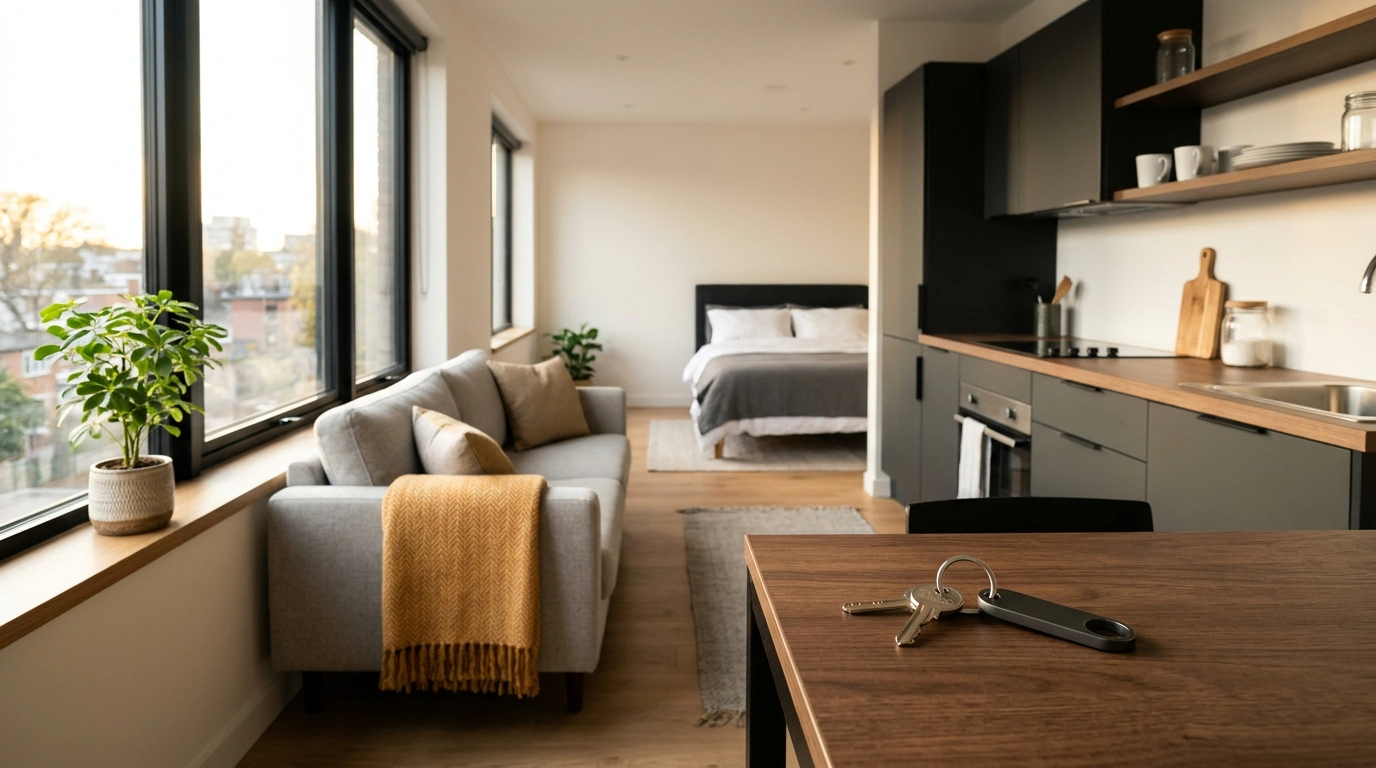
September is traditionally the hottest month of the year for long-term apartment rentals. Universities reopening and businesses picking up after summer vacations bring hundreds of thousands of students, young professionals, and relocating staff into major cities. Normally, landlords rub their hands together and hike rents by 10–15% on the wave of rush-hour demand.
Fall 2026, however, brought a surprise: Avito Real Estate analysts recorded an intriguing shift. Despite a strong influx of tenants, the national average rent settled at 34,500 rubles a month, down 5% compared to the same period last year. Let's look at why the usual playbook stopped working and how this market operates now.
Regional demand and the rush for compact layouts
User activity in September came in 13% higher than June levels and held onto July's peak highs. This time, the demand wave didn't just hit the two capitals—it rolled across major regional university and industrial hubs as well.
The top cities by growth in listing inquiries (September vs. June) were:
- Ryazan: +27%;
- Ufa: +20%;
- Lipetsk and Volgograd: +16%;
- Kazan and Tomsk: +15%;
- Ulyanovsk: +14%;
- Kirov and Nizhny Novgorod: +13%;
- Astrakhan: +12%;
- Saratov, Novosibirsk, Yaroslavl, and Kemerovo: +11%;
- Rostov-on-Don: +9%.
When it comes to apartment sizes, renters are clearly voting with their wallets for the lowest entry cost. Interest in studios jumped 19%, one-bedroom flats rose 15%, two-bedroom flats grew 13%, and demand for three-bedroom units added a modest 9%. Smaller spaces aren't just cheaper per month—they also keep utility bills down, which matters a lot to students and young specialists.
Why rates are dipping amid record activity
The main reason behind the price calm is record supply: the long-term rental showcase on Avito was 29% larger than in September 2025. Apartments in newly handed-over residential buildings—bought during the era of broad subsidized mortgage programs—have flooded onto the market. With an ongoing price gap between new builds and resale housing, many private investors chose not to sell at a discount and put their units into long-term rentals instead.
The second major shift is the surge in direct owners. Today, 55% of all rental listings on the platform are posted by property owners without realtors (up 6 percentage points over the year). In Moscow, that share reached 51%, and in St. Petersburg it matched the national 55%. Average rents in the two capitals settled at 80,100 rubles in Moscow and 44,500 rubles in St. Petersburg.
As Konstantin Kamenev, head of long-term rentals at Avito Real Estate, notes, the choice accumulated over the past year has given tenants the upper hand. Competition has moved decisively from price tags to service quality. To keep a unit occupied without costly vacancies, landlords now have to invest in fresh, tidy renovations, supply essential appliances, set up reliable internet, and offer transparent leases free of hidden fees or double security deposits. In the end, the everyday renter comes out ahead.