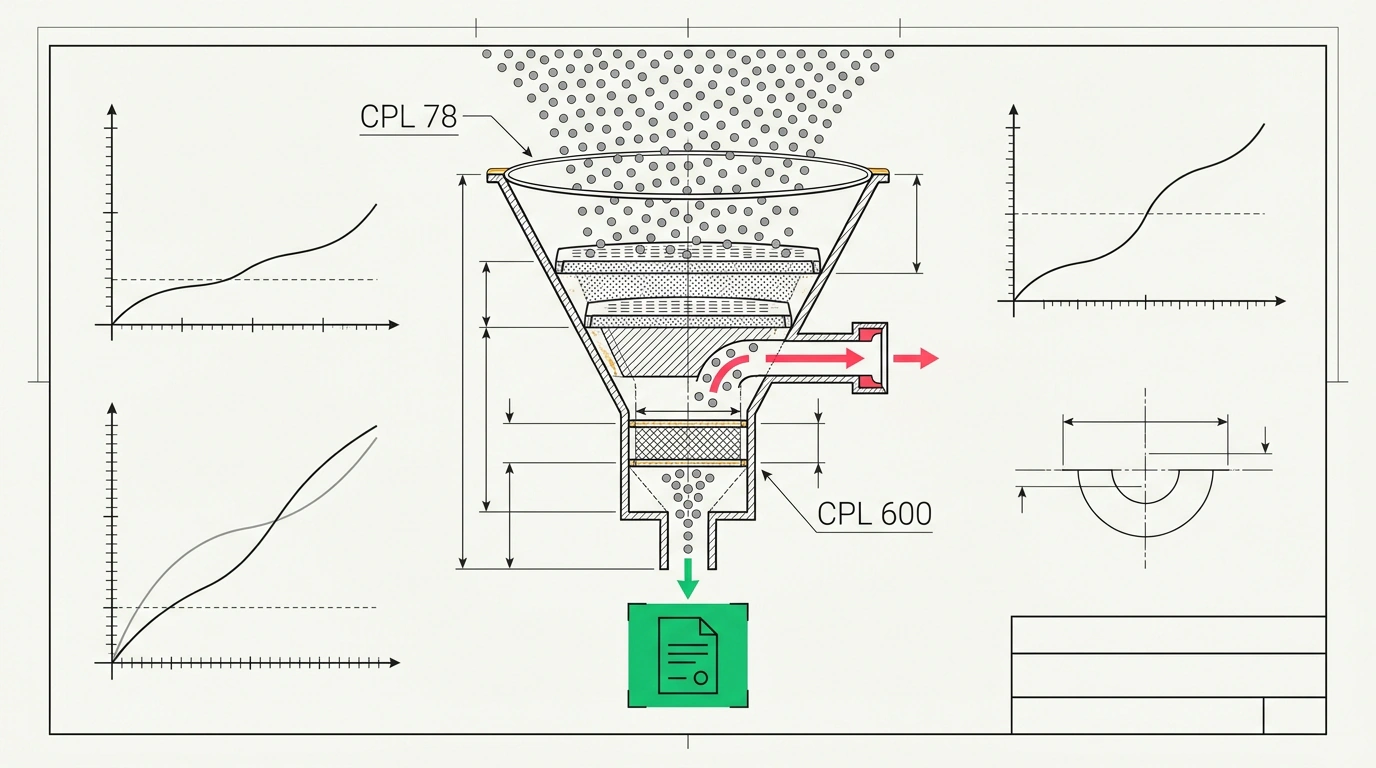
Every other marketing standup I sit through plays out the same drama: the marketer proudly pulls up a chart with a downward arrow—cost per lead (CPL) just hit a record low of 78 rubles! They stripped website forms down to a single line, opened up auto-targeting nationwide, and handed out quiz discounts left and right. On the report slide, it's a triumph. In the sales department, it's quiet hell.
B2B marketing practitioner Elena Shcheglova, who spent six years running promotion for heavy equipment rentals and sales (boom lifts, forklifts, warehouse complexes), laid out this trap with brutal clarity. At two similar companies, marketers bragged about their records: one got leads for 78 rubles, the other for just over 100 rubles. When they opened the CRM, though, those cheap leads had practically wiped out revenue.
Anatomy of an Illusion: Where Dirt-Cheap Contacts Come From
In complex B2B with multi-month sales cycles, a cheap lead always carries a hidden cost. To squeeze a 78-ruble contact out of the ad auction, a marketer has to drop the entry bar to the floor: remove company verification, turn off regional filters, and dangle vague, broad promises.
On classifieds like Avito, this mechanic triggers an instant flood: users fire off a one-click template—"Hi, is this still available?"—to twenty listings in a row. The marketer counts that as a qualified lead. The sales rep opens the card, dials the number, and discovers the person is just checking prices for a college term paper, looking for equipment 3,000 kilometers from the nearest depot, or maybe thinking about a vague tender next year.
Before long, the sales team is paralyzed: skilled closers turn into call-center operators spending hours shoveling through digital noise. And while a rep is stuck on the phone with yet another window-shopper, a real site foreman with an urgent project gives up waiting and goes to a competitor.
Back-of-the-Napkin Math: Why a 600-Ruble Lead Is Three Times More Profitable
Let's run the honest unit economics on the exact same 150,000-ruble ad budget:
- Model A (chasing a 78-ruble CPL): the campaign brings in 1,923 leads. Roughly 85% of them are pure junk, unanswered calls, and wrong numbers. Only 288 contacts have a real need (SQLs). Conversion to a paid contract is a dismal 0.3% (just 6 closed deals). Sales reps burn 256 working hours calling through that list—that's one and a half full-time employees doing nothing but sorting spam. Pure ad customer acquisition cost (CAC) shoots up to 25,000 rubles, and once you factor in sales payroll, it tops 38,000 rubles.
- Model B (strict qualification at a 600-ruble CPL): tight filters up front cut volume to just 250 leads—7.7 times fewer! But 70% of them (175 contacts) are actual decision-makers. Deal conversion hits 8%, delivering 20 signed contracts. Reps spend only 62 hours on substantive negotiations, and pure ad CAC drops to 7,500 rubles.
To screen out idle traffic before anyone picks up the phone, add three required fields to your form: customer status (legal entity or sole proprietor), specific project region, and planned site launch date. Casual browsers will bounce on their own, and only prospects with real budgets will reach your reps.
As we covered in detail in our breakdown on syncing marketing and B2B sales, the only way to stop the war between departments is to stop rewarding marketers for raw "headcount" and tie their KPIs to cost per SQL and final revenue. Feed closed-stage CRM data back into your ad platforms, and automated bidding will start hunting for paying buyers instead of free-consultation seekers.