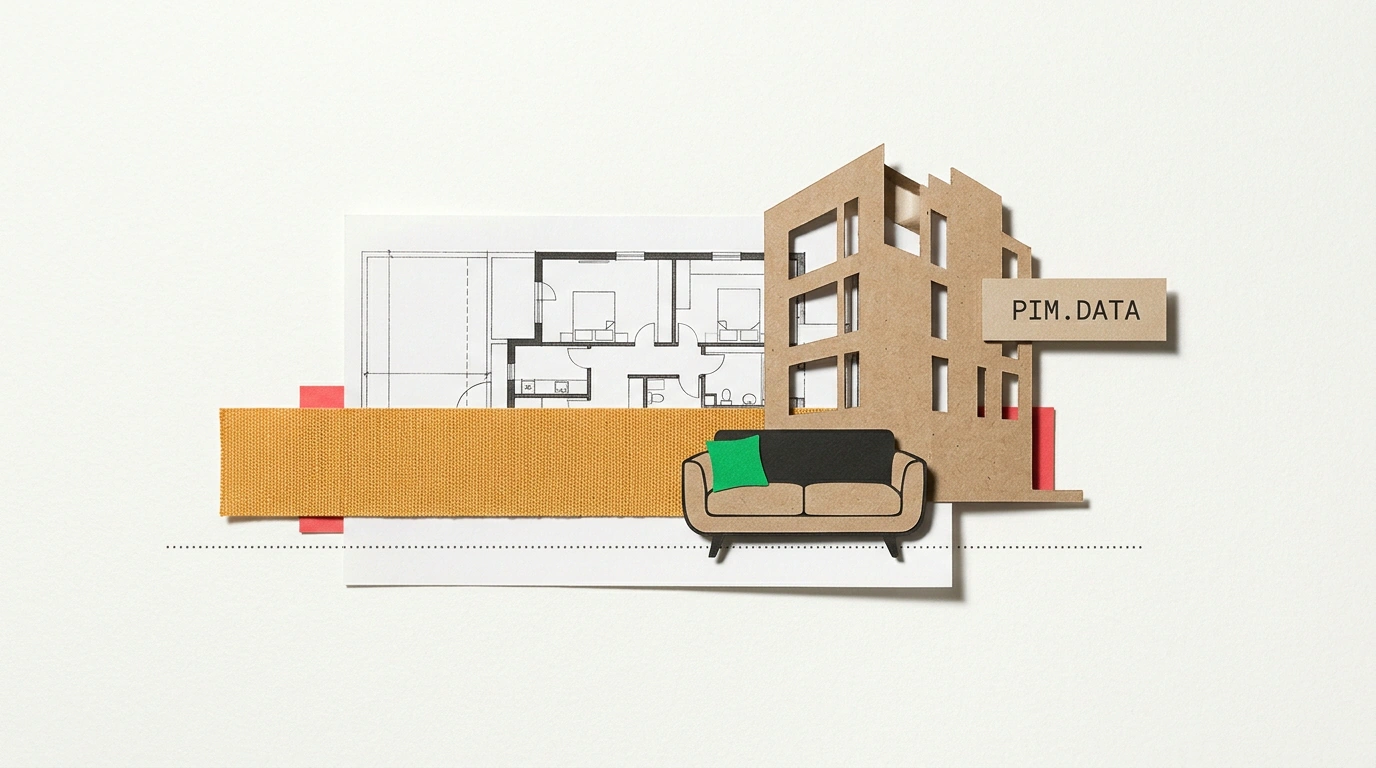
Anyone who has ever run display ads in Yandex Advertising Network (RSYA) for high-consideration products (furniture, renovations, kitchens, real estate) knows that sinking feeling. You load up high-intent keywords like "buy corner sofa," set a solid bid... and within forty-eight hours, a third of your budget vanishes into casual mobile games, kids' quiz sites, and free classifieds boards.
A player in a mobile game accidentally taps a banner with their thumb, the system logs a click, and Direct's auto-bidding decides it just found your ideal customer. The algorithm drags calibration out for 7–10 days feeding on junk data, while manual placement exclusions turn into tilting at windmills: for every hundred gaming domains you block, two hundred new ones pop up.
The team at online furniture retailer Divan.ru, agency Kokoc Performance, and customer data platform PIM.DATA found a way to break this vicious cycle. They completely rethought audience selection—switching from declarative search queries to targeting based on objective life events.
Why a Life Trigger Beats a Search Phrase
Buying a sofa or a bed brews for weeks. Nobody buys furniture on impulse from a single click. Yet that need leaves unmistakable physical footprints in the real world:
- Final stage of renovation. If someone paid for tile, wallpaper, or laminate flooring yesterday, in three weeks they will almost certainly need wardrobes and upholstered furniture.
- Moving into a first apartment. Buyers in newly handed-over residential buildings follow a predictable furnishing sequence: bed, storage, dining area.
- Having a baby. A growing family suddenly faces room rearrangement and buying nursery furniture.
PIM.DATA builds these segments not from vague cookies or social media likes, but from hard transactional data: order histories at adjacent stores, deliveries of bulky building materials, and street addresses.
Launch Architecture and Preventing Cannibalization
The biggest trap when working with external audience segments is overlap. The same person might be finishing a renovation in a new apartment while expecting a baby. Run three separate ad groups at that person, and your campaign starts bidding against itself in Direct's internal auction, driving up your CPC.
To stop that, analysts set a strict mutual-exclusion rule: each user was forcibly assigned to only one priority segment inside Yandex Audiences. Those clean databases were then plugged into both Search and RSYA campaigns.
Three-Month Results: Clean Unit Economics
Comparing the control group (standard furniture-keyword campaigns) against the life-trigger test group showed a night-and-day difference:
- Share of clean target traffic hit 80–90% from day one (versus the usual 10–20% in baseline campaigns), while page depth jumped by a third.
- Auto-bidding stabilization time shrank from a painful 7–10 days down to 24–48 hours: the algorithm got clean signals right away and learned without skew.
- Cost per action (CPA) dropped by 25–30%, and ad spend share (ASO/DRR) fell by 18–22%.
- Average order value rose 12–15% because ads reached solvent new homeowners instead of random mobile puzzle players.
When a life-stage audience starts to burn out, don't pad your keyword list with broad, loosely related phrases. Plug in fresh behavioral triggers or lookalike (LAL) audiences built from your highest-ticket buyers—that keeps CPA inside your target corridor.
As we covered in our breakdown on optimizing traffic in RSYA networks, modern performance marketing isn't won by manually swatting negative placements—it's won on the accuracy of your input audience data. The cleaner the signals you feed the algorithms, the less every real order at checkout costs you.