For years, marketing clung to a comforting stereotype: to hit the jackpot with creator ads, you save up 300,000 rubles, go to a million-subscriber influencer, drop one flashy post with a promo code, and count orders in your CRM the next morning. In practice, betting on a single "shot" increasingly ends in silence from the sales team and disappointment with the channel. One-off placements with major bloggers have stopped paying back directly—and it's not because people stopped trusting creators.
Analyzing a fresh review by eLama content marketer Ekaterina Pasmurtseva based on the conference "Influencer Marketing of the Future: Ads in Max, Content Factories, and Media Mix" and Maria Protsenko's talk, I caught the core shift: the market no longer forgives isolated buys. In 2027, the winners will be those who build a continuous system of touchpoints around influencers. How do you reassemble your media mix so your budget compounds over time and customer acquisition cost drops?
The Attention Economy: Why the 95/5 Rule Puts an End to One-Off Integrations
The reason single posts fail lies in the nature of demand. Professor John Dawes of the Ehrenberg-Bass Institute, together with analysts at The B2B Institute, formulated the 95/5 rule: at any given moment, only about 5% of your target audience is ready to buy right now. In B2B, companies switch vendors roughly once every five years—yielding the same 5% of active buyers per quarter (20% per year). The remaining 95% are "out of market": their current equipment still works, they haven't saved up a mortgage down payment, or they don't yet have an urgent need.
A one-off post shouting "Buy at a discount today!" reaches only that narrow 5%, flying right past the other ninety-five.
If someone isn't shopping today, they will forget a single sponsored post by tomorrow. But if you systematically warm up that 95% and build mental availability for your brand, then when demand matures, your product surfaces in memory first—according to Dawes, up to 90% of deals go to companies already on the buyer's "Day One List." We have already seen how the line between brand and performance advertising is blurring in digital, and in creator partnerships this link drives the first two trends:
- Trend 1. Combining different formats into a system. Instead of isolated placements, you assemble a three-tool chain. When launching a new home appliance, seeding in relevant channels delivers a direct offer and site link; creator reviews show the appliance in everyday use; and a content factory fills feeds with short user-generated videos (UGC) across varied scenarios. A buyer first spots the product in a short video, then watches a creator breakdown, and later clicks a link from a seeded post.
- Trend 2. Choosing channels around the audience's life context. Narrow niche communities overheat quickly at auction, even though your customers read other media every day: a homebuyer follows local city news, and a future blender owner looks up recipes. Telega.in experts recommend splitting a test basket 60/30/10: 60% direct target channels (e.g., real estate), 30% adjacent topics (renovation, interior design, home improvement), and 10% local city news.
A contextual split hits straight at the wallet.
Look at the case of developer Sarmat and the WOWBLOGGER platform from Maria Protsenko's presentation. To find homebuyers, they placed seeded posts across 26 local Telegram channels and city media. Over 10 days, the campaign racked up more than 700,000 views at 0.55 rubles each, and customer acquisition cost the developer 3,728 rubles—38–54% cheaper than other channels.
From a Flash to a Habit: Why Post Series Deliver a Compounding Sales Effect
You might reasonably ask: "We picked channels using the 60/30/10 formula, but how do we nudge someone to submit a lead for a complex or expensive product?" Here, cumulative trust takes over. If instead of one 300,000-ruble post with a distant mega-influencer you spread that same budget across a series of ten 30,000-ruble placements with relatable creators, the funnel economics change dramatically. That is the foundation of trends three and four:
- Trend 3. Working with live communities around creators. View counts in a profile header are useless if viewers only drop in for a random clip and stay silent. Sales happen where a real community has formed around the blogger: people debate in the channel chat, share experience, and ask for advice. Promoting a service for entrepreneurs? Go to a creator whose comments are full of operations talk. Selling hiking gear? Look for a practitioner breaking down equipment after trail trips. Lock the goal, verified product traits, and constraints into the brief, but don't force a brochure script—fakeness kills trust.
- Trend 4. Shifting from one-off integrations to post series with a single creator. When a product requires consideration, arguments are paced across stages: the first post introduces the brand, the second shows personal hands-on experience, and the third answers subscriber questions. You can't repeat the same ad copy three times—each installment must bring fresh value, up to releasing a joint guide with the creator.
A single post sparks curiosity; a series closes the deal.
In the dietology.live campaign, nine bloggers first went through a consultation themselves and then shared their experience across a series of posts. The first stage brought 380 leads at 269 rubles each, with the strongest conversions coming specifically from the second and third touchpoints with the same creator. To measure returns on chains like these accurately, set up end-to-end ROI analytics for influencer marketing ahead of time.
Content Factory and Niche Channels: Step-by-Step Architecture of a Systemic Media Mix
One production question remains: where do you get enough content for regular contact with 95% of your audience without an in-house video studio? If you shoot every clip with full production, your budget burns on filming; so video output has to be handed to a pool of creators while traffic is spread across niche platforms. The final four trends from eLama's review tie this assembly line together:
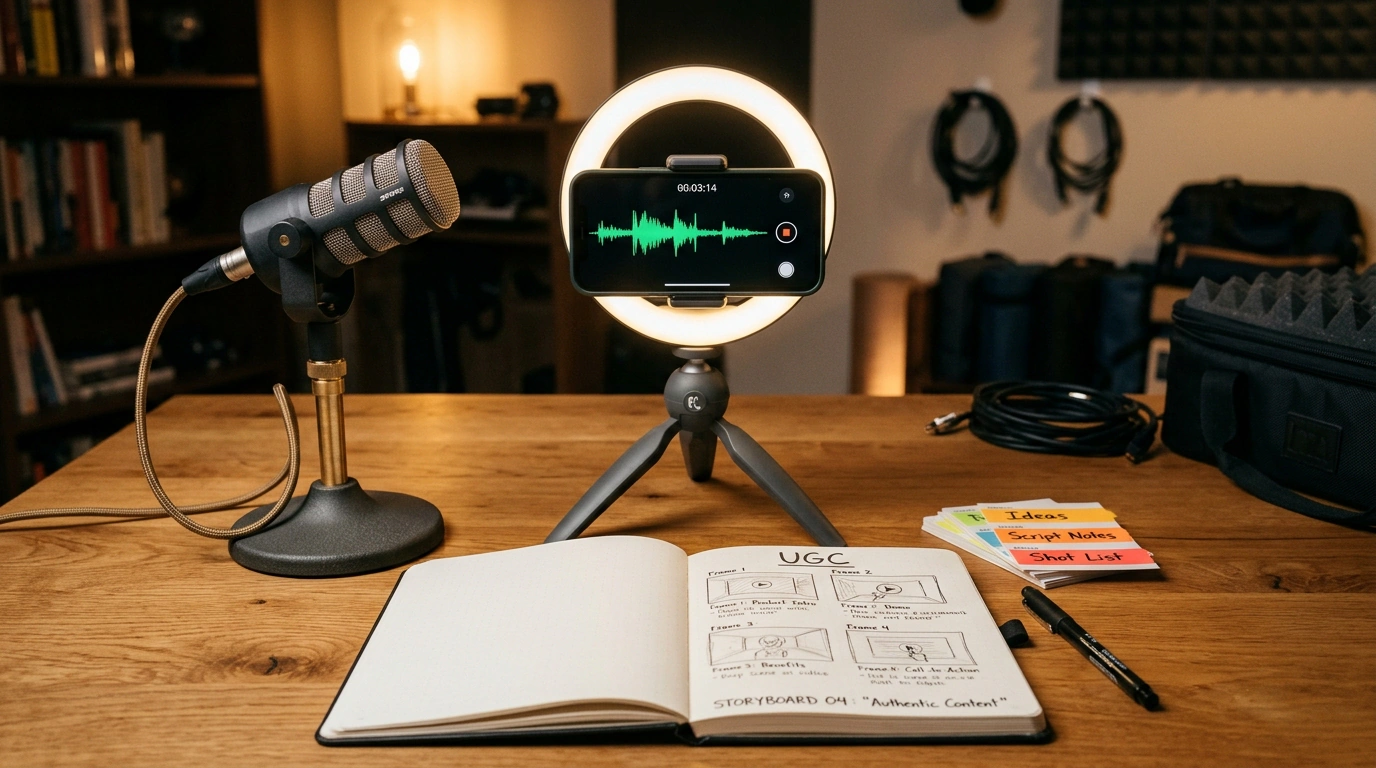
- Trend 5. Launching a short-video content factory. Several creators regularly film and publish vertical UGC clips (Reels, VK Clips, Shorts) on their own accounts. For a kitchen appliance brand, one creator makes breakfast, a second cooks family dinner, and a third shows how easy it is to clean. Through platforms like WOWBLOGGER, this pipeline keeps cost per view (CPV) under 1 ruble, while buying usage rights to top-performing clips lets the brand repurpose them in paid ads, on the website, and on product pages.
- Trend 6. Testing hypotheses to find viral formats. You can't guess a viral plot in advance, so around 20% of the first-wave budget goes toward testing ideas with smaller creators. Are buyers asking if a container leaks in a bag? Shoot three plots: a commute test, packing an office lunch, and an upside-down shake test. For comedy sketches, pick creators experienced in humor and watch the comments: if viewers only discuss the joke, strengthen the product's role before scaling the remaining 80% of the budget.
- Trend 7. Betting on small and niche channels. Small thematic and local communities deliver a more engaged audience at a low post price. Sometimes unexpected sources pay off: in a case from agency Voronka, real estate leads came from local breaking-news channels read by an adult city audience.
- Trend 8. Adapting to restrictions and new platforms. On December 31, 2026, the transition period ends during which FAS is not enforcing liability for ads in Telegram. To avoid relying on a single social network in 2027, start testing seeding in Max, integrations and clips in VKontakte, and video and streaming services right now, comparing lead cost and quality separately.
A system always beats a standalone creative.
Four Questions to Audit Your 2027 Influencer Strategy
- Which arguments is the customer missing? List recurring doubts from comments and sales calls, and weave answers into the second and third touchpoints of your series.
- Where else does your audience hang out? Expand your media plan using the 60/30/10 split into adjacent topics and city channels.
- Which storylines already hooked viewers? Pick clips that sparked product questions and hand those scripts to your content factory for replication with usage rights.
- Have you reduced dependence on one platform? Calculate the share of leads from your main source and test backup funnels in Max and VKontakte before the end of 2026.
Still, let me warn you against extremes: knowing eight trends is no reason to tear down working campaigns Monday morning and dump all your working capital into buying hundreds of Reels across every messenger at once. Fanaticism in marketing burns cash just as fast as stagnation. On a modest budget, start with one goal and one simple tool: check whether seeding in a few city channels brings leads at an acceptable price, lock in your target CPA ceiling, and only after a successful test calmly layer on review series and a short-video factory.