When marketplaces began systematically cutting the loyal customer discount (SPP), a wave of panic swept through sellers with an average ticket of 1,500–3,000 rubles. Previously, platforms subsidized up to 20–25% of an item's price out of their own pocket, making the offer attractive to buyers without cutting seller revenue. As soon as subsidies dried up, shoppers started saving, while sellers began slashing their own prices and pouring more and more money into ads just to hold positions. In our previous piece on unit economics formulas, we already warned against operating on outdated financial templates.
Against this turbulent backdrop, however, some entrepreneurs found a counterintuitive strategy: moving into the ultra-cheap segment of goods priced under 300 rubles. At first glance, selling penny knick-knacks looks like madness—after all, profit per unit is measured in tens of rubles. Yet hard sales data shows the opposite: a well-built store on Wildberries and Ozon with items priced at 180–290 rubles per unit can generate up to 9 million rubles in net revenue per month while keeping its advertising-to-revenue ratio (DRR) at a phenomenal 3%.
Segment Anatomy: Consumables, Small Goods, and Pure Organics
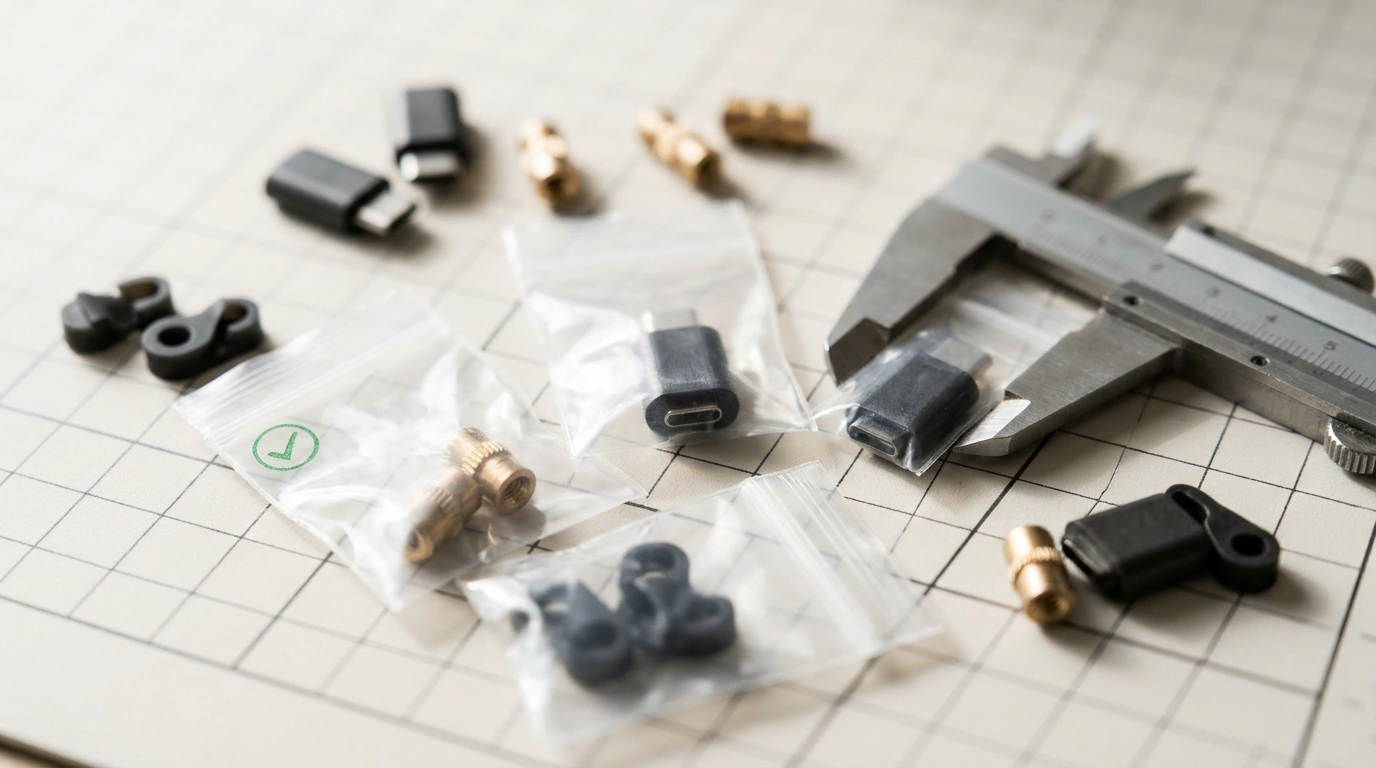
What is the secret to such efficiency? First and foremost, purchase psychology. An item priced at 200–250 rubles falls into the category of mindless impulse demand. A buyer doesn't spend hours reading reviews, comparing brands, or waiting for seasonal sales: they simply toss consumables, car clips, wire cutters, adapters, hair ties, protective caps, or sewing hardware into their cart to top up an order for free delivery or solve an immediate household need.
With this demand mechanic, there is no need to fight in bloody ad auctions. A product card with a high rating and hundreds of positive reviews quickly climbs to the first pages of organic search for long-tail queries. Buyers find it on their own, and organic traffic holds DRR at 3–5%, while apparel and electronics sellers burn up to 20% of revenue on ads.
Penny-Ticket Economics: Purchase Volume and the Logistics Barrier
Don't rush off after the first cheap batch you see, though: this strategy hides a snag that sinks inexperienced newcomers immediately. Its name is the marketplace's base logistics rate.
Platforms have a minimum fee floor for delivering a single unit to a pickup point (usually 50 to 80 rubles per base liter). If your 250-ruble item has a box volume of a couple of liters or weighs half a kilogram, logistics and platform commission will instantly devour the entire retail price, leaving you with a net loss. Operating in the under-300-ruble segment works only if you follow three strict rules:
- Minimal physical volume. The ideal product fits in the palm of your hand and weighs up to 50–100 grams (packed in a zip-lock bag or compact blister). That way you stay within the minimum delivery rate.
- Rock-bottom factory pricing. Source directly from Chinese factories (1688) or local manufacturers in batches of 10,000+ units. Unit cost should be 20–40 rubles, ensuring a 5–7x markup.
- No manual kitting. Selling cheap goods by the piece only makes sense when labeling and packaging are automated or handled by the supplier back in China. If you spend time packing every little bag by hand, payroll will eat the business alive.
