Issue October 11Daily digest · 7 items
In this issueReviewed 35 sources, gathered 7 items
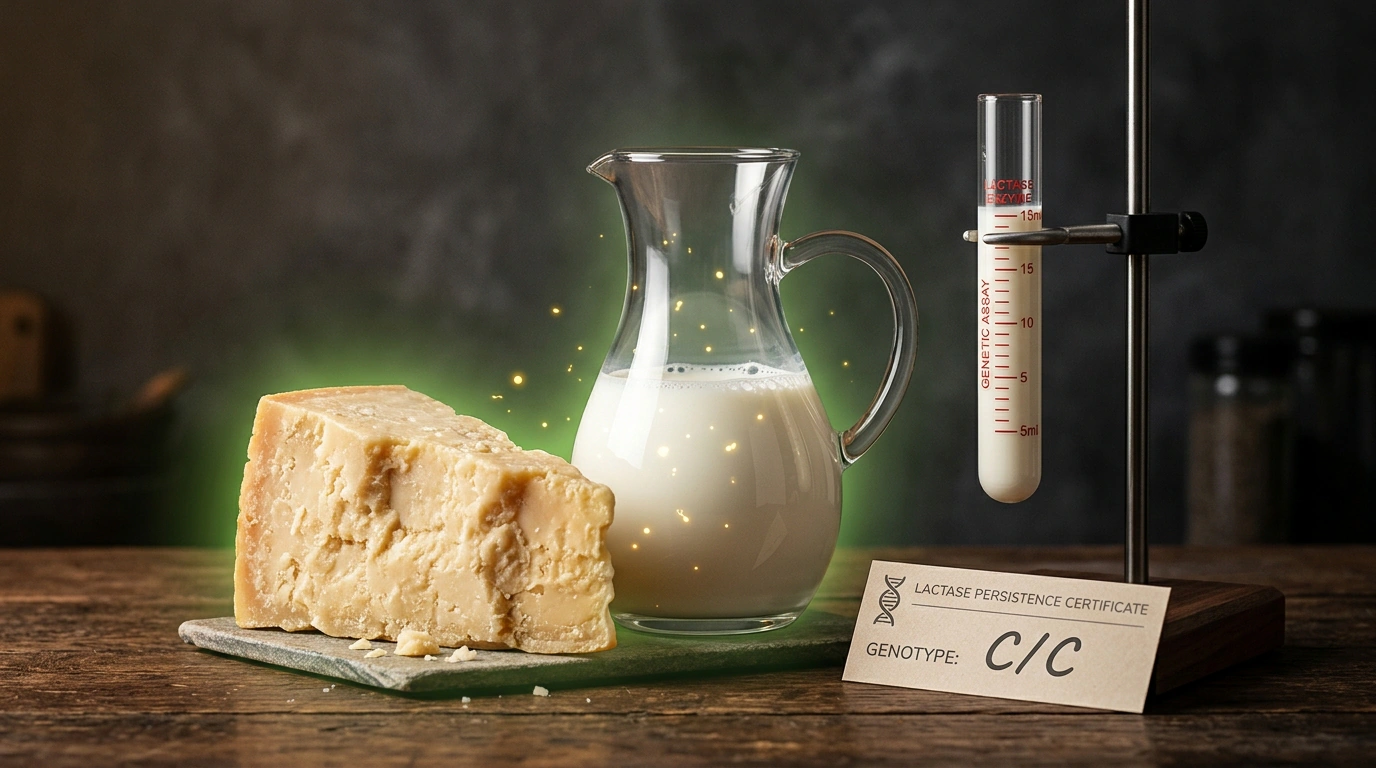
Conceptual illustration of lactose tolerance: a test tube with a C/C genetic report next to a wedge of aged cheese and a pitcher of milk on a dark graphite background.
ArticleHealthNutritionGeneticsDigestion

Lactose Genetics: Why the C/C Genotype Is No Reason to Quit Milk

Seeing a C/C genotype note on a genetic test makes many people panic and cut out cottage cheese, cheese, and morning lattes. It feels like your DNA has handed down a final verdict on your digestion.

Gastroenterologists see it differently: the C/C genotype is a natural norm for most adults, not a disease. It simply means a gradual drop in lactase, while your body can still easily digest up to 12 grams of lactose per meal—and aged cheeses contain none at all. Read on to learn why genes are not a diagnosis and how to test your real tolerance without unnecessary restrictions.


👍 0
Доктор КомиссароваEFSA / NIH Consensus: Lactose thresholds and clinical tolerance in lactase non-persistence
October 11
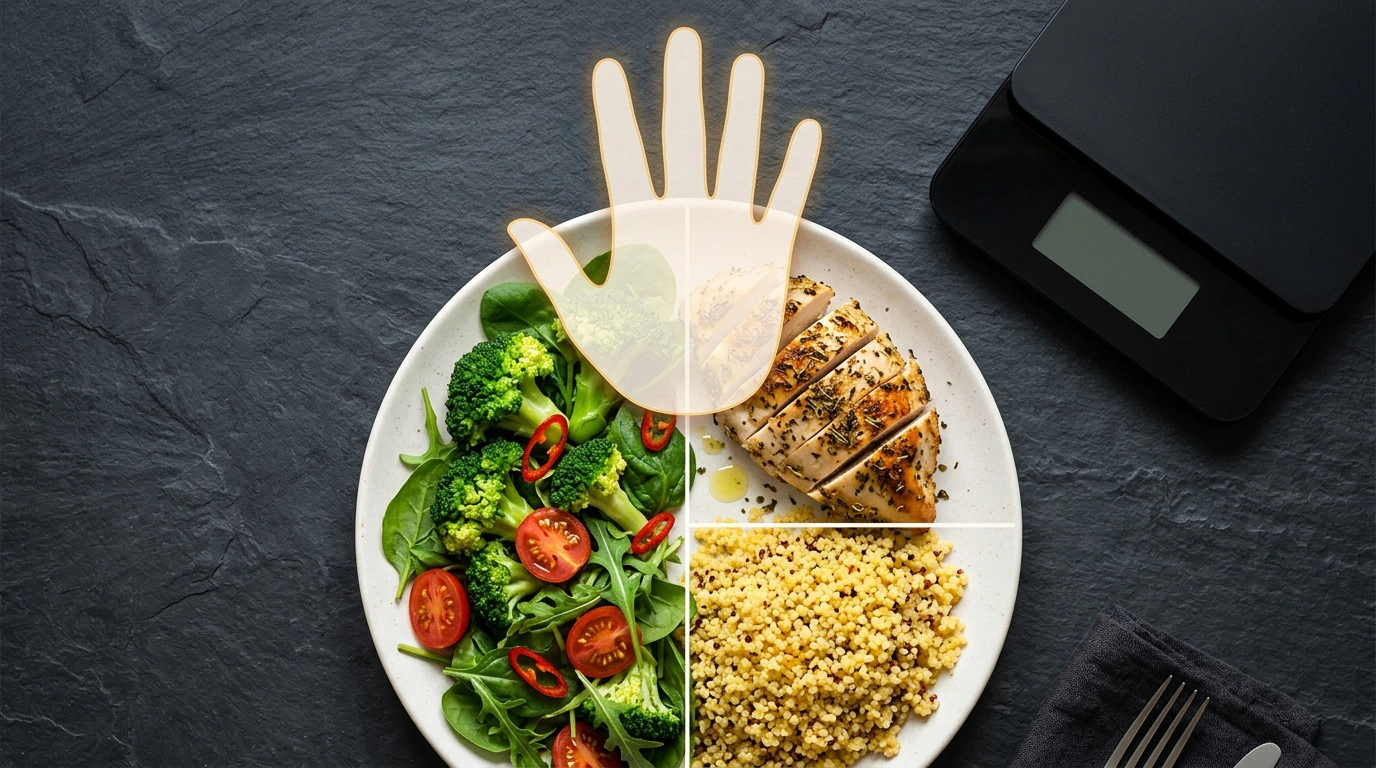
Editorial illustration of eating without weighing food: a balanced plate with vegetables and protein next to a set-aside kitchen scale on a dark graphite background.
ArticleFitnessNutritionHealthHabits

Control Without Scales: Why Calorie Counting Isn't Essential for Weight Loss

Weighing every portion on a kitchen scale and stressing at restaurants over unknown ingredients is a fast track to anxiety and binges. Losing weight doesn't have to feel like strict accounting.

Your body follows the laws of physics, not smartphone apps. Getting enough protein, eating fiber, using the balanced plate rule, and listening to fullness cues help you lose weight naturally without hunger. Check out this guide to learn simple behavioral habits that help you reach a comfortable weight and put the scale away for good.

👍 0
Тренер АртёмFDA Guidance: Food Labeling and Nutrition Accuracy Tolerances
October 11
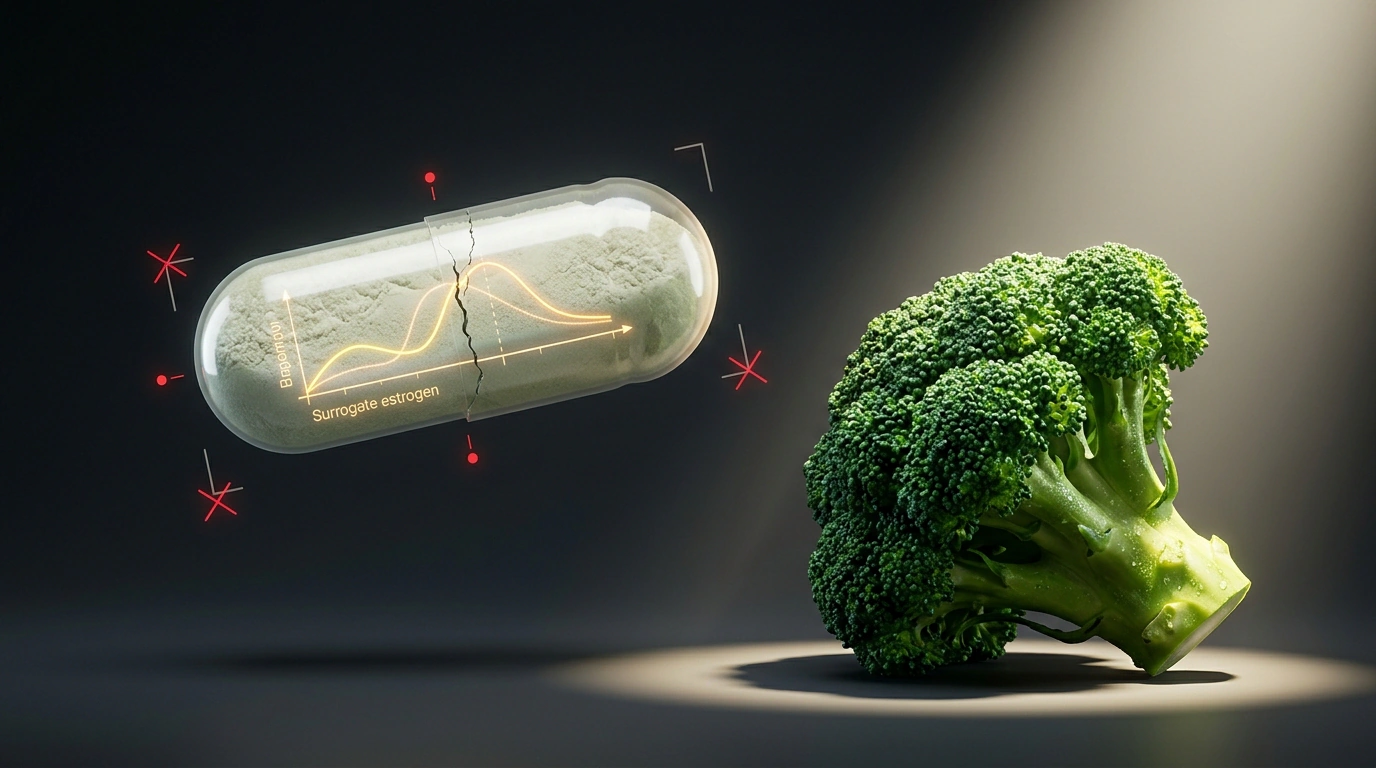
Editorial illustration on indole myths: a fresh green broccoli floret in the foreground and a transparent supplement capsule with a cracked promotional chart on a dark graphite background.
ArticleHealthDieteticsOncologyPharmacology

Indole Myths: Why Supplements Don't Prevent Cancer or Replace Broccoli

Supplement ads promise an easy miracle: one capsule of indole-3-carbinol supposedly clears out "bad estrogens" and protects against cancer. Cabbage extract in a pretty bottle looks like the ideal natural remedy.

Evidence-based medicine takes a skeptical view of these claims. Human studies haven't confirmed any anti-tumor effects from these supplements, while showing real risks for liver enzymes and how other medications are absorbed. Getting natural protective compounds from whole broccoli alongside fiber is far safer. Read this breakdown to separate scientific facts from marketing myths.

👍 0
Бородатый не пробовал...MSKCC Integrative Medicine: Indole-3-Carbinol Monograph
October 11
News · October 112 news items

Cutting Out Ultra-Processed Foods Lowers Anxiety and Depression

Cutting ultra-processed factory foods by 85% more than halved symptoms of depression and anxiety in just four weeks. In a University of California trial, patients kept their existing therapy unchanged, and researchers linked the mood improvement to reduced gut inflammation.

Getting Stuck on Thoughts Identified as a Distinct Driver of Anxiety

Psychologists at KU Leuven found that the inability to shift attention away from intrusive thoughts harms your emotional state more than having those thoughts in the first place. Practicing mindfulness skills helps break the cycle of rumination and restore a sense of control.

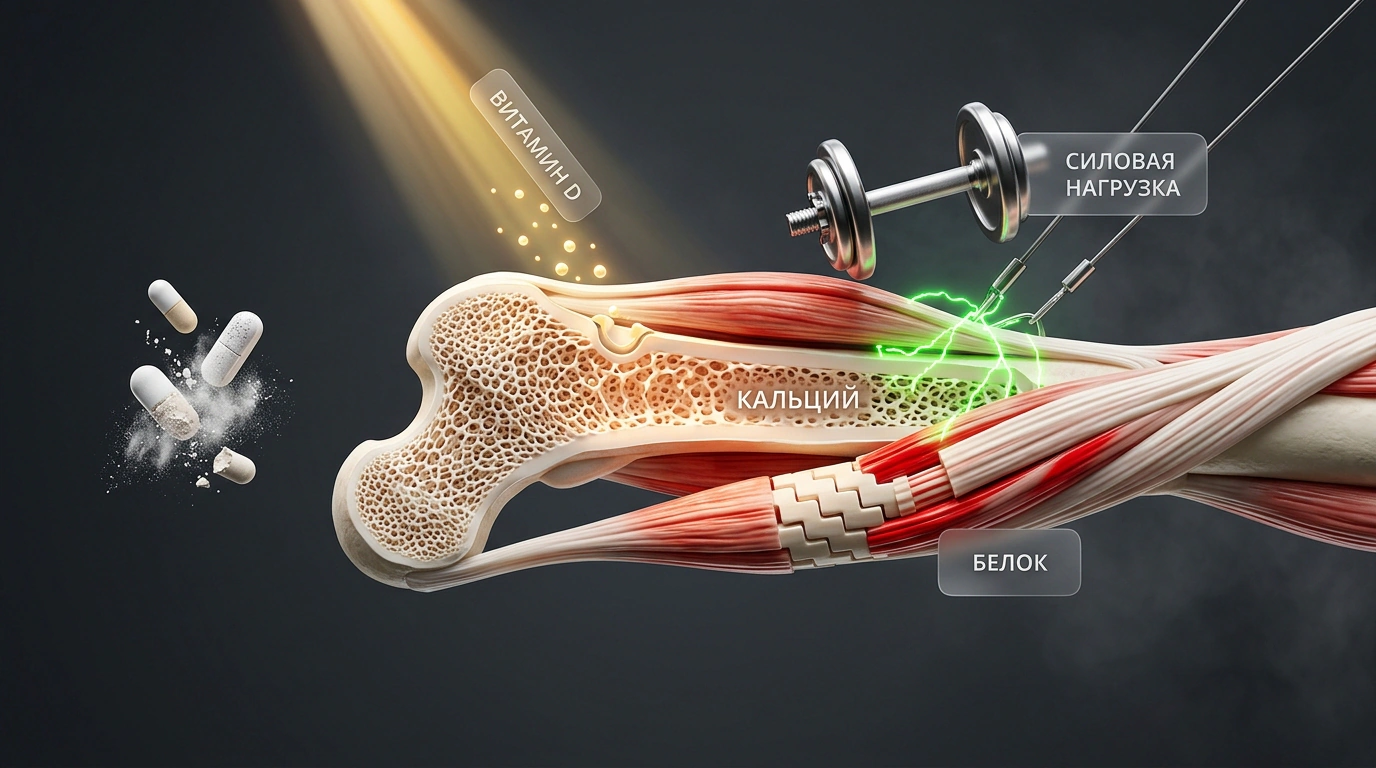
Conceptual 3D editorial illustration of skeletal and muscle strength: a biomechanical cross-section of bone and muscle fibers under resistance load with streams of protein, calcium, and vitamin D on a dark graphite background.
LongreadHealthTrainingNutritionLongevity

Bones and Muscles After 50: Why Calcium Alone Isn't Enough and Why You Need Protein and Strength Training

Many people assume that taking calcium pills is enough to prevent fragile bones as they age. Yet medical statistics are sobering: people who take calcium supplements for years break bones almost as often, while excess mineral from pills just builds up in the kidneys and blood vessels.

Bone tissue isn't just a storage bin for chalk; it's a living frame that rebuilds itself only in response to physical load. Without regular strength training and enough protein to make collagen, your bones simply can't use that calcium. Muscles and skeleton work as one system to prevent fractures and keep you mobile. Read this deep dive to learn the proven strategy for strong bones and active longevity after fifty.

👍 0
Физикл | Олег Зингилевский
October 11