Issue October 14Daily digest · 8 items
In this issueReviewed 35 sources, gathered 8 items
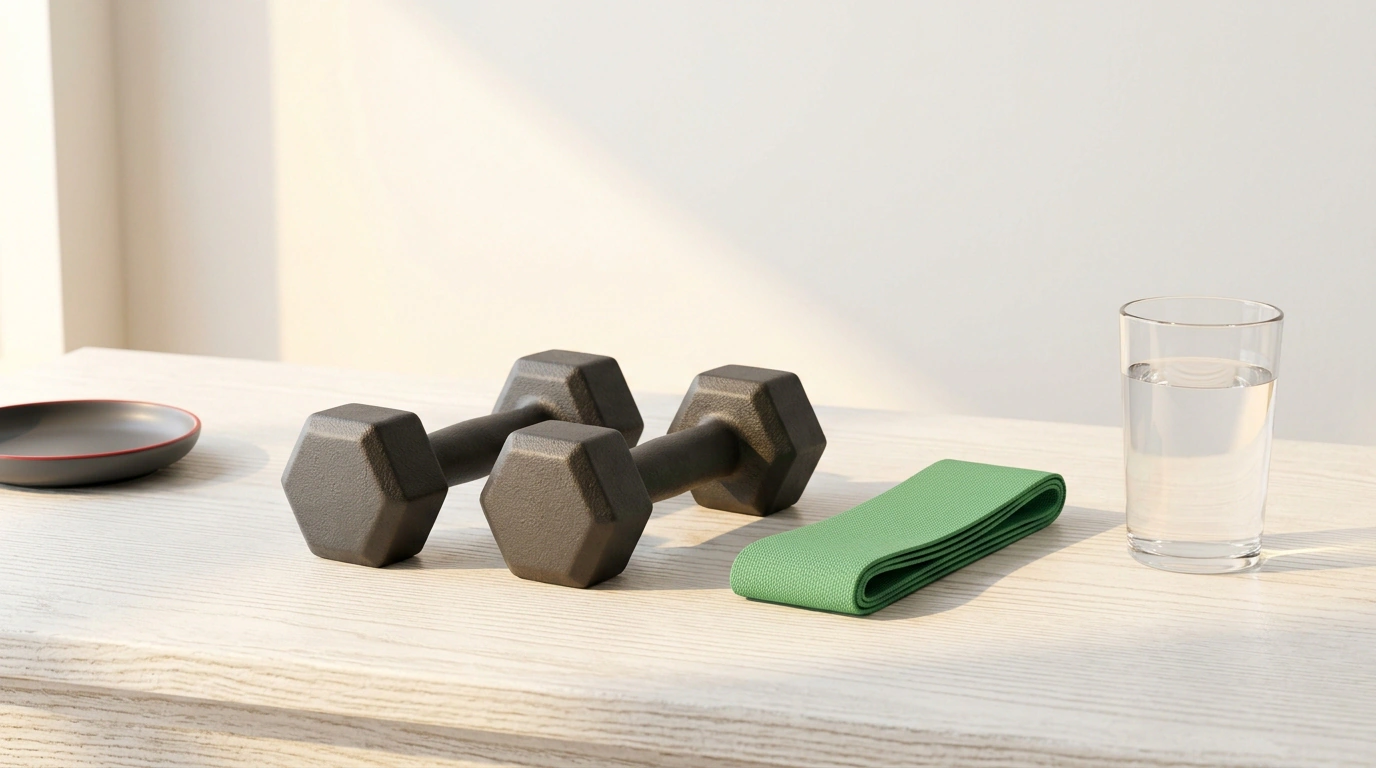
A still life with a pair of graphite cast-iron dumbbells, a green resistance band, and a glass of clear water on a light table in soft morning light.
LongreadHealthTrainingBiohackingSarcopenia

Muscles as a Metabolic Organ: Why Losing Them Is More Dangerous Than Extra Weight

When we think about muscles, we usually picture six-pack abs or sculpted biceps from fitness ads. I want to look deeper: skeletal muscles are our main metabolic organ, clearing up to 80% of blood sugar after a meal.

After age 30 to 35, we quietly lose 1% to 2% of muscle tissue each year if we don't give our bodies strength training. Worse still, the empty spaces fill with fat, causing a condition called myosteatosis. Here is how GLUT4 glucose transporters work without insulin and why a pair of dumbbells protects your blood vessels better than any strict diet.


👍 0
Максим КузнецовМаксим Кузнецов - Врач эндокринологRichter EA, Hargreaves M. Exercise, GLUT4, and Skeletal Muscle Glucose Uptake
October 14
A minimalist still life with an anatomy atlas, a glass vial, and a measuring ruler on a graphite desk surface.
ArticleHealthMythsCosmetologyBotulinum toxin

Botox and 'Anatomy Trains': Why a Forehead Injection Won't Shut Down Your Lower Back

You have probably seen viral social media clips claiming that a botulinum toxin shot in the forehead travels down fascial chains to 'shut off' your abs and weaken your pelvic floor. Creators use the 'anatomy trains' concept to warn of whole-body paralysis.

I checked those claims against an anatomy atlas and published research. Anatomists have found no continuous tissue link along the front fascial line, and botulinum toxin only diffuses 10 to 15 millimeters from the injection site. Here is how neuromuscular blocking actually works and why fascia cannot carry nerve signals.

👍 0
Бородатый не пробовал...Wilke J et al. What Is Evidence-Based About Myofascial Chains: A Systematic Review
October 14
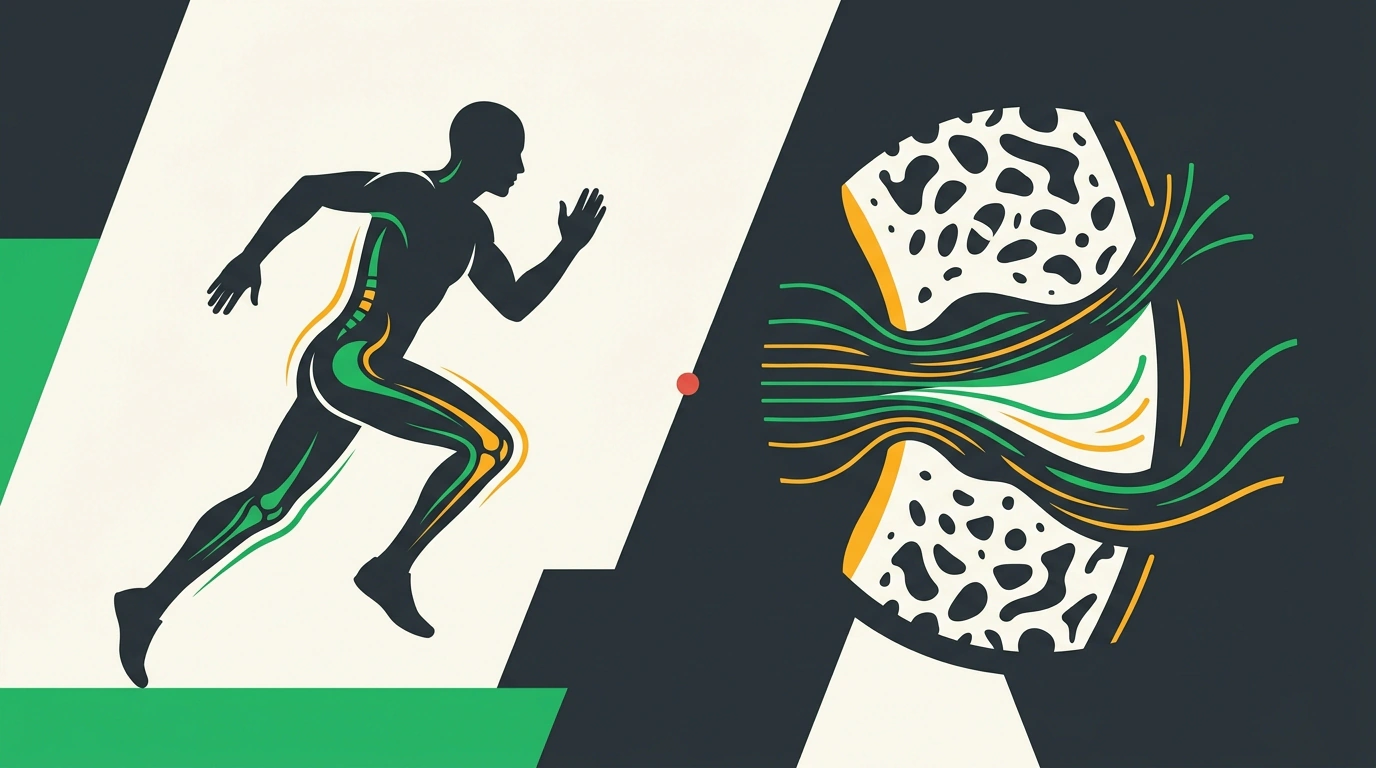
Dynamic magazine-style artwork showing a runner's silhouette and the porous structure of joint cartilage nourished by movement.
ArticleHealthTrainingFitnessKinesiophobia

Kinesiophobia: Why an Irrational Fear of Movement Destroys Joints Faster Than Squats

After 40, many people start fearing squats, bending, and running. Fitness folklore often claims that joints wear down like metal gears and that back pain calls for strict bed rest.

Biology works the opposite way: cartilage and spinal discs have no blood vessels and rely on rhythmic loading to get nutrients. Without movement, they literally starve and break down. Here is how kinesiophobia works, what MRI scans of runners show, and how to return to activity safely.

👍 0
Тренер АртёмBelavý DL et al. Running exercise strengthens the intervertebral disc
October 14
News · October 142 news items

Olive Oil Before Carbs: Why a Spoonful of Fat Blunts Blood Sugar Spikes

Researchers at Kyoto University found that taking olive oil 15 to 30 minutes before carbohydrates flattens the post-meal blood sugar spike. By triggering the hormones GLP-1 and glucagon, it slows stomach emptying, spreads out glucose absorption, and protects blood vessels from sharp insulin surges.

Running for Non-Perfectionists: How 20 Minutes a Day Becomes a Year-Round Habit

Gastroenterologist Andrey Kharitonov shares his two-year routine of running 20 minutes a day, five times a week, on a home treadmill. That schedule meets WHO activity guidelines, cuts cardiovascular mortality risk by 45%, and protects joints, with nearly three times less osteoarthritis than sedentary living.

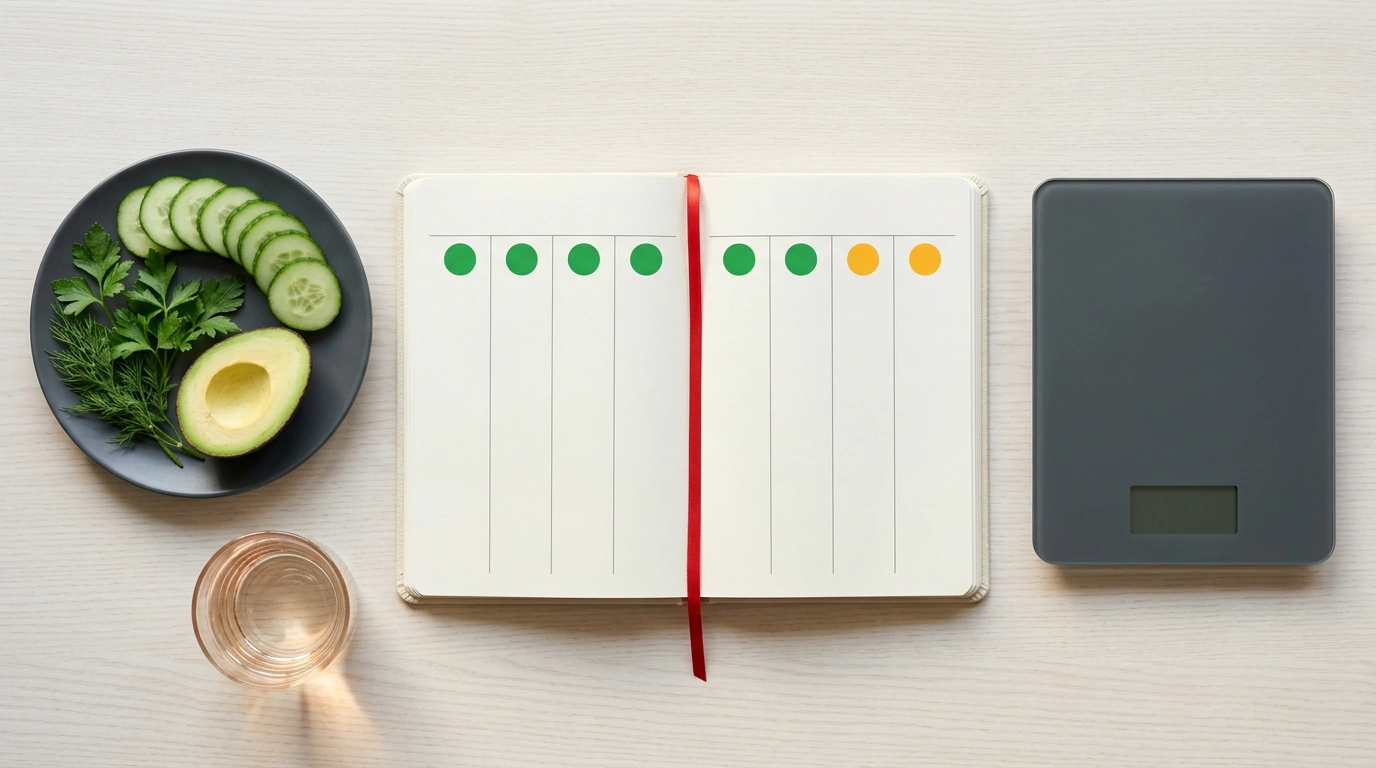
A balanced still life with a weekly meal planner grid and a ceramic plate of fresh food.
ArticleHealthNutritionNutrition ScienceWeight Loss

The Weekend Trap: How Two Days of Overeating Erase a Five-Day Calorie Deficit

Does this sound familiar? You stick to a strict diet from Monday to Friday and skip every dessert, yet the scale barely budges on Monday morning. It is tempting to blame a broken metabolism.

Thermodynamics leaves no room for mystery. Your body tracks energy balance across the whole week, not day by day: a 500 kcal daily deficit over five workdays (-2,500 kcal) is easily wiped out by a 1,250 kcal surplus on Saturday and Sunday. Here is why diet rebound happens, where glycogen water weight comes from, and how flexible restraint keeps progress steady without guilt.

👍 0
Доктор КомиссароваRacette SB et al. Influence of weekend lifestyle patterns on body weight
October 14
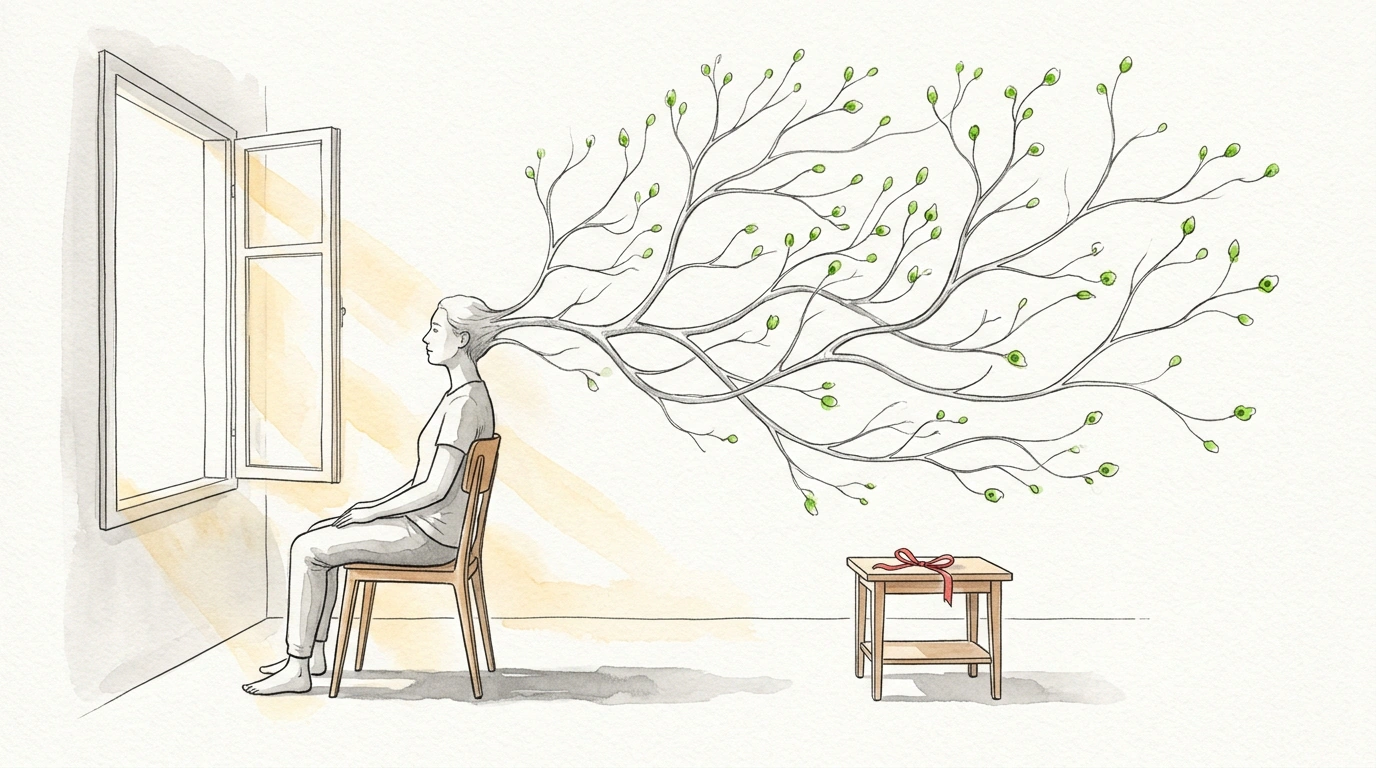
A calm watercolor study showing a person's silhouette by an open window in morning light alongside a branching neural network.
ArticleHealthBiohackingMemoryNeurogenesis

Two Hours of Silence for Your Brain: How Quiet Triggers Neurogenesis

Most of us live in constant background noise: music in earbuds, voice notes, phone alerts, and city traffic. For a long time, scientists thought complex sounds like classical music were the best way to boost memory.

Biologists at Dresden University found the opposite: new neurons in the hippocampus survive and wire into memory circuits only during silence. While Mozart stimulates cell division, quiet sensory rest is what lets those cells mature. Here is how adult neurogenesis works and why your brain needs daily quiet windows.

👍 0
Доктор Павлова, эндокринологKirste I et al. Is silence golden? Effects of auditory stimuli and their absence on adult hippocampal neurogenesis
October 14