Issue October 15Daily digest · 10 items
In this issueReviewed 35 sources, gathered 10 items
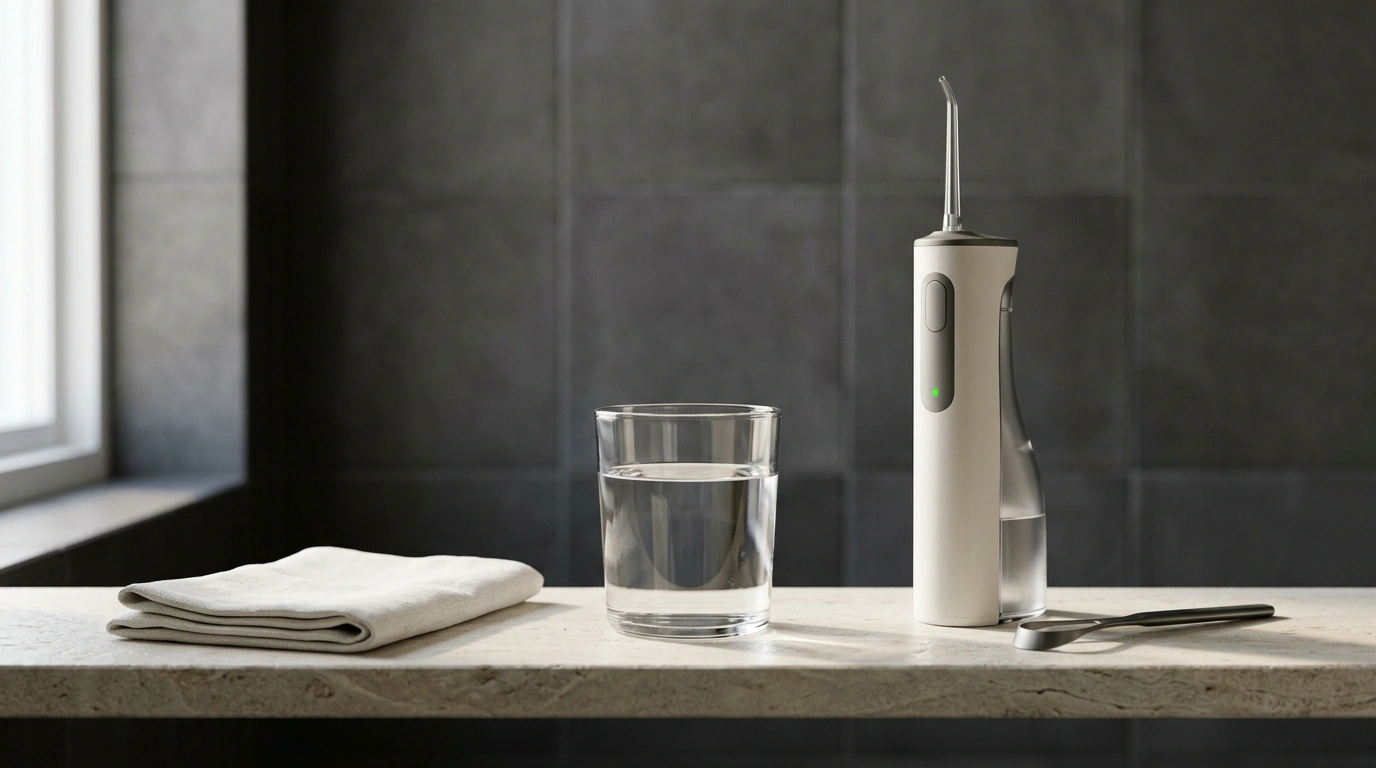
A staged still life on a marble shelf featuring a clear glass of water, a minimalist water flosser, and a tongue scraper.
ArticleHealthBiohackingENTMicrobiome

The 'sick gut' myth: why tonsil stones form and how to treat them with evidence

Spotted white lumps in your throat and noticed bad breath, only to read blogs telling you to 'cleanse your toxic gut' with binders and swish coconut oil? That's a classic trap of pseudomedical marketing.

The anatomy is much simpler: tonsil stones (tonsilloliths) form exclusively inside the crypts of your tonsils, where shed epithelial cells, tiny food particles, and anaerobic bacteria build up. Those microbes produce volatile sulfur compounds that smell like rotten eggs, while your closed esophageal sphincter physically blocks gut odors from rising into your mouth.

Systematic reviews of 25 studies found zero reliable proof that oil pulling works, and gut probiotics can't dissolve mineral salts. What actually helps is gentle hygiene, warm saline gargles after meals, and seeing an evidence-based ENT doctor instead of doing risky cleanses.

👍 0
Бородатый не пробовал...American Family Physician: Tonsillitis and Tonsilloliths
October 15
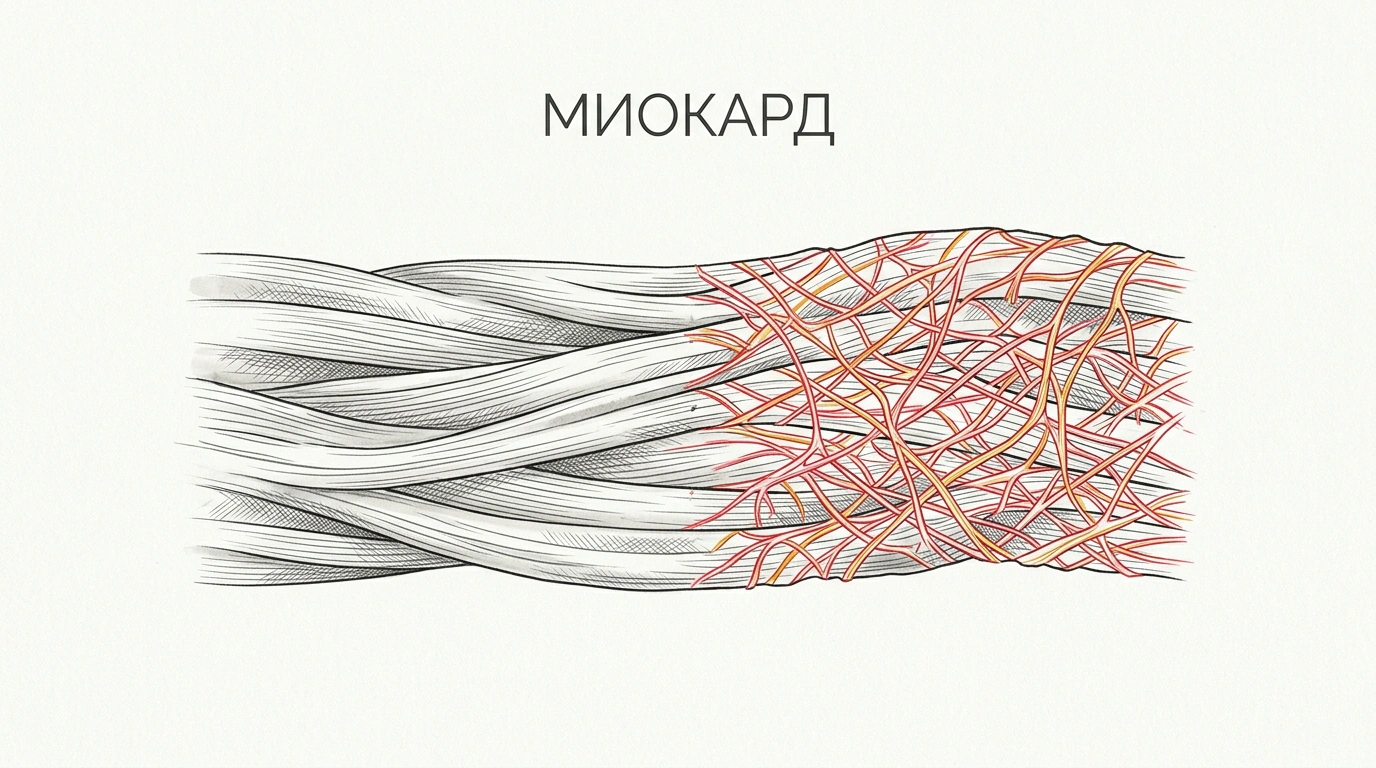
A conceptual anatomical cross-section of a heart in graphic blueprint style, contrasting elastic muscle fibers with rigid areas of fibrosis.
ArticleHealthFitnessCardiologyPharmacology

A heart on steroids: can myocardial hypertrophy and fibrosis reverse after quitting anabolics?

If you build muscle on anabolic steroids and then quit pharmacology completely, does your heart bounce back to its original healthy state? Norwegian cardiologists in a European Heart Journal study give an honest, sobering answer.

Researchers followed former and current athletes for ten years. The good news: after quitting doping completely, the left ventricular mass index drops from 112 to 91 g/m², returning to normal values. The bad news: diffuse fibrosis of the heart muscle is largely irreversible.

Excess androgens stimulate rigid collagen that replaces elastic heart muscle cells. The heart struggles to relax during diastole, and scar tissue creates hotspots for dangerous ventricular arrhythmias. Lowering doses or running 'forever cruises' doesn't help—the only way to protect your cardiovascular system is to stop completely and get regular checkups with a cardiologist.

👍 0
Доктор Утин
October 15
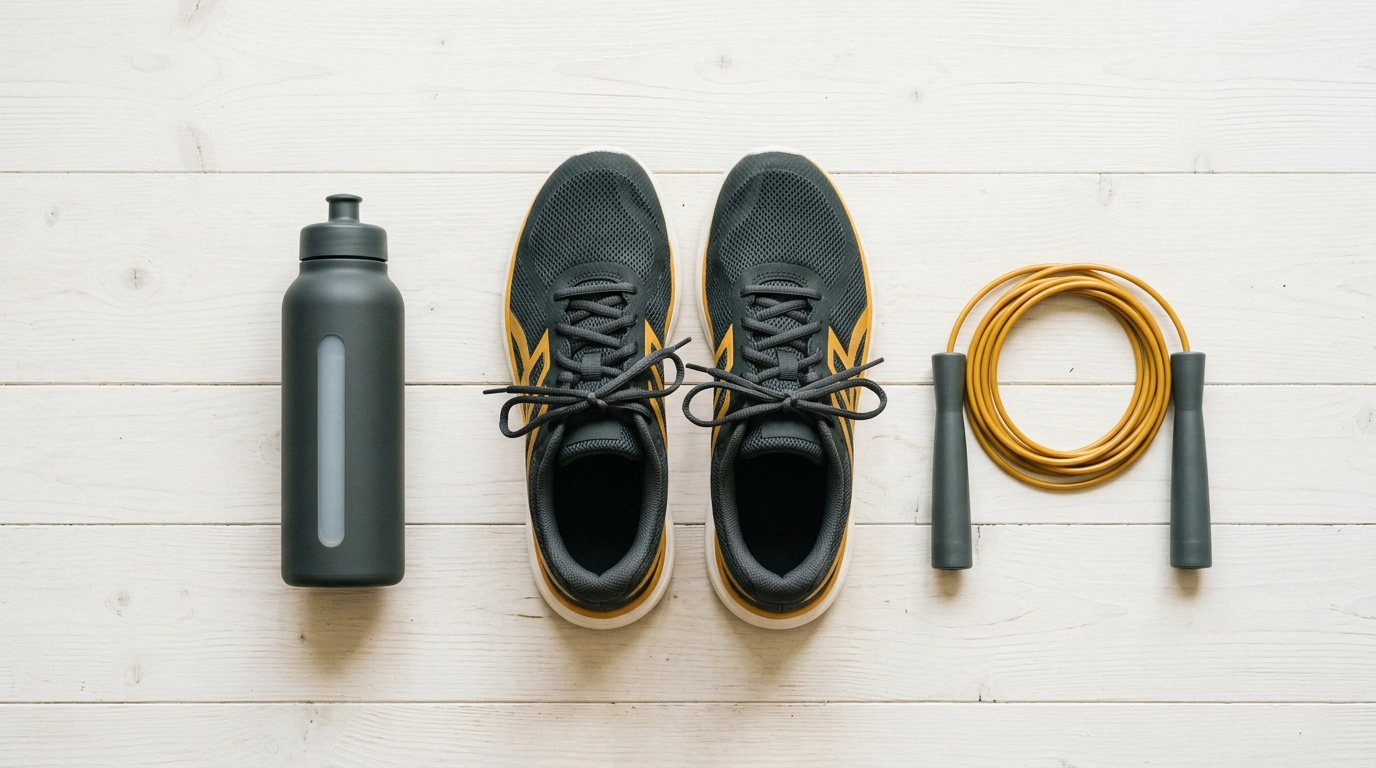
A sports flat-lay on light wooden decking featuring a pair of running shoes and a jump rope.
ArticleTrainingHealthOsteoporosisBone Density

Impact loading and bone density: why swimming and cycling can't replace running and jumping

Used to thinking that protecting your joints for longevity means cutting out all impact and sticking strictly to swimming or the elliptical? Bone biomechanics holds a surprising twist.

Your bones are a dynamic, living matrix that needs axial mechanical impact to hold onto calcium. Mechanosensing cells called osteocytes only respond to fast, dynamic deformation—without it, new bone formation goes to sleep. Swimming and cycling are great for your heart, but they carry zero osteogenic effect, leaving bones fragile against osteoporosis.

Meanwhile, recreational runners develop joint osteoarthritis nearly three times less often (3.5%) than sedentary people (10.2%). The UK osteoporosis consensus recommends about 50 controlled impacts per session—from gentle hops to light jogging—to keep your skeleton strong against age-related fractures.

👍 0
Гастроэнтеролог ХАРИТОНОВ Андрей Геннадьевич
October 15
News · October 153 news items

Vaping and the lung barrier: a study on alveolar damage and weakened antiviral defense

A National Jewish Health experiment found that even short-term vaping damages the protective barrier of the alveoli within 24 hours. Cellular stress in the lungs persists for at least 10 days after your last puff, noticeably weakening antiviral immunity and leaving your airways more vulnerable to seasonal infections.

Air pollution and sports: how high ozone hurts endurance at peak output

An experiment with 20 trained athletes showed that ground-level ozone (170 ppb) doesn't change metabolism at endurance thresholds, but at peak effort it cuts VO2 max by 3.2% and shortens time to exhaustion by 26 seconds. On hot days, it's safer to move hard speed intervals into an indoor facility with filtered air.

Nutrients study: why nutrition knowledge lowers trust in supplement ad claims

A survey of 397 people published in Nutrients showed that the more someone knows about biology and nutrition, the more skeptical they are of supplement ads. Expectations of miracle pills for memory or weight loss drop sharply as nutrition literacy rises, even though up to 40% of consumers still mistakenly view supplements as medicines.

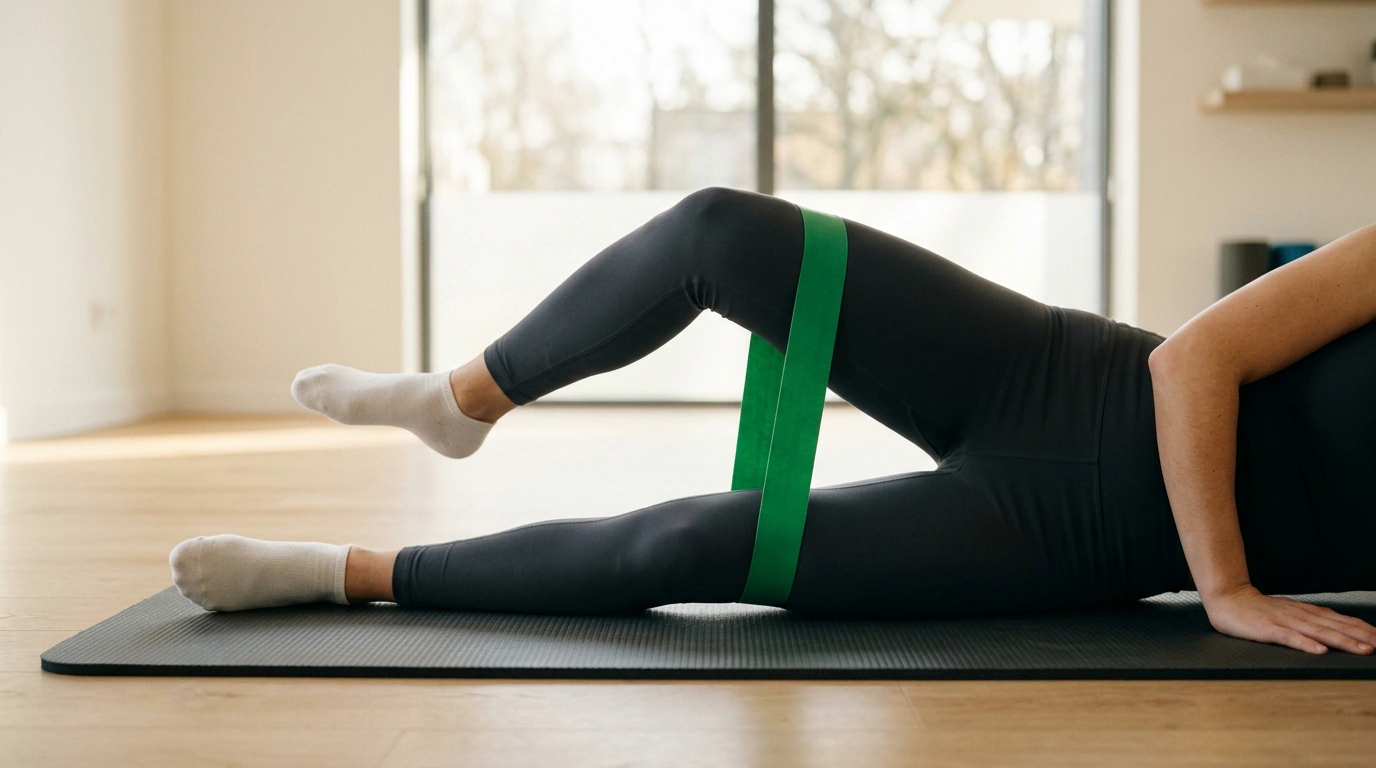
A photorealistic shot of a warm-up in a bright gym using a resistance band to strengthen thigh and knee muscles.
ArticleTrainingHealthJointsRehabilitation

Movement against osteoarthritis: a BMJ network meta-analysis on knee rehab and running myths

Knee aching, and your first instinct is to lie on the couch, wrap it in an elastic bandage, and stop moving altogether? Evidence-based orthopedics warns that complete rest only speeds up cartilage breakdown.

A large network meta-analysis in The BMJ (217 RCTs, nearly 16,000 patients with knee osteoarthritis) and Cochrane review data prove that therapeutic exercise reduces pain by 13 points out of 100 and restores mobility. Successful rehab rests on three pillars:

  • Aerobic base: walking and cycling with a high saddle boost joint-fluid circulation without overloading ligaments;
  • Glute and thigh focus: strengthening your glutes and quads centers the kneecap and absorbs up to two-thirds of impact shock;
  • The 24-hour rule: mild discomfort up to 3–4 out of 10 is fine, as long as it settles completely by the next morning.
👍 0
лёгкий зож
October 15
An evening still life on a bedside table with a ceramic mug, a paper notebook, and a fitness tracker under warm lamp light.
ArticleHealthBiohackingSleepRecovery

10 minutes of activity for deep sleep: why daily movement beats weekend workouts

Think deep sleep requires hours of grinding in the gym or long Sunday runs? A new study from the University of Texas at Austin flips conventional wisdom about nighttime rest.

Researchers tracked physical activity and sleep stages in hundreds of people continuously over several months. They found that sleep quality depends less on single brutal workouts and more on regular daily muscle engagement. Just 10 minutes of moderate activity each day reliably increases deep Non-REM sleep.

During this slow-wave stage, your brain runs glymphatic cleanup to clear neurotoxins and restores mental balance. The 'weekend warrior' approach falls short here: two short walks on weekdays give your brain a far stronger cue for deep sleep than one exhausting fitness marathon.

👍 0
FitStars: Фитнес по наукеJournal of Physical Activity and Health: Physical Activity Frequency Patterns Influence Sleep Architecture in Young Adults
October 15
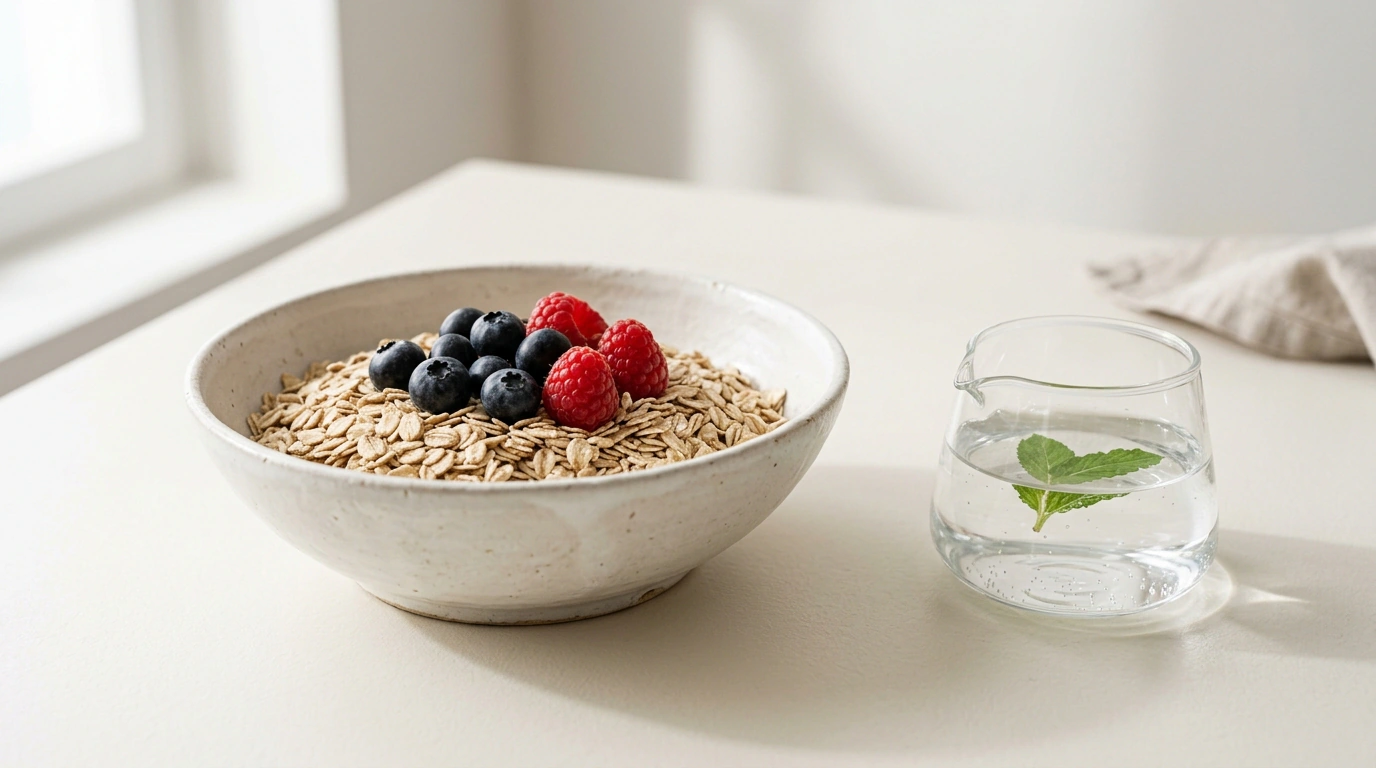
A modern editorial still life with a deep ceramic bowl of rolled oats, fresh forest berries, and a glass carafe of water.
ArticleNutritionHealthGlucoseMetabolism

The physiology of glucose spikes: why a normal post-meal rise in blood sugar isn't diabetes

The book 'Glucose Goddess' convinced millions to fear every carb, wear CGM sensors without diabetes, and buy capsules to 'flatten the curve.' Yet once you look at actual metabolism, that fear falls apart.

A brief rise in blood sugar after eating (up to 7.8 mmol/L) is a completely normal, healthy response from your pancreas. Only chronic hyperglycemia in diabetes or obesity is dangerous. The oatmeal paradox clearly disproves glucose phobia: even though whole oats cause a noticeable single spike, over the long term they lower fasting blood sugar, cut HbA1c by 0.42%, and improve cholesterol.

Meanwhile, heavy high-fat meals keep hidden vascular inflammation elevated for 6 to 8 hours, even while your glucose sensor stays flat. Judge your diet by fiber and protein balance—not by graphs on your phone.

👍 0
Тренер АртёмJournal of the American College of Cardiology: Postprandial Endothelial Dysfunction and Oxidative Stress
October 15