Issue October 21Daily digest · 6 items
In this issueReviewed 35 sources, gathered 6 items
A cup of coffee and a blister pack of tablets on a wooden table
ArticleHealthBiohackingCardiologyResearch

Coffee vs. Blood Clots: Why Loud Headlines Outrun the Evidence

Headlines recently lit up with a bold claim: two cups of coffee a day supposedly cut the risk of a repeat blood clot by 51%. The figure comes from a new Norwegian study of 2,071 patients, but it's far too early to celebrate.

Participants reported their coffee habits years before their first clot, and only 140 people didn't drink coffee at all. Worse, the researchers didn't track anticoagulant use—the prescription meds that actually protect your vessels. The dose-response pattern broke down too: a third or fourth cup offered zero extra benefit.

If you love coffee, enjoy it. Just remember that swapping prescribed blood thinners for a morning brew is life-threatening.

👍 0
Доктор Утин
October 21
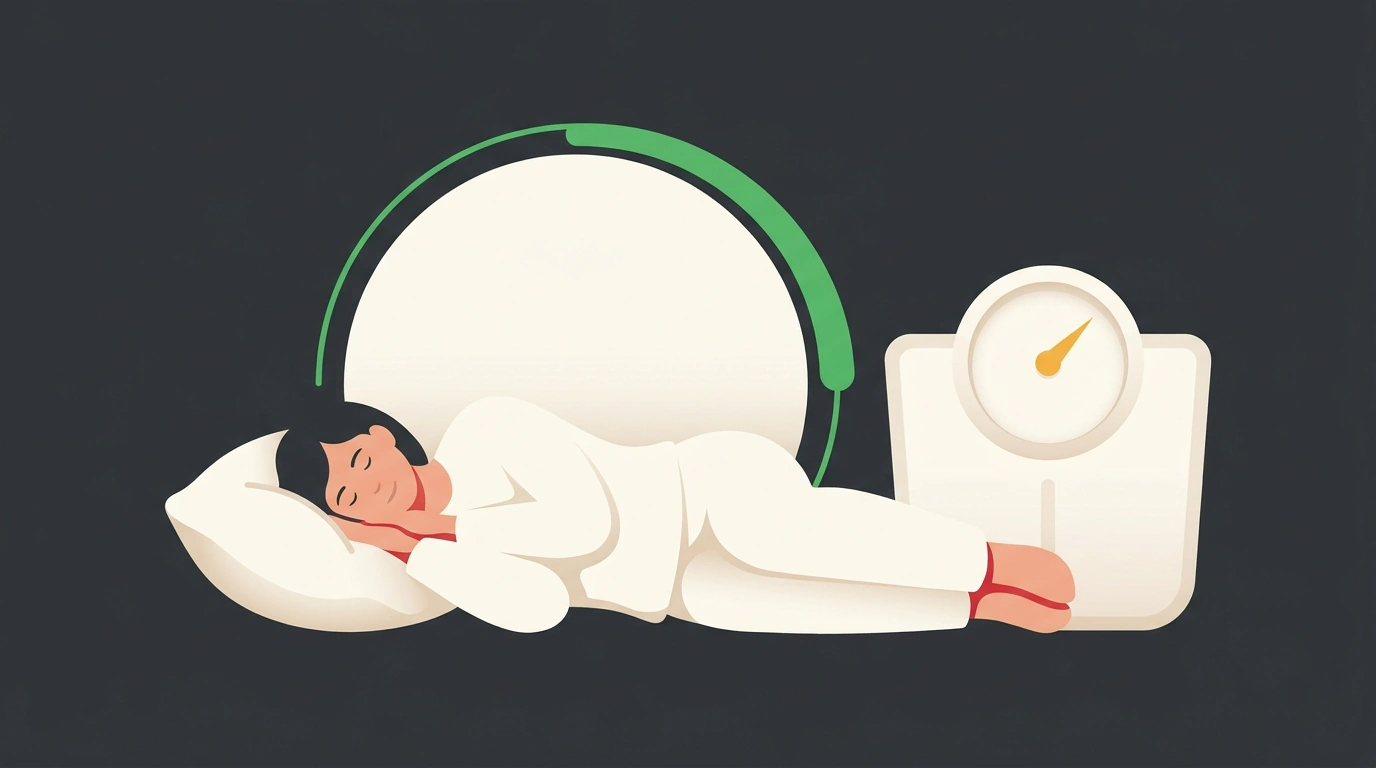
A person in cozy pajamas sleeping against a light clock-face background
ArticleHealthNutritionSleepProductivity

Three Hidden Brakes on Weight Loss: Workouts, Sleep, and the Scale

Grinding away on the treadmill while the scale refuses to budge? Endocrinologist Maxim Kuznetsov breaks down three hidden traps that sabotage your progress.

First is trying to 'burn off' dessert with cardio: an hour of running only uses about 300 kcal while firing up your appetite. Second is sleep deprivation: a tired brain dials down self-control and uses ghrelin and leptin to demand fast sugar and fat. Third is panicking over daily weigh-ins. One gram of glycogen holds up to four grams of water, so a one-kilo overnight swing reflects fluid and salt, not body fat.

Sometimes the smartest move for fat loss isn't another lap—it's eight hours of solid sleep and calmer weigh-ins.

👍 0
Максим КузнецовThe Impact of Sleep Deprivation on Food Desire in the Human Brain (Nature Communications)
October 21
A woman practicing gentle diaphragmatic breathing on an exercise mat in a sunlit room
ArticleHealthPsychologyDisciplineMental resilience

The Runway Illusion: Why Rushing Postpartum Recovery Is Dangerous

'How does a supermodel walk a runway six weeks after giving birth when I can barely get out of bed?' Thousands of new moms ask themselves that while scrolling social media. Fitness coach Sabina Filina explains why rushing recovery is physically dangerous.

Looking toned in a photo doesn't mean you're healed: the uterus, stretched pelvic floor, and shifted organs need 4 to 12 months to recover. The hormone relaxin stays in your blood for up to six months, leaving joints vulnerable, while early running and planks can trigger organ prolapse and diastasis recti.

ACOG clinical guidelines urge dropping the 'bounce back in 6 weeks' myth: real recovery takes time, gentle breathing, and genuine self-care.

👍 0
Сабина Филина | Домашние тренировкиACOG Clinical Guidance: Optimizing Postpartum Care and Exercise Return
October 21
News · October 211 news item

Size Matters: Why a Pill's Dosage Doesn't Dictate Its Size

Struggling to swallow horse-sized pills? A medication's milligram dosage doesn't determine its physical size: inactive fillers can make a 10 mg tablet even bigger than a 200 mg one. Don't crush or split just anything—breaking a protective coating can trigger an overdose or irritate your stomach. Let your doctor know ahead of time so they can prescribe an easy-to-swallow liquid or dissolvable option.

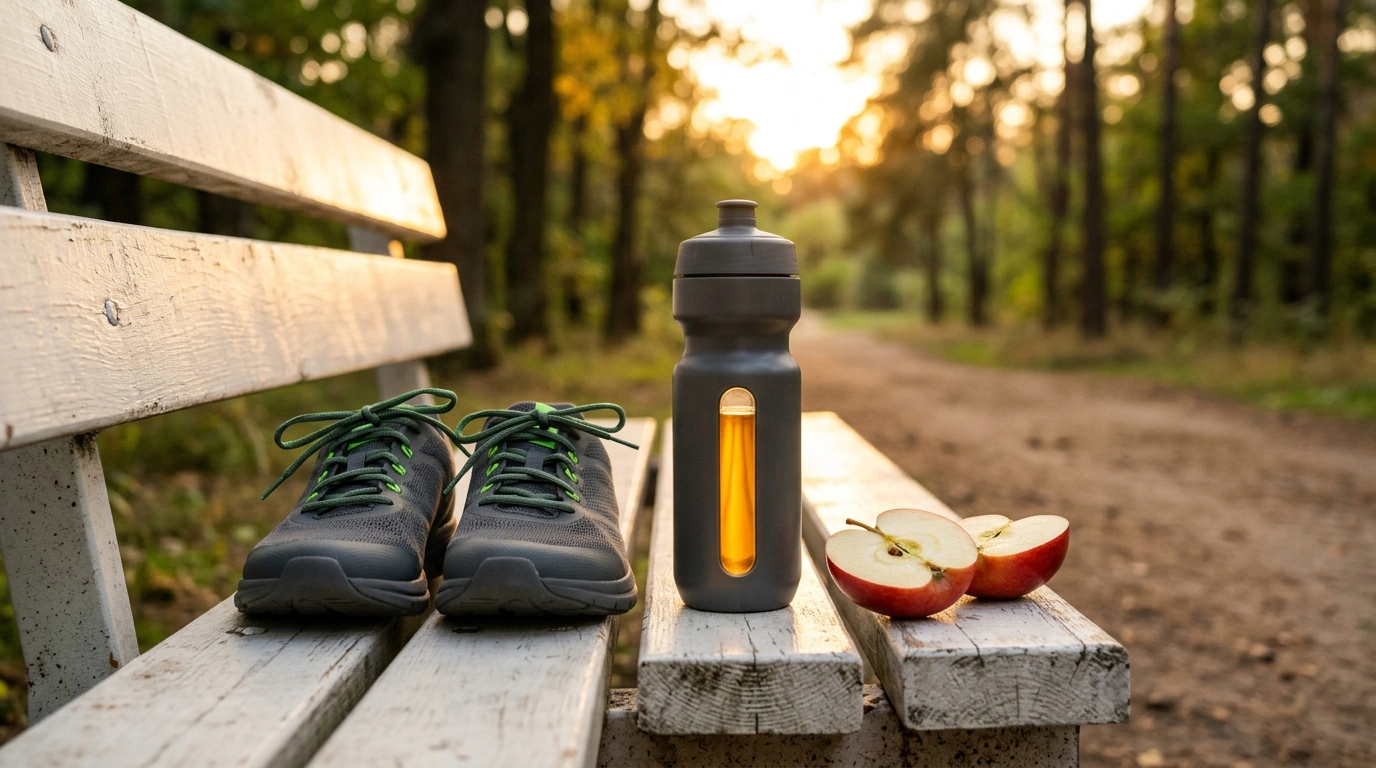
A sports bottle with an electrolyte drink and fresh fruit on a wooden bench beside a running track
ArticleHealthNutritionDieteticsBiohacking

Fueling the Distance: Why Everyday Runners Don't Need Olympic Diets

Copying an elite marathoner's fueling plan at a local race is a fast track to stomach trouble. A new PINES consensus statement from ten leading sports scientists in IJSNEM sets the record straight.

While pros running 20 km/h burn 120 grams of carbs an hour, everyday runners only need a modest 50–60 grams—pushing past that simply overwhelms the gut. Meanwhile, forcing down plain water to 'prevent dehydration' risks life-threatening hyponatremia by diluting blood sodium.

For great energy on the run, recreational athletes don't need shelves of supplements—just steady aerobic miles, good sleep, and whole foods on their plate.

👍 0
Бегать простоSummary of the 2026 PINES 10 Questions Session (IJSNEM)
October 21
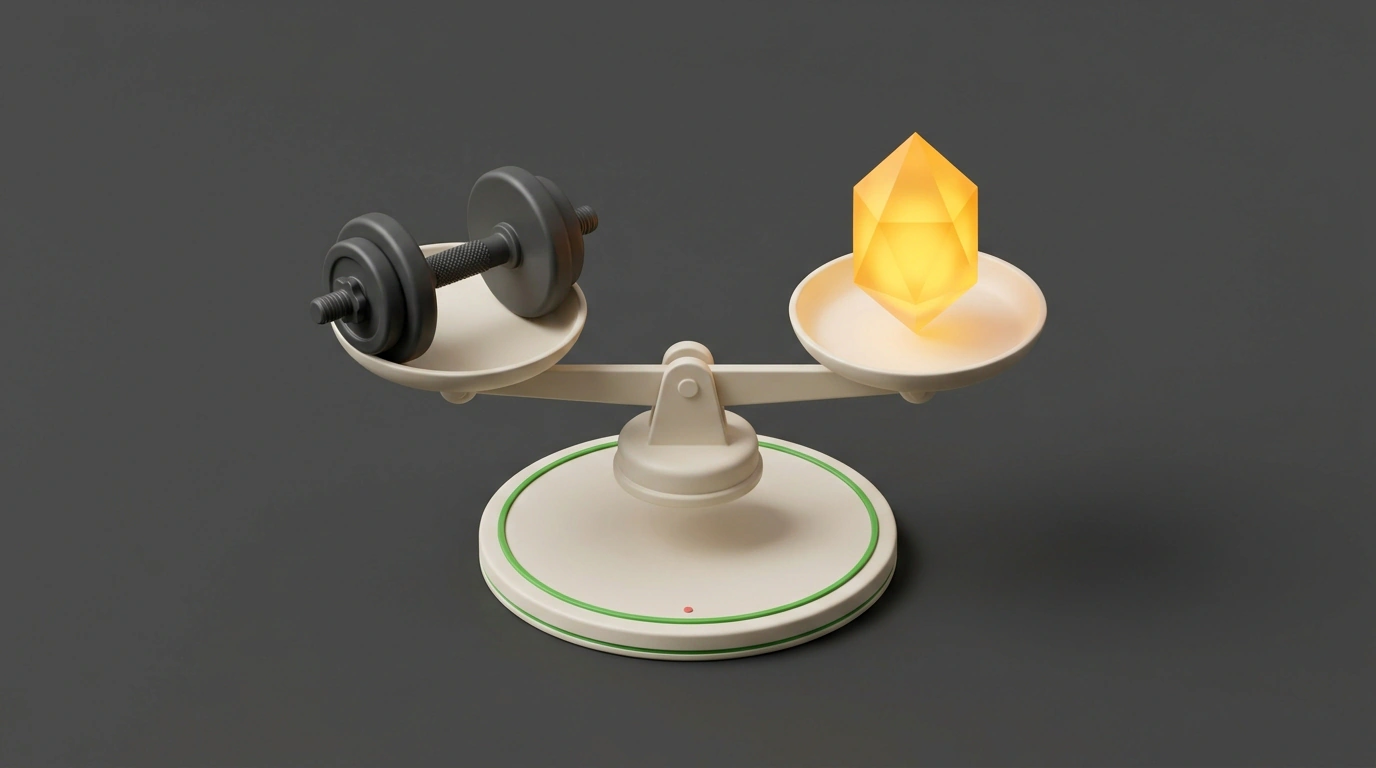
A 3D isometric model of a scale balancing a dumbbell and an energy crystal
ArticleFitnessTrainingNutritionHealth

Muscle From Fat: How Body Recomposition Works Without a Huge Calorie Surplus

For years, gym culture pushed one rule: want to build muscle? Eat in a massive surplus, pack on fat, then suffer through a cut. Coach Artyom breaks down muscle bioenergetics to show why body recomposition works for almost anyone.

Building a kilogram of lean muscle costs roughly 3,500 kcal—just 116 kcal a day if you gain a kilo a month. Meanwhile, a single kilogram of body fat holds 7,800 kcal of usable energy. Research confirms that with enough protein and resistance training, your body readily pulls energy from its own fat stores.

You can build muscle at maintenance or in a mild deficit, skipping the exhausting bulk-and-cut rollercoaster altogether.

👍 0
Тренер АртёмBody Recomposition in Trained Individuals (Strength and Conditioning Journal)
October 21