
Issue November 7Daily digest · 7 items
In this issueReviewed 35 sources, gathered 7 items
Conceptual still life on a graphite table featuring an optical magnifying glass, an open medical atlas, and a vial of etiotropic therapy in soft morning light.
LongreadHealthPracticeEvidence-Based MedicineDiagnostics

"Doctors Only Treat Symptoms": Why This Is a Dangerous Myth and How Evidence-Based Medicine Finds the Real Causes of Disease

A popular naturopathic mantra claims that doctors merely "silence symptoms" while the true root cause destroys the body. Yet in clinical guidelines, the exact opposite is true: eradicating Helicobacter pylori cuts ulcer recurrence fivefold, lowering blood pressure saves brain arteries from rupture, and losing visceral fat puts type 2 diabetes into remission.

Meanwhile, the alternative industry persistently sells cleanses for nonexistent toxins and tests for "adrenal fatigue." Three simple check questions help you spot this manipulation.

👍 32
Доктор БурлаковEradication therapy for peptic ulcer disease in Helicobacter pylori-positive people (Cochrane Database of Systematic Reviews)
November 7
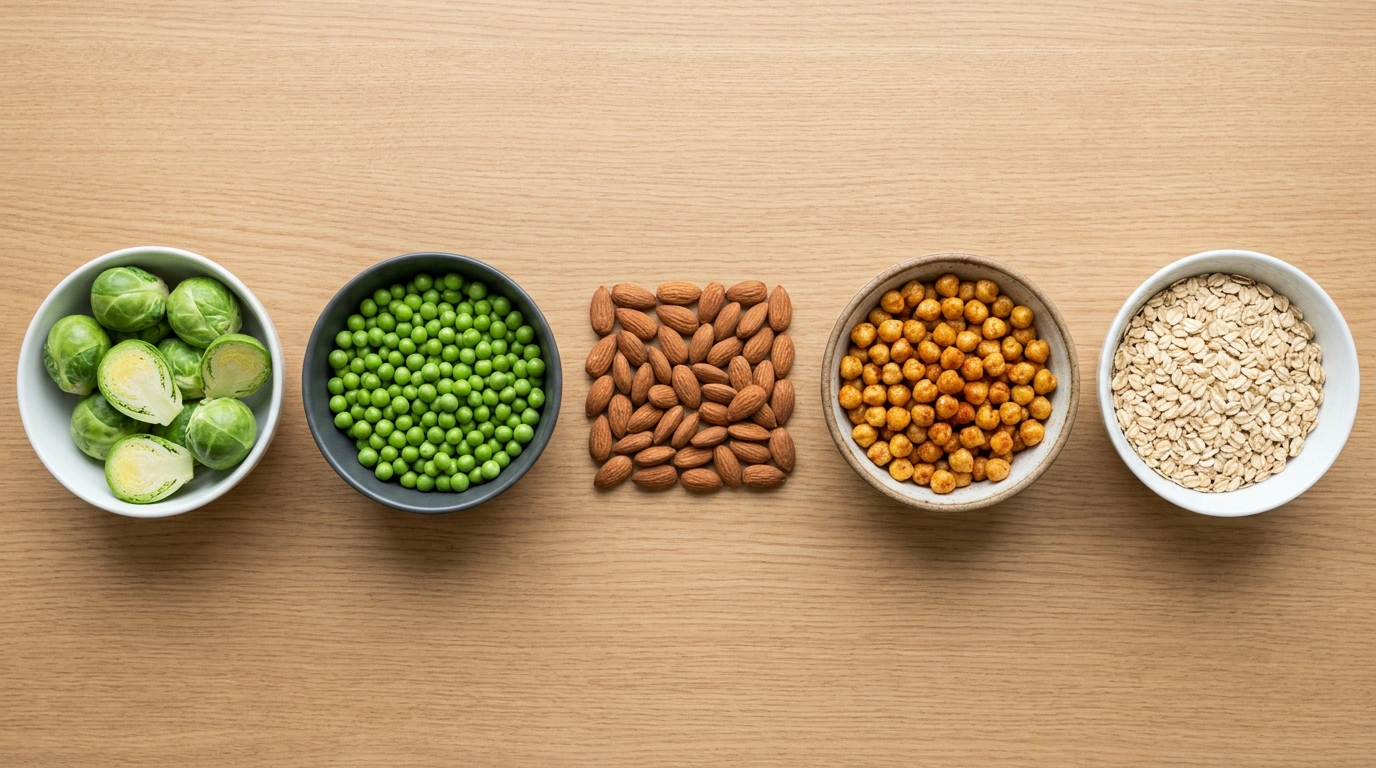
Overhead flat-lay still life of five dense fiber sources with Brussels sprouts, green peas, almonds, chickpeas, and rolled oats on a light oak board.
ArticleNutritionHealthFiberMicrobiota

Five Unexpected Sources of Fiber: How to Easily Hit 30 Grams a Day Without Buckets of Salad

Many people believe that chopping a couple of cucumbers and tomatoes onto a plate is enough for gut health. Yet watery vegetables contain almost no fiber: to hit the daily 30 grams, you would have to eat 5 kilograms of cucumbers. Without enough fiber, the microbiota goes hungry and cholesterol creeps upward.

The solution lies in dense plant concentrates: Brussels sprouts, green peas, almonds, chickpeas, and oatmeal cover your daily quota effortlessly. However, if your digestion is sensitive, each of these foods hides an unexpected catch.

👍 50
Максим КузнецовCholesterol-lowering effects of dietary fiber: a meta-analysis and mechanisms of beta-glucan (American Journal of Clinical Nutrition)
November 7
Atmospheric still life with a ceramic cup of freshly brewed tea and a mechanical timer on a wooden table by a window in soft morning light.
NoteHealthNutritionBlood vesselsPrevention

Tea and Heart Health: Why Scalding Hot Water Wipes Out All the Benefits of Polyphenols

Following half a million people in the China Kadoorie Biobank confirmed that regular tea lowers the risk of vascular events by 11% by stimulating endothelial nitric oxide production. However, endocrinologists warn that drinking tea hotter than 65°C has the opposite effect, raising heart disease risk by 16% due to thermal injury and cytokine inflammation.

A simple 5-minute pause before your first sip completely restores the drink's protective power.

👍 18
Доктор Павлова, эндокринологHabitual tea consumption is associated with lower cardiovascular disease risk (China Kadoorie Biobank, Journal of Internal Medicine)
November 7
News · November 72 news items

The Hyperpalatability Trap: Why Processed Food Triggers Overeating and How Obesity Connects to Hundreds of Diseases

Industrial fast food is engineered for one goal—hijacking taste receptors with combinations of fat, sugar, and salt. In an NIH trial, this food caused people to eat 508 kcal more per day despite matched nutrient profiles. Excess weight drives fat accumulation linked to more than 200 serious diseases.

The Danger of Total Elimination Diets in IBS: Why Cutting Out Entire Food Groups Destroys Gut Tolerance

Cutting out vegetables and gluten completely in IBS temporarily relieves bloating, but prolonged restrictions destroy the microbiota. A gastroenterologist warns that losing immune tolerance triggers histamine release by mast cells when food is reintroduced, worsening visceral hypersensitivity.

Documentary-style scene in a bright room: a fit man performs a strength warm-up with a resistance band next to a measuring tape on a wooden table.
NoteTrainingHealthSarcopeniaMetabolism

Preserving Muscle and Taming Weight After 45: A Daily Metabolic Health Checklist

After 45, the number on the scale may stay the same while body composition shifts: muscle melts away, giving way to visceral fat. Endocrinologists warn that the key health benchmark is your waist-to-height ratio (strictly below 0.5).

A daily protocol helps halt age-related sarcopenia:

  • Strength stimulus 2–3 times a week against anabolic resistance;
  • A 25–30 gram serving of protein at every meal;
  • A post-dinner walk so muscles clear blood glucose.

Yet one common evening mistake can undo all your daytime efforts.

👍 14
Максим Кузнецов - Врач эндокринологWaist-to-height ratio as an indicator of 'early health risk': simpler and more predictive than BMI (Margaret Ashwell et al.)
November 7