Issue November 16Daily digest · 5 items
In this issueReviewed 33 sources, gathered 5 items
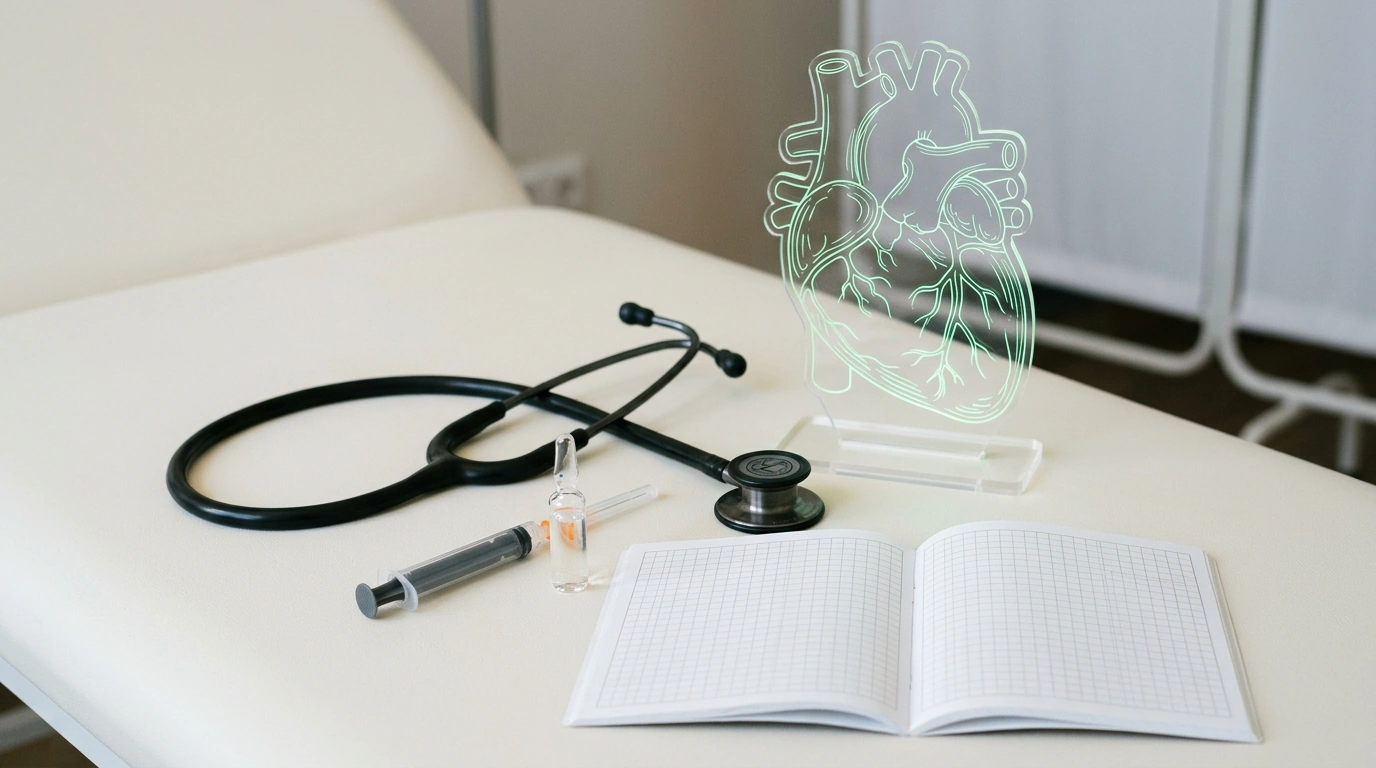
Medical still life featuring a cardiology stethoscope, a vaccine vial, and a protective shield in a clinic treatment room.
ArticleHealthBiohackingVaccinationCardiology

Protecting Your Heart at the Clinic: Why Flu and Pneumococcal Vaccines Help Prevent Heart Attacks

It is easy to dismiss a flu shot as just protection against a runny nose if you rarely catch colds and are used to riding them out for a couple of days with tea. Yet cardiologists put vaccination in the same league as statins: in the IAMI trial, a shot given within the first 72 hours after vascular surgery cut one-year cardiovascular mortality by 40% (27 deaths per 1,000 vs. 45 on placebo).

It is not about your lungs—during a fever, an inflammatory storm triggers enzymes that tear through the cap of even quiet arterial plaques. Still, a flu shot alone cannot shield your heart muscle from every winter threat.
👍 29
Доктор УтинAmerican College of Cardiology: IAMI Trial Summary
November 16
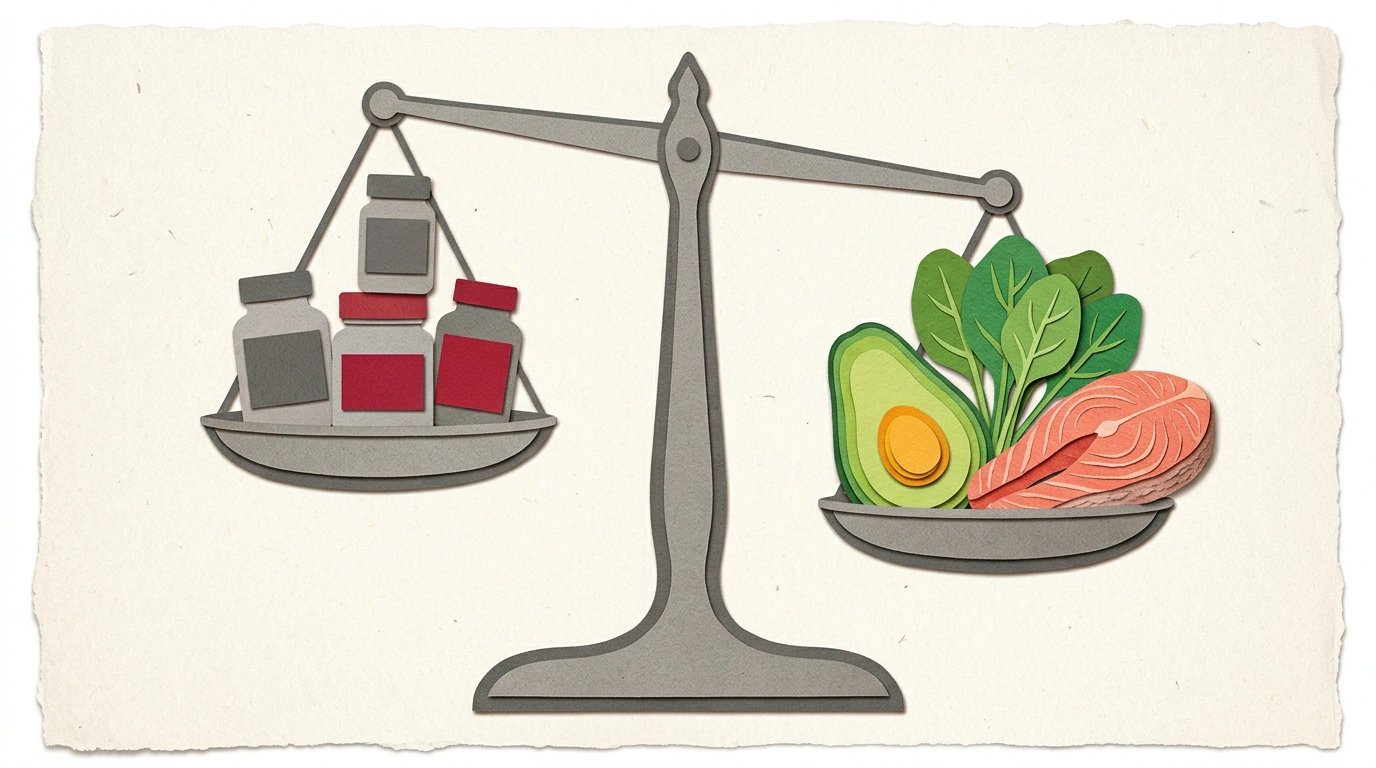
Paper collage of pharmacy supplement jars on a scale beside fresh whole foods.
NoteHealthNutritionSupplementsPharmacology

Five Jars for the Trash: Why Collagen, Chlorophyll, and Testosterone Boosters Won't Make Us Healthier

When you try to patch over fatigue and diet gaps with a handful of trendy capsules, it is easy to walk into an expensive trap. Endocrinologist Maxim Kuznetsov reminds us of basic physiology: your stomach and gut break drinkable collagen down into ordinary amino acids, while liquid chlorophyll passes straight through your digestive tract.

Even riskier are fat burners where FDA inspectors find banned sibutramine, or popping magnesium pills that 95% of people with a normal diet don't even need. Telling a genuine bodily need apart from a pretty placebo before clicking checkout is easier said than done.

👍 19
Максим Кузнецов - Врач эндокринологFDA Public Notification: Tainted Weight Loss ProductsPubMed: Over-the-counter testosterone boosters: scientific evidence and regulatory status
November 16
Evening cinematic still life of a bedside table with soft lamp light and a cup of tea.
ArticleHealthPsychologyHormonesPhysiology

Endocrine Reset: How Intimacy Shapes Your Sleep, Blood Vessels, and Cortisol Balance

Trying to swap the gym for the bedroom to lose weight loses to the treadmill by a mile: metabolic sensors recorded an average of just 85 kcal per session in bed versus 213–276 kcal for half an hour of moderate running. When it comes to fighting evening cortisol and insomnia, though, the tables turn completely.

A surge of oxytocin and prolactin turns down the brain's anxiety center and guides you into deep delta sleep far more reliably than scrolling on your phone. Yet the moment body-image self-consciousness enters the bedroom, that natural mechanism locks up right at the level of your blood vessels.

👍 29
Максим КузнецовPLoS ONE: Energy Expenditure During Sexual Activity in Young Healthy CouplesPubMed: The post-orgasmic prolactin increase and sleep modulation
November 16
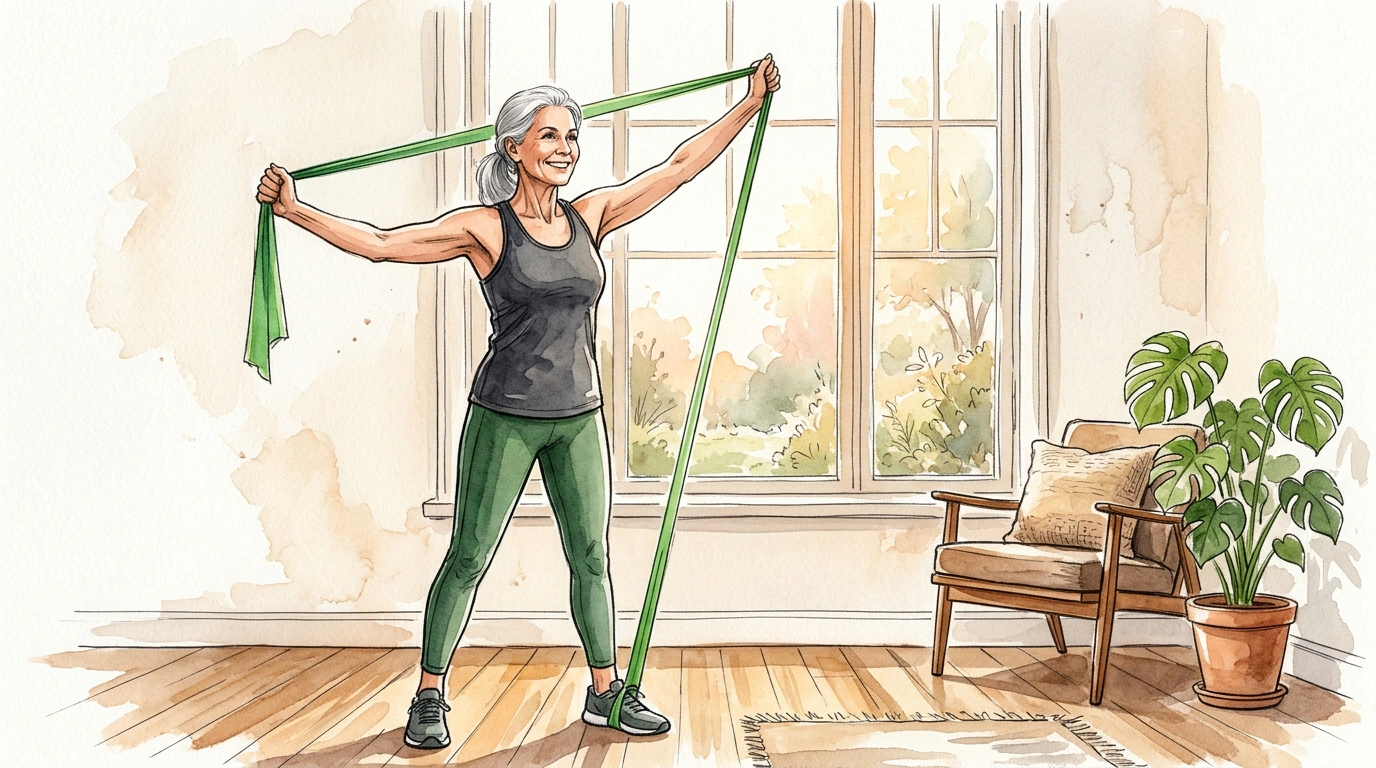
Watercolor painting of an elderly woman doing a cheerful morning warm-up with a resistance band by a window.
NoteHealthTrainingLongevityStrength Training

Muscle Over Frailty: Why Strength Training Beats Plain Walking After 60

Are regular walks with Nordic poles enough to keep strong legs and a sharp mind in older age? Sadly, a steady pace trains your heart but does not stop sarcopenia—after 40–50, the body loses 0.5% to 1% of its muscle every year, accelerating to 1.5–2% by age seventy.

Meta-analyses confirm that only resistance pulling on tendons signals bones to deposit calcium, while working muscles release molecules that boost BDNF to protect working memory. Pushing heavy dumbbells through pain, however, can injure ligaments just as badly as staying on the couch.

👍 20
Тренер АртёмPubMed: The effects of progressive resistance training on bone density: a review (PMID: 9927006)
November 16