Morning routine: a glass of water, a couple of omega-3 capsules "for the heart," and a curcumin pill "for the joints." The bottle says "natural extract" and sits on the shelf without a prescription—so it feels completely harmless.
Behind the scenes, it's another story. Once the capsule dissolves, your liver gets hit with a concentrated cocktail of plant compounds you could never eat in a normal lunch. Liver cells have to process it immediately, sometimes right on top of your prescription medications. Meanwhile, a heavy dose of omega-3 nudges your heart's electrical system. That bottle acts like a drug—only without a prescription or pre-market safety trials.
High-Dose Omega-3s: When a 'Heart Vitamin' Disrupts Rhythm
Your body genuinely needs omega-3 fatty acids, and nobody disputes the benefits of eating fatty fish. Trouble starts when people try to "boost the effect" with handfuls of capsules.
In 2021, Baris Gencer's team published a meta-analysis in Circulation pooling seven major trials, 81,210 patients, and roughly five years of follow-up. Long-term omega-3 supplementation raised the relative risk of atrial fibrillation by an average of 25%. In this rhythm disorder, the heart's upper chambers beat chaotically, letting blood pool and potentially clot—raising the risk of stroke.
Dose makes all the difference. Above 1 g of omega-3 per day—especially at the prescription 4 g dose tested in the REDUCE-IT and STRENGTH trials—risk jumped by 49%. Up to 1 g, the increase was 12%, while ordinary dietary fish intake in healthy people shows no meaningful spike. The European Medicines Agency (EMA) added atrial fibrillation as a dose-dependent side effect on omega-3 medications for people with heart disease or high cardiovascular risk.
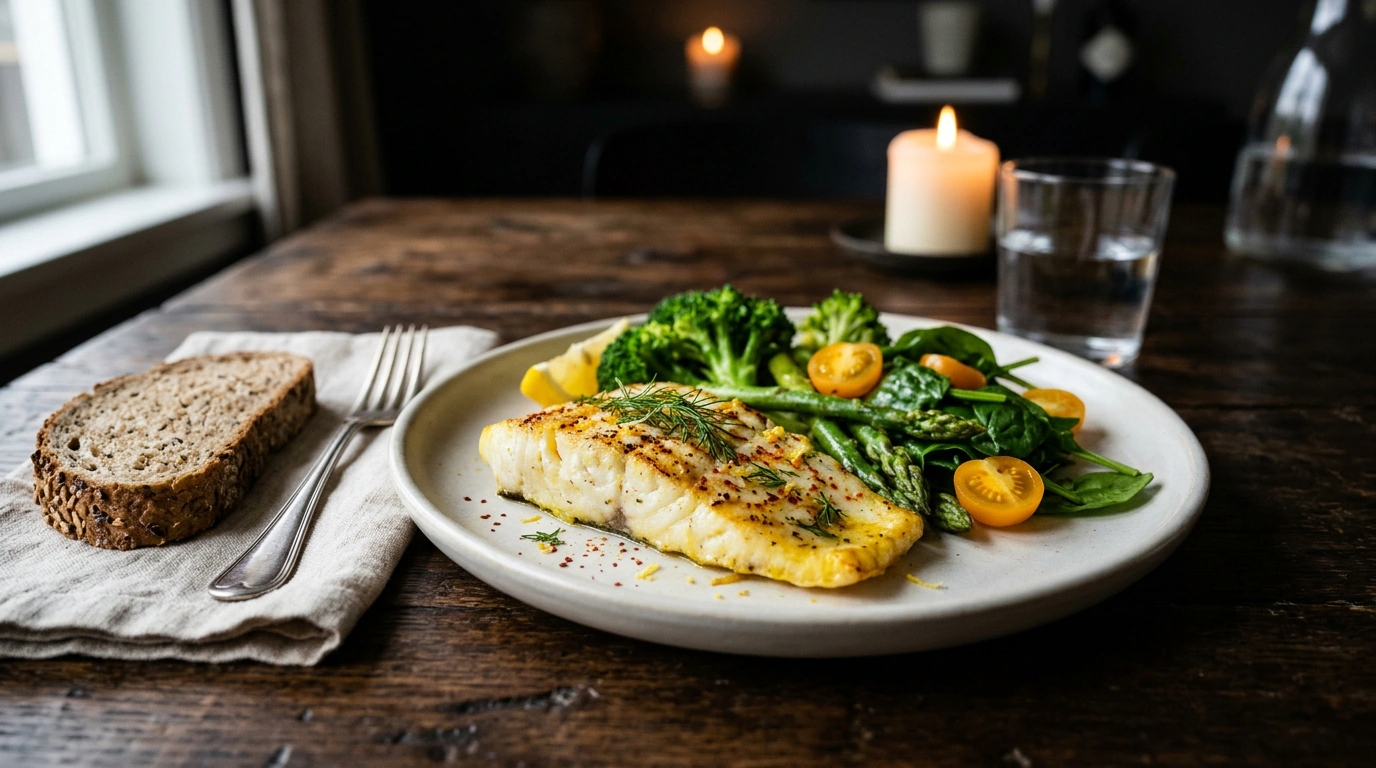
Weigh the cost and payoff. Expensive "Triple Strength" bottles get taken "just in case," even though high doses are only meant for narrow medical cases like severely elevated triglycerides under a cardiologist's care. Eating mackerel, herring, or salmon once or twice a week delivers omega-3s alongside protein, and you physically can't overdose to a risky four grams from dinner.
Fish on your plate beats capsules every time.
Six Popular Herbs Showing Up in Liver Injury Reports
With the liver, the risk is even sneakier. Data from drug-induced liver injury registries—including the U.S. DILIN network—shows roughly 20% of drug-induced hepatitis cases now trace back to dietary supplements. Doctors use that term for liver cell inflammation or death triggered by a drug or supplement; severe cases lead to hospitalization or even liver transplants.
In August 2024, Alisa Likhitsup's team at the University of Michigan reported in JAMA Network Open that 15.6 million U.S. adults—nearly one in twenty—took at least one of six liver-flagged botanicals in a single month. That rivals statin use, except without a doctor or clinical trials. Turmeric led the pack at roughly 11.4 million users.
| Supplement | Why People Buy It | The Catch |
|---|---|---|
| Curcumin (turmeric) | Joints, immunity | Often paired with black pepper piperine, boosting absorption and liver strain |
| Green tea extract | 'Fat burning' | Mega-doses of catechins (EGCG) far beyond what's in brewed tea |
| Ashwagandha | Stress, sleep | Trendy adaptogen showing up more often in liver injury reports |
| Garcinia cambogia | Weight loss | Unproven for fat loss, with regularly documented liver toxicity |
| Red yeast rice | Cholesterol | Contains monacolin K (a statin analog) in unpredictable doses |
| Black cohosh | Menopause | Repeatedly flagged in reports of toxic liver inflammation |
A pinch of turmeric in rice or a mug of green tea isn't the culprit—the word "extract" is, packing active compounds dozens of times tighter. Across millions of buyers, severe liver injury remains rare, yet it's unpredictable due to individual reactions, clashes with prescription drugs, contaminants, and sloppy labeling. Trading that risk for shaky ad promises is a bad deal.
How to Clean Up Your Supplement Shelf
By law, supplements don't face the same strict safety testing as prescription medications. Before buying a new bottle, run it through a quick filter.
Quick check before buying any supplement
- Check your shelf for curcumin, green tea extract, ashwagandha, garcinia, red yeast rice, or black cohosh taken 'for prevention.'
- Check your omega-3 dose: if you take over 1 g daily without a cardiologist's order, ask your doctor whether you need it or if fatty fish twice a week makes more sense.
- Ask if you can get the same nutrients from whole food—basic vitamins and fatty acids from meals absorb gently without overdose risk.
- If you take prescription meds, tell your doctor about every supplement and herbal extract you use; hidden liver clashes happen right where they overlap.