Many developers have noticed a strange paradox. Ask a language model to design a new service from scratch, and it starts hallucinating. It invents non-existent library parameters, misses edge cases, and tangles up data schemas. Yet if you hand that same agent a binary file, a minified JS bundle, or an Electron archive, it reconstructs data structures, contracts, and dependencies with surgical precision.
The Reverse Engineer Anything (REA) project, which quickly gained traction on GitHub, highlights why this happens. It all comes down to having a verifiable reference. In greenfield design, a developer's intent is expressed in vague natural language. In reverse engineering, the original author's intent is already concrete: it is recorded in call graphs, network routes, and database tables. The agent has solid ground to work from.
We already covered how AI agent engineering works in practice: system quality depends less on system prompt length and more on strict automated verification. REA takes that idea to its logical extreme.
Moving Past the "Meat Proxy" Anti-Pattern
Developers are increasingly critical of a dangerous habit: turning the engineer into a "Meat Proxy." You grab a ticket from the tracker, paste it into a chat with a model, copy the generated code back, and open a pull request. Over time, your own engineering instincts fade while hidden architectural debt piles up fast.
To test whether your skills will last, try the 2x Test: if the next generation of models becomes twice as smart, will your current work still hold value? Memorizing framework syntax or method names will mean very little. By contrast, knowing how to design a harness (Harness Engineering) — decomposition setups, strict contracts, and linters — becomes a decisive advantage.
The morluto/rea tool turns reverse engineering into a structured workflow for agents like Claude Code, Cursor, or Codex via the Model Context Protocol (MCP).
Setting Up the REA Harness: From Binary to Spec
Instead of disassembling code by hand, a developer attaches the rea-agents harness. This gives the agent direct access to static analyzers, AST parsers, and archive unpackers.
You can initialize it in your terminal with a single command:
# Install and automatically register the MCP server in your environment
npx rea-agents setup --client claude-code

# Inspect a target application package (Electron ASAR or APK)
npx rea-agents inspect ./dist/app.asar --output-spec ./specs/restructured-api.json
The agent receives structured context rather than a raw bytecode dump. For continuous use in code editors, you just add the server to your MCP configuration file:
{
  "mcpServers": {
    "reverse-engineer-anything": {
      "command": "npx",
      "args": ["-y", "rea-agents", "serve"],
      "env": {
        "REA_ANALYSIS_DEPTH": "deep",
        "REA_EXPORT_FORMAT": "openapi-v3",
        "REA_SANDBOX_STRICT": "true"
      }
    }
  }
}
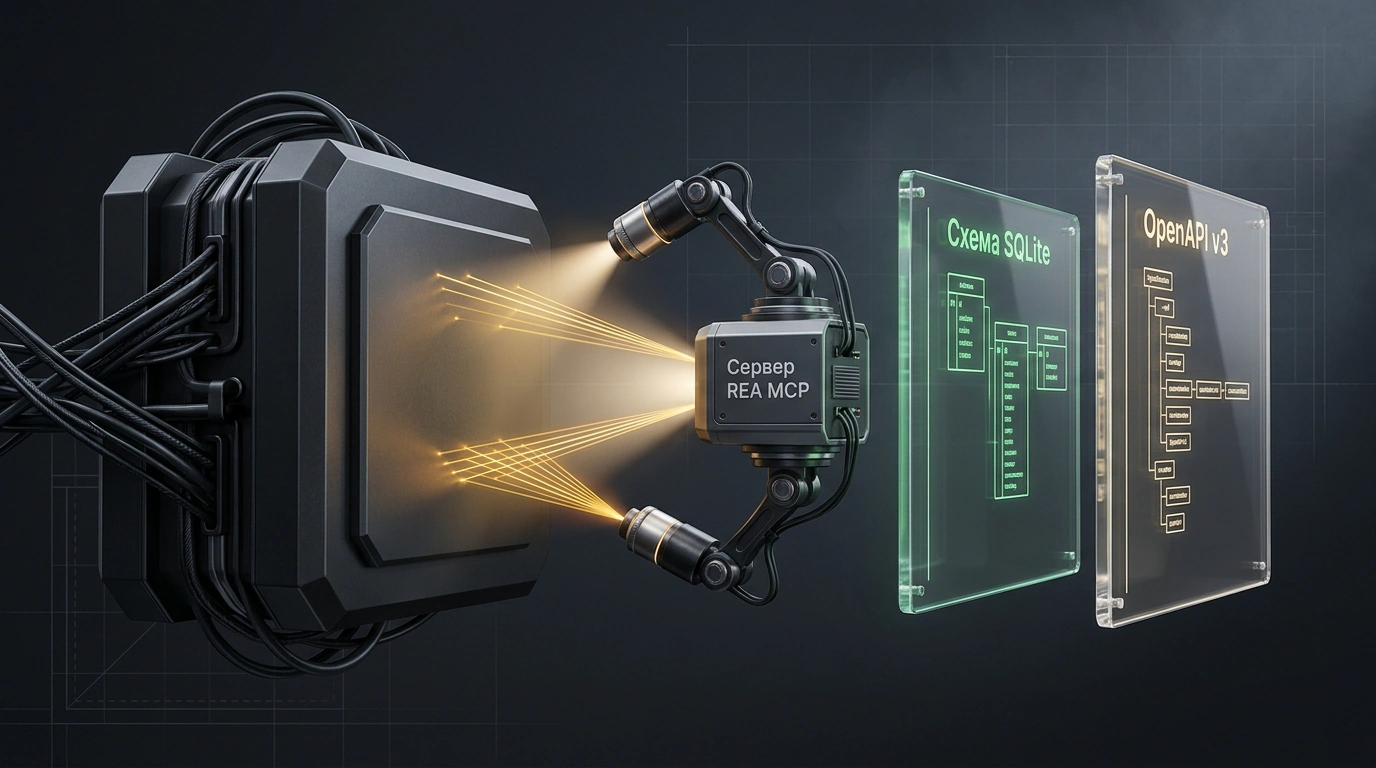
Once connected to the REA server, the agent can step through import lists, reconstruct TypeScript types from a compiled bundle, or extract SQLite schemas from a mobile app's local database.
Obfuscation Limits and Practical Verdict
The technology has clear technical and legal boundaries:
- Heavy obfuscation: If an app is protected by commercial packers using bytecode virtualization or dynamic memory encryption, the agent won't succeed without an experienced human reverse engineer.
- License compliance: Decompilation should stay within interoperability research and security auditing. Blindly copying proprietary code invites legal trouble.
The key engineering takeaway is clear: REA proves that manual code typing is on its way out. The future of development belongs to harness engineers who give agents precise analysis tools and verifiable references instead of vague text instructions.