Issue October 15Daily digest · 8 items
In this issueReviewed 55 sources, gathered 8 items
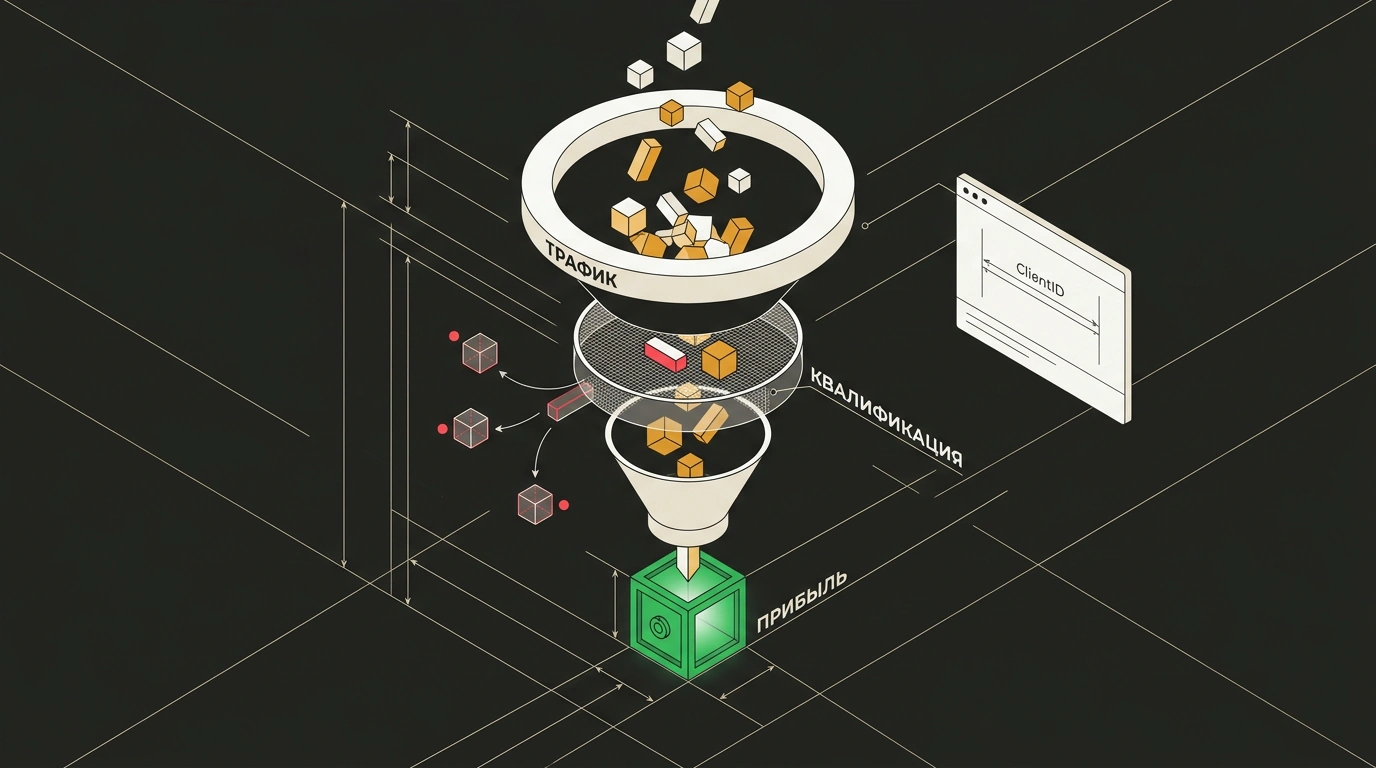
Conceptual exploded-view diagram of a marketing funnel: moving from traffic to net profit while filtering out invalid leads
ArticleYandex DirectAnalyticsAdvertisingConversions

Paying for Leads or Self-Deception: How to Check the Real ROI of Yandex Direct

You've probably seen this report before: the charts are green, the contractor cheerfully reports hundreds of leads at a sweet price, and in the sales department there's dead silence and angry managers. The problem is that Yandex Direct's auto-bidding strategies have learned to optimize brilliantly for spam bots and junk clicks. When lowering CPL becomes the sole goal, the campaign methodically burns your budget on phantoms, creating a perfect illusion of success with zero revenue.

I broke down a real case where a formal 40% drop in cost per lead completely wiped out 60,000 rubles of net profit for the business. Here's how to build an end-to-end bridge between ads and the cash register: capture ClientID, send verified offline conversions from your CRM to Yandex Metrica, and train the algorithm to bring in paying buyers.

👍 0
vc.ru — МаркетингЯндекс Справка — Учет офлайн-конверсий и ClientID в Яндекс Метрике
October 15
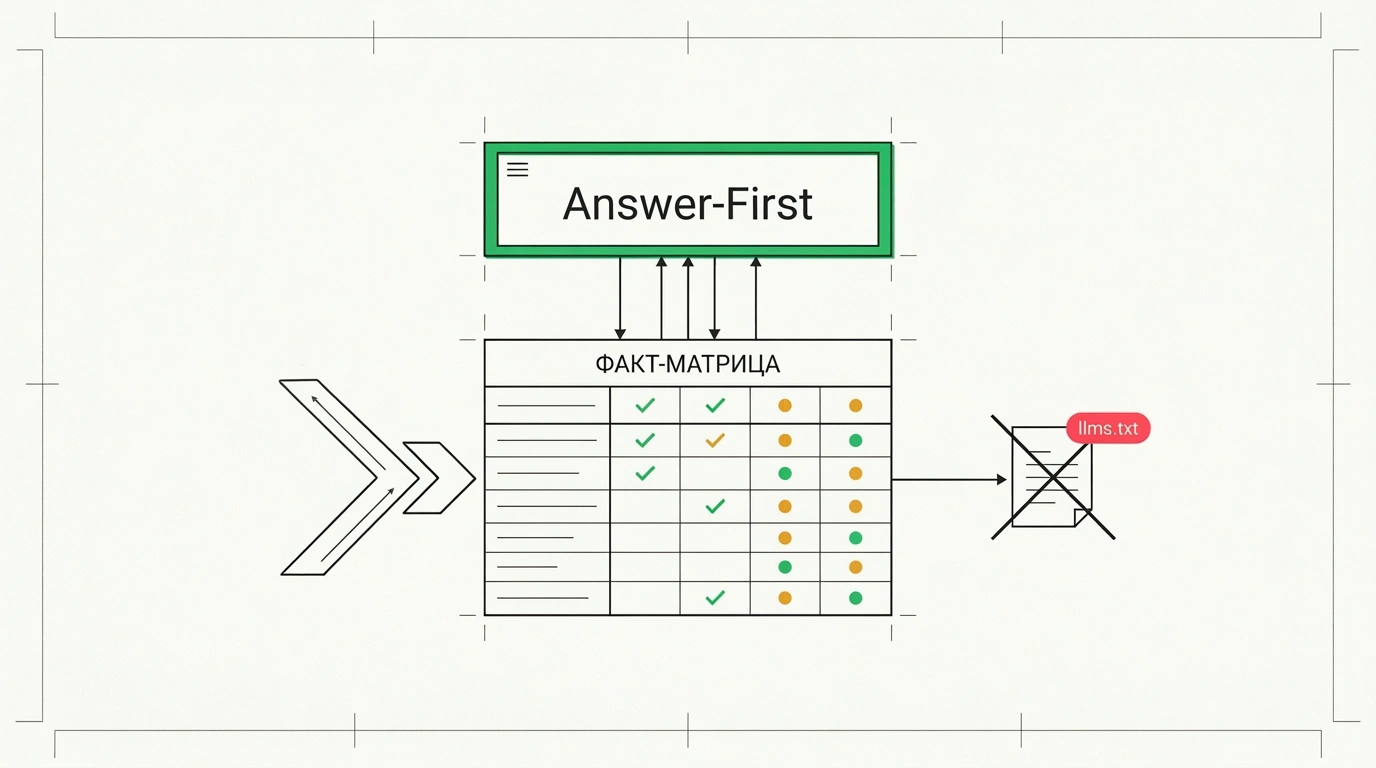
Infographic blueprint of a website architecture built on the Answer-First principle and a fact matrix for generative search
Thematic roundup4 sectionsSEOAITraffic

GEO and AEO Instead of Classic SEO: How Brands Can Get Into AI Answers

Here is the paradox of modern search: your website can sit at #1 on Google for years and still be completely invisible to language models. Users are clicking links less often and asking ChatGPT, Alice, or Perplexity for ready-made advice instead. Meanwhile, a B2B market study showed that appearing in 45% of AI answers brings zero sales if the model recommends a competitor, and 69% of software buyers change their choice based on AI arguments.

I brought together four practical perspectives on GEO and AEO: from eliminating information debt on your site to Semrush's priority filters and strict rules for vetting contractors. Let's look at why AI-generated text spam and llms.txt files are useless, how to implement Answer-First in native HTML, and how to get AI to genuinely recommend you.

👍 0
TexTerra Blogvc.ru — МаркетингNeil PatelSemrush+1
October 15
Still life on a media planner's desk: a notebook showing the budget allocation formula for article distribution
ArticleContent MarketingAdvertisingPRDistribution

The Illusion of Media Placements: Why Paid Articles Get No Readers Without Distribution

Spending three weeks getting an article approved by lawyers, paying for a media slot, and ending up with forty views from your own staff is a classic content marketing tragedy. A native article won't read itself. And trying to save money with packages like "10 media publications for 15,000 rubles" leads straight into a trap: an investigation uncovered auto-posting networks across 45 ghost sites where bots churn out identical releases at 3 AM, getting zero attention from real readers and AI.

Let's compare the two paths: buying useless vanity checkmarks versus an honest formula where 30% of the budget goes to creating the text and 70% to paid distribution. Here's how to bring in your target audience using PromoPages with seamless Scroll2Site, targeted Telegram seeding, and Dzen's new "Accent" format.

👍 0
DNative — блог Ткачука про SMMvc.ru — МаркетингCNews — Дзен запустил «Акцент» для нативных и партнерских проектов СМИ
October 15
News · October 151 news item

MAX Messenger Grew by 60%: Is It Worth Entering This New Ad Channel?

The Russian messenger MAX has crossed 530,000 public channels, growing by more than 58% in a single quarter. While organic reach on the platform isn't yet squeezed by crowded ad auctions, businesses and creators can test channel placements and claim open niches at a minimal cost per contact.

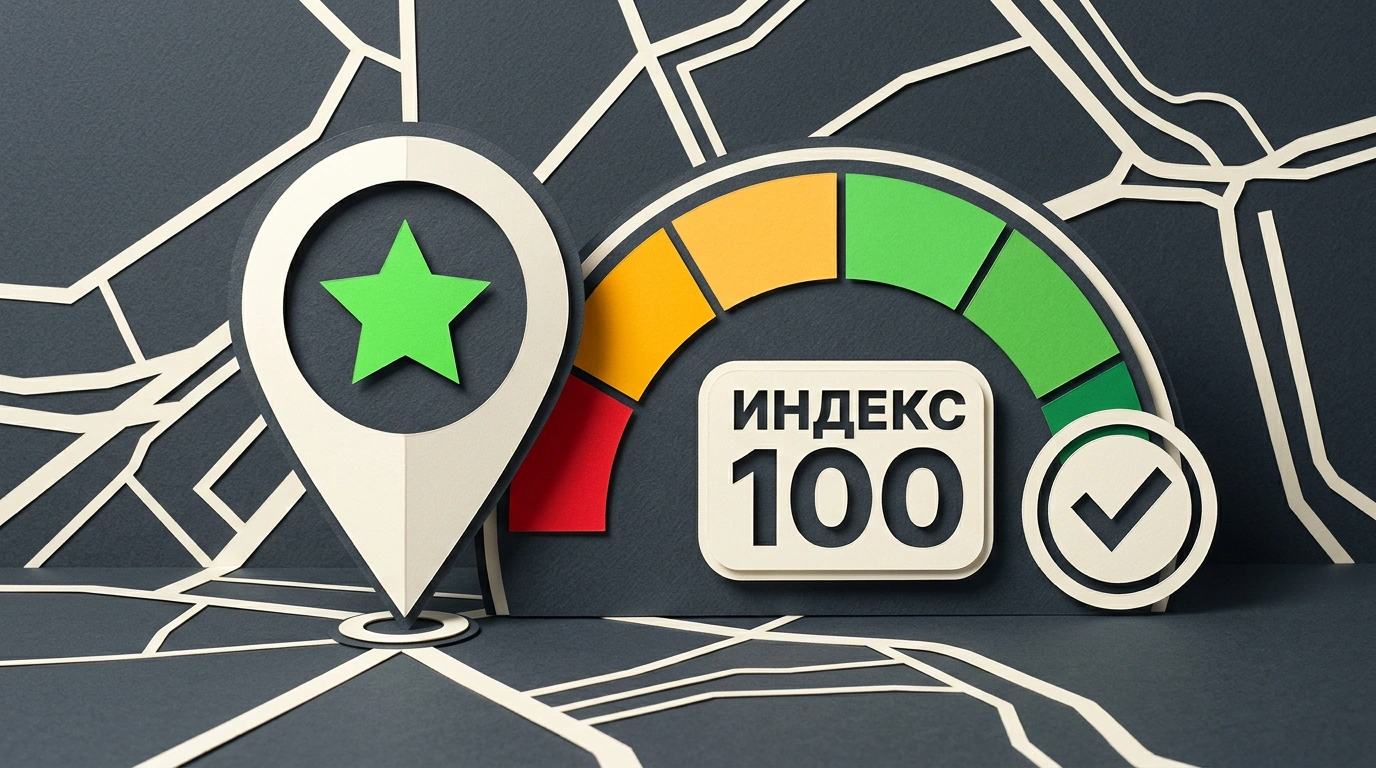
Paper collage and poster-style graphic: a map pin and a speedometer scoring a company profile on Yandex Maps
ArticleMarketingMapsLocal MarketingConversions

The 'Index 100' Method: How to Get the Most Clients From Yandex Maps

Most business owners turn on paid ads in Yandex Maps with a half-empty profile: three blurry photos, no price list, and unanswered complaints. As a result, hot traffic burns up and customers go next door. The "Index 100" expert method breaks a company profile down into 7 weighted blocks (100 points max) to plug hidden leaks before you spend a ruble.

Three main ranking and conversion drivers:

  • Rating and fresh reviews (25 points): holding a 4.7–5.0 score with a steady flow of genuine ratings;
  • Complete info and categories (20 points): blue-checkmark verification and an exact entrance pin;
  • Transparent price list (15 points): clear service names without vague price ranges, paired with quality photos.

Here is how to test your visibility across a 12-point grid and push your profile into the district's top 5.

👍 0
vc.ru — МаркетингЯндекс Бизнес — Справка: факторы ранжирования в Картах и подтверждение профиля
October 15
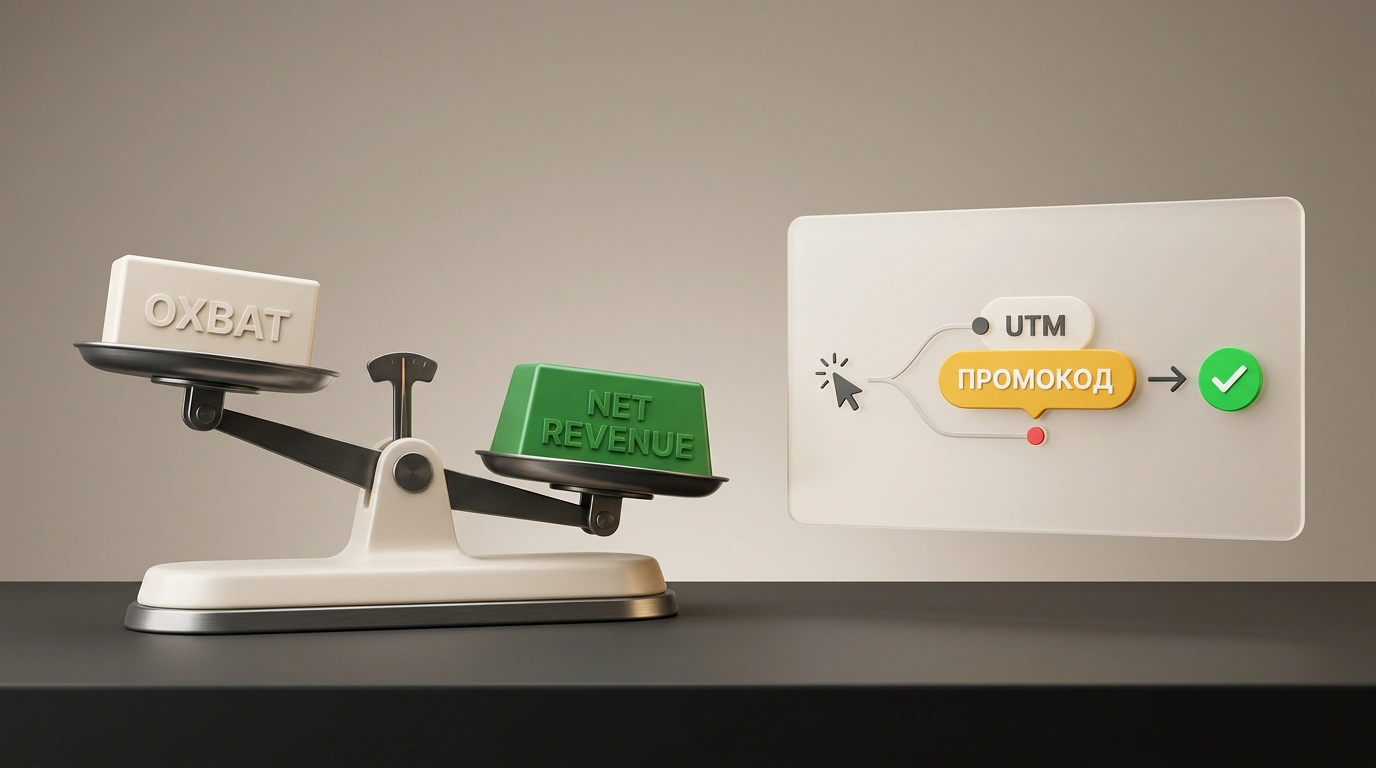
Minimalist dashboard and unit-economics scales for influencer marketing showing promo code priority over link clicks
ArticleMarketingAnalyticsInfluencersMetrics

Metrics Without Chaos: How to Track Influencer Marketing ROI

"How do I know if an influencer paid off when orders come in from everywhere?" Every founder tired of manual Excel sheets and expiring Stories asks this question. Influencer marketing often feels like roulette: a post gets 40,000 likes but zero sales, and the marketer doesn't even know which creator actually drove revenue. The issue is confusing attention metrics with real commercial return.

Here is an end-to-end tracking setup based on Modash research: pairing unique short links with personal promo codes, automated post capture, and a strict rule giving code priority over clicks when attribution conflicts. The key takeaway: creator commissions must be calculated strictly on Net Revenue after returns, so influencer campaigns don't push unit economics into the red.

👍 0
Modash BlogModash — Shopify Integration & Influencer Sales Attribution Guide
October 15
Conceptual X-ray diagram of a Smart TV contrasting a family living-room screen with server-side ad fraud
ArticleAdvertisingVideo AdsAnalyticsSecurity

Dead Souls on the Big Screen: How Ad Fraud Works in Smart TV

The big screen in the living room looks like the gold standard of safety to marketers: family viewing, high CPM, and brand prestige. Yet wherever billions flow, a sophisticated fraud industry blooms. In Q1 2026, Connected TV fraud schemes jumped by 140%, costing advertisers up to $1.8 million per billion impressions. You pay for a family's attention, while a server script in a data center watches your ad 24/7.

Let's unpack the shadow mechanics of Connected TV: app spoofing, TV emulation via residential proxies, and playing ads while the screen is physically turned off. Here is why even a direct contract with a streaming service doesn't guarantee clean inventory due to audience extension, and how to protect your budget with OM SDK and hardware device attestation.

👍 0
Sostav.ruIAB Tech Lab — Open Measurement SDK for CTV and Device Attestation
October 15