E-commerce runs on a comforting myth: if repeat sales are flat, just roll out a loyalty program. Hand out cashback points on every purchase, give 5% off the next order, bolt a sleek widget onto the user dashboard—and customers will come flooding back.
Olga Belousova's case study (former Head of E-commerce at a major home-textiles brand, now leading the AI studio ecomvibe) shows how quickly that textbook logic crashes into reality. The brand proudly reported a triumph: within a few months, around 290,000 people had signed up for the new loyalty program. Yet six months later, when the team opened the cohort retention report, the room went quiet: the repeat-order curve was flatlining at zero.
Three Systemic Flaws of 'Textbook Points'
Trying to drive repeat orders with virtual bonus points failed for three clear reasons:
- Focusing on transactions instead of buyer types. A home-textiles customer base splits into two completely different groups:
- One-off utilitarian buyers: they buy a bedding set once every one to two years when the old one wears out. Points that expire in six months are useless to them—they vanish long before the buyer ever needs a new sheet.
- Repeat lifestyle buyers: they order textiles regularly for seasonal room refreshes, renovations, or gifts. They spend time comparing fabrics, reading reviews, and ordering gift boxes, and they care about flawless service. To them, a 200-ruble discount is noise compared to whether a bathrobe in the right size arrives in time for their mom's birthday.
- Treating loyalty as an isolated IT feature. The team flipped the switch and considered the job done. Meanwhile, 15% of the customer base didn't even know they had points—the brand never set up triggered notifications and buried the balance deep inside account settings where shoppers rarely looked. For more on why mechanical discounts fail to build attachment, check our analysis of why discounts often subsidize habits instead of growing LTV.
- Ignoring the voice of customer support. Marketers spent months debating loyalty tiers in meetings while the real reasons customers walked away were piling up every day in support tickets.
What a Full Customer-Care Audit Uncovered
Once they realized they had hit a wall, the team stopped polishing the points system and sat down to manually read three months of support tickets. Three simple service breakdowns surfaced immediately—and each was quietly killing repeat sales:
- Bathrobe sizing guesswork: you can't try on textiles online. Unsure how a cut would fit, shoppers abandoned carts or ordered blind.
- Inaccurate size charts: the measurements listed on the website flat-out didn't match the physical garments coming off the factory floor. The brand was manufacturing its own wave of returns and frustration.
- Crushed gift packaging in transit: customers buying textiles as gifts received boxes with dented corners. No amount of apology points could fix a ruined celebration.
Service Overhaul: Instant Discounts and Removing Friction
Instead of complicating the bonus math, the company redirected its energy into a service overhaul:
- Response speed as the core KPI: support reps in messengers and live chat started replying within minutes.
- Frontline empowerment: agents gained the authority to issue discounts of up to 15% right in the middle of a conversation to resolve an issue on the spot—no endless approvals or escalations to senior managers.
- Fixing root causes: the team re-measured the entire size range, rewrote product pages, and reinforced gift-box protection for shipping.
True retention lives in emotion and trust, which we explored in detail in our breakdown of the psychology behind loyalty programs.
The Results in Numbers
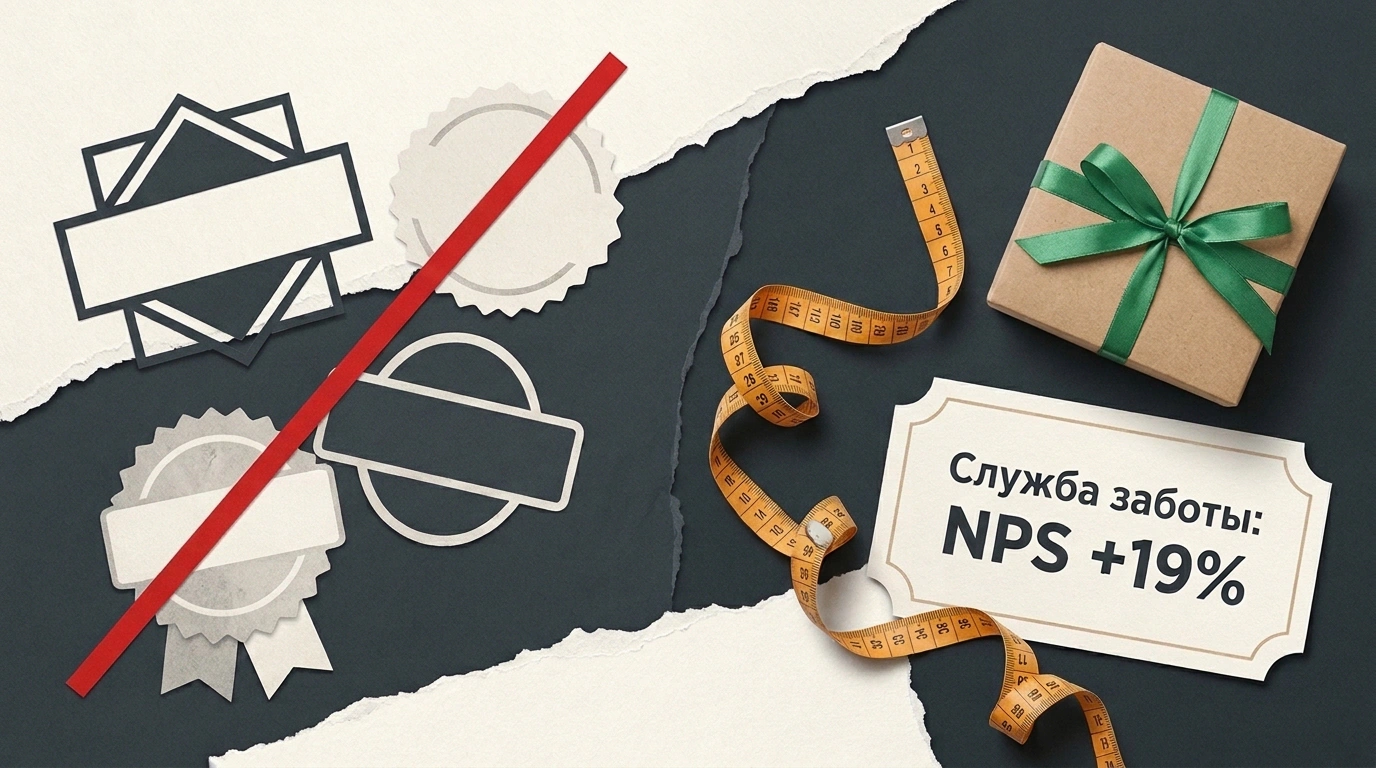
Turning the ship around took time: from month seven to month nine, the company rebuilt its workflows, and by months ten through fourteen the repeat-order curve finally climbed upward. Net Promoter Score (NPS) rose by 19%.
The takeaway is simple: loyalty isn't born from virtual points—it's born from removing friction in the customer experience. When an order arrives on time, fits as expected, and shows up in pristine packaging, customers come back on their own without needing point handouts.
Once a quarter, pull an export of every complaint from customer support. What looks like 'minor ops noise' to a marketing director is often silently burning hundreds of thousands of rubles in repeat orders every month.