Issue October 19Daily digest · 13 items
In this issueReviewed 67 sources, gathered 13 items
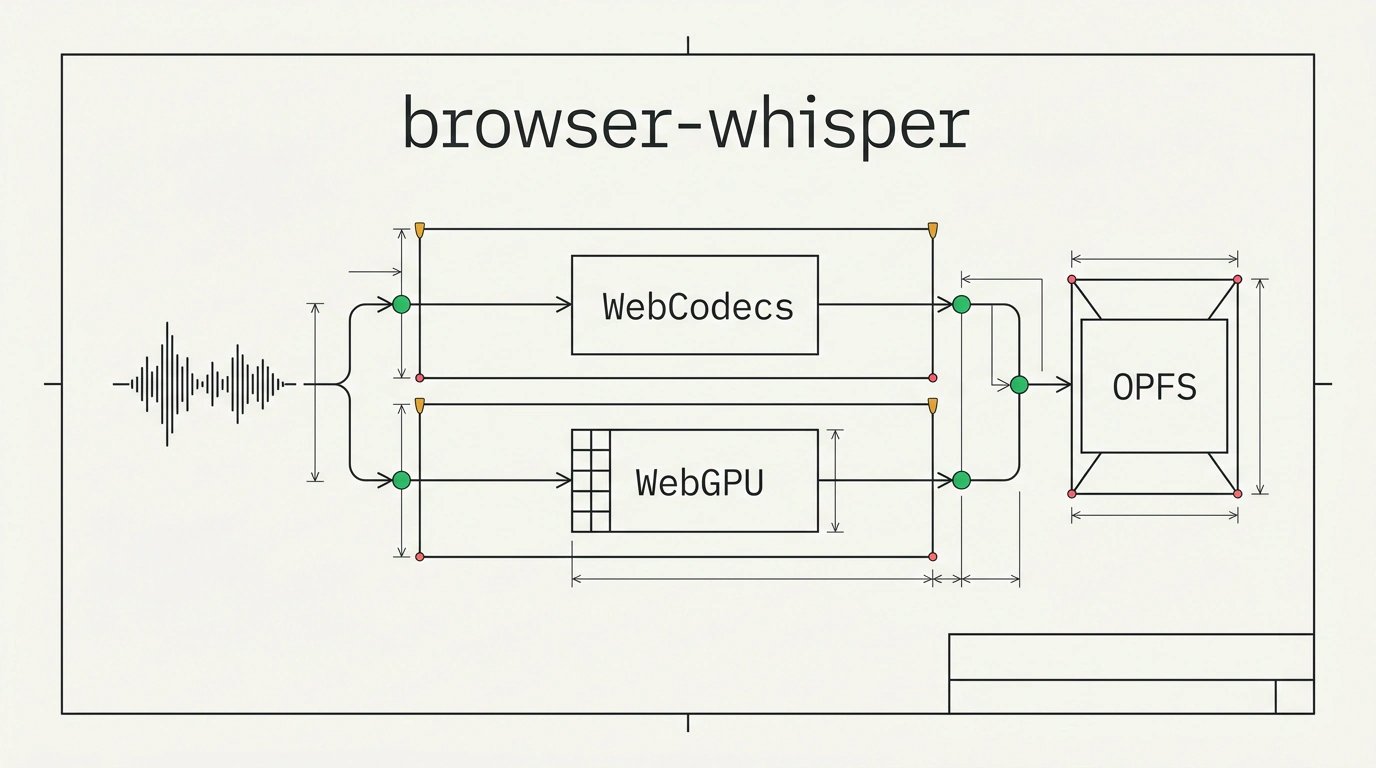
Infographic blueprint of the browser-whisper pipeline separating audio decoding and matrix computations
ArticleDevelopmentAIWebGPUJavaScript

Local Whisper in the Browser: Speech Recognition with WebGPU and WebCodecs

Quality speech recognition on the web still feels permanently chained to server GPUs and paid cloud APIs: try running a heavy neural net inside a browser tab, and it either freezes solid or devours all available RAM. The browser-whisper library flips that logic on its head.

The secret is an elegant pairing of WebGPU and WebCodecs. Instead of shipping multi-megabyte FFmpeg builds, audio is decoded by native browser codecs while matrix math runs directly on the user's GPU. Splitting the pipeline across two independent Web Workers keeps the UI responsive down to the millisecond while the model processes the stream.

The payoff is zero server infrastructure cost and complete privacy—audio never leaves the client device.

👍 0
Best of JSGitHub — tanpreetjolly/browser-whisperbrowser-whisper Documentation and Live Demo
October 19
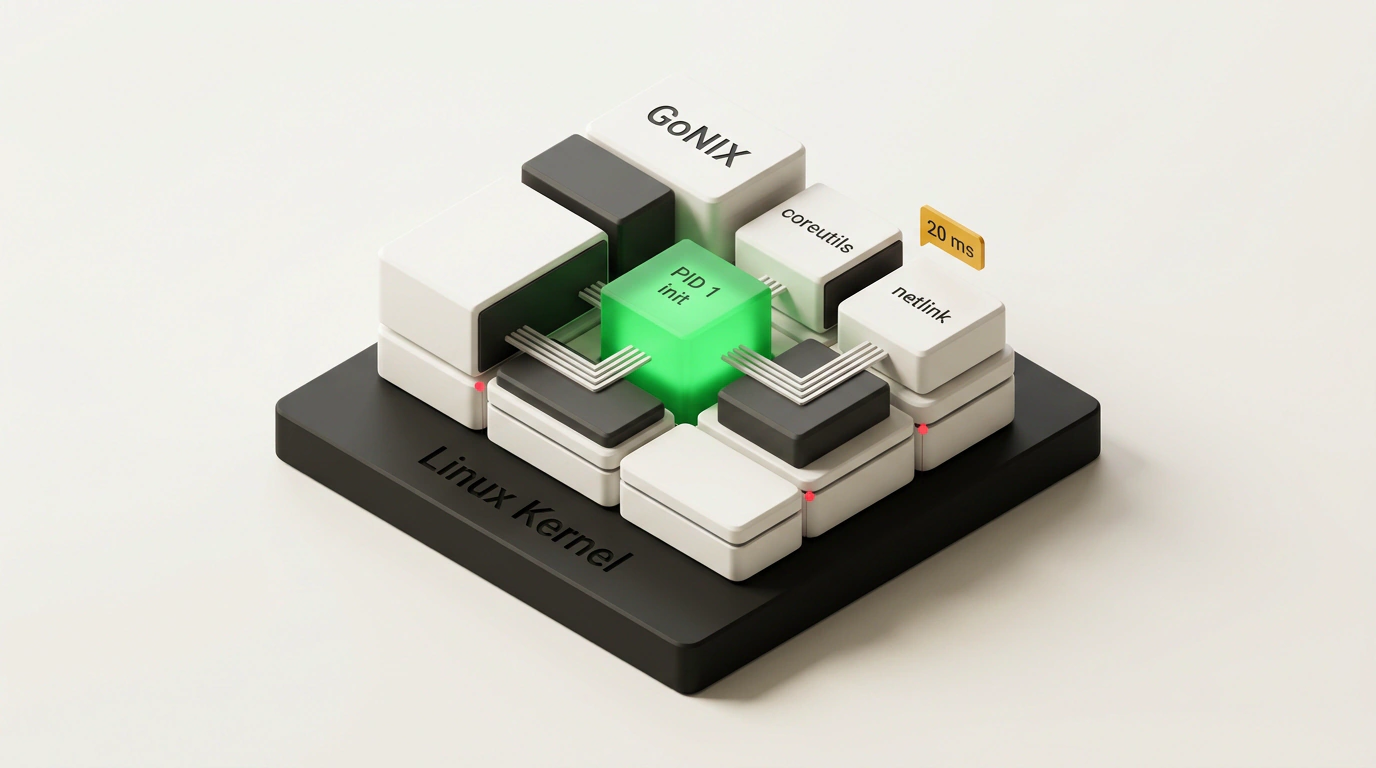
Isometric architectural diagram of GoNIX showing the Linux kernel and a pure Go userspace
ArticleDevelopmentOpen SourceLinuxGolang

GoNIX: A UNIX-Like Operating System with a Go Userspace

A minimal Linux setup usually means the same familiar stack: the musl C library, BusyBox utilities, and a tangle of shell init scripts. What happens if you throw out all that legacy baggage and rewrite the entire userspace in Go?

The creators of GoNIX took that exact route. There is no classic init daemon or systemd here: PID 1, a networking stack built on netlink sockets, a single multicall coreutils binary, and even an embedded SSH server are all statically compiled in Go.

The result is striking: the system boots to a login prompt in just 20 milliseconds, and layering a writable filesystem over initramfs works with zero memory copying. You trade slightly larger binaries for that speed, which is an ideal swap for micro-VMs and serverless environments.

👍 0
DevOps&SRE LibraryGoNIX Official Site and Live Demo
October 19
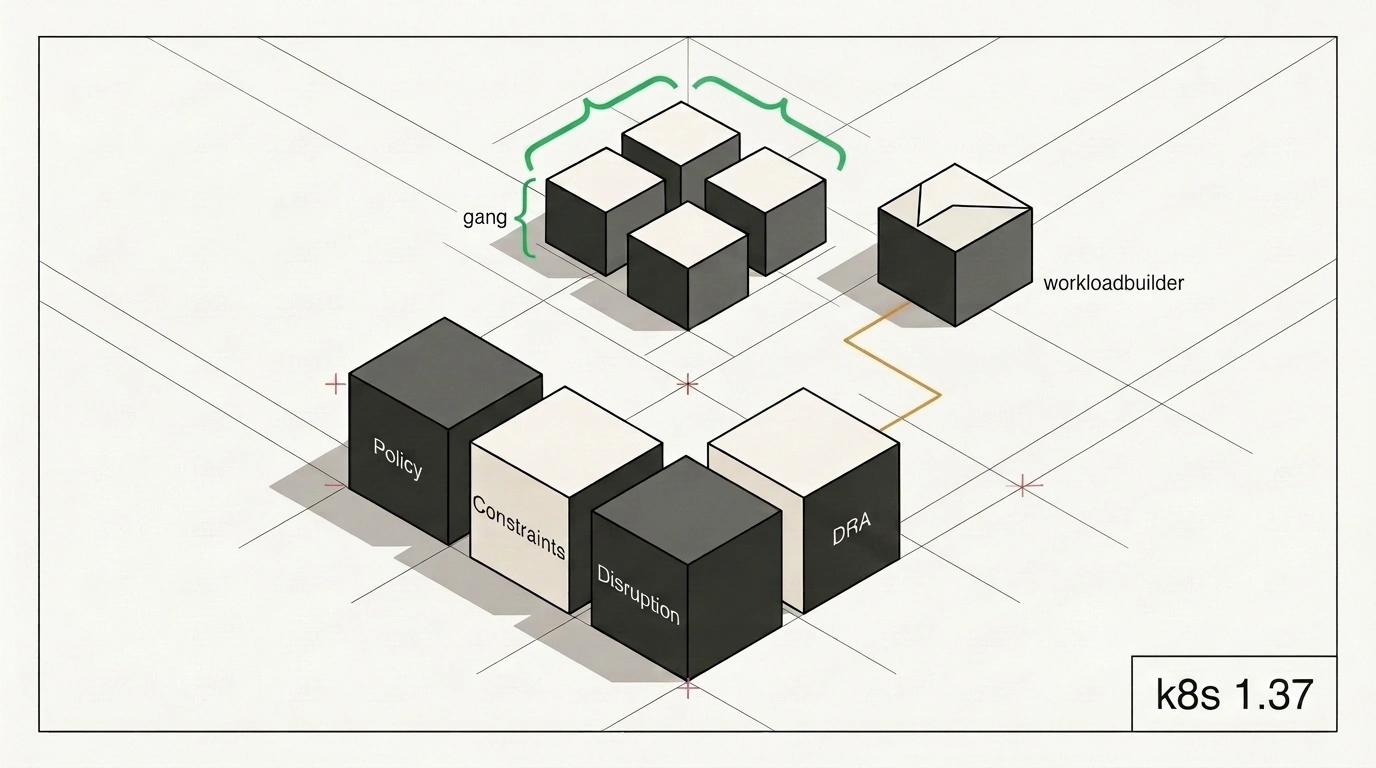
Modular diagram of Kubernetes 1.37 scheduler building blocks with group pod placement
ArticleDevelopmentAutomationKubernetesDevOps

Workload-Aware Scheduling in Kubernetes 1.37: The Building Blocks Architecture

Why overhaul the Kubernetes scheduler yet again when a dozen operators already exist for distributed model training? Until version 1.37, every project—Ray, Kubeflow, Volcano, JobSet—had to cobble together its own workarounds for gang scheduling, launching jobs on an all-or-nothing basis.

Custom controller authors ended up drowning in bespoke kube-scheduler plugins and duplicated validation logic. In Kubernetes 1.37, the Workload-Aware Scheduling (WAS) architecture finally delivers standardized building blocks in scheduling.k8s.io/v1alpha3 alongside the shared workloadbuilder library.

Now an operator describes pod quorums and node co-location using declarative Go structs, and the compiler builds core scheduler objects safely without risking scheduler breakage.

👍 0
DevOps&SRE LibraryWorkload-Aware Scheduling in Kubernetes 1.37 (Heba Elayoty)Kubernetes Scheduling SIG Documentation
October 19
News · October 194 news items

Adapting UI Animations with useReducedMotion in React

The useReducedMotion hook from motion/react lets you adapt web UI animations instantly to the OS prefers-reduced-motion setting. Swapping sharp slide-ins and parallax effects for a gentle opacity fade protects users with vestibular sensitivities without losing transition context.

Infrastructure Digest: Record Patch Tuesday, GhostAction Attacks, and Yandex Cloud Status

October's infrastructure roundup logs a record 1,407 vulnerabilities in Microsoft's Patch Tuesday, the GhostAction attack wave stealing CI tokens from commit history across 30,000 GitHub repositories, and manual quota allocation at Yandex Cloud after data center outages. Engineers need urgent patching and secret rotation.

SQL and DAX: Splitting Roles Between Data Prep and Interactive Analysis

In an analytics stack, SQL and DAX solve fundamentally different problems: SQL handles heavy table prep and filtering inside the database, while DAX formulas compute dynamic measures in Power BI's memory based on report filter context. Splitting those roles cleanly keeps dashboards from grinding to a halt.

Logical Execution Order of a SQL Query: Why SELECT Runs Second to Last

Even though a SQL query starts with the word SELECT, the database's logical pipeline begins with FROM and JOIN, then moves through WHERE, GROUP BY, and HAVING before evaluating SELECT projections and ORDER BY sorting. Knowing this sequence prevents broken column-alias errors when filtering data.

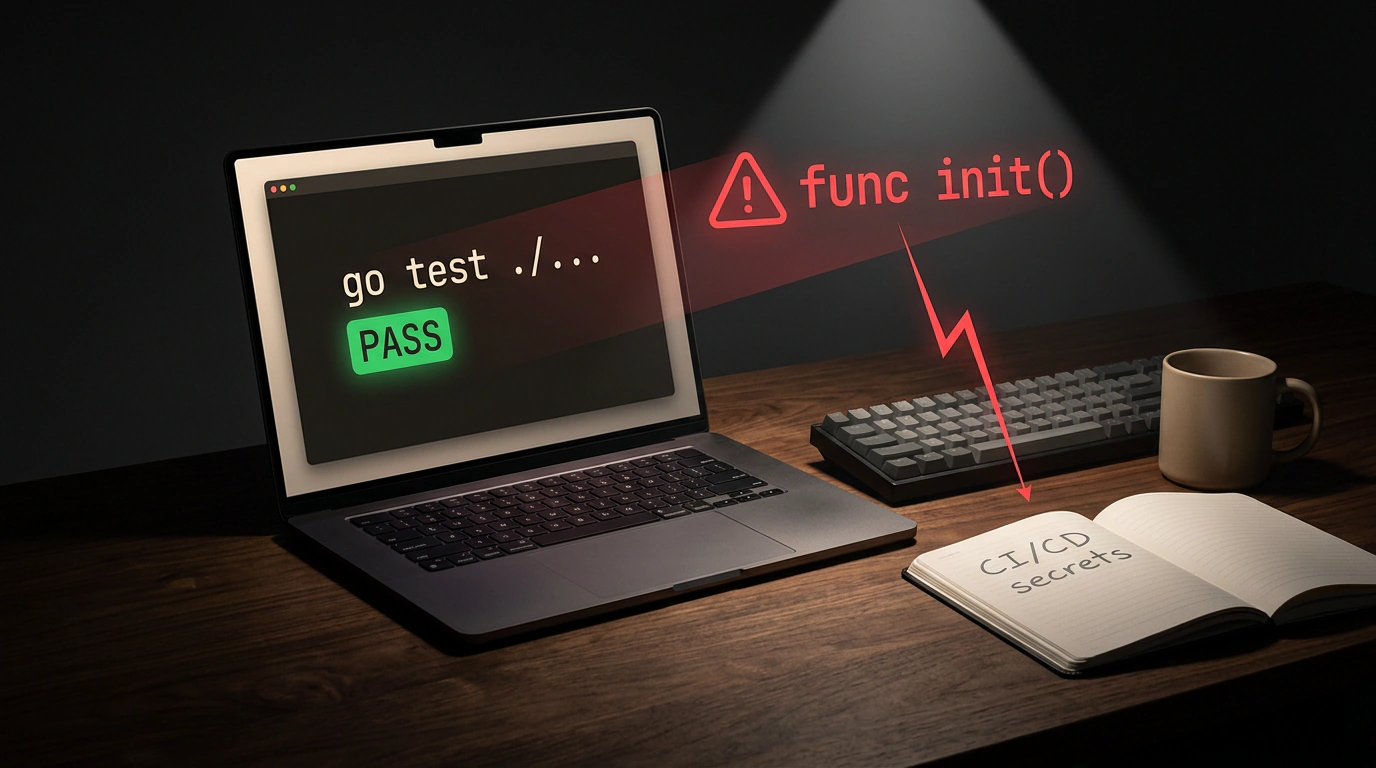
Dramatic chiaroscuro desk still life showing a security warning for Go init() execution
ArticleSafetyDevelopmentGolangCI/CD

The Hidden Danger of init() in Go Dependencies: Why go test Puts CI Secrets at Risk

Go is widely assumed to be immune to npm-style supply-chain worms: go get and go build never execute hidden install scripts. Yet that fortress has a blind spot many engineers overlook—running go test.

When building a test binary, the Go runtime must call the init() functions of every imported package before running a single test. If a third-party library is compromised, malicious code gains full access to the OS process and immediately sweeps sensitive variables out of os.Environ().

The biggest danger is inside CI/CD pipelines: if Kubernetes deploy tokens or cloud keys are exposed to the test step, they leak to an attacker fractions of a second before the tests even finish. Auditing with capslock and isolating secrets via short-lived OIDC tokens closes that gap.

👍 0
Библиотека Go-разработчикаJules Robineau — The npm worm does not work in Go
October 19
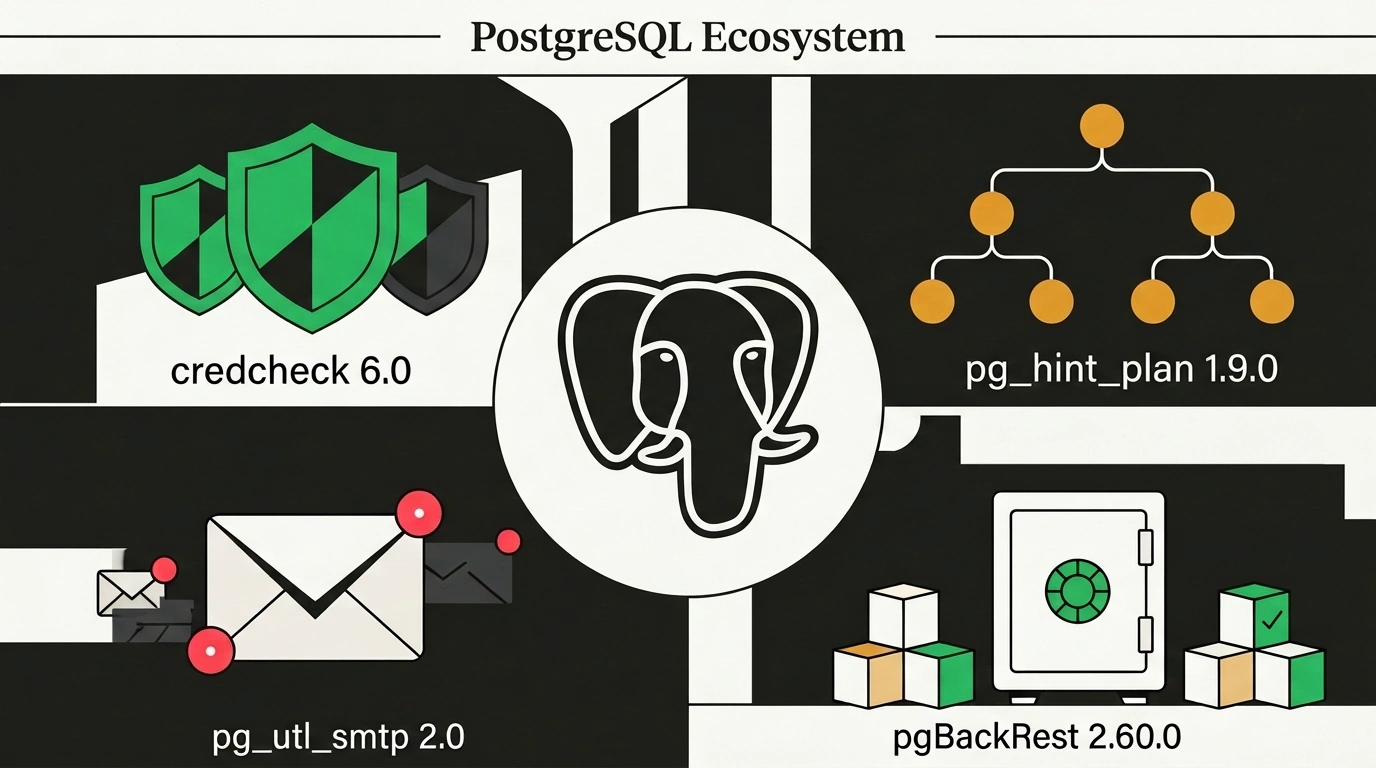
Quartet of PostgreSQL ecosystem architectural modules for security, backup, and optimization
Thematic roundup4 sectionsDataOpen SourcePostgreSQLDatabases

PostgreSQL Ecosystem: New Releases for Security, Optimization, and Backup Tools

PostgreSQL's strength has always come from its rich extension ecosystem as much as from the database core itself. Developers just rolled out synchronized updates across four key database infrastructure tools:

  • credcheck 6.0: the password auditing module gains direct PgBouncer integration, a fast mmap-backed session log, and brute-force lockout protection.
  • pg_hint_plan 1.9.0: the query plan hinting library is ready for PostgreSQL 19 and introduces Path Generation Strategies (PGS).
  • pg_utl_smtp 2.0: the procedural mail client now supports asynchronous notifications and TLS for migrations from Oracle and MSSQL.
  • pgBackRest 2.60.0: the backup tool enforces strict page checksum verification during restores.

Together, these releases tighten security guarantees and prepare database infrastructure for upcoming major PostgreSQL versions.

👍 0
PostgreSQL NewsGitHub — HexaCluster/credcheckpgBackRest Official Documentation and Releases
October 19
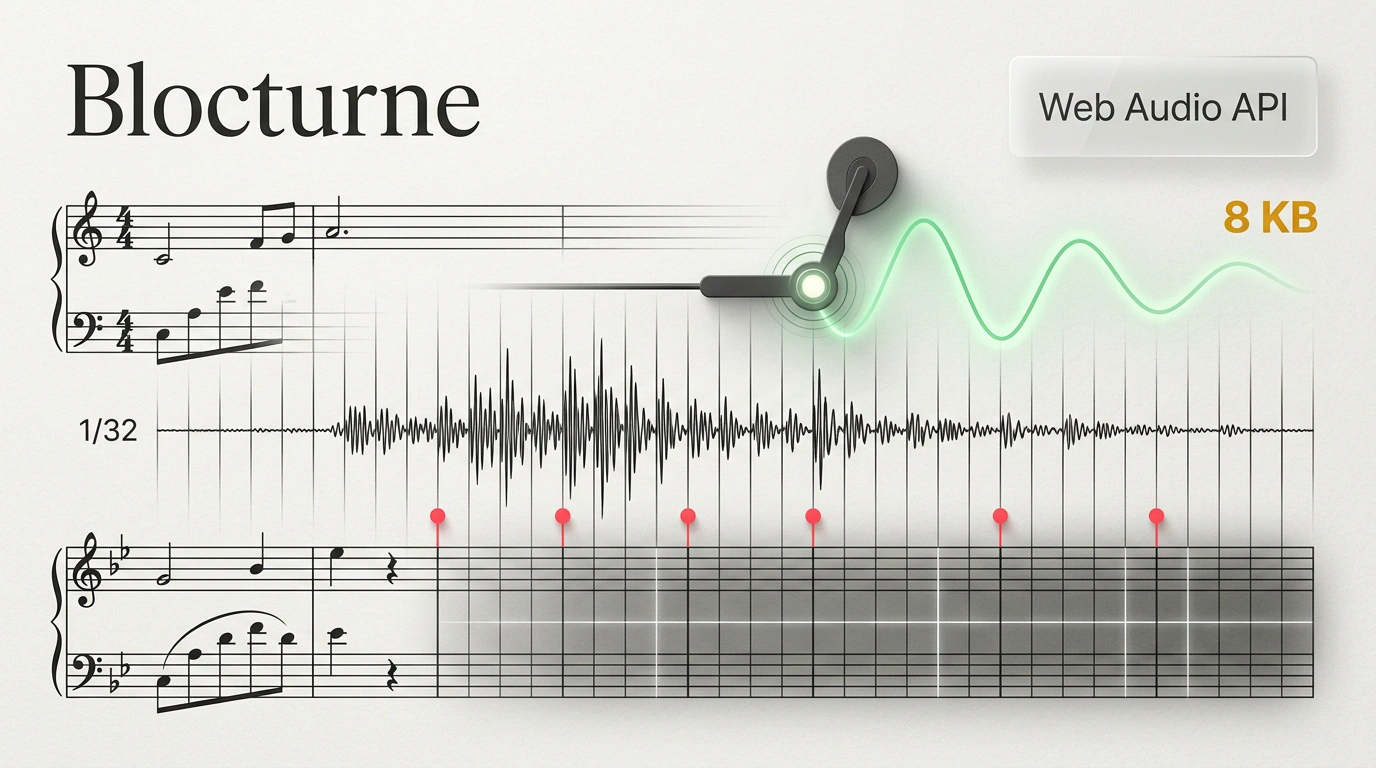
Procedural music synthesis and musical score with measure quantization in WebAudio
ArticleDevelopmentAlgorithmsWebAudioGamedev

Procedural Audio with WebAudio: Note Quantization and Solving the Android Node Bottleneck

How do you fit an adaptive soundtrack of 19 classical pieces by Chopin and Debussy into an 8 KB web game? While building Blocturne for Telegram Mini Apps, developer Sergey Rozhkov ditched heavy MP3s in favor of pure procedural audio on WebAudio.

Instead of static tracks, the engine stores compact note structures, locks player move tones to the current chord, and snaps clicks to a 1/32nd-note grid. On Android phones, though, the audio suddenly crackled—not from math overhead, but from creating and garbage-collecting thousands of short-lived audio nodes.

A hybrid pre-render via OfflineAudioContext saved the day: scores bake into a stream ahead of time while the live runtime only plays pitch-matched move clicks.

👍 0
Node.JS [ru]Сергей Рожков — Архитектура звука игры Blocturne на ХабреMDN Web Docs — Web Audio API
October 19
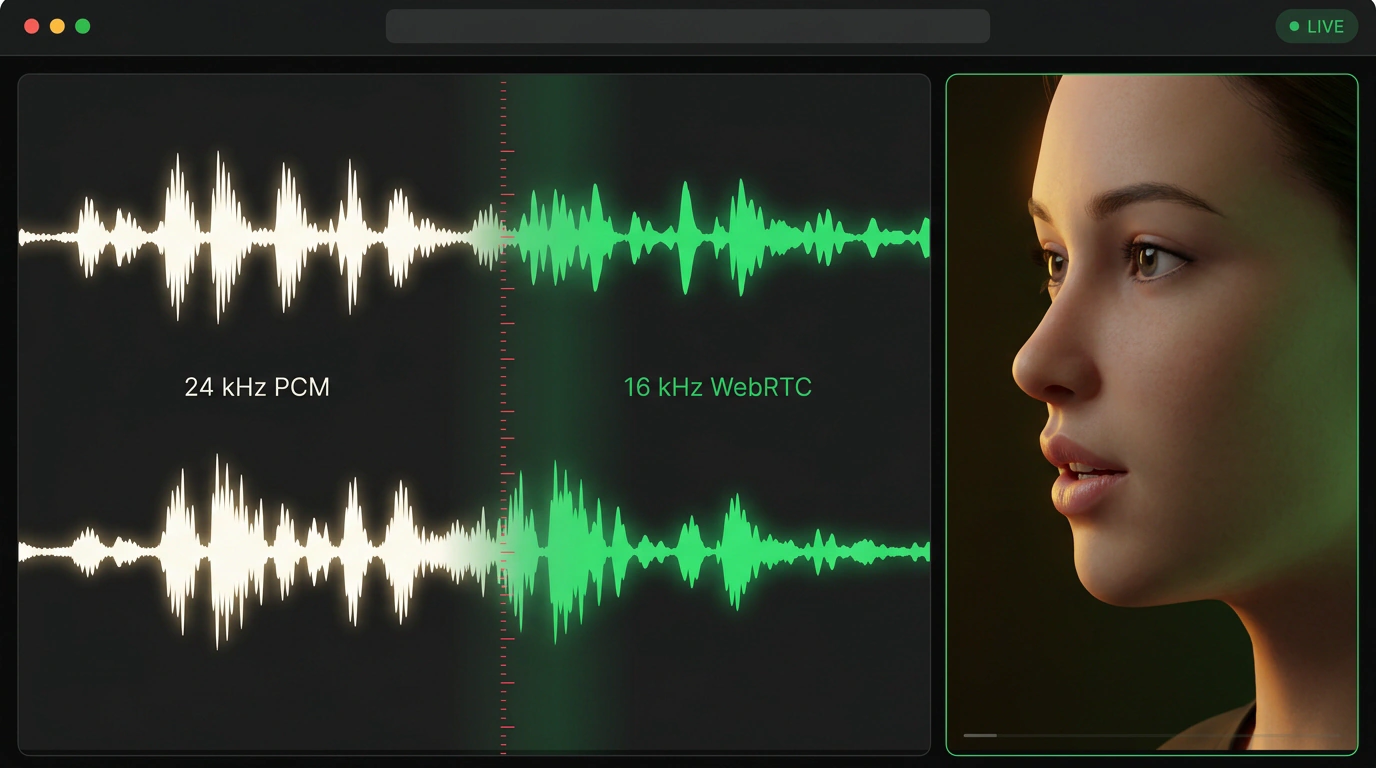
Real-time split frame showing 24 kHz to 16 kHz audio resampling for avatar lip-sync
ArticleDevelopmentAIWebRTCVoice Interfaces

Real-Time Face and Voice Sync: WebRTC Avatars on Top of Yandex Realtime

To attach a lifelike animated face to a Russian-speaking voice assistant without rewriting the backend around foreign platforms, developer Evgeny Ignatiev combined Yandex Realtime Speech with real-time video avatars (Simli and Anam) that demand strict lip-sync.

The solution is a hybrid pipeline. A FastAPI server receives 24 kHz PCM16 audio chunks, resamples them with sliding linear interpolation to 16 kHz without boundary clicks, and streams them over WebRTC to the avatar service.

In the browser, video plays inside an HTML5 element, bypassing mobile Safari's strict autoplay blocks by feeding a blank stream on tap—and falling back seamlessly to voice-only if the network drops.

👍 0
Node.JS [ru]Anam AI Developer DocumentationSimli Streaming Avatar Documentation
October 19
Conceptual comparison between a heavy browser stack and a lightweight RFC 9421 cryptographic agent passport
ArticleSafetyDevelopmentAI AgentsCryptography

A Cryptographic Passport Instead of Anti-Detect: How RFC 9421 Speeds Up AI Agents

Traditional web-agent automation has hit a wall: to slip past WAFs and Cloudflare, developers spin up heavy anti-detect browsers like Camoufox, rent residential proxies, and fake mouse movements—burning hundreds of megabytes of RAM and seconds per request.

The wbauth project proposes a fundamentally different paradigm: open bot authentication via RFC 9421 (HTTP Message Signatures). An agent signs each request with an Ed25519 key, and the target service verifies the signature instantly against a public directory.

The benchmarks speak for themselves: cold start drops from 1,744 ms to 5 milliseconds, and per-process RAM falls from a gigabyte to just 0.76 MB, replacing fingerprint cat-and-mouse with a transparent trust protocol.

👍 0
Node.JS [ru]IETF RFC 9421 — HTTP Message SignaturesGitHub — MrKoriy/wbauth
October 19