Issue October 26Daily digest · 9 items
In this issueReviewed 68 sources, gathered 9 items
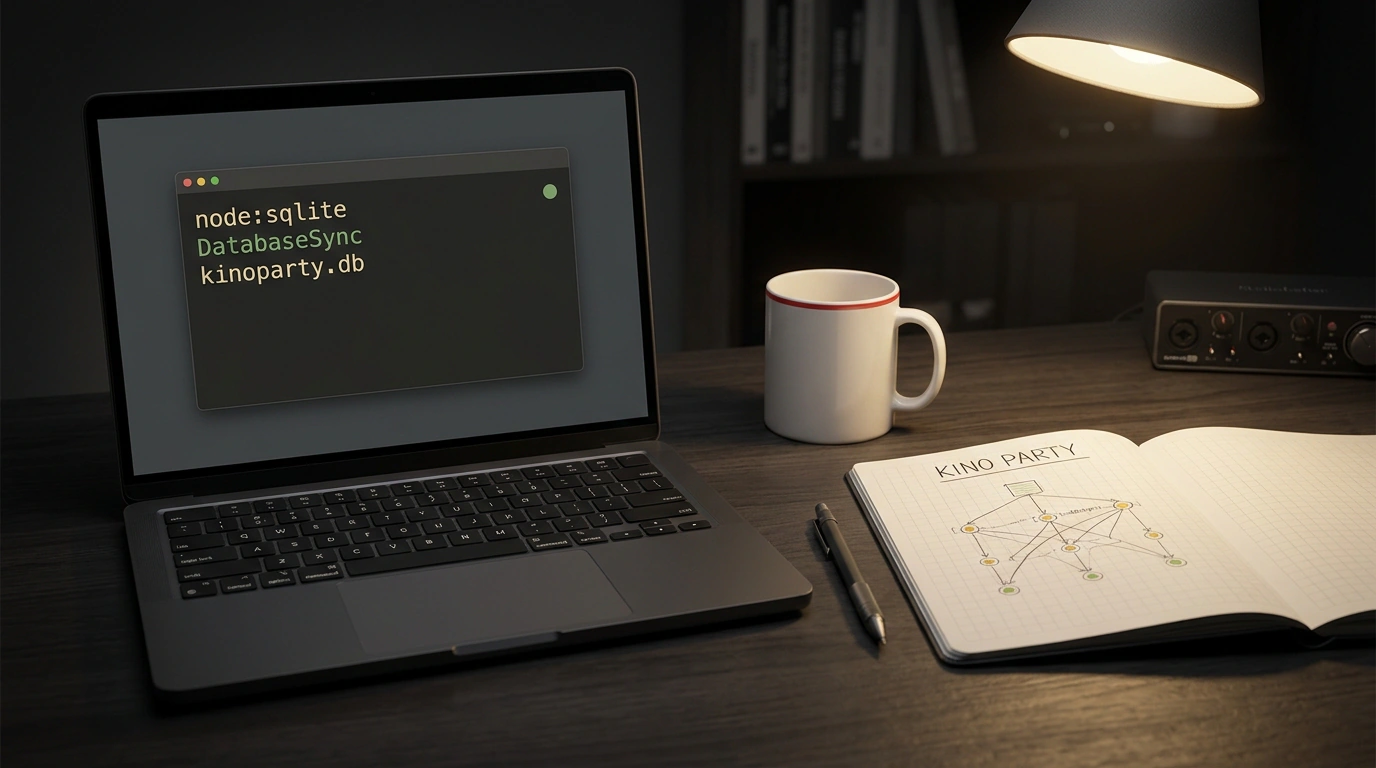
An engineer's desk with a matte laptop displaying node:sqlite code and a notebook with an inverted index diagram.
LongreadDevelopmentAlgorithmsOpen SourceNode.js

900,000 Movie Recommendations Without Neural Networks: How KINO PARTY Runs on Node.js and SQLite

Building a recommendation engine for 895,000 movies sounds impossible without tens of gigabytes of VRAM and external vector databases. Yet KINO PARTY proves otherwise: the entire catalog runs on a modest couple-of-bucks VPS powered by Node.js 24 and the native node:sqlite module.

I dug under the hood of this architecture: how L2 normalization of sparse feature vectors reduces similarity scoring to a fast dot product, why an inverted index finds matching films in 1–3 milliseconds, and how the author dodged the trap of 669,000 fake TMDB descriptions. See how clean math beats overengineering.

👍 0
Node.JS [ru]Node.js SQLite Documentation
October 26
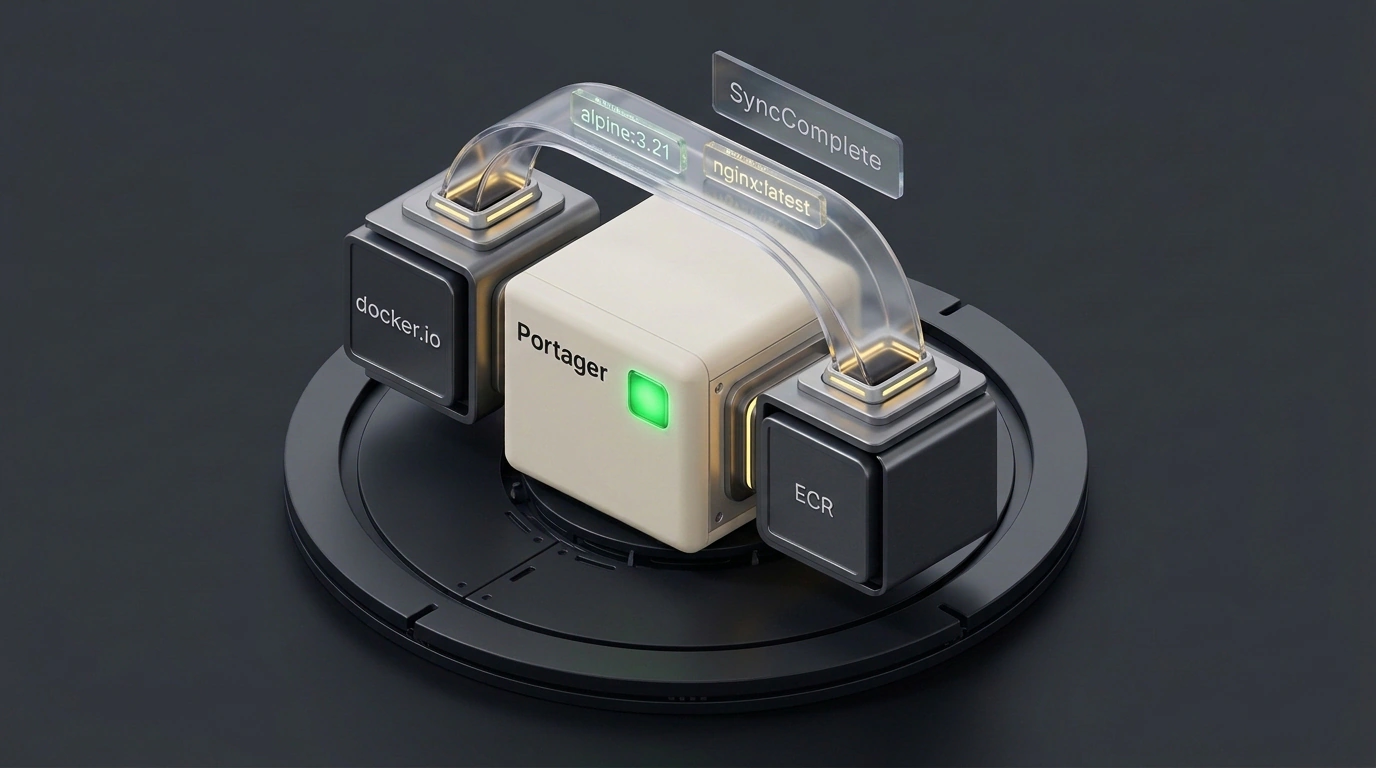
Isometric 3D diagram of the Portager controller in a Kubernetes cluster syncing container images between registries.
ArticleAutomationDevelopmentOpen SourceKubernetes

Portager: Declarative Container Image Mirroring and Sync in Kubernetes

Syncing container images between external and private registries in air-gapped Kubernetes clusters has relied on brittle bash scripts and external CI runners for years. One expired certificate or downed runner stalls base-image delivery, leaving on-call engineers digging through logs in the dark.

The open-source operator Portager v0.5.0 moves mirroring straight into the cluster Control Plane via an ImageSync custom resource. Its controller checks manifest digests over HTTP HEAD, pulls layers only when something actually changes, supports SemVer tag filters like ~1.27.0, and auto-creates target repos in AWS ECR. I tested the tool and broke down how to build a reliable GitOps workflow without duct tape.

👍 0
DevOps&SRE LibraryPortager GitHub Repository
October 26
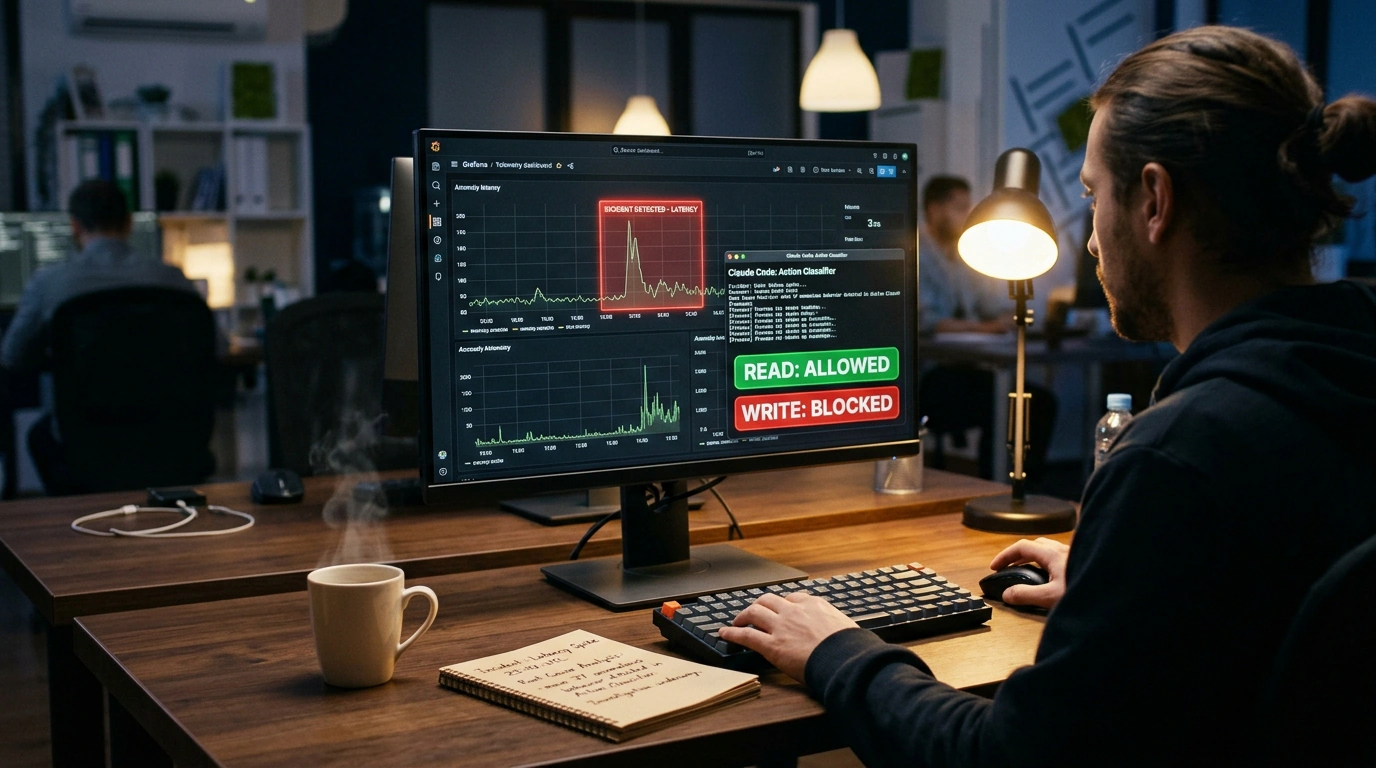
Anthropic reliability engineer's workstation during anomaly graph analysis and Claude agent action classification.
ArticleAIAutomationDevelopmentSRE

Can Claude Fix Production? Lessons from an Anthropic On-Call Engineer

Can a terminal AI agent investigate and fix live production incidents on its own? Anthropic on-call engineer Alex Palcuie put it to the test across real outages in Claude's high-load infrastructure—and shifted his spring verdict from a flat "no" to a pragmatic "maybe."

In this breakdown of his talk, I walked through three revealing on-call cases: from a "Move 37" insight where the model uncovered a coordinated attack across 200 accounts, to falling for a false cache correlation. The agent far outpaces humans at gathering metrics, yet during root-cause analysis it easily mistakes coincidence for cause. The takeaway is clear: you need a strict action classifier separating read and write permissions, with a human engineer making the final call.

👍 0
DevOps&SRE LibraryCan Claude fix itself? By Sylvain Kalache
October 26
Mixed-media paper collage illustrating the 1.125 typography modular scale and simplified W3C website cards.
ArticleDesignDevelopmentCSSFrontend

W3C Ditches Extra Wrappers: Simplifying the Official Website Design System

A bloated DOM tree and endless helper <div> wrappers plagued even the official W3C portal for years. Just to keep a card looking neat, developers had to wrap elements inside rigid CMS containers.

Studio 24 ran a major overhaul of the design system, restoring component autonomy with native web standards:

  • Adopted a 1.125 modular scale and smooth fluid typography via clamp();
  • Moved the max-inline-size: 70ch line-length cap from outer wrappers directly onto headings and paragraphs;
  • Replaced legacy Normalize.css with a modern reset and CSS Logical Properties.

In this breakdown, I highlighted the exact CSS rules that strip redundant containers from markup and make responsive UI maintenance simpler.

👍 0
Библиотека фронтендераW3C Design System Update Blog
October 26
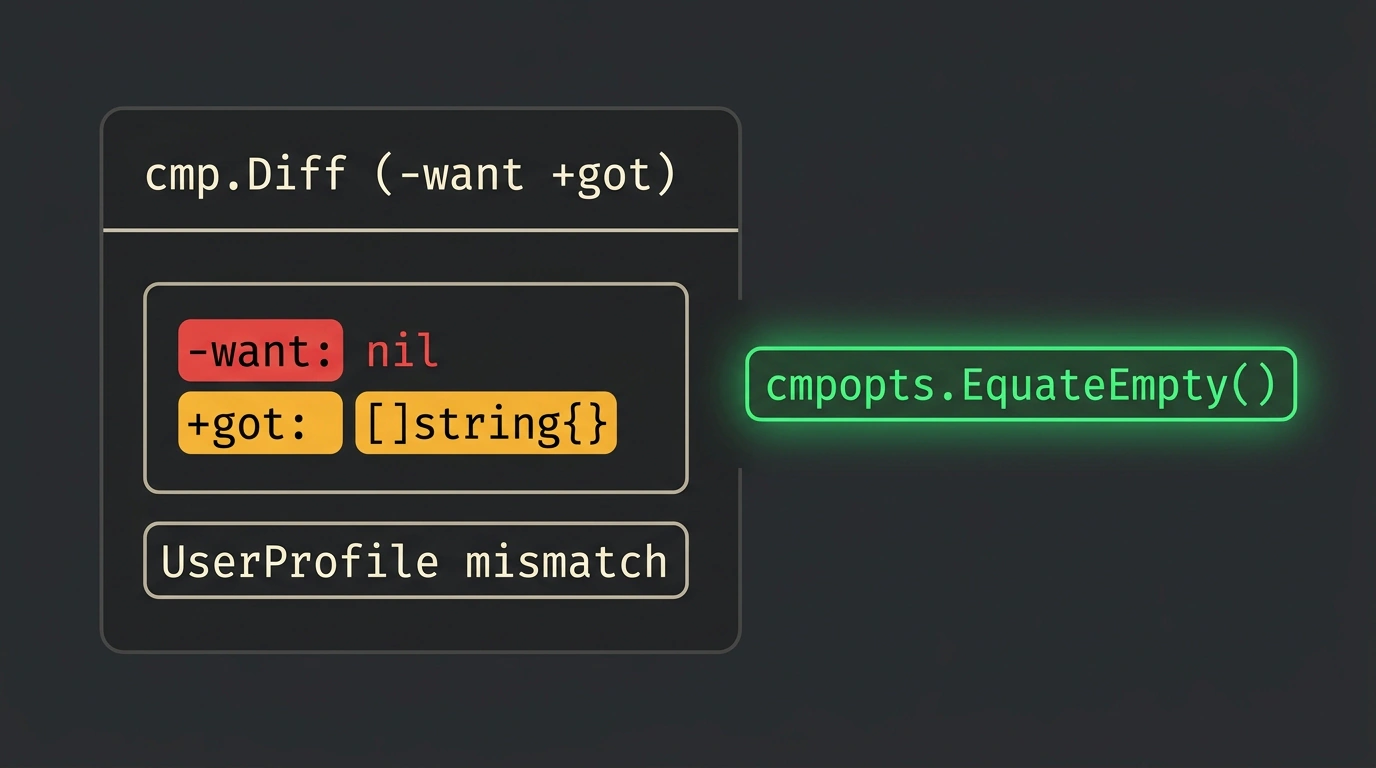
Terminal Go test debugging interface with pinpoint google/go-cmp diff highlighting on a graphite screen.
ArticleDevelopmentOpen SourceTestingGolang

Test Failed: How to Print Exact Diffs for Complex Go Structs with go-cmp

The familiar binary expected true, got false from Go's standard reflect.DeepEqual forces developers to spend hours hunting down a single mismatched field across hundreds of lines of serialized JSON. When a test fails on a deeply nested struct, built-in tools fall short.

Google's official google/go-cmp v0.7.0 library solves this with cmp.Diff, highlighting exact differences with -want and +got markers. I broke down how to configure cmpopts.EquateEmpty() for empty slices, why the library panics on unexported fields, and how to write custom comparers for time types to cut debugging time.

👍 0
Библиотека Go-разработчикаGoogle go-cmp Repository
October 26
Comparative still life of two coding benchmark processors showing 118 tps at $0.60 versus 67 tps at $1.12.
ArticleAILLMDevelopmentBenchmarks

Building a Web Service for Under a Dollar: DeepSeek 4.1 Flash vs. MiMo 2.6 Flash

Building a full web service with auth, an admin panel, and a database for 60 cents sounded like fiction—until high-load systems expert Alexey Rybak tested Chinese lightweight models live on stream. The experiment showed just how fast the economics of coding are shifting.

DeepSeek 4.1 Flash pushed an impressive 118 tokens per second, finished in 298 network requests, and assembled a working language-learning app before the stream ended. Rival MiMo 2.6 Flash was more methodical in task decomposition, but trailed in speed (67 tps) and cost $1.12. I compared how both behaved under real workload and why expensive prototyping subscriptions are rapidly becoming a thing of the past.

👍 0
System Design & HighloadArtificial Analysis AI Benchmarks
October 26
Surreal still life featuring a PHP server, a CVSS 9.2 warning shield, and emergency patch versions for 8.2–8.5.
ArticleSafetyDevelopmentPHPBackend

Emergency PHP Patch: Two Critical CVSS 9.2 RCEs Fixed Across 8.2–8.5

An out-of-band emergency patch for PHP 8.2–8.5 closes two critical unauthenticated remote code execution flaws (CVE-2026-109618 and CVE-2026-109619) carrying a devastating CVSS 9.2 score. An attacker needs zero credentials—sending a specially crafted request to any public URL is enough.

Both bugs sit directly inside the Zend Engine core, affecting Out-of-Memory (OOM) error handling and global state leaks across isolated requests in PHP-FPM worker pools. Under Apache mod_php, the exploit fires before control even reaches application code, rendering WAF rules powerless. In this breakdown, I put together the patched version matrix and flagged the upcoming support deadline for PHP 8.2.

👍 0
DevOps by REBRAINPHP Security Announcements
October 26
Isometric modular model of the Hono v4.13.14 router with secure Bearer auth and static method filtering.
ArticleDevelopmentOpen SourceBackendTypeScript

Hono v4.13.14: Custom Responses in bearerAuth and Targeted Routing Optimizations

Clean authentication pipelines in TypeScript apps often hit a snag when you had to wrap middleware in clunky interceptors just to return a specific HTTP status or audit header. The Hono v4.13.14 release closes that gap.

The MessageFunction callback in bearerAuth can now return a standard Response object directly, cutting boilerplate and letting you set headers like WWW-Authenticate on the fly. The update also tightens static file serving: serve-static now accepts only safe GET and HEAD methods and properly respects Accept-Encoding quality weights for Brotli compression. I rounded up the key changes with a working configuration example.

👍 0
Hono ReleasesHono Documentation
October 26
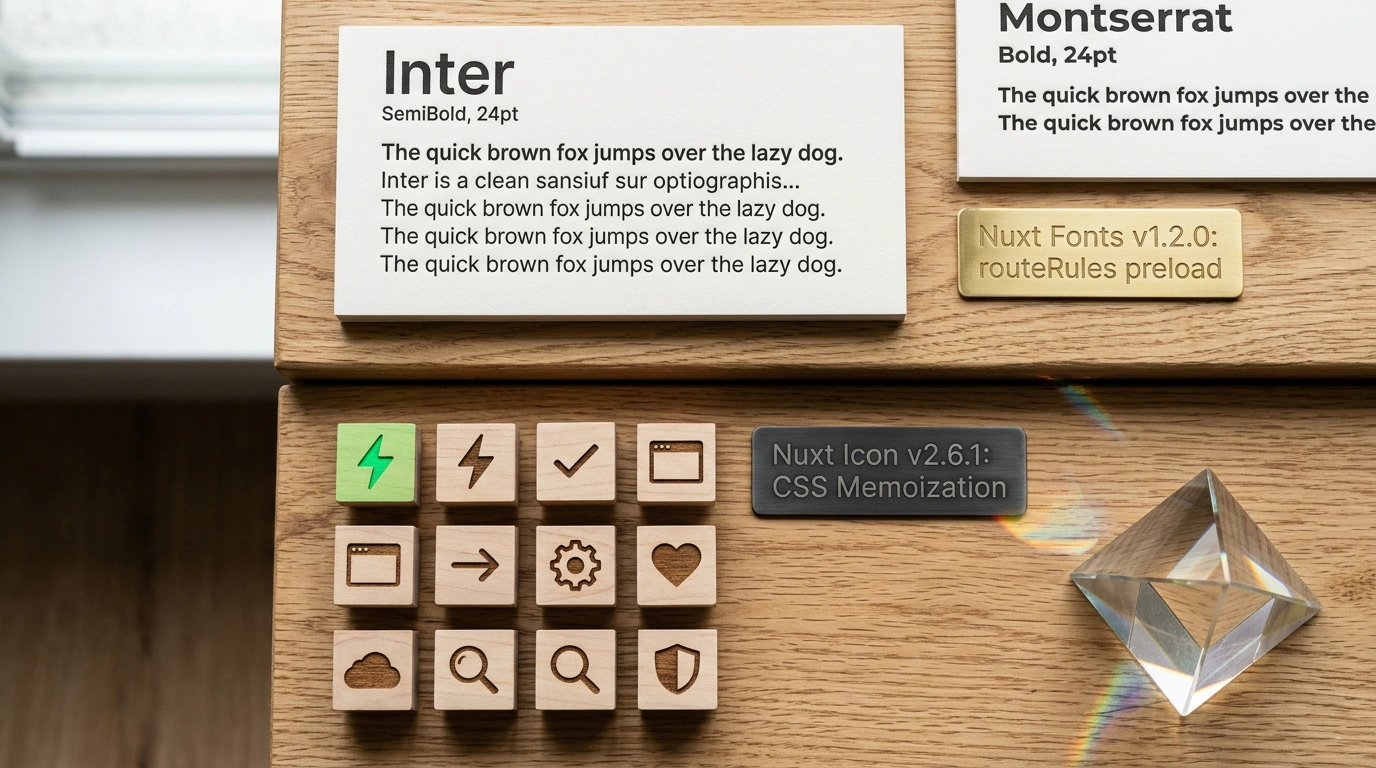
Staged Nuxt web performance still life with Nuxt Fonts v1.2.0 typography and Nuxt Icon v2.6.1 vector icons.
Thematic roundup2 sectionsDevelopmentOpen SourceVueNuxt

Nuxt Ecosystem: Per-Route Font Preloading and Faster Icon Rendering

Chasing green Core Web Vitals often comes down not to heavy JavaScript, but to basic visual assets—fonts and vector icons. Slow-loading typefaces trigger layout shifts (CLS), while hundreds of SVG elements tax server CPUs on every HTTP request.

The Nuxt team tackled both bottlenecks with synchronized updates to two official modules. Nuxt Fonts v1.2.0 adds font preloading inside routeRules, letting you enable preload strictly on target landing pages. Meanwhile, Nuxt Icon v2.6.1 introduces cross-request CSS memoization and HTTP header overflow protection. I broke down how to wire both settings into nuxt.config.ts for faster rendering.

👍 0
VueDigest (Nuxt Fonts v1.2.0)Nuxt Fonts GitHub Repository
October 26