Two updates just landed in international e-commerce that take the first shopper touchpoint away from online stores. Shoplinkz connected its catalog search to the Claude chatbot, while Pinterest rolled out its AI-powered Compare feature in the US. Both tools handle routine product discovery before a user ever opens an individual card. While these features aren't live on Wildberries, Ozon, or Yandex Market yet, both releases clearly show which product fields external selection algorithms rely on.
Shoplinkz in Claude: Searching Store Catalogs in Plain Language
Previously, conversational product search at Shoplinkz only lived inside its own Ask Shoplinkz assistant. Now the team has opened access to its database from Claude using a connector built on the Model Context Protocol (MCP). In plain terms, this connector acts as an official bridge between the AI and an external catalog. A shopper types a request in chat, like looking for a gift or a specific item, and Claude scans different stores to return matching products with prices and direct links.
The tool has two modes depending on login status. Without signing in, the connector searches English-language catalogs and returns a curated list with links to sellers. Once logged into a Shoplinkz account, the assistant gains access to personal shopping lists and the user's custom Mall Map of stores. In this mode, Claude can save good finds to the user's lists for later.
The connector's powers stop strictly at the storefront—it never touches the checkout. According to the company and a Fintechnize review, you cannot place an order, process payment, or change profile settings through the chat. Its job ends at discovery and handoff, leaving final checkout entirely on each store's website. The entry barrier is minimal: searching through the Claude connector has a free tier, and a basic free Ask Shoplinkz account includes 10 queries per month, though developers haven't publicly disclosed the exact monthly quota inside Claude.
From a seller's perspective, the buyer's filter shifts from flashy banners to data accuracy. When someone describes a need in plain words in chat, the model pulls products using clear titles, structured specs, and up-to-date catalog prices. Sloppy descriptions or outdated pricing will get your item filtered out right inside the chat.
Pinterest Compare: AI Comparison by Price, Availability, and Reviews
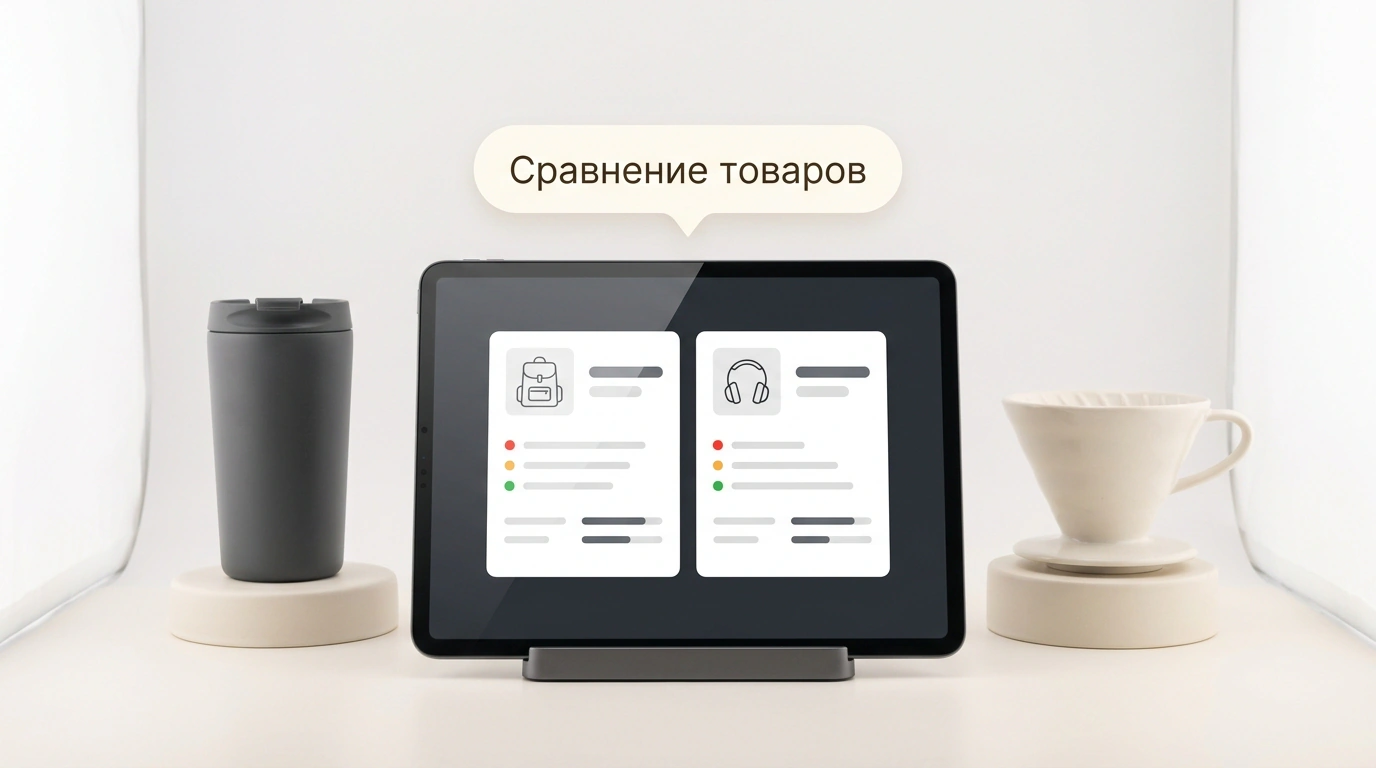
The second release hits the same target from the visual feed side, where shoppers start by browsing images. Ahead of the holiday season, Pinterest launched its AI-based Compare feature for US users. When someone opens a shoppable Pin, the system gathers similar items and lines them up side by side in a comparison carousel. On mobile, it works on boards and inside the conversational Pinterest Assistant, now open to all US iOS users. On desktop, comparison launches via the Close-up button on a product card.
What matters most is the exact set of columns the algorithm uses to pit rivals head-to-head. According to Social Media Today, the Compare carousel displays three core metrics: price, real-time availability, and customer reviews. Meanwhile, Pinterest Assistant—built on Pinterest Intelligence using visual search and behavioral signals—guides users through multi-step conversations to pick gifts or decor. Roughly 80% of queries in this assistant have commercial intent and lead to clickable product cards.
Alongside this, the platform is testing updated Wishlists with a limited iOS audience in the US and Canada. Shoppers can save holiday gift ideas, share the list with family, and turn on automatic alerts. Whenever a saved item drops in price or an out-of-stock product returns to shelves, the app notifies the shopper.
In a carousel like this, shoppers see your card right next to competitors without extra clicks or branded store covers. If your stock levels update slowly, your card shows out of stock in the comparison list, and the buyer opens the option next door. The same goes for inflated prices and unaddressed negative reviews, which AI selection puts front and center. For sellers, the takeaway is simple: clear specs, live prices and stock, and a healthy rating now decide the sale before the shopper even reaches your card.