Issue November 10Daily digest · 6 items
In this issueReviewed 35 sources, gathered 6 items
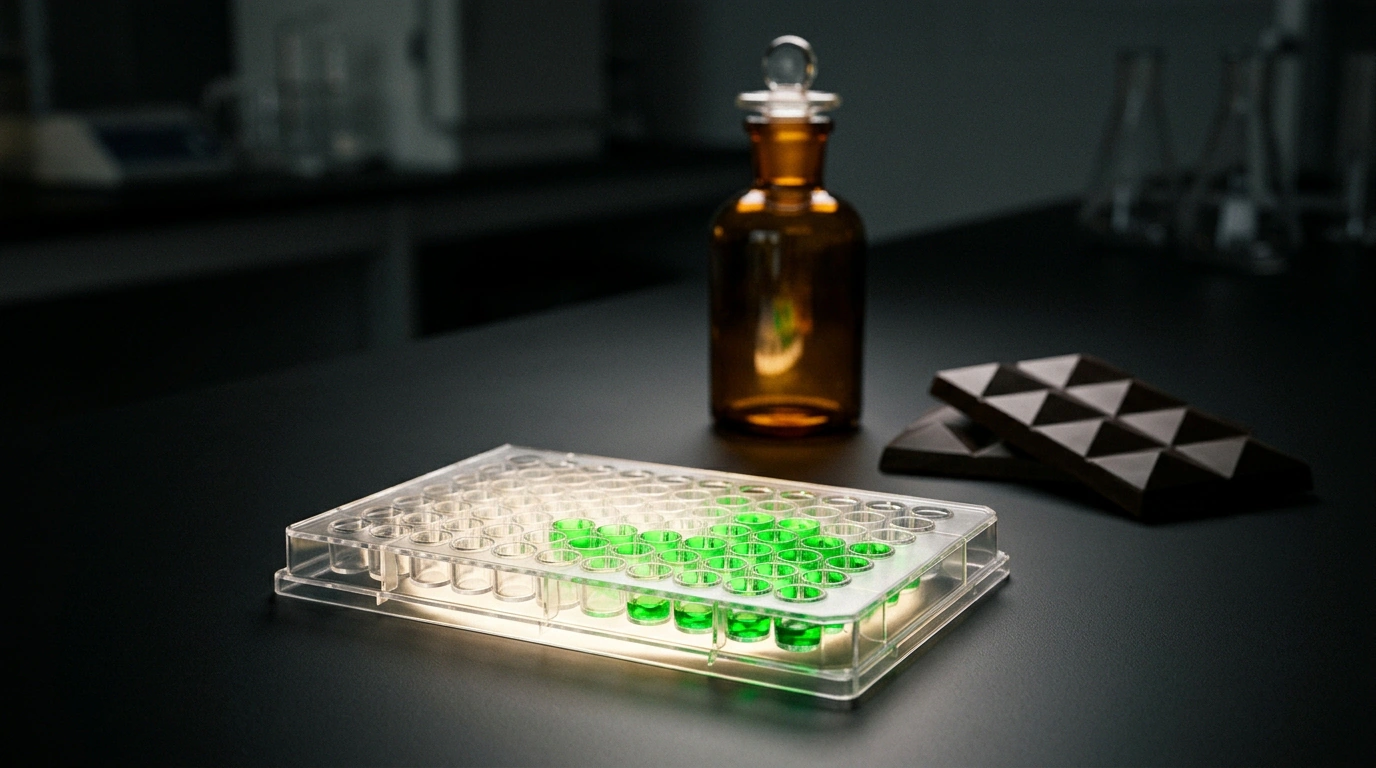
Backlit biotechnologists' laboratory microplate with fluorescent solution droplets beside a bar of dark chocolate
ArticleHealthNutritionBiotechnologyMyths

"Human Meat in Chocolate": How the HEK293 Cell Line Sparked a Cannibalism Myth and What Biotech Actually Does

If you search the code HEK293 after watching a clip about "human meat in sweets," reference guides really do return a 1973 human embryonic kidney cell line and contracts with food giants. Viral videos with millions of views are built on that half-truth, even though the culture itself lives only in sterile flasks.

In biotech, these cells serve as an optical sweet-taste sensor for testing plant-based sweeteners in a test tube instead of on humans. Yet between a glowing cell in a lab and a factory vat of chocolate stands a barrier that fearmongers never mention.


👍 55
Страшная химияPNAS: Human receptors for sweet and umami taste
November 10
Large chart of cellular metabolic pathways unrolled on a wooden table beside fresh whole foods
ArticleHealthBiohackingVitaminsEvidence-Based Medicine

The Metabolic Map Illusion: Why Vitamins' Role in Biochemistry Doesn't Prove the Value of "Just-in-Case" Supplements

When a nutritionist unrolls a giant diagram of cellular reactions in front of you, it is easy to believe that without a handful of capsules your metabolism will falter. The trick hits the mark: familiar vitamins and coenzymes flash at the chart's nodes, and your hand reaches to stock up just in case.

In reality, the teaching poster only maps the cell's internal routes, while a JAMA review of 84 studies found that multivitamins did nothing to protect healthy people from heart attacks or cancer. Worse still, a couple of familiar "preventive" bottles can actively work against you.

👍 41
Бородатый не пробовал...NEJM: Vitamin D Supplements and Prevention of Cancer and Cardiovascular Disease (VITAL)
November 10
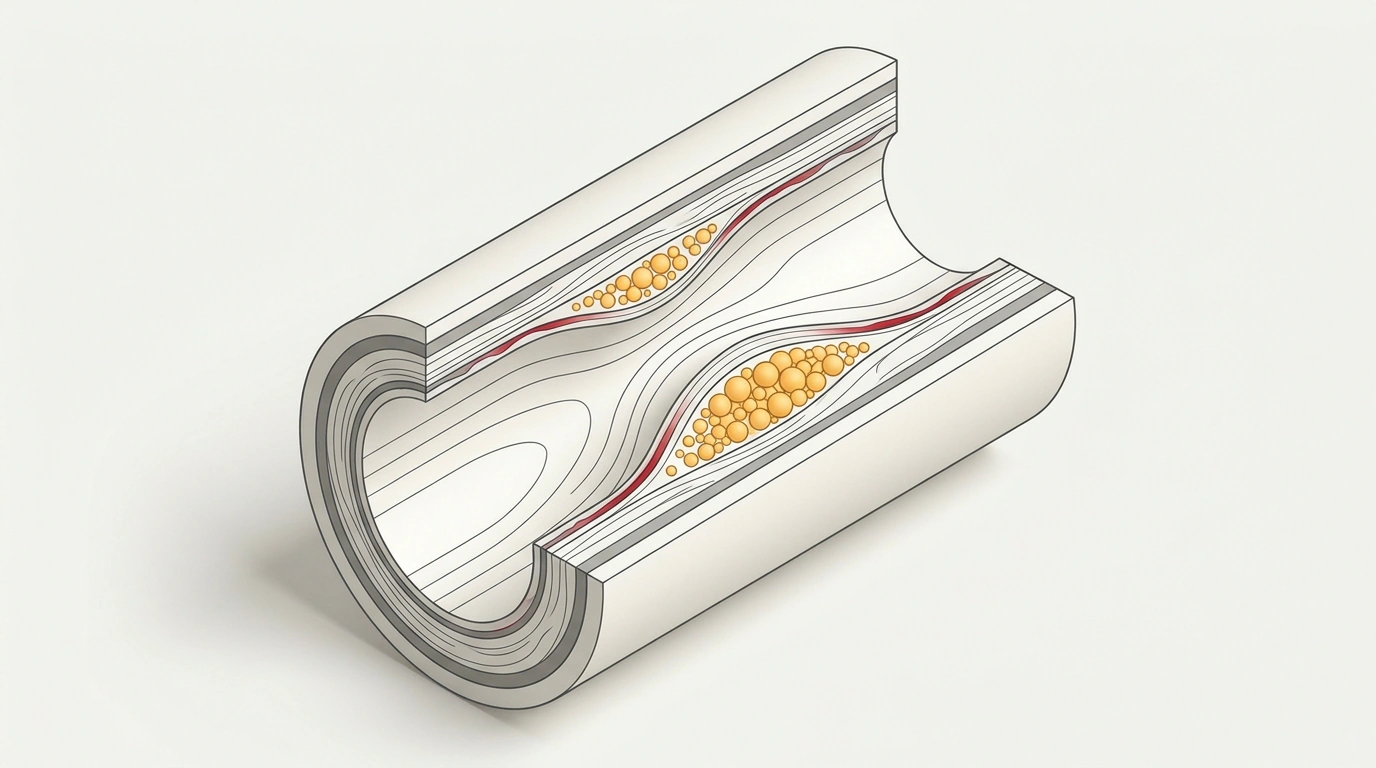
Isometric architectural graphic cross-section of an artery showing lipids depositing in the vessel wall
NoteHealthEvidence-Based MedicineCardiologyCholesterol

"Cholesterol Has Nothing to Do with It, Inflammation Is to Blame"? Why Atherosclerosis Is Impossible Without LDL and What the Failure of IL-6 Blockers Teaches Us

Facing the threat of atherosclerosis, you stand at a fork in the road: douse vascular inflammation with "anti-inflammatory protocols" or lower LDL cholesterol with statins. The first tempts you with avoiding "extra chemicals," while the second gets slammed in blogs for blindly treating lab numbers.

Yet November's ZEUS trial of over 6,300 patients turned the debate upside down: potent inflammation blockade slashed C-reactive protein by 64%, yet failed to prevent heart attacks and strokes. A record drop in inflammatory markers is powerless as long as another mechanism is at work inside the artery.

👍 15
Доктор УтинNEJM: Rosuvastatin to Prevent Vascular Events in Men and Women with Elevated C-Reactive Protein (JUPITER)
November 10
Cup of black espresso on a coffee table in morning sunlight beside roasted coffee beans
NoteHealthNutritionNeuroscienceHabits

Why We Fall in Love with Bitter Coffee: Discovery of a "Slow" Dopamine Pathway Between Gut and Brain

Why does the first sip of straight espresso make you wince, yet two weeks later you wake up looking forward to its nutty notes? It isn't your tongue getting used to it: a Nature study showed that a taste for bitterness is taught by a slow dopamine pathway from gut sensors to the brain's left amygdala.

After receiving a dose of energy or caffeine's stimulating effect, the digestive tract sends a benefit report upstairs and flips a flavor's rating from "dangerous" to "delicious." That same delayed check is why zero-calorie sweet drinks so often leave the brain unsatisfied.

👍 19
Доктор Павлова, эндокринологNature: The neural basis of flavour–nutrient learning
November 10
Top-down view of workout gear with a dumbbell, notebook, and healthy protein snack on a matte background
NoteHealthTrainingEndocrinologyPharmacology

Weight-Loss Injections: Medical Checkup Before Starting, the Muscle-Loss Trap, and Why Weight Comes Back

Injections like «Тирзетта» and «Семавик» switch off background hunger, but if you pick up an injection pen bypassing a doctor, you will pay for rapid weight loss with your health.

  • The paper insert lists no blood tests, yet it carries strict bans tied to the thyroid and pancreas that an endocrinologist screens for before prescribing.
  • Without strength training and 1.5–2.0 g of protein per kilogram of body weight, up to 40% of what you lose comes from your muscles and bones, dragging down your basal metabolism.

Yet the biggest trap snaps shut after you stop the course, when your old appetite returns to a weakened body.

👍 23
Доктор КомиссароваТренер АртёмPubMed: Resistance Training and Lean Mass Preservation in Weight Loss (PMID 29596307)
November 10