Issue November 11Daily digest · 6 items
In this issueReviewed 32 sources, gathered 6 items
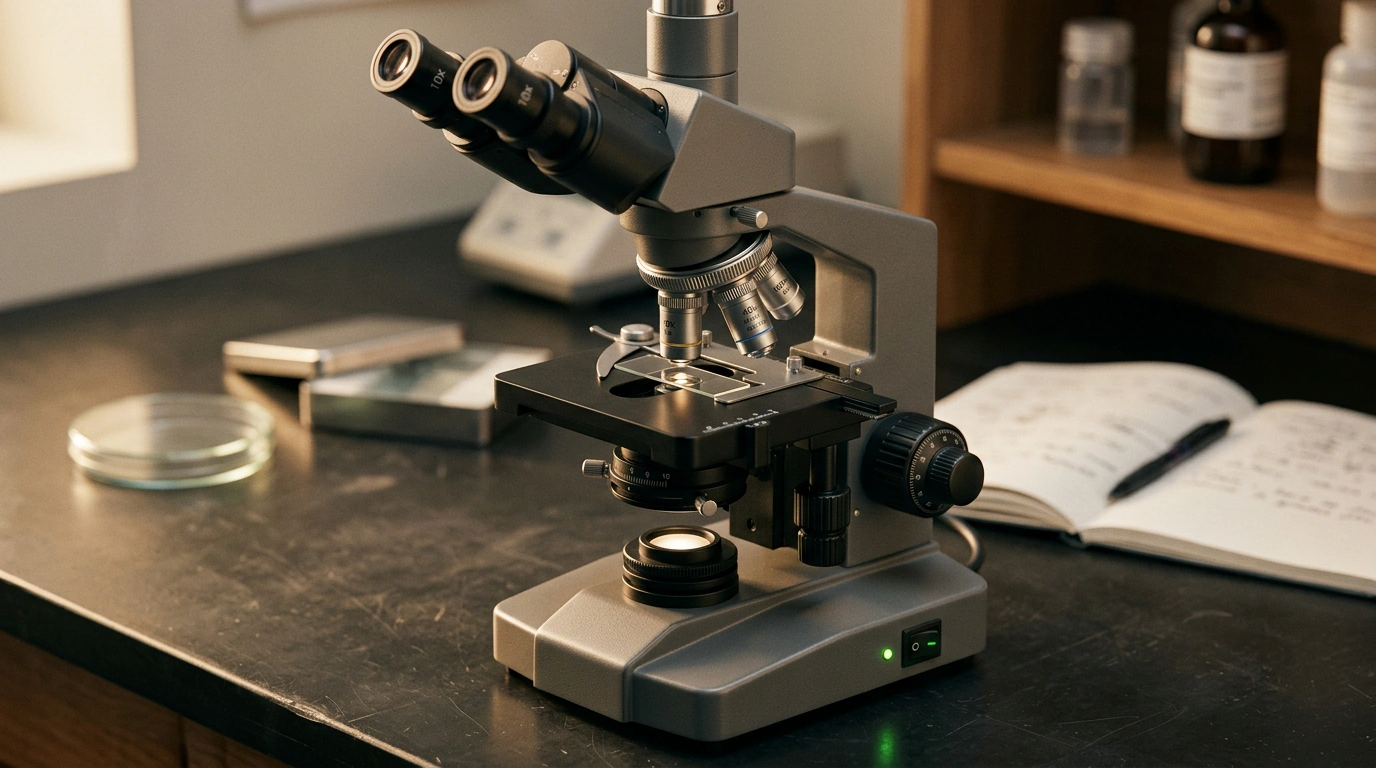
A laboratory darkfield microscope on a researcher's desk with a glass slide and optical condenser
ArticleHealthDiagnosticsMythsImmunity

The Illusion of "Universal Infection": Why Darkfield Microscopy Sees Parasites in Clean Blood and Why Pseudodiagnostics Is Dangerous

At private wellness clinics, they will gladly show you a drop of your blood on a screen, where glowing spheres dart about in the dark and thin threads writhe. Sellers of "cleanses" and WebWellness scanners pass them off as larvae, claiming that parasites cause 90% of chronic diseases.

Yet physician Alexander Burlakov's breakdown and microscopy data show the opposite: under an oblique beam, non-living membrane vesicles around 200 nanometers and fibrin strands in a cooling drop are mistaken for "worms." The main danger of this optical trick, however, lies not even in the price of useless supplements.

👍 26
Бородатый не пробовал...WHO: Noncommunicable diseases fact sheetNature Scientific Reports: Optical artifacts and extracellular vesicles in blood microscopy
November 11
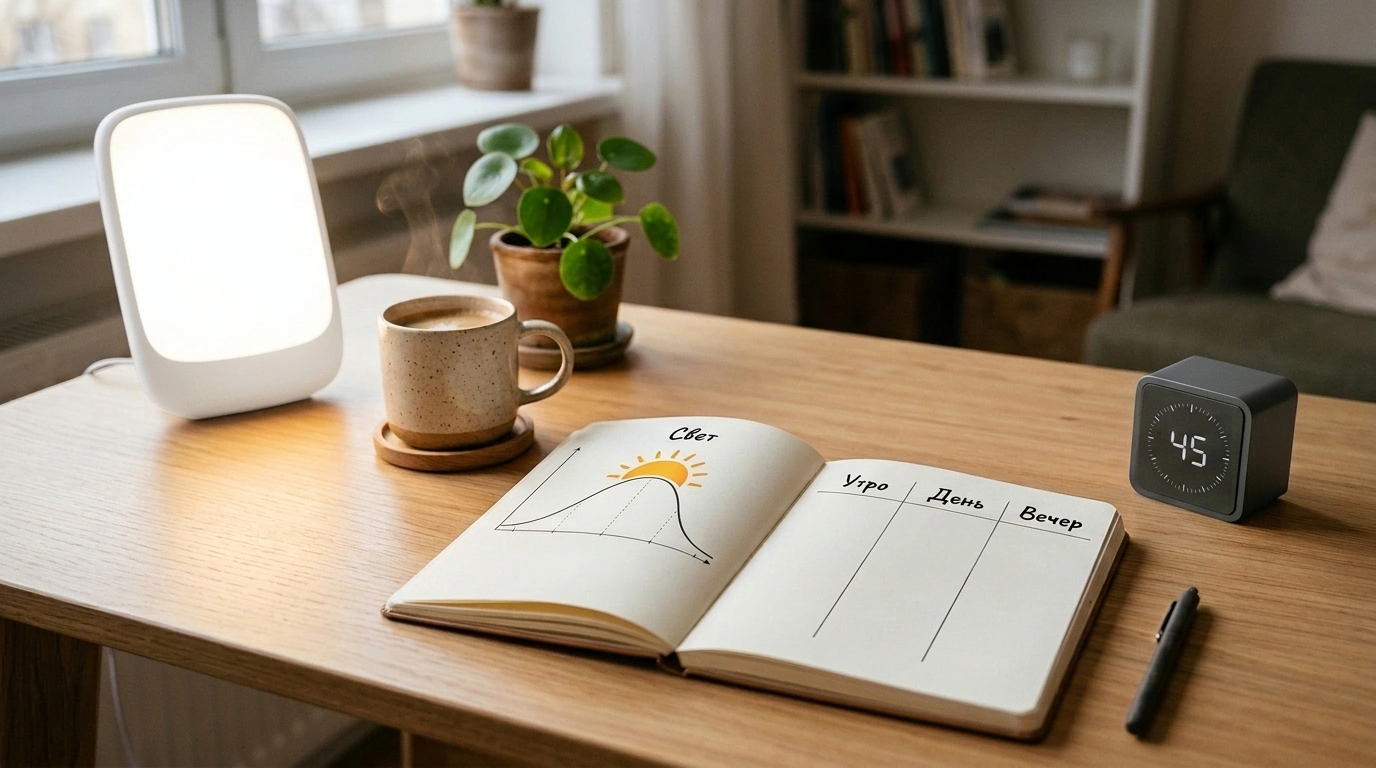
An open notebook with a habit plan and a circadian clock next to a desk light therapy lamp
ArticleHealthBiohackingHabitsSleep

Operating Manual for a Human: 7 Core Health Protocols from Andrew Huberman's First Book

Neuroscientist Andrew Huberman's 550-page debut book Protocols brings scattered health advice together into a single system of 7 areas, where the upper floors don't work without basic physiology:

  • Sleep and light set your circadian rhythm through 15 recovery protocols and a morning cortisol launch;
  • The 3 × 3 movement plan combines strength training, cardio, and everyday walking;
  • 90/10 nutrition relies on whole foods without food neurosis.

Yet a California daily routine runs into the harsh reality of a dark northern morning.

👍 26
Бегать простоSimon & Schuster: Protocols: An Operating Manual for the Human Body by Andrew HubermanHuberman Lab: Using Light for Health and Circadian Rhythms
November 11
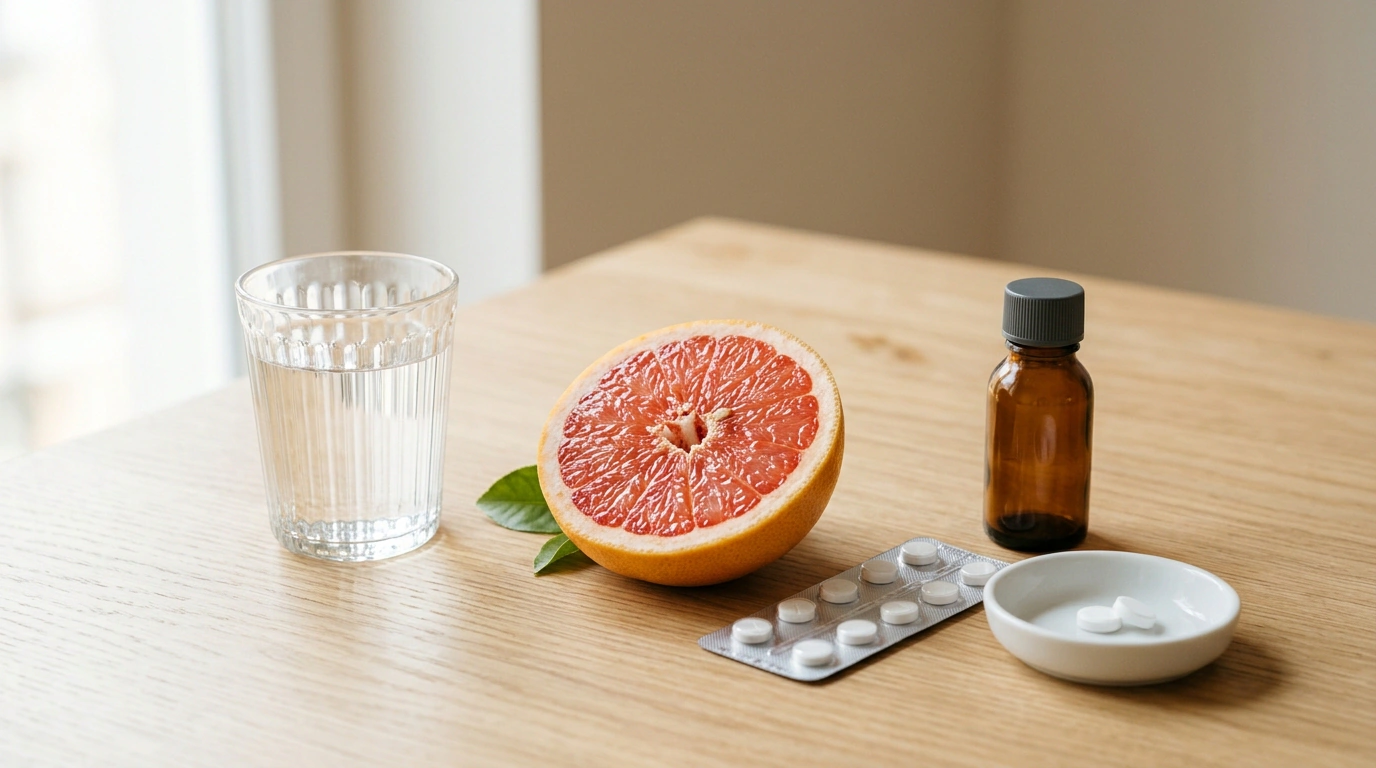
Half of a fresh grapefruit and a pharmacy blister pack of tablets on a wooden kitchen table
NoteHealthNutritionPharmacologySafety

Grapefruit and Statins: Why Tart Juice Boosts Drug Dose by 80% and Which Citrus Fruits Are Safe

Is it enough to just wash down cholesterol pills with plain water so you can safely eat grapefruit for breakfast? With popular atorvastatin, that trick doesn't work: compounds in the citrus permanently shut down the protective gut enzyme CYP3A4 for 24–72 hours, causing the drug's blood level to jump by 80%.

With daily juice intake, this spike overloads the liver and muscles, whereas mandarins, sweet oranges, and rosuvastatin therapy sidestep the dangerous trap. Still, other familiar citrus fruits are hiding on the "blacklist" right alongside grapefruit.

👍 20
Максим Кузнецов - Врач эндокринологFDA: Grapefruit Juice and Some Drugs Don't MixPMC: Grapefruit-medication interactions and CYP3A4 mechanism
November 11
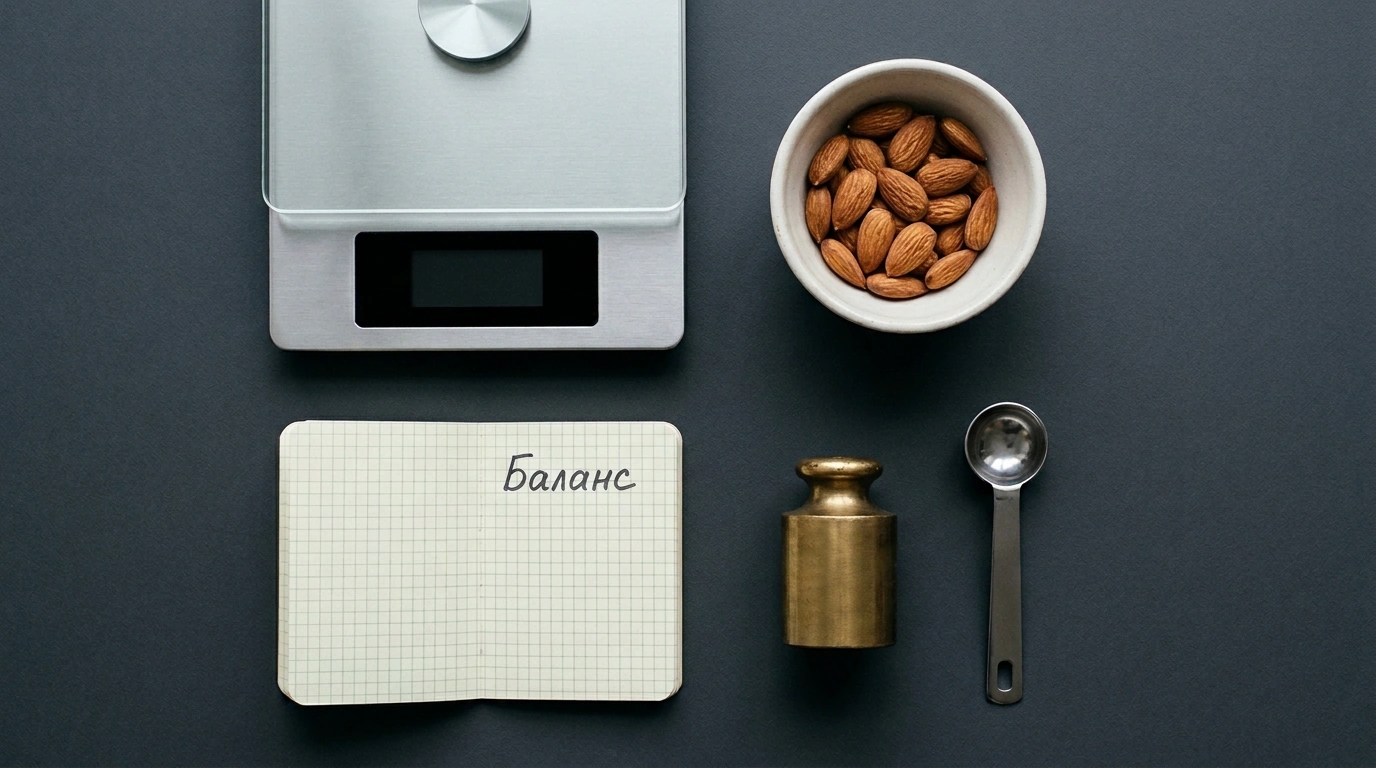
A flat-lay still life with a kitchen scale, whole almonds, a calorie balance notebook, and a measuring spoon
NoteHealthNutritionWeight LossMetabolism

The Calorie-Counting Paradox: Why Imprecise Numbers Work Better Than Perfect Math

When managing your diet, it's easy to get stuck between two extremes. Either you try to measure every dish to the gram and give up after learning that labels can legally be off by 15–20%, while whole almonds are absorbed 32% less than tables say. Or you wave off the numbers and eat "intuitively," while a couple of extra spoons of oil quietly wipe out your entire deficit.

Treating calories like a flexible financial budget helps break out of this dead end. Yet hidden everyday movement—capable of quietly burning up to two-thirds of extra food—makes balancing the books blindly impossible.

👍 16
Тренер АртёмScience: Role of nonexercise activity thermogenesis in resistance to fat gain in humans (PMID: 9880251)
November 11
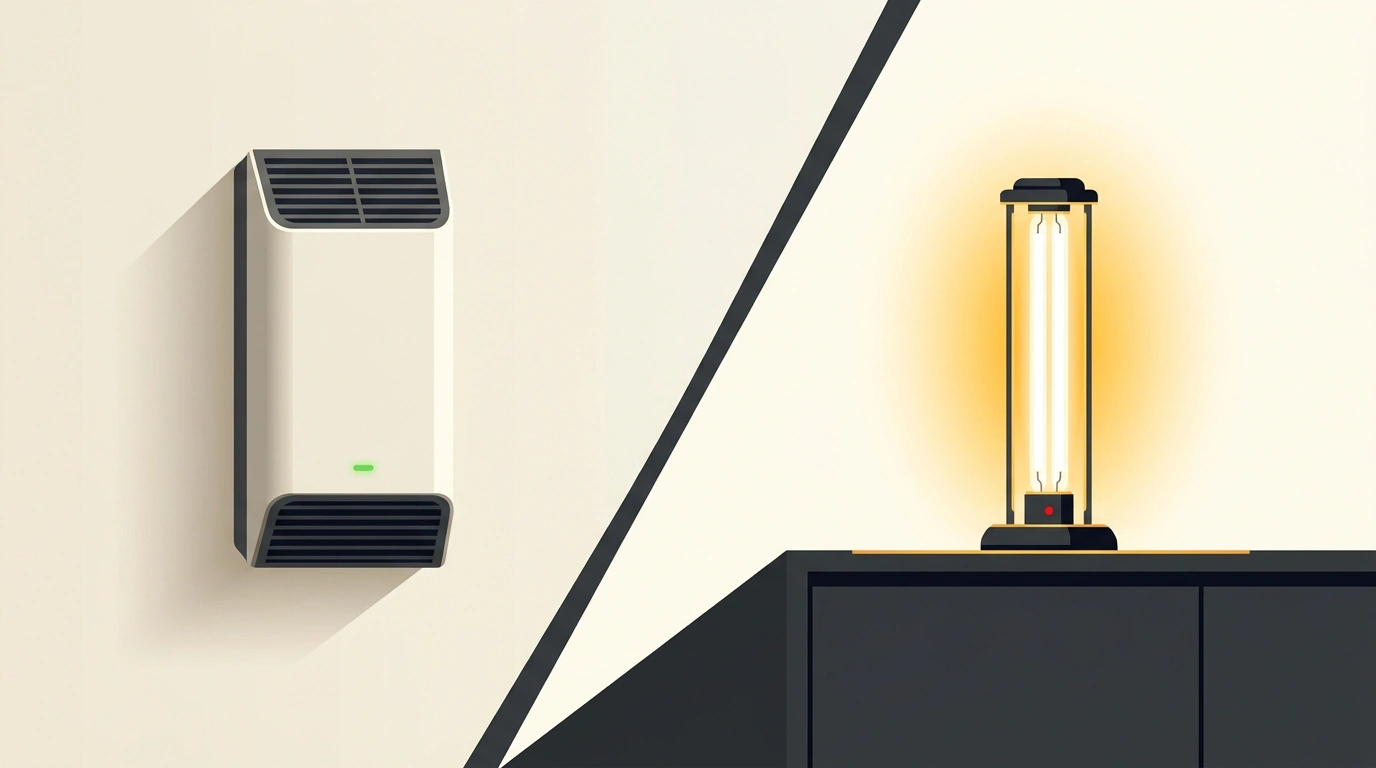
A wall-mounted closed medical recirculator and a tabletop open quartz irradiator
NoteHealthSafetyPreventionHome

The Blue Light Trap: Why an Open Quartz Lamp Burns Your Eyes and How It Differs from a Recirculator

Buying a home germicidal lamp during cold season often ends in an acute injury: someone switches on a blue tube in a living room, feels neither heat nor stinging, and a few hours later faces a corneal burn—electroophthalmia.

Hard ultraviolet UVC (200–280 nm) destroys surface eye cells without initial pain, and a pure quartz bulb at 185 nm also fills the air with toxic ozone.

Yet when choosing a home device, a safe closed recirculator is easy to confuse with an open irradiator.

👍 16
Dr.iolantaStatPearls: Photokeratitis, Ultraviolet Keratitis and SymptomsCDC NIOSH: Ultraviolet Radiation, UVC Wavelengths and Safety Guidelines
November 11