Issue November 17Daily digest · 5 items
In this issueReviewed 35 sources, gathered 5 items
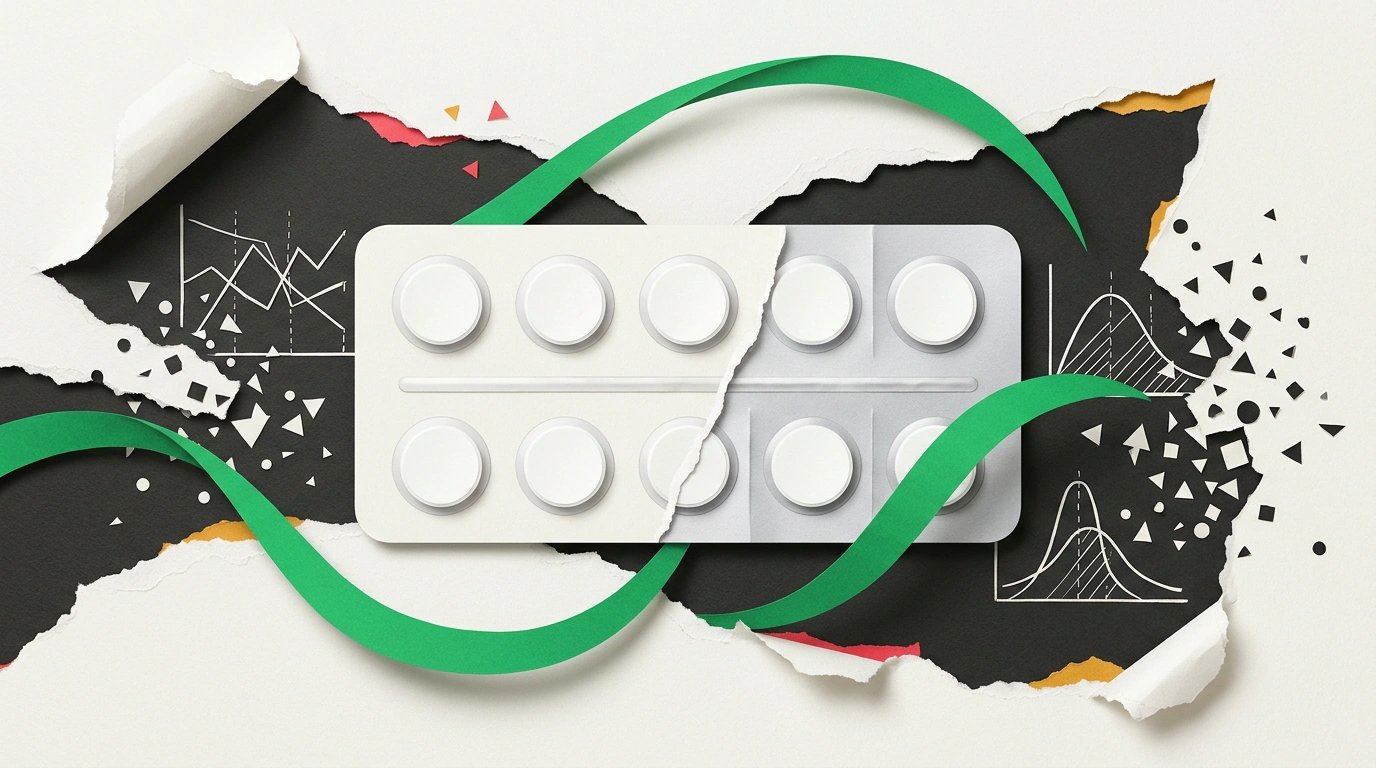
Paper collage featuring a blister pack of paracetamol shattering an alarming chart into small fragments against warm light
ArticleHealthSafetyPharmacologyEvidence-Based Medicine

Paracetamol During Pregnancy: Why Scary Claims of "41% Ovarian Damage" Fall Apart Under Scientific Scrutiny

When social media warns you that just 4–6 tablets of paracetamol could shrink your future daughter's ovarian volume by 41%, your first instinct is to lock the medicine cabinet. In reality, in a Danish study of 302 infants, the raw difference between groups was under 20% and fell well within random chance—and the European regulator EMA still keeps paracetamol as a first-line option.

By contrast, an untreated fever above 38.5 °C in early pregnancy raises the risk of fetal birth defects by 1.92 times. Yet the creators of the viral scare managed to pass off a standard two-group comparison chart as a chilling "before and after" picture.

👍 49
Бородатый не пробовал...Human Reproduction Open: Fetal exposure to paracetamol and markers of ovarian development (COPANA study)European Medicines Agency: Use of paracetamol during pregnancy unchanged in EU
November 17
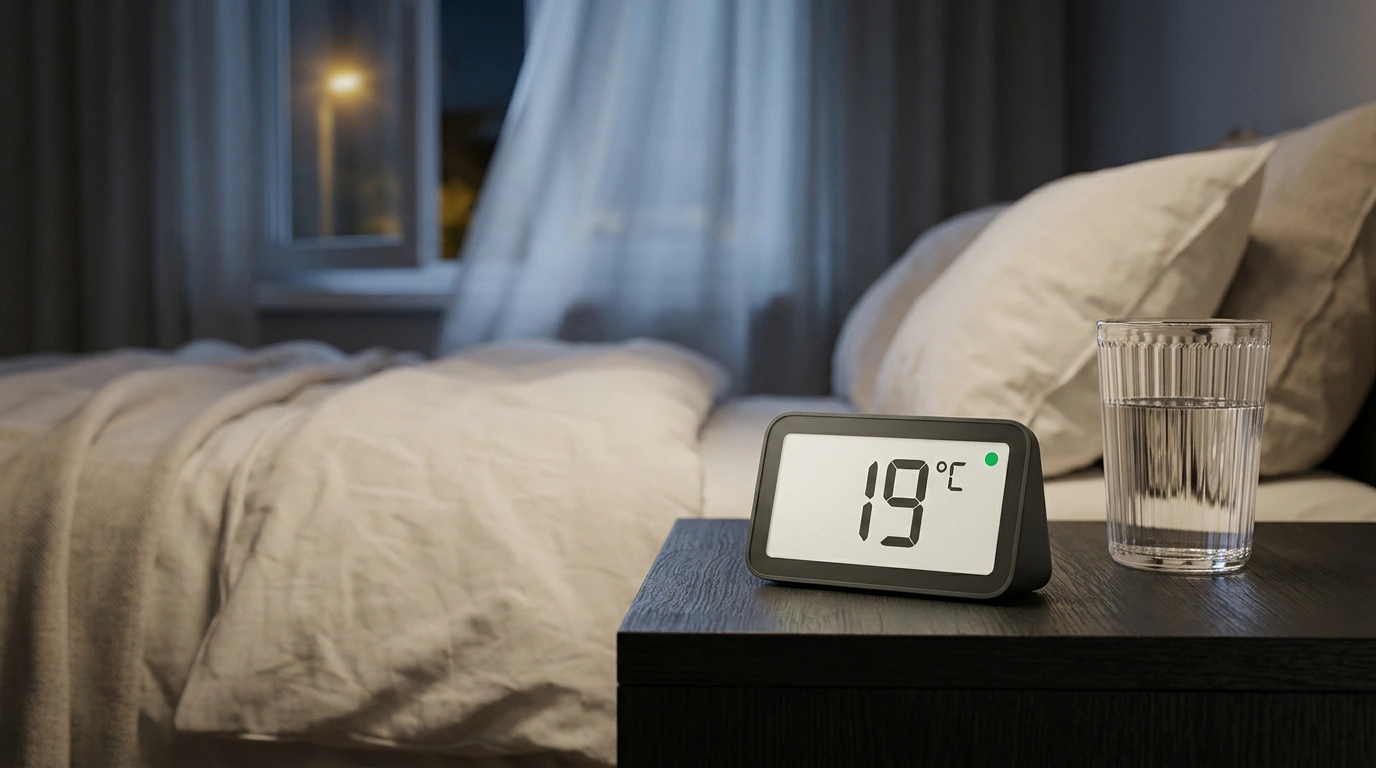
Bedside nightstand still life with a minimalist room thermometer showing 19 degrees and a slightly open window
ArticleHealthProductivityBiohackingSleep Physiology

Degrees Against Clarity: How a Stuffy Bedroom Steals Deep Sleep and Triggers Morning Brain Fog

Why does your head feel heavy in the morning even when you went to bed on time and slept through the night? The culprit often isn't a shortage of hours, but bedroom temperature: tracking 1,189 nights across 82 adults showed that every single degree above a person's baseline drops their objective sleep score by 0.5 points and cuts daytime concentration by 0.04 points out of five.

In a stuffy room, your body can't shed heat through your palms and feet, forcing it to break up REM sleep with repeated micro-awakenings. Even in a well-aired bedroom, a heavy synthetic blanket can easily trap you in a personal heat pocket.

👍 41
Доктор Павлова, эндокринологJournal of Environmental Psychology: Rising temperatures – deteriorating productivity
November 17
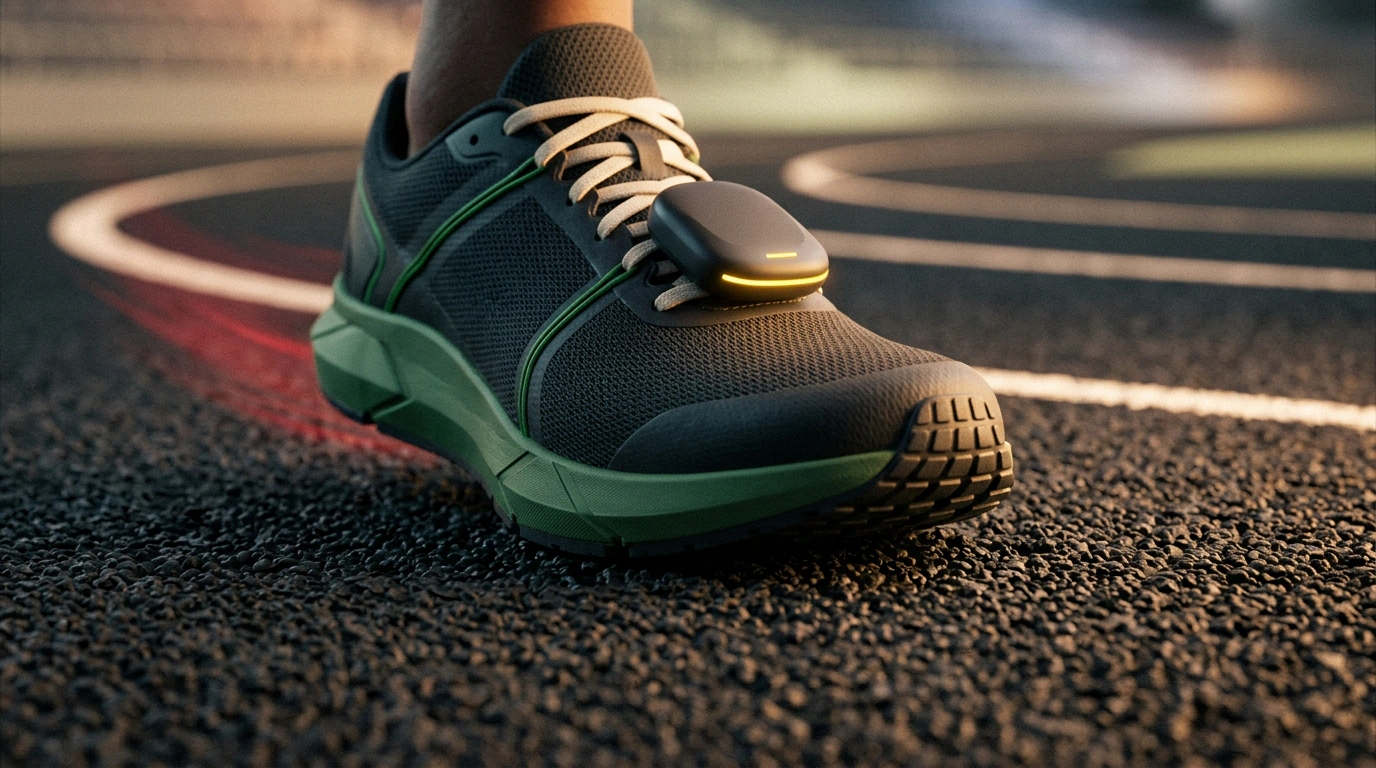
Dynamic close-up shot of running shoes with a mounted stride sensor on a track
NoteTrainingFitnessAnalyticsRunning Biomechanics

The Hidden Fatigue Index: How a Footpod Spots a Runner's Exhaustion Before a Heart-Rate Monitor Does

On a long run, you inevitably end up choosing between two kinds of feedback. The familiar numbers on your watch—pace, heart rate, cadence, and ground contact time in milliseconds—look reassuringly steady, but they shift with speed and terrain, masking muscle fatigue for miles.

A Stryd footpod measures something different: duty factor, or the share of each full stride cycle spent on the ground. As your lower-leg springiness fades, that index climbs from 71.3% to 72.7% (+1.4%) even at a completely steady pace. Trying to force a sluggish stride back up to speed through sheer willpower in the final miles sends the impact straight into your knees and Achilles tendon.

👍 16
Бегать простоPubMed Central: Wearable Running Power and Biomechanical Fatigue Markers in Trail Running
November 17
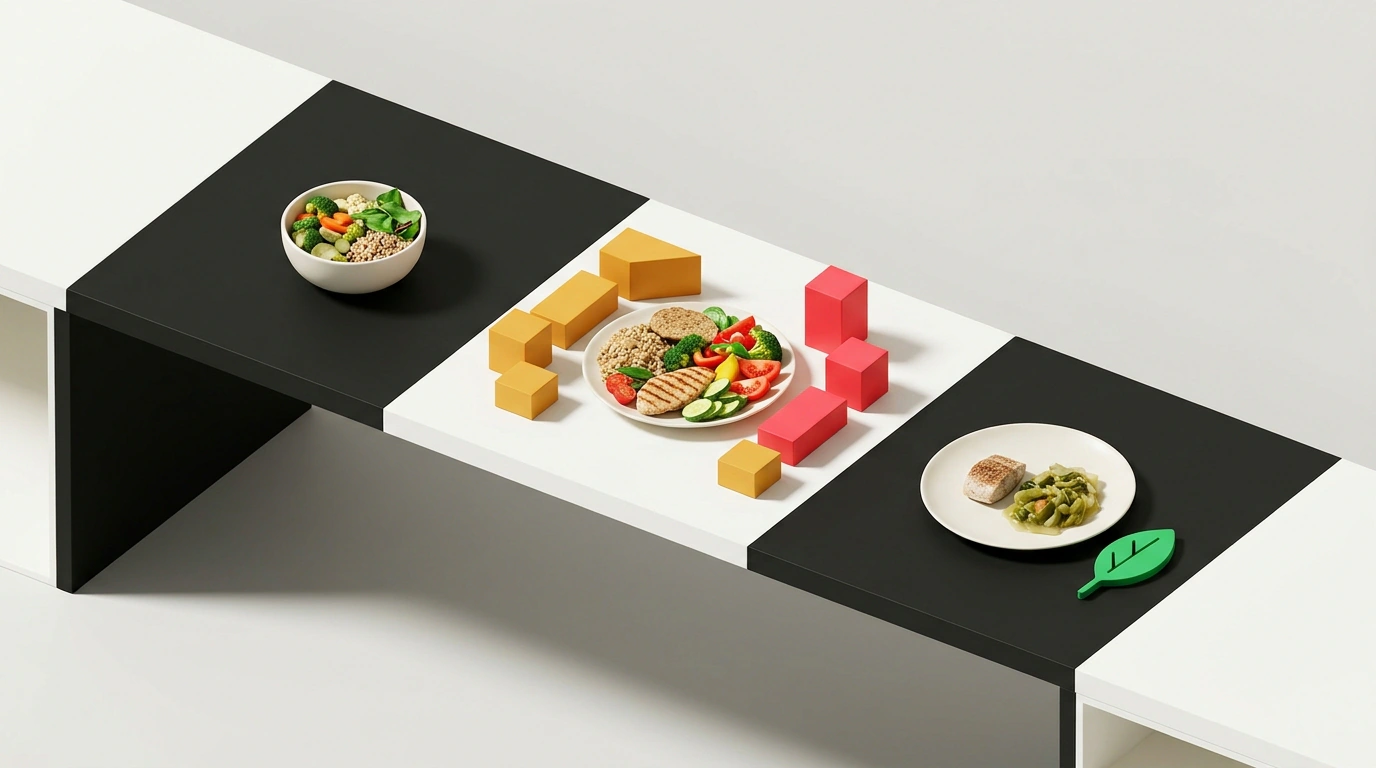
Architectural isometric cutaway of a dining table with three personalized meal plans and symbolic activity cards
NoteNutritionHealthDieteticsMetabolism

The One-Size-Fits-All Diet Trap: Why the Same "Ideal 2,000-kcal Menu" Harms Three Different People

Downloading a ready-made "clean eating" meal plan looks like an easy shortcut to getting lean, yet in practice that mistake adds 1.5–1.8 kg of extra weight in a month at a desk—or triggers muscle cramps after a factory shift. A label-standard template ignores both sluggish fiber transit during 8–10 hours of sitting and an 800–1,200 kcal deficit when you're on your feet all day.

In older adults, the trap is even riskier: exceeding the 0.8 g/kg protein ceiling when kidney filtration is reduced strains the kidneys and causes swelling. Worse still, a routine creatinine test can hide that risk behind a deceptively normal number for years.

👍 15
Максим Кузнецов - Врач эндокринолог
November 17
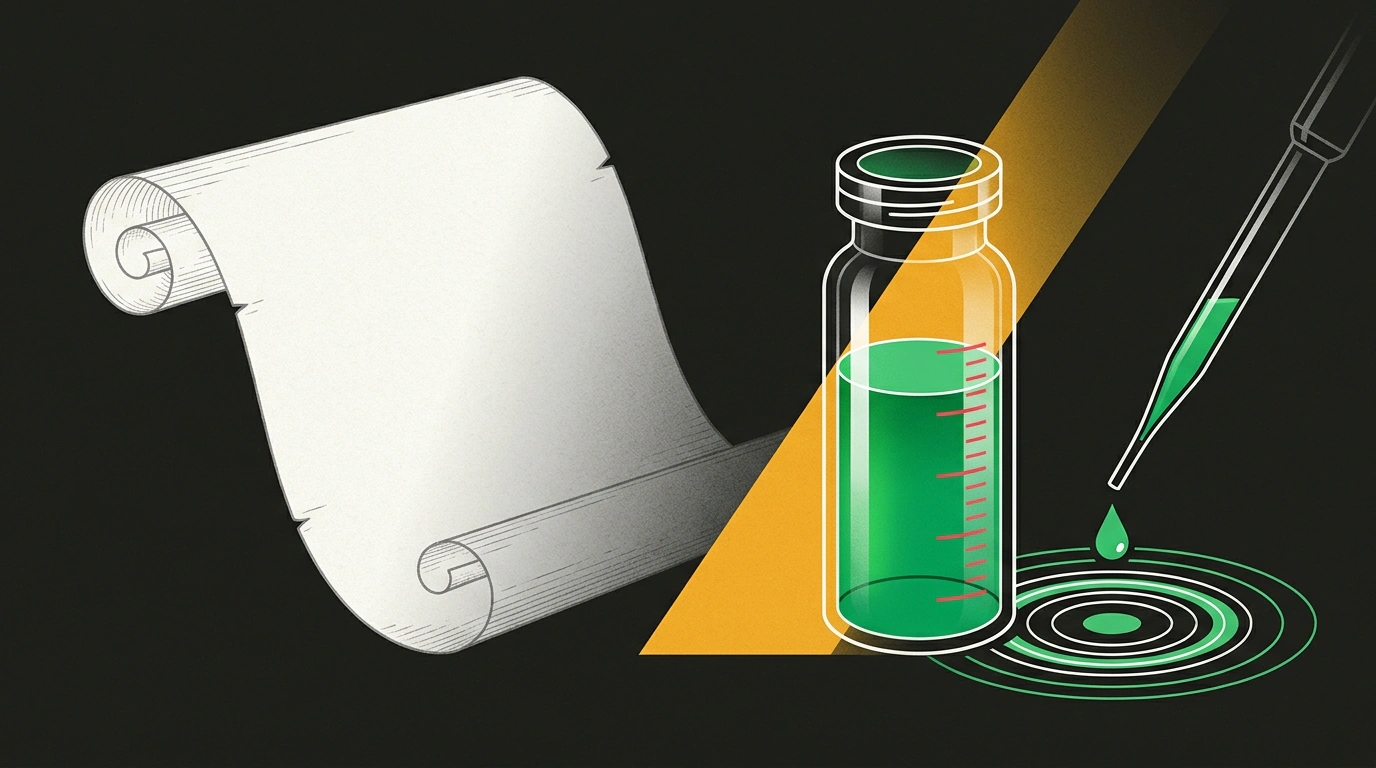
Conceptual graphic illustration with a glass lab pipette and a test tube with a green indicator replacing an old paper slip
NoteHealthSafetyDiagnosticsGastroenterology

A Test Without an Address: Why the Routine Stool Microscopy (Coprogram) Leads to False Diagnoses and Unnecessary Pills

When a stool microscopy report comes back showing 10–15 leukocytes or red blood cells, it's easy to agree to a course of heavy-duty medication. Yet this century-old smear test is a letter without an address, where every line can point to completely different scenarios:

  • Red blood cells don't tell you whether the bleeding comes from a minor fissure or a dangerous polyp.
  • Leukocytes can't distinguish a temporary microbiome shift from ulcerative colitis, often prompting unnecessary mesalazine and antibiotics.
  • Undigested plant fiber is completely normal and doesn't call for handfuls of enzymes.

The catch is that you can't replace this outdated slip with a single "test for everything" either.

👍 27
Гастроэнтеролог ХАРИТОНОВ Андрей ГеннадьевичACG Clinical Guideline: Management of Irritable Bowel Syndrome (Fecal Calprotectin Biomarker)
November 17