'Adenoids are basically the other end of the intestinal tube—you can't heal them without healing the gut.' That line pops up constantly in short parenting videos and draws thousands of anxious comments. You can understand exhausted parents dealing with nonstop runny noses and nighttime snoring: it is tempting to look for one hidden root cause, order food intolerance panels, and cut out dairy and gluten. Anatomy, however, tells a different story.
Where Adenoids Actually Sit and How Allergies Fit In
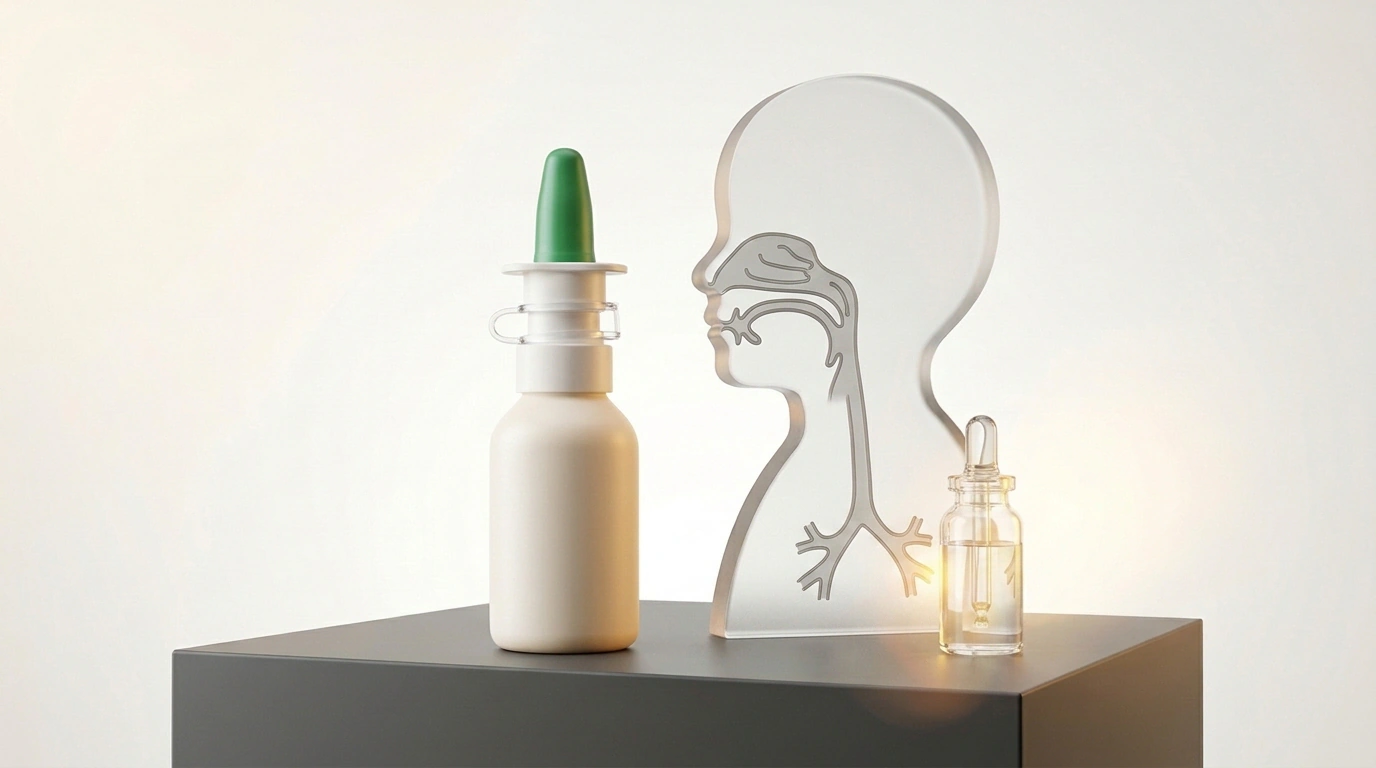
The other end of the digestive tract is nowhere near your nose, joke aside. Adenoids are the pharyngeal tonsil, one of six tonsils in the lymphoid ring around the throat. They sit high in the roof of the nasopharynx, right in the airway your child breathes through. This area plays no role in digestion: when you swallow, the soft palate lifts like a valve to seal off the nasopharynx so food normally stays out.
So where does allergy come into the picture? The real connection is allergic rhinitis—an airway reaction to pollen, dust mites, or pet dander. It swells the nasopharyngeal lining even further, making an enlarged pharyngeal tonsil block breathing twice as hard. That is why an ENT or allergist tests for inhaled allergens. Meanwhile, there are zero clinical studies showing that adenoids shrink after 'gut cleanses' or strict elimination diets.
What Actually Works: Nasal Sprays, Time, and the 'Steroid Dependence' Myth
Social media often warns that steroid nasal drops create 'hormone-dependent adenoids.' No such diagnosis exists in medicine.
A Cochrane systematic review (Zhang et al., 2008) looked at intranasal corticosteroids in children aged 0 to 12 with moderate-to-severe adenoid hypertrophy. Behind that technical name are ordinary local anti-inflammatory nasal sprays. They act on the surface lining, barely enter the bloodstream, and calm swelling. The review found that these sprays noticeably eased nasal blockage and shrank adenoid tissue, helping some children avoid surgery—especially when allergic rhinitis was also present.
Fear of dependence usually stems from mixing them up with decongestant drops, which really do hook the nasal lining within days. Topical steroid sprays work differently and don't cause rebound addiction, though an in-person doctor should set the course and dose.
Time is on parents' side too. As a child's facial bones grow, the nasopharynx widens, and lymphoid tissue naturally starts shrinking after age seven. For mild symptoms, doctors often recommend watchful waiting plus local sprays. That is also how the 'miracle diet' illusion happens: cut a couple of foods right before summer or around the age when tissue shrinks on its own, and the diet gets all the credit.
When Waiting and Hunting for Diets Gets Risky
Not every child with enlarged adenoids needs surgery. Yet once complications start, spending months on food bans can carry a real cost.
The large randomized CHAT trial (New England Journal of Medicine, Marcus et al., 2013) followed 464 children aged 5 to 9.9 years with obstructive sleep apnea—repeated breathing pauses during sleep caused by blocked airways. Researchers compared early surgery against watchful waiting. Seven months later, the primary test of attention and executive function (NEPSY-II) showed no difference between groups, yet early surgery clearly improved overnight sleep metrics, apnea symptoms, behavior, and quality of life.
- Regular snoring, constant mouth breathing, and breathing pauses during sleep (apnea).
- Frequent ear infections or persistent fluid behind the eardrum (otitis media with effusion), where adenoids block the Eustachian tube and muffle hearing.
- Bite changes from keeping the mouth open, poor sleep, and noticeable daytime behavior decline.
If you spot these signs, don't spend months chasing 'gut issues.' Take your child to a pediatric ENT: an in-person exam and hearing check will show whether a nasal spray is enough or if it's time to plan surgery.