Issue October 15Daily digest · 12 items
In this issueReviewed 36 sources, gathered 12 items
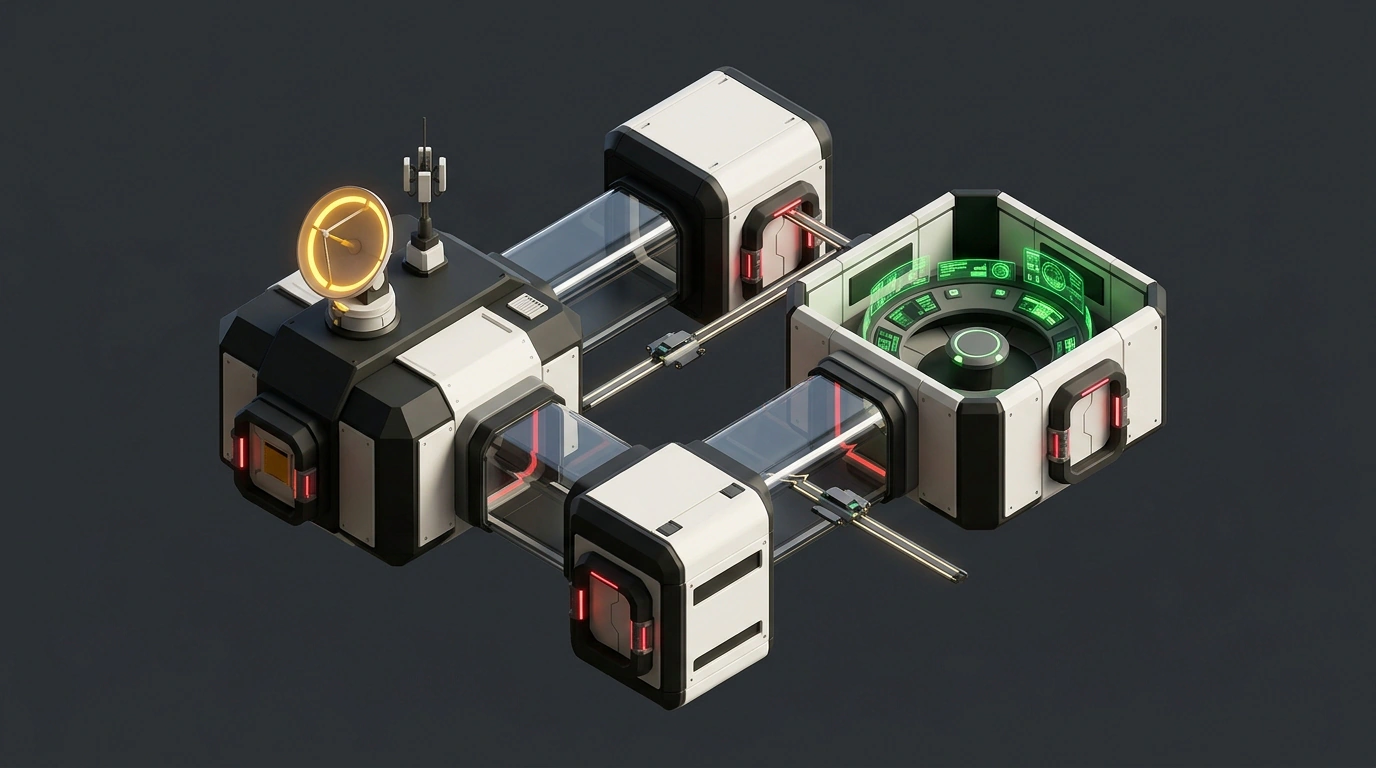
Isometric 3D diagram of a modular language model engineering harness with a closed compilation and validation loop.
LongreadAILLMDevelopmentAlgorithms

2026 in Large Language Models: Architectural Shifts, Local Agents, and New Challenges

For a long time, the industry told us that the key to all-powerful AI was endlessly inflating context windows and hunting for magic prompt phrasing. By late 2026, reality delivered a sobering twist: massive multi-million-token windows mostly add noise and sharply increase the risk of missing critical details buried in the middle.

The real breakthrough came from an unexpected place: the deciding factor isn't neural weight 'magic,' but harness engineering. Closed code-validation loops, local sandboxes, strict tool auditing, and prompt-injection defenses have turned unpredictable algorithms into reliable daily tools. Simon Willison breaks down this new landscape, where system discipline beats raw model size.

👍 0
Simon WillisonGitHub: simonw/llm
October 15
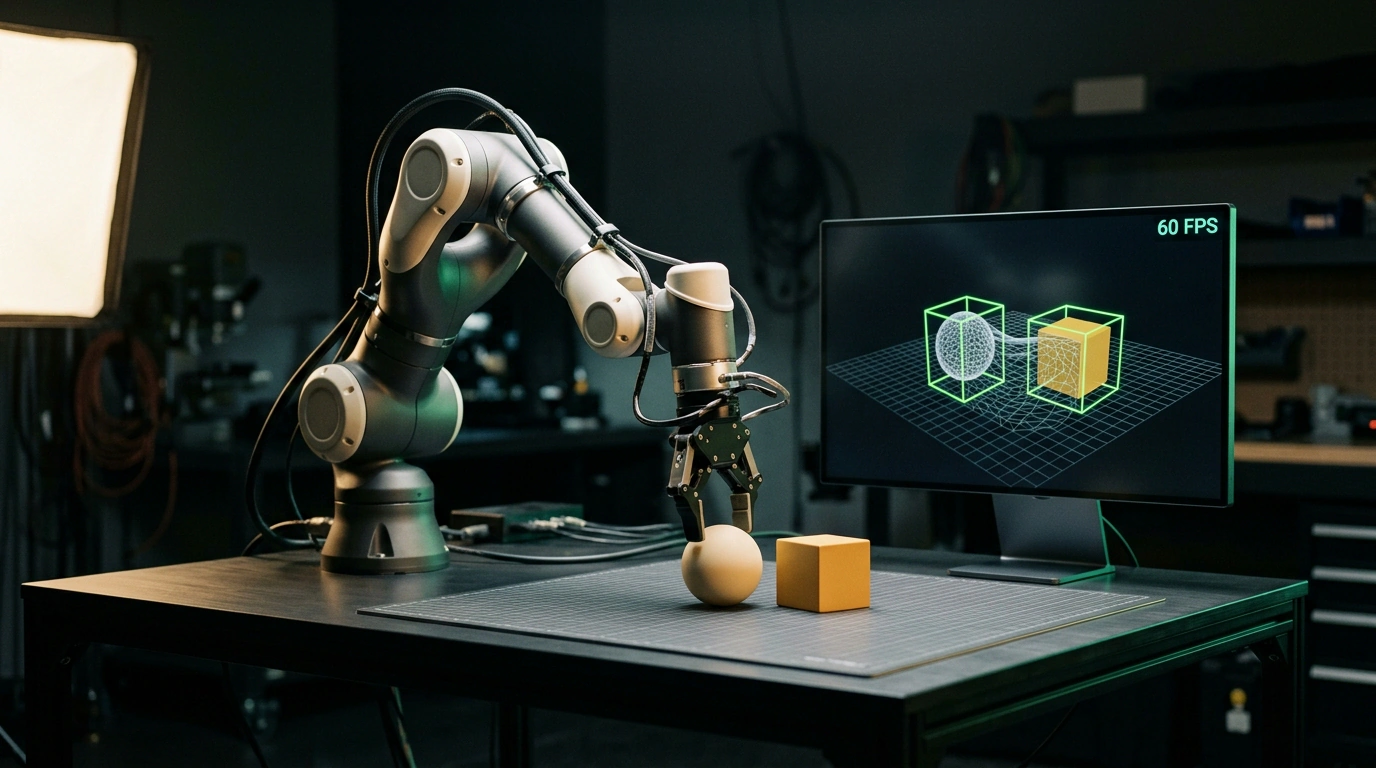
Robotic arm on a test bench next to a monitor displaying spatial tracking of a 3D simulation.
LongreadAILLMAnalytics

Gemini 4 Argon Release: What Independent Testing Revealed About Google's Flagship Model

You're probably squinting skeptically right now: 'Did Google really launch yet another competitor-killer that trips over basic tasks?' Fair question. I opened the test reports on the new Gemini 4 Argon with plenty of doubt myself. Yet independent stress tests by Matthew Berman and the Skill Leap AI team painted a very different picture.

Across 12 practical trials, the model built a procedural Three.js 3D scene with physics at a steady 60 FPS, natively analyzed a 40-minute video lecture with no transcript, and topped the global spatial reasoning leaderboard. Argon's biggest breakthrough isn't abstract benchmarks, but native video understanding and physics simulations for robotics. Weak spots around rare code libraries remain, yet Google just made a massive leap in multimodal analysis.

👍 0
Matthew BermanSkill Leap AIGoogle DeepMind: Gemini 4 Argon Model Card
October 15
Isometric view of Cloudroom cloud micro-sandboxes with isolated containers for autonomous agents.
ArticleAIAI AgentsAutomationDevelopment

Cloudroom: Isolated Cloud Sandbox Architecture for Running Hundreds of AI Agents Simultaneously

Running autonomous coding agents straight in your local terminal quickly leads to familiar headaches: a full disk, a frozen CPU, or accidentally wiped files from a blind rm -rf command. The root issue is old-fashioned trust: we let unverified neural-generated code run inside our host system right next to personal SSH keys and production repos.

David Ondrej's Cloudroom container architecture solves this by wrapping every agent inside an isolated cloud micro-sandbox. The system proved it can run a stable fleet of 200+ parallel agents, automatically blocks untrusted IP access, and lets you move heavy background jobs from your laptop to a server in one click.

👍 0
David OndrejGitHub: davidondrej/cloudroom-core
October 15
News · October 154 news items

OpenAI Employee Arrested for Allegedly Planting Listening Device at Headquarters

The FBI arrested a 35-year-old OpenAI engineer for allegedly installing a homemade listening device inside an executive conference room in San Francisco. The module was hidden in a TV's USB port, and OpenAI's own AI security models helped track down the suspect. No model weights were leaked.

Deep Copilot Integration in Windows: Direct System Settings Control and Screen Context

Microsoft rolled out a major Copilot update for Windows 11, adding Win+Q Click to Do actions and Copilot Vision for hands-on PC settings control. The local Phi Silica model on NPU chips processes screen context without sending screenshots to the cloud, speeding up daily tasks.

Hermes Voice Agent Release: An Autonomous Voice Assistant with Local Speech Processing

Nous Research released the Hermes Voice Agent (Apollo configuration) featuring sub-second response latency over WebSockets. The model supports wake-word activation, mid-sentence barge-in, and local memory, letting it control your operating system directly during live conversation.

Simon Willison's Experiment: Generating a Complete Three.js Game, Tree Appreciator, From One Prompt

Simon Willison tested Claude Opus 5.5 Max on autonomous development: the model thought over a single prompt for 3 hours and 7 minutes, then built the browser 3D game Tree Appreciator from scratch with procedural trees, Web Audio API music, and achievements—all without human help.

Researcher's hands holding a magnifying glass over binary code transforming into clean Rust source code.
ArticleAIOpen SourceDevelopmentSecurity

Reverse Engineer Anything: How AI Automates Software Decompilation and Binary Analysis

Decompiling binary code used to belong to a small circle of reverse engineers willing to spend weeks picking through thousands of lines of assembly by hand. Earlier attempts to feed compiled software to standard AI models ended in guesswork, with models inventing function logic out of thin air. The open-source tool Reverse Engineer Anything, which surged to 100k GitHub stars, broke that barrier by connecting language models to the Ghidra disassembler via MCP.

Instead of guessing blindly, the agent tags findings with strict confidence markers, reconstructs data structures, and writes clean Rust or TypeScript code. The striking paradox is that this tech breathes new life into lost classic games via WebAssembly while eroding traditional commercial software protection. Code obfuscation is no longer a mystery to reasoning algorithms.

👍 0
Nate HerkSimon WillisonGitHub: morluto/rea
October 15
Digital mockup of the Claude Motion interface showing an interactive vector timeline and preview panel.
ArticleAIContentProductivity

Claude Motion: Building Animated Timelines and Explainer Videos Inside Anthropic Artifacts

When you need a clean explainer, educational timeline, or presentation infographic, diffusion video models like Runway or Sora hit a wall: rendering takes minutes, while text and numbers blur into unreadable mush. Painting video pixel by pixel falls short whenever you need crisp business accuracy.

Anthropic's Claude Motion takes the opposite route by generating pure vector code in SVG, Canvas, and CSS instead of raw video. Inside the Artifacts panel, the model builds sharp animations in seconds where any color or timing tweak takes a quick chat message, and the final clip exports cleanly to standard MP4.

👍 0
The AI AdvantageAnthropic Claude Artifacts
October 15
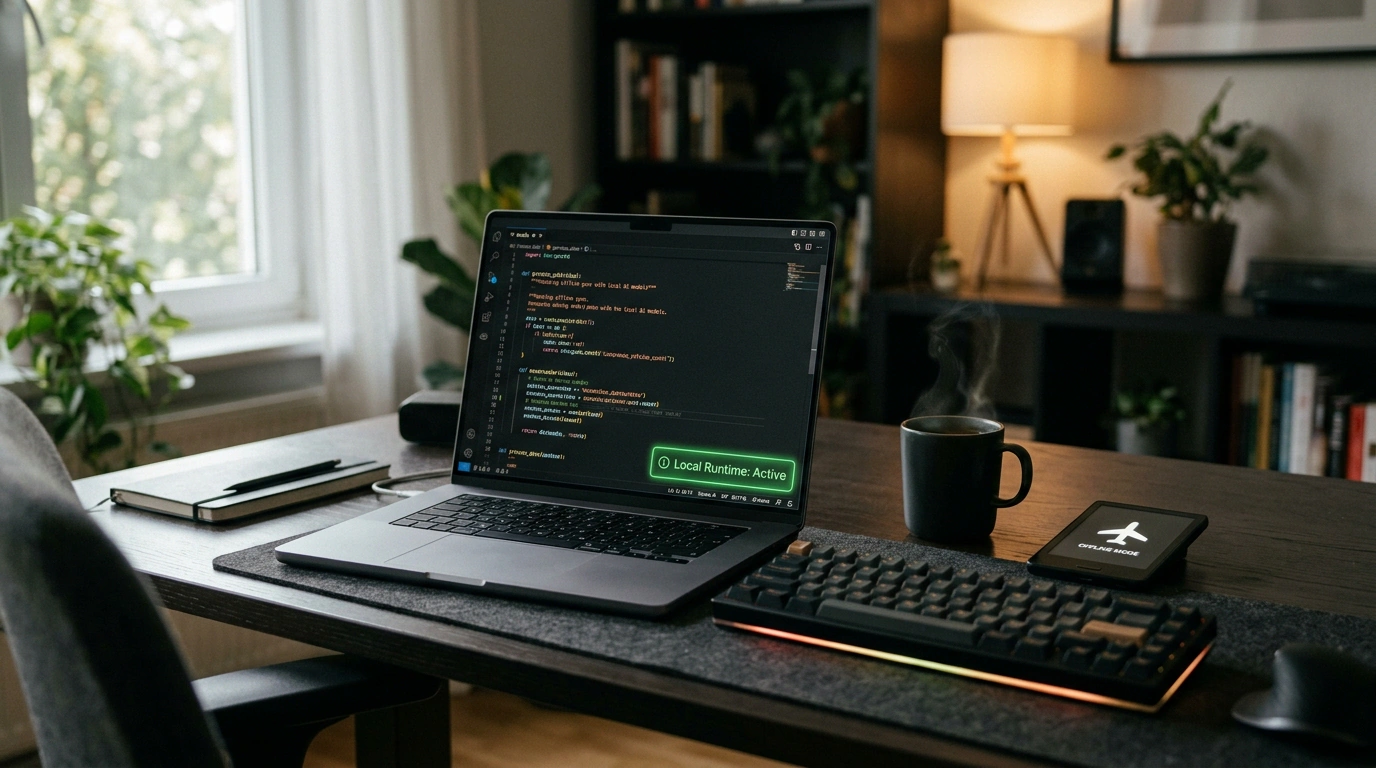
Developer workstation with a laptop in offline mode showing the local MAI-Code model indicator on screen.
ArticleAIOpen SourceDevelopmentLLM

MAI-Code-1.1-Flash on a Local PC: Setup and Performance of an Open Lightweight Coding Model

Corporate security policies have blocked smart AI coding assistants for years over fears of leaking proprietary code to external clouds. Microsoft's MAI-Code-1.1-Flash release removes that roadblock, bringing a full 137B-parameter MoE architecture to local hardware:

  • Hybrid router: quick autocomplete suggestions and refactoring run locally in milliseconds, while heavy system queries route seamlessly to the cloud.
  • Zero network dependency: local mode works offline, preserves paid Copilot limits, and keeps company secrets on your machine.
  • Workstation friendly: thanks to quantization, the model runs smoothly via Ollama on GPUs with 24 GB of VRAM.

Pairing it with VS Code gives developers full control over file privacy.

👍 0
Julian Goldie SEOMicrosoft Windows AI Blog
October 15
Isometric StarNet OS space station showing isolated compartments and autonomous agent routing paths.
Thematic roundup3 sectionsAIAI AgentsAutomationAlgorithms

The Autonomous Agent Ecosystem: Agent OS, Tool-Access Protocols, and Open Models

Building autonomous AI agents used to feel chaotic: developers taped scripts together, juggled API keys, and feared leaving a bot unattended for even an hour. By late 2026, those scattered experiments matured into a clean three-layer stack where each tier handles one strict job without the mess.

The ecosystem brings together the StarNet OS orchestration layer, the open Hermes reasoning core with Step 5, and the Monad economic protocol. The OS handles task isolation and safe messaging channels, the open model drives step-by-step thinking with long-term memory, and the x402 micropayment gateway unlocks over 2,400 external web tools without manual key signups.

👍 0
Julian Goldie SEOKieran FlanaganMonad Agent Protocol
October 15
Still life featuring an open notebook of notes, a smartphone showing a NotebookLM waveform, and a cup of coffee.
Thematic roundup3 sectionsAIProductivityAutomation

AI in Workspaces: Personal Knowledge Bases, Team Projects, and Voice Chats with Your Notes

Everyone has a personal 'note graveyard': terabytes of saved articles, books, and drafts gathering digital dust for years. In 2026, integrating language models into everyday workspaces finally brought those archives back to life, turning passive files into active thinking partners.

Three key tools cover the full knowledge cycle—from private notes to team projects. Pairing Obsidian with Claude uncovers hidden links in your personal vault without leaking data, ChatGPT Space keeps project docs automatically synced with team chats, and the updated Google NotebookLM lets you interrupt virtual podcast hosts by voice to unpack complex charts straight from uploaded PDFs.

👍 0
Julian Goldie SEOGoogle The Keyword: NotebookLM Interactive Audio
October 15