Issue October 24Daily digest · 8 items
In this issueReviewed 55 sources, gathered 8 items
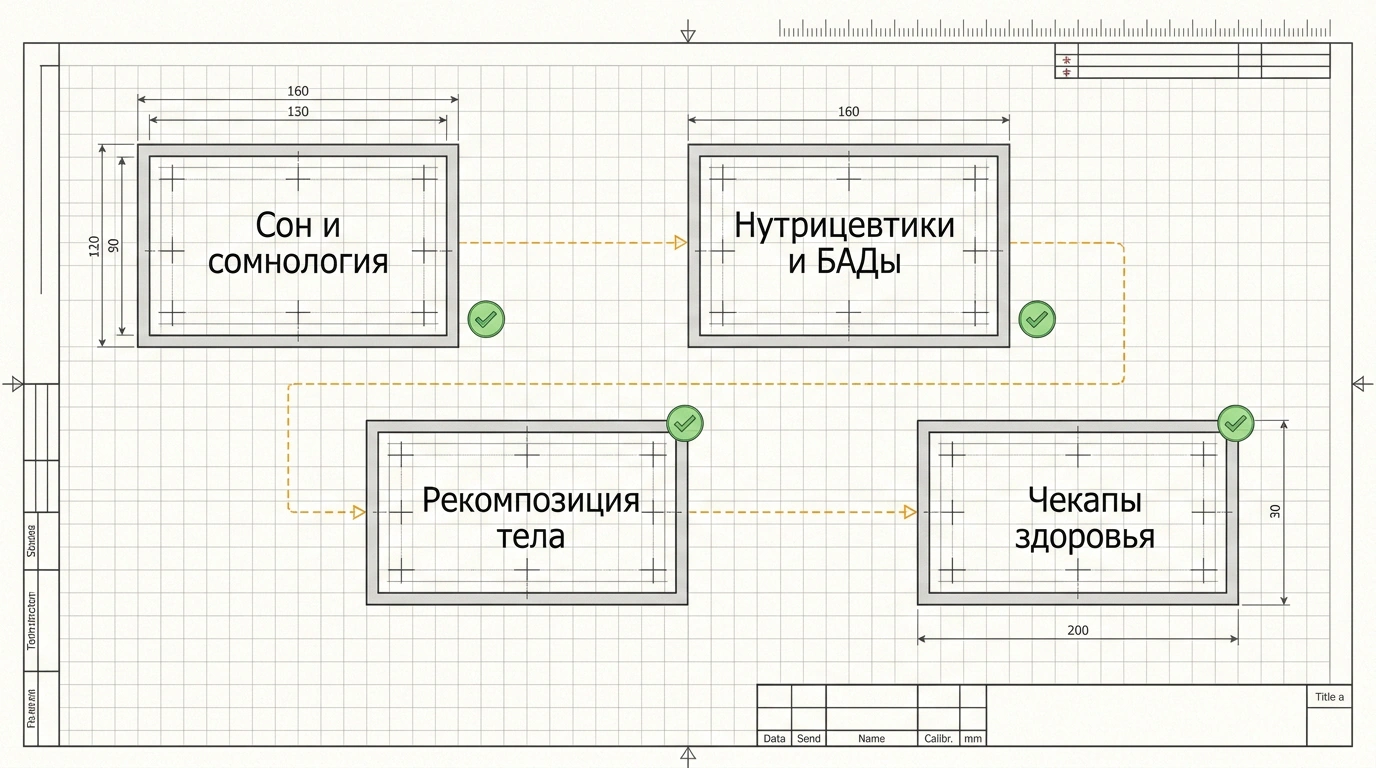
An infographic blueprint of a medical ad campaign featuring targeted specialty cards laid out on graph paper.
ArticleYandex DirectAdvertisingTrafficKeywords

How to Advertise Medical Services in Yandex Direct: Semantics from Search to Booking

When a private clinic sets up Yandex Direct with broad strokes like 'general practitioner' or 'doctor appointment,' the ad budget evaporates with few real patients walking in. Between the 84% of people who claim to prioritize health and an actual clinic visit sits a stubborn barrier: 47% simply cite a lack of time. A completely different approach wins—splitting semantics into narrow, real-life scenarios. Demand for sleep specialists jumped 128%, checkups doubled, and supplement searches shifted from generic phrases to exact forms like magnesium chelate. Each specialty needs an isolated campaign, sitelinks straight to the doctor's schedule bypassing the homepage, and strict compliance with medical ad moderation.

👍 0
CossaСправка Яндекс Директа: правила модерации медицинских услуг
October 24
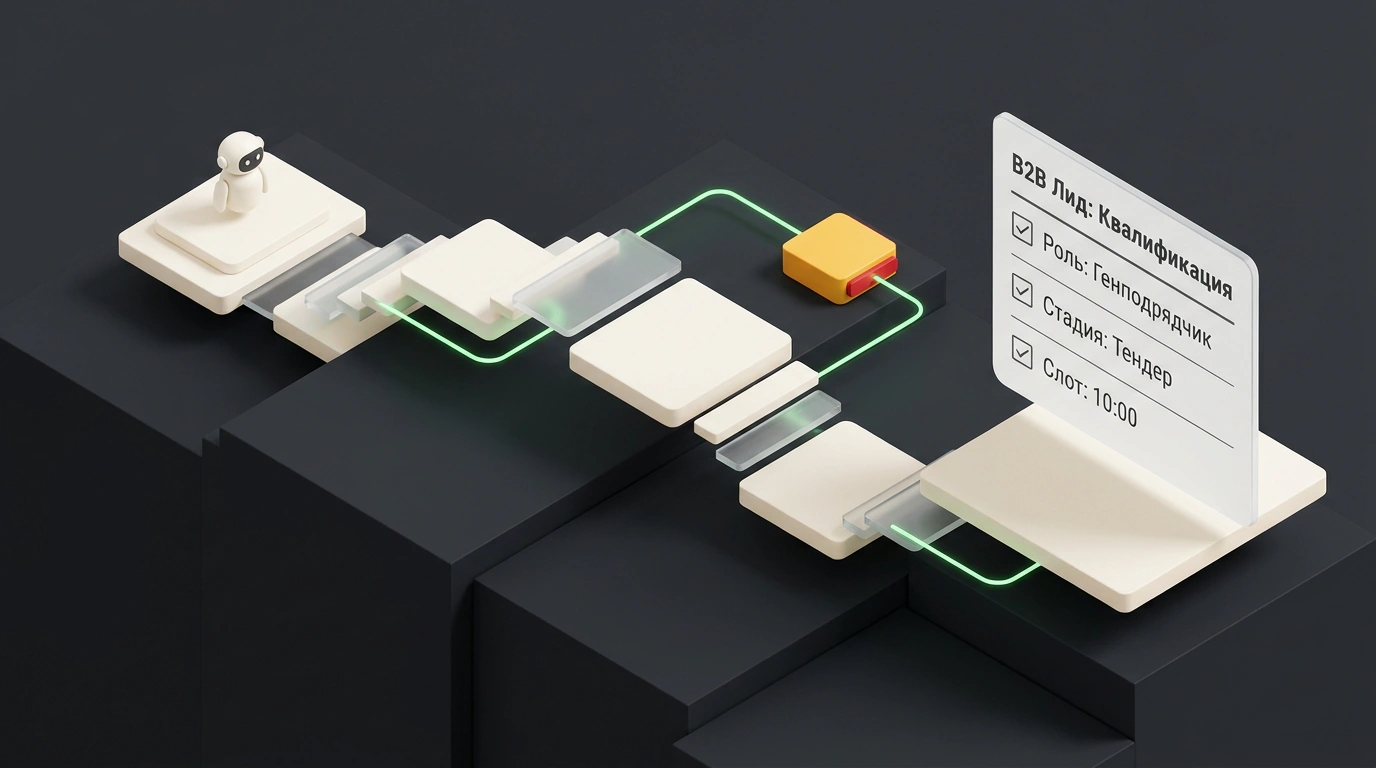
An isometric digital model of a B2B qualification funnel showing dialogue platforms and a lead card.
ArticleB2BLead GenerationAutomationSales

7 Questions Before a Sales Call: How an AI Consultant Qualifies B2B Leads

Two-thirds of B2B buyers (67%, according to Gartner) prefer researching vendors without sales reps, yet still check in with an expert before closing a deal. Meanwhile, a flood of cookie-cutter AI-generated RFPs is burying engineers in pointless estimates. The fix is a smart AI consultant that answers the buyer's technical question first, then qualifies the lead across 7 parameters:

  • Company role and status (architect, general contractor, or end client);
  • Facility type, technical requirements, and project stage;
  • Order volume, logistics schedule, and approval workflow;
  • Contact details and a convenient time slot for a call.

The sales rep receives a structured dossier in the CRM and steps into the call not with a routine interrogation, but with a tailored commercial proposal.

👍 0
TexTerra BlogGartner: 67% of B2B Buyers Prefer a Rep-Free ExperienceIntercom Guide: AI Agent Sales Qualification
October 24
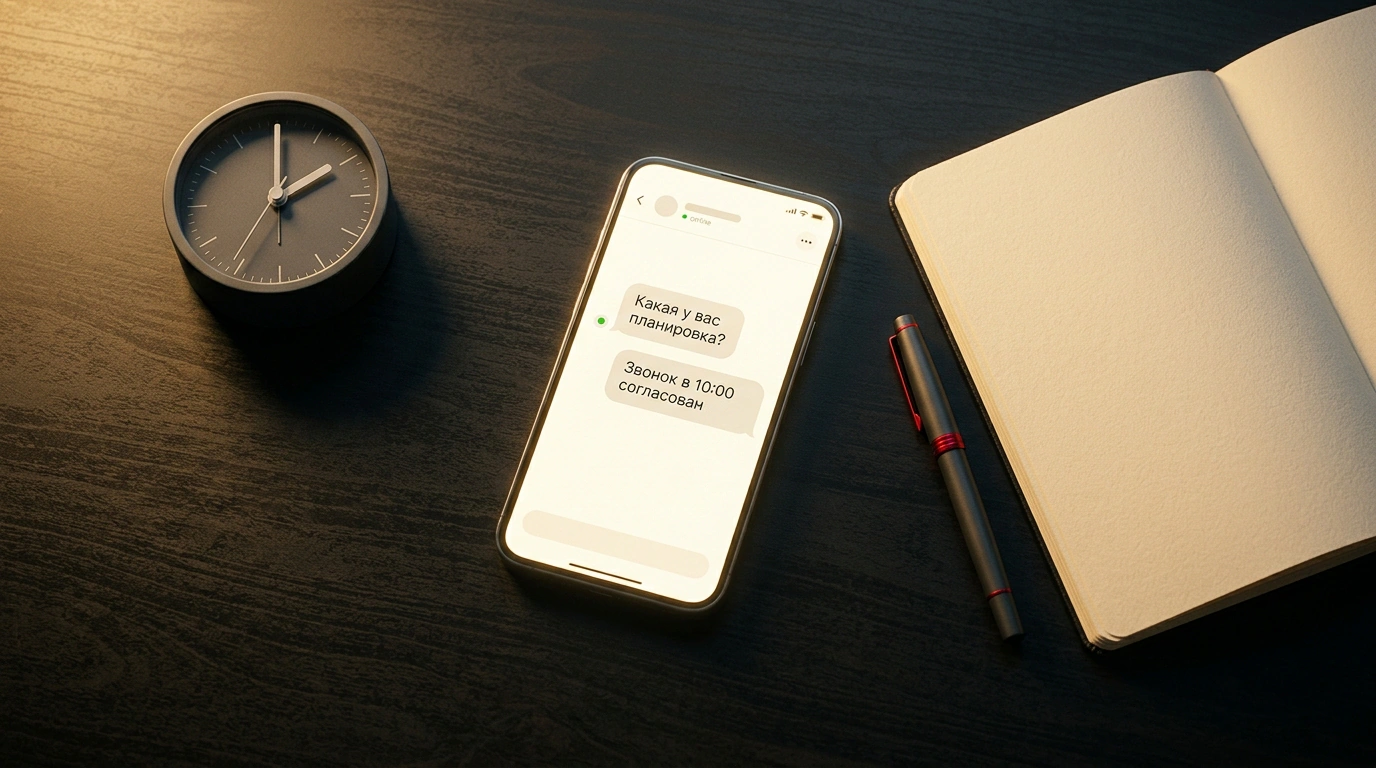
A desktop still life featuring a smartphone at night, a chatbot widget, and a desk clock set to 02:00.
ArticleChatbotsLead GenerationConversionMarketing

Nighttime Leads and Form Friction: How to Hold Buyers Until the Morning Call

Up to half of ad traffic in B2C services arrives at night, when people finally sit down to tackle personal errands. In the morning, sales reps dial those leads only to hear ringing or a cold 'we already went with someone else.' The problem stems from two extremes: either a generic auto-reply ('a manager will contact you during business hours') that leaves the task unresolved and pushes buyers to competitors, or bloated quiz forms. Research by The Manifest shows 81% of users abandon forms over extra questions, while cutting fields can double conversions. The way out is a simple three-line overnight bot that logs project specs, relieves buyer anxiety, and locks in an exact morning call slot—saving up to a million rubles in potential monthly revenue.

👍 0
vc.ru — МаркетингNeil PatelCrazy Egg Blog: Web Form Optimization
October 24
News · October 241 news item

Yandex Ad Budgets Return to Growth After October Outages

Following the October data-center attacks, Yandex advertisers have fully resumed activity: new campaign creation is back to normal, and the infrastructure handles over 1.2 million RPS. The platform restored Direct and Metrica dashboards and shifted focus to Panorama, its reach platform offering cross-frequency capping across 120 million users.

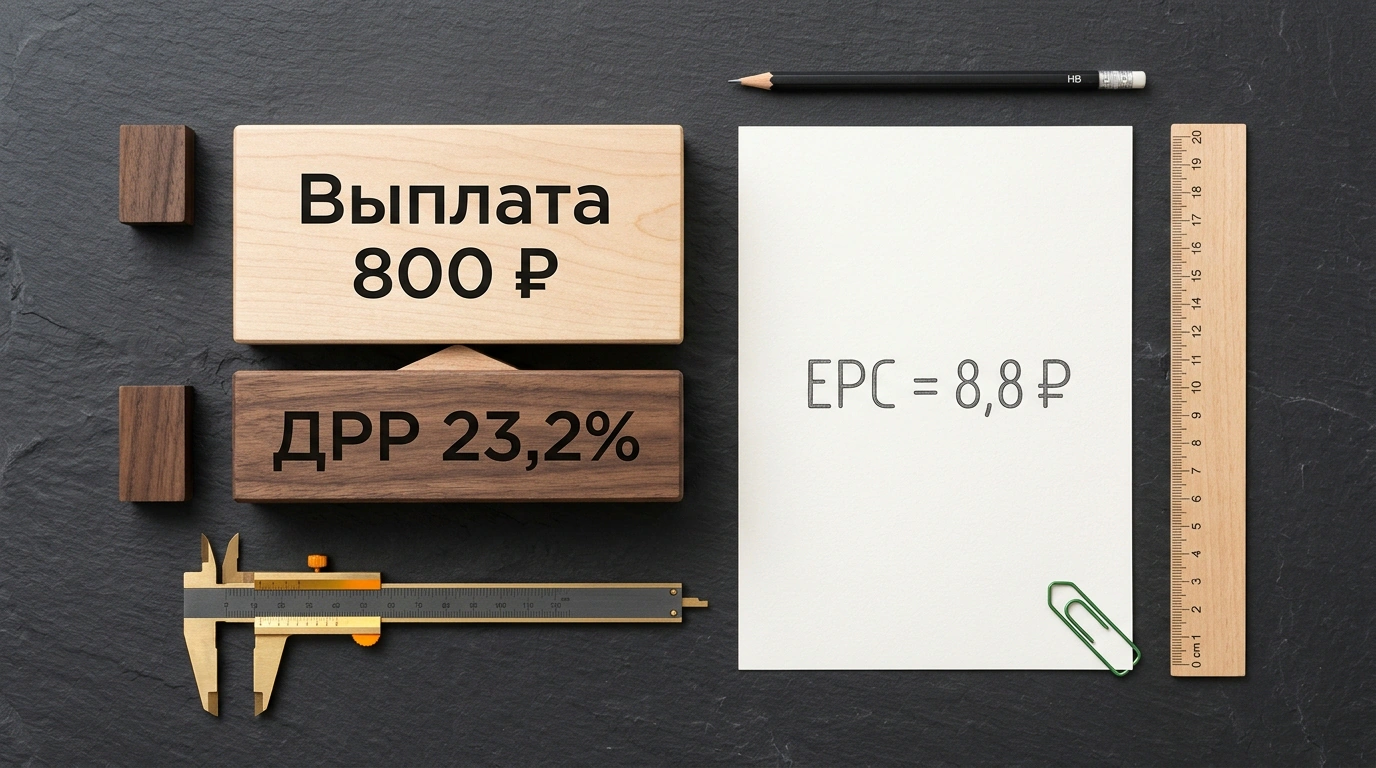
A flat lay of analytical tools, balancing blocks, and EPC calculations on a slate-gray desk.
ArticleUnit EconomicsTrafficAnalyticsMarketing

Will Your Affiliate Program Pay Off? Calculating ROI, EPC, and Approval Rate Before Launch

Business owners often assume that the higher the affiliate payout per lead, the more traffic media buyers will send. In practice, an offer paying 800 rubles easily beats generous rivals offering 1,500 rubles. Affiliates don't chase big promises—they look at EPC, or earnings per click. If strict moderation cuts the approval rate from 55% to 40%, click yield drops from 8.8 to 6.4 rubles, pushing the partner into a net loss. Meanwhile, businesses routinely forget to factor in hidden costs for call-center dialing and tracking software, risking negative margins. Anatoly Bushov broke down the end-to-end unit economics of a CPA channel: how to calculate your payout ceiling, hold ad spend-to-revenue ratio at 23.2%, and pinpoint the 9.3% break-even sales conversion threshold before sending a single ruble to affiliates.

👍 0
vc.ru — МаркетингProCPA: платформа партнерского маркетинга
October 24
A mixed-media paper collage featuring a textile gift box, a customer-service card, and a measuring tape.
ArticleE-commerceSalesRetentionBusiness

Why a Loyalty Program Won't Stop Churn: Lessons from a 290,000-Customer Failure

A home-textiles brand proudly reported 290,000 sign-ups in its new bonus program, yet six months later repeat purchase rates hadn't budged. Trying to retain buyers with textbook points backfired: one-off shoppers replace bedding once every two years so their points expire, while 15% of the base didn't even know they had bonuses due to missing triggered notifications. The rescue came not from marketers, but from a full audit of support tickets. Confusing size charts, no way to try items on, and gift boxes crushed in transit were killing trust faster than any discount could fix. Empowering frontline agents to issue up to 15% discounts on the spot and fixing product-page errors lifted NPS by 19%.

👍 0
Cossaecomvibe: консалтинговая студия электронной коммерции
October 24
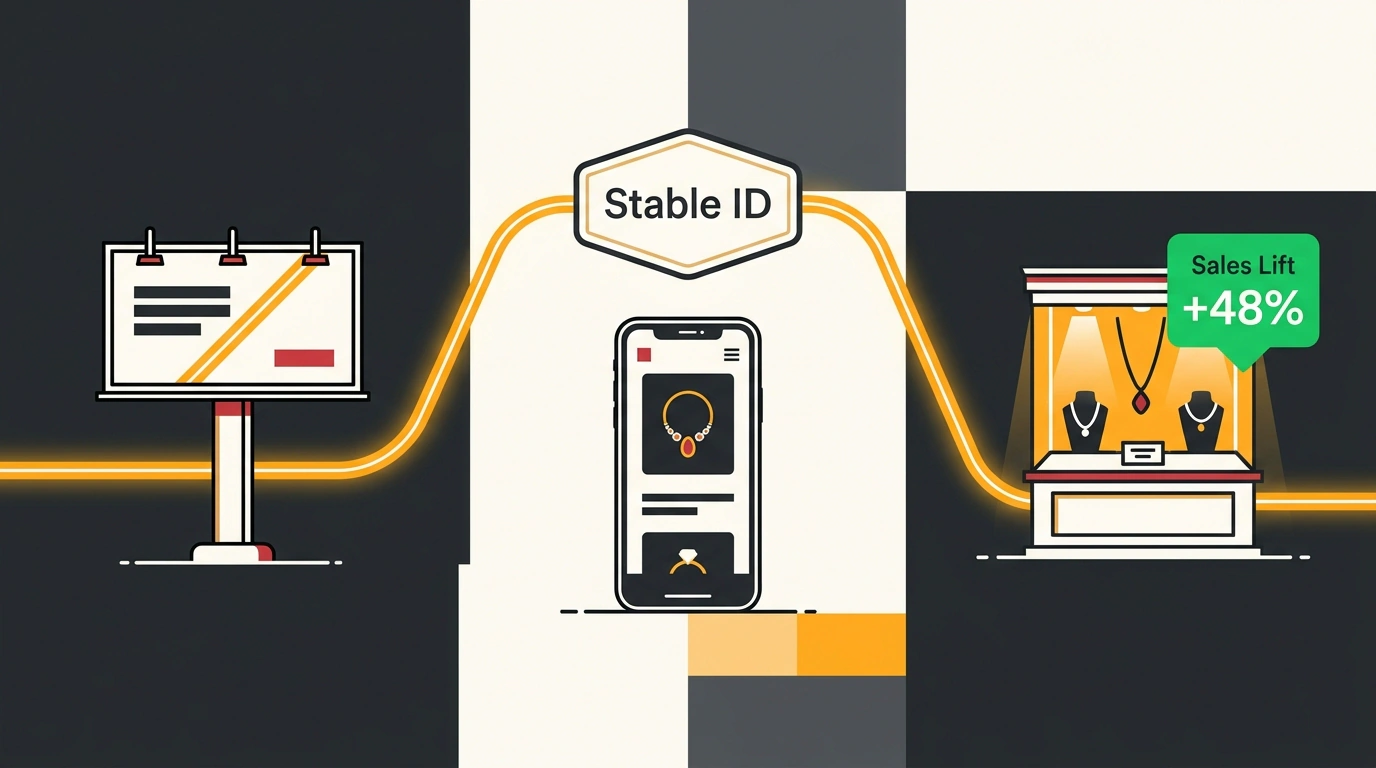
A poster-style graphic showing a glowing Stable ID path linking a city billboard, a smartphone, and a retail storefront.
ArticleAnalyticsAdvertisingMarketingAttribution

How Stable ID Connected Online and Offline: An Omnichannel Attribution Case on 44M Events

For years, omnichannel retail lived with a convenient illusion: outdoor ads drive abstract brand awareness, while digital is strictly responsible for website traffic. Jewelry chain MIUZ Diamonds, together with MTS AdTech and ADV Group, put that dogma to the test by linking online and offline touchpoints through the unified Stable ID identifier. Analyzing 44.2 million events and over 7.5 million customer journeys revealed striking synergy: 53% of retail store purchases happened after digital ad exposure, while 87% of online orders were stimulated by street billboards. Even more telling, 40% of shoppers visited the website on the exact day of their in-store purchase. End-to-end stitching lifted total transactions by 48% and eliminated ad fatigue by pinpointing effective exposure frequency.

👍 0
Sostav.ru
October 24