Issue November 1Daily digest · 11 items
In this issueReviewed 68 sources, gathered 11 items
Two-column code review interface on a dark laptop screen with highlighted diff lines and a prompt export button for a coding agent
ArticleDevelopmentAutomationOpen SourceAI

difit: A Local Web UI for Reviewing Git Diffs with AI Prompt Generation

We're used to pushing draft code to GitHub just for a comfortable review web UI, even though it risks leaking internal secrets to the cloud. The local utility difit spins up that familiar two-column screen right on your machine with a plain npx difit, without sending a single byte outside.

The real breakthrough here is LLM integration: any line comments can be turned with one click into a crisp prompt for a coding agent with exact file paths and line numbers. Turning a messy list of edits into a clean, working commit is still up to your own head, though.

👍 1
DevOps&SRE Libraryyoshiko-pg/difit on GitHub
November 1
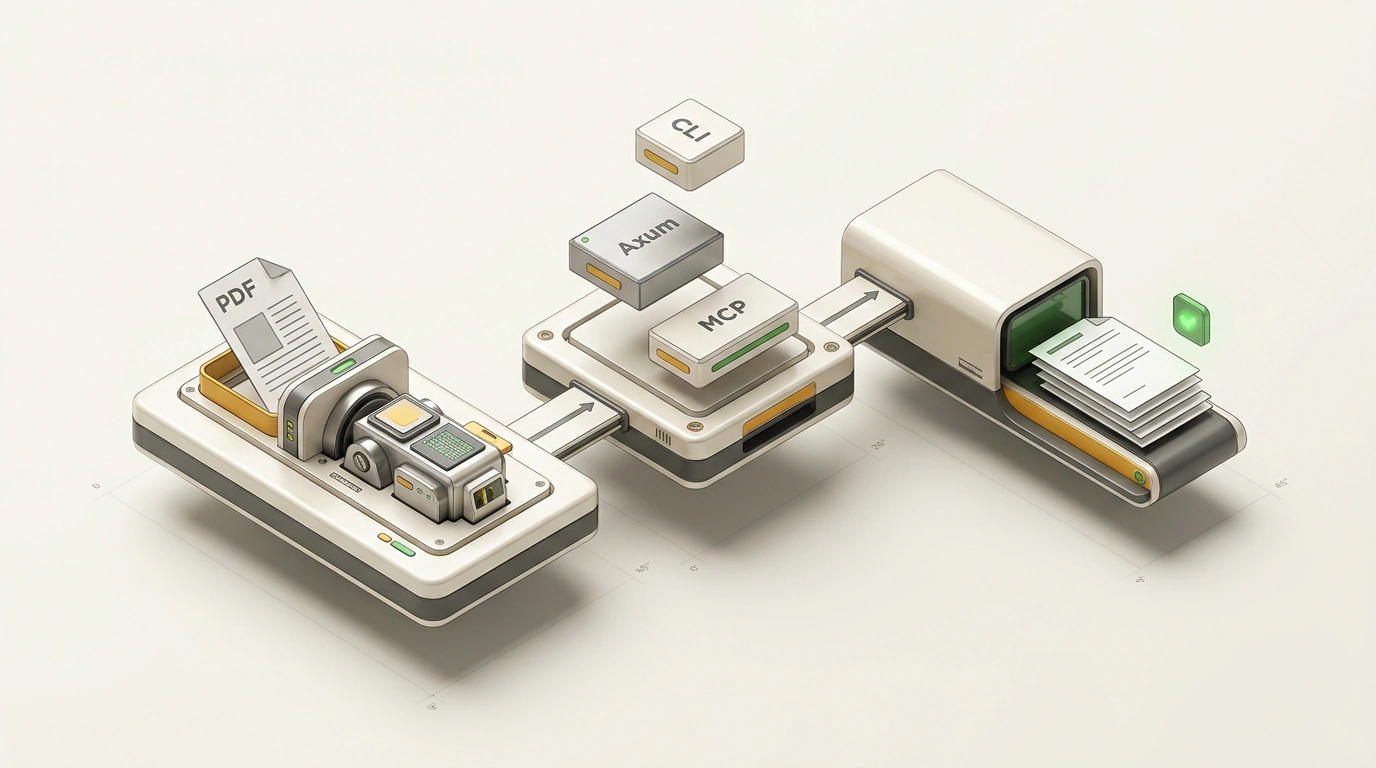
Isometric architectural blueprint of a modular PDF processing pipeline with CLI, Axum, and MCP sections
NoteDevelopmentOpen SourceRustTools

PaperPilot: A High-Performance PDF Toolkit Built in Rust

Processing user-uploaded PDFs in backend services is a perennial source of nightmares with memory leaks and crashes in brittle C libraries like Poppler or Ghostscript. The open-source toolkit PaperPilot moves all core operations onto Rust, guaranteeing strict memory safety with no heavy dependencies.

The tool doesn't just merge, compress, and rotate pages—it also runs as a local MCP server for AI agents and a blazing-fast REST gateway on Axum. Getting finicky embedded fonts to play nicely with compression on the first try is still no walk in the park, though.

👍 1
DevOps&SRE LibraryPaperPilot on GitHub
November 1
Interactive 3D CSS anchor positioning grid with a central anchor and active area highlighted in DevTools
ArticleDevelopmentCSSToolsAI Agents

Chrome DevTools: Visual position-area Editor and Debugging Tools for AI Agents

Previously, every tooltip or menu meant pulling in bulky JavaScript libraries like Floating UI. The native CSS Anchor Positioning spec moved coordinate math into the browser engine, but brought along a confusing grid of position-area keywords.

The latest Chrome DevTools release solves that headache with an interactive nine-cell visual editor in the Elements tab, and introduces the DevTools for Agents protocol with the get_css_styles tool for coding bots. Teaching a neural network to account for viewport overflow without live testing is still tricky, though.

👍 2
Библиотека фронтендераChrome for Developers Blog: What's new in DevTools
November 1
News · November 13 news items

Expo Desktop: Support for react-native-macos and react-native-windows in Expo Projects

Expo Desktop bridges the mobile React Native ecosystem with the react-native-macos and react-native-windows desktop runtimes. Developers get project generation via prebuild and direct launches of native macOS and Windows clients without wrapping their codebase in heavyweight Electron.

E-Maj 5.0.1: Fixing a Critical Privilege Escalation Vulnerability to superuser in PostgreSQL

A critical vulnerability in the E-Maj table auditing and versioning extension for PostgreSQL that allowed unprivileged users to escalate privileges to superuser has been patched. The emergency E-Maj 5.0.1 update is available on PGXN and supports PostgreSQL 14 through 19 without a server restart.

Claude Code: Server-Side Restriction tengu_heron_brook on Recreating Video Games

Anthropic has enabled a non-overridable server-side flag, tengu_heron_brook, in Claude Code that bans creating direct clones of existing video games even if titles or graphics are changed. The model allows free development within game genres, but blocks automated plagiarism of commercial titles.

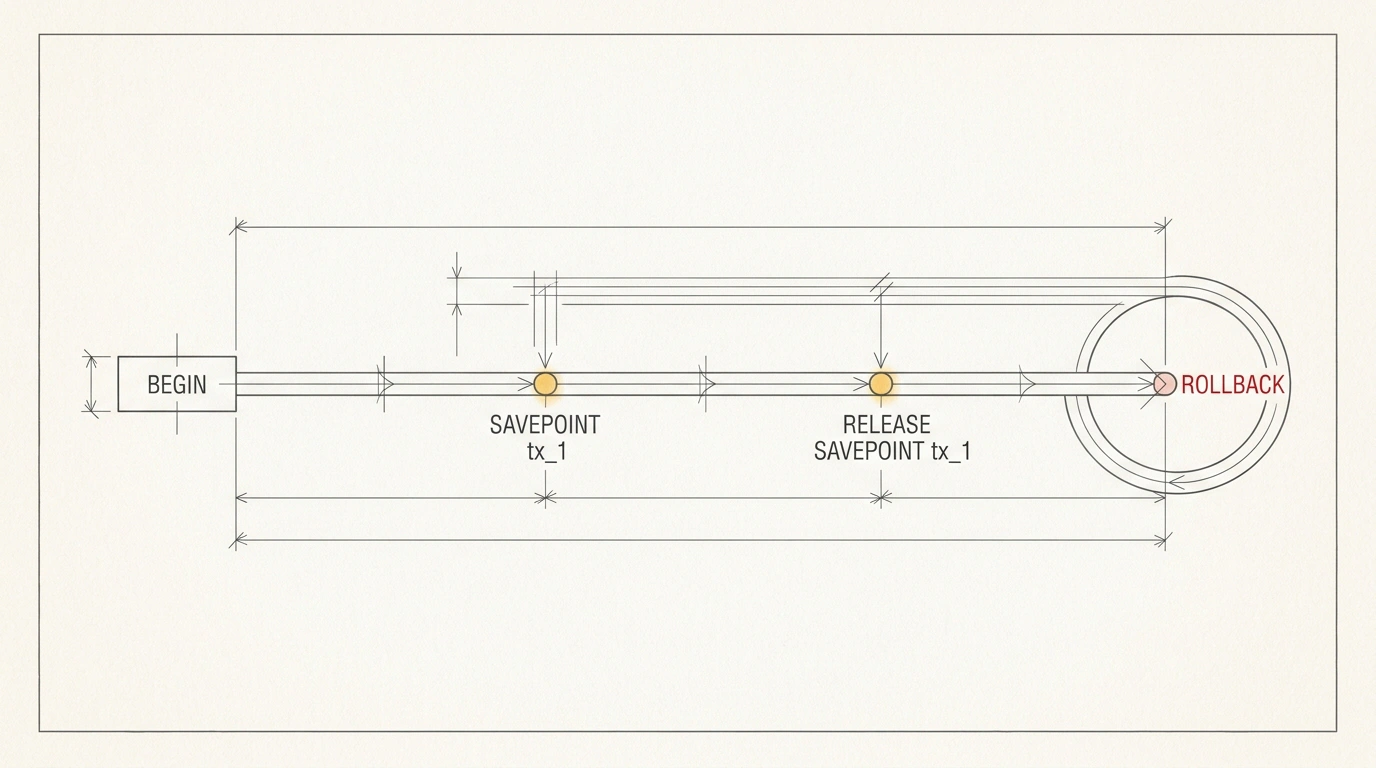
Patent-style diagram of an isolated database transaction with Savepoints and a final Rollback
ArticleDevelopmentGoPostgreSQLTesting

txdb: Running Tests Against a Real Database with Automatic Transaction Rollback in Go

How do you test complex SQL queries against a real database without slow table cleanup or the risk of polluting your environment? Standard mocks like go-sqlmock miss PostgreSQL dialect bugs, while TRUNCATE slows tests down by orders of magnitude.

The go-txdb driver solves this cleanly: it opens one physical transaction for the entire test, swaps nested Begin and Commit calls for SAVEPOINTs, and cleanly rolls back the database via ROLLBACK in t.Cleanup. Keeping parallel goroutines inside a single transaction remains a separate challenge, however.

👍 1
Библиотека Go-разработчикаDATA-DOG/go-txdb on GitHub
November 1
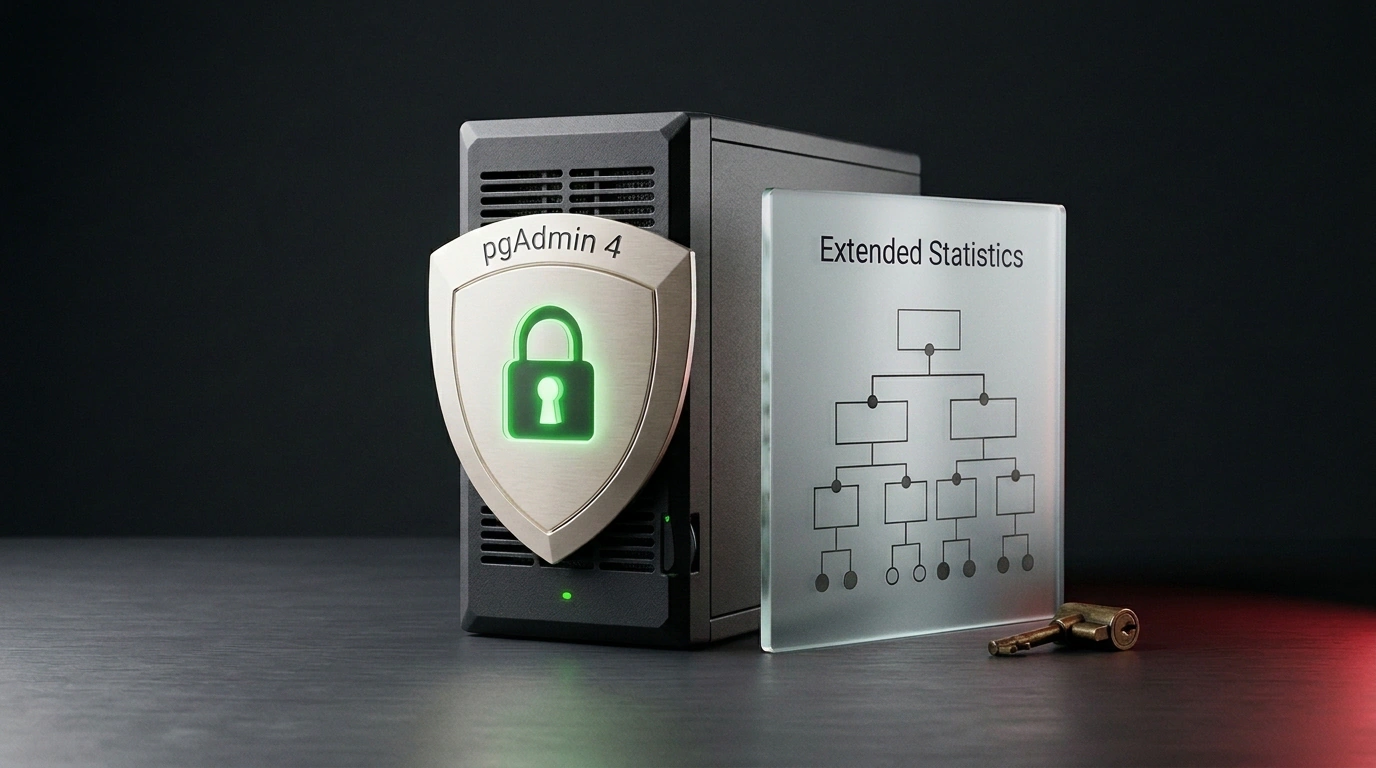
Symbolic still life of a secured database server with a code shield and an extended analytics tree
NoteDevelopmentSafetyPostgreSQLTools

pgAdmin 4 v9.19: Patching 15 Security Vulnerabilities and Managing Extended Statistics

Server-mode pgAdmin 4 often becomes a high-priority target for attacks due to its broad database access privileges. The new pgAdmin 4 v9.19 update patches 15 dangerous vulnerabilities at once and adds key features:

  • Fixed command injection via \copy TO PROGRAM (CVE-2026-116241) and password leaks into environment variables.
  • Added an Extended Statistics node to the object tree for multi-column ndistinct and dependencies statistics.

However, the strict switch to the SERVER_PASSEXEC_COMMANDS allowlist will break existing shell scripts unless you update your config.

👍 1
PostgreSQL NewspgAdmin 4 v9.19 Release Notes
November 1
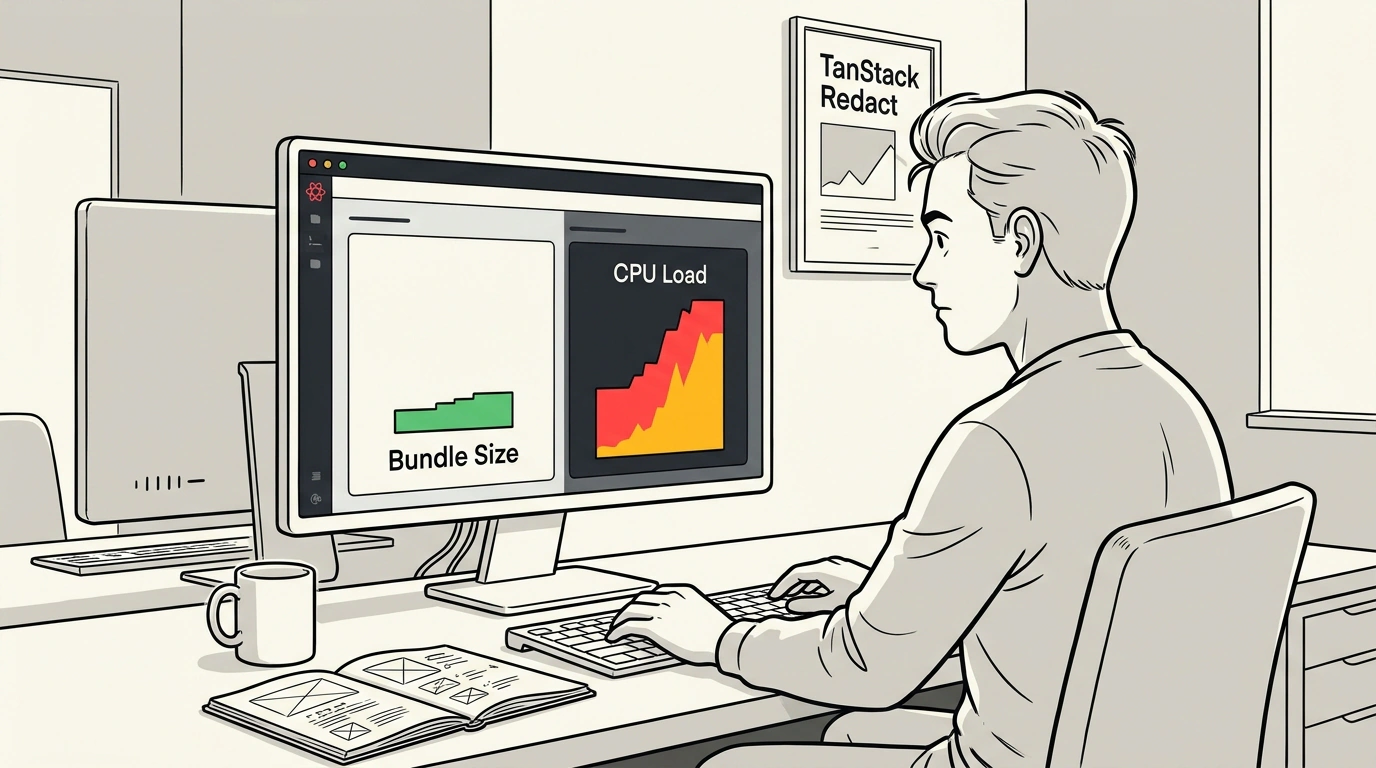
European BD-style comic illustration comparing synchronous rendering and CPU load
NoteDevelopmentReactJavaScriptPerformance

TanStack Redact: An Ultra-Lightweight Synchronous Alternative to React for Browser Rendering

Chasing faster initial load times, developers are willing to shave kilobytes off the bundle at any cost. Tanner Linsley has shipped TanStack Redact—an ultra-lightweight replacement for React and ReactDOM that cuts client code by 20–70% by stripping out the Fiber scheduler entirely.

There's no such thing as a free lunch, though: dropping time slicing makes all rendering strictly synchronous. In heavy interfaces, the CPU burns twice as much time on cascading re-renders, turning bandwidth savings into screen freezes.

👍 0
Node.JS [ru]TanStack Redact Documentation
November 1
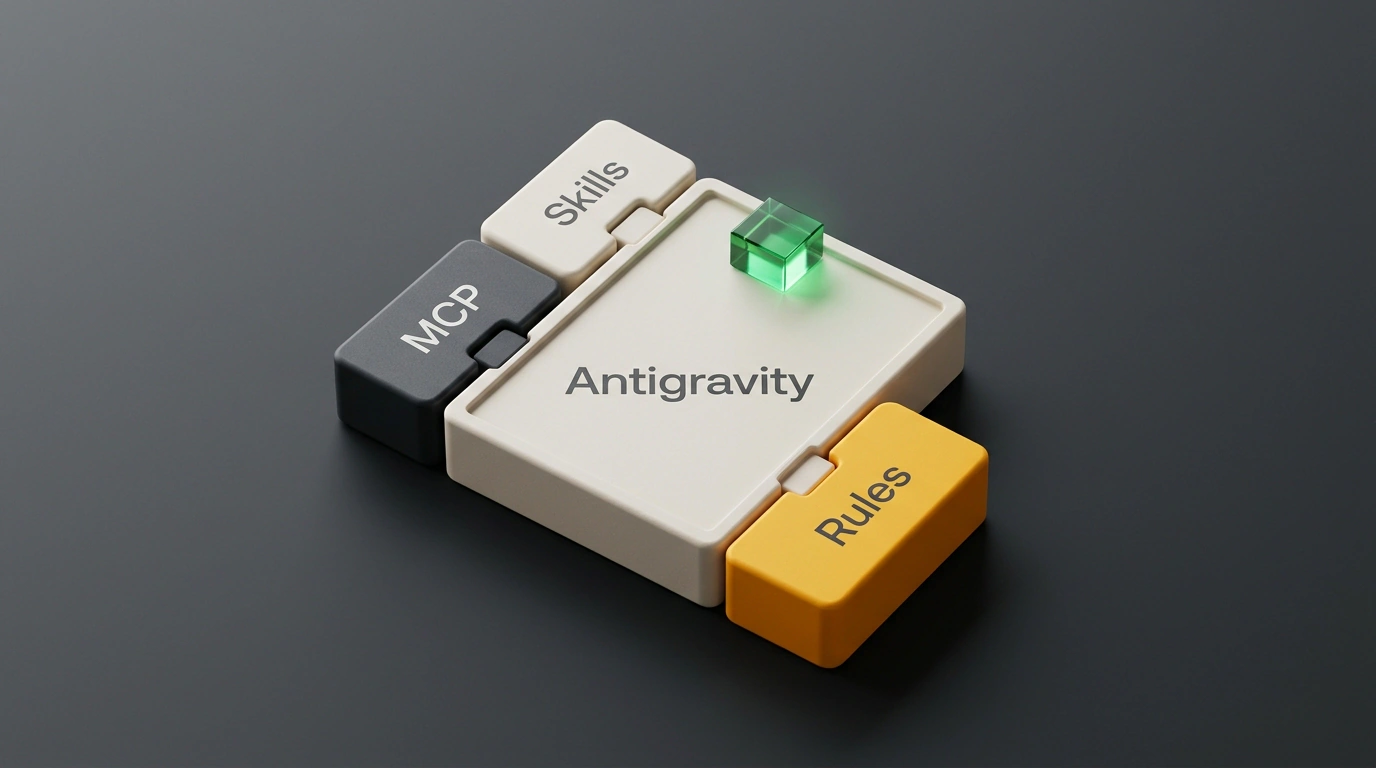
Assembly of a modular Bauhaus cubic construction set with plugin connectors for a development environment
ArticleDevelopmentAI AgentsAutomationEcosystems

Google Antigravity: Launching a Marketplace of Plugins and Connectors for Development Environments

We're used to coding agents being locked inside a text editor, requiring manual token wrangling for every external service. The Google Developer Relations team turned that approach upside down by unveiling Plugin Marketplace in Google Antigravity.

The catalog bundles verified connectors—from Jira, Linear, and GitHub to Stripe and Vercel—into self-contained packages with a plugin.json manifest. Agents get typed access to corporate tasks and cloud deployments in one click. Letting an autonomous assistant into production without strict lifecycle hooks is still far too reckless, though.

👍 1
Node.JS [ru]Introducing the Plugin Marketplace in Google Antigravity
November 1
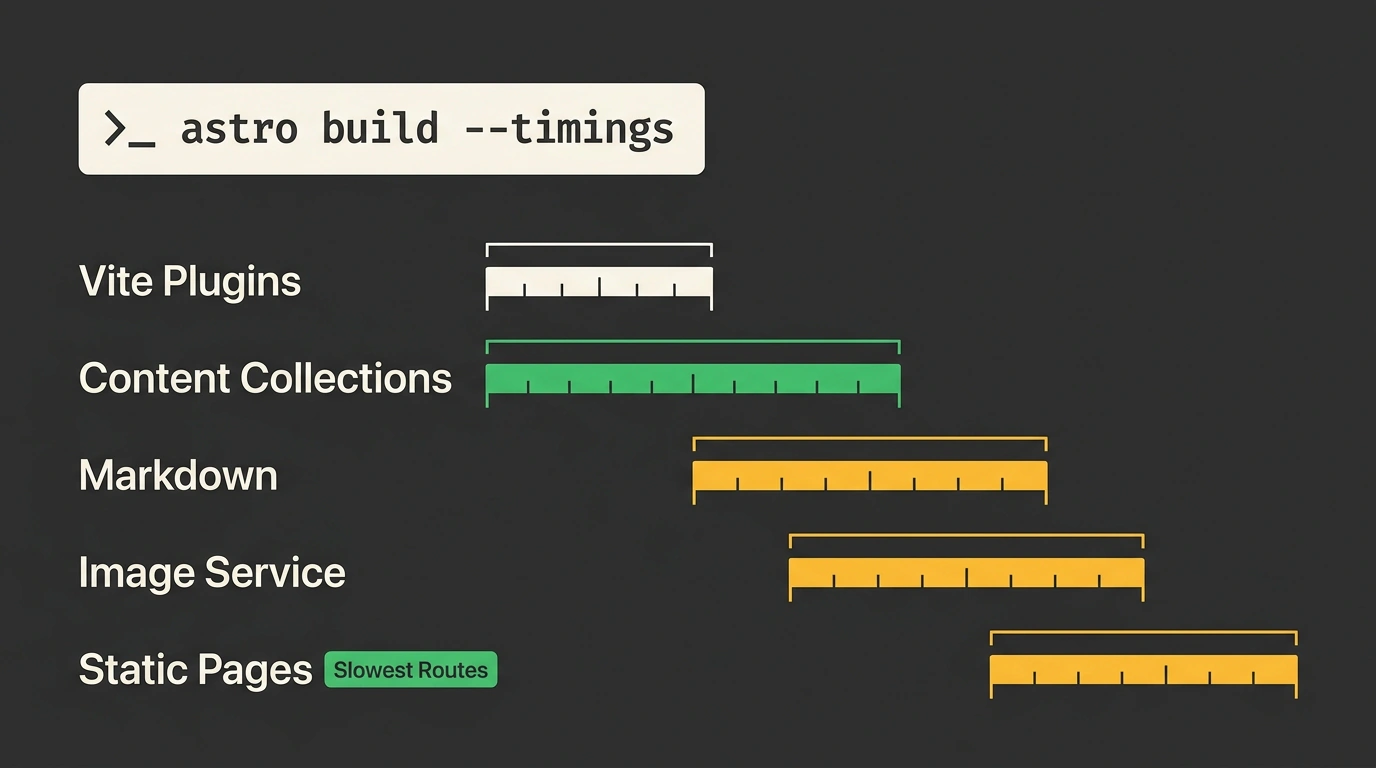
Minimalist poster showing project build stage timing and a compiler timing scale
ArticleDevelopmentJavaScriptWeb DevelopmentPerformance

Astro 7.4: Build Profiling with --timings and Independent Image Services

When a static website build starts bogging down across hundreds of pages, developers are often left guessing in the dark. The minor Astro 7.4 release brings powerful visibility tools:

  • The diagnostic --timings flag prints a percentage breakdown of compilation time across Vite plugins, content schemas, and page rendering.
  • Splitting image.service into build and runtime stages keeps heavy Sharp binaries out of serverless functions.

Catching hidden external API delays in content collections will still require a manual profiler, though.

👍 0
Astro BlogAstro Documentation: Configuration Reference
November 1