Issue November 3Daily digest · 17 items
In this issueReviewed 68 sources, gathered 17 items
A frontend developer's workspace with Figma and an MCP server terminal open under soft evening lamp light.
ArticleToolsDevelopmentAIOpen Source

Figwright: a two-way Figma MCP server for coding agents

Official access to Figma designs for coding agents hits an absurd wall: you have to pay for Dev Mode separately for every autonomous bot. The open-source project Figwright breaks this monopoly through a local WebSocket bridge between a plugin and a Node.js MCP server.

The agent doesn't just pull CSS tokens — it also edits the canvas both ways on the free plan. Yet keeping sync intact across a hundred parallel edits turns out to be harder than just spinning up a socket.

👍 18
Best of JSGitHub Repository awdr74100/figwrightnpm: @figwright/mcp
November 3
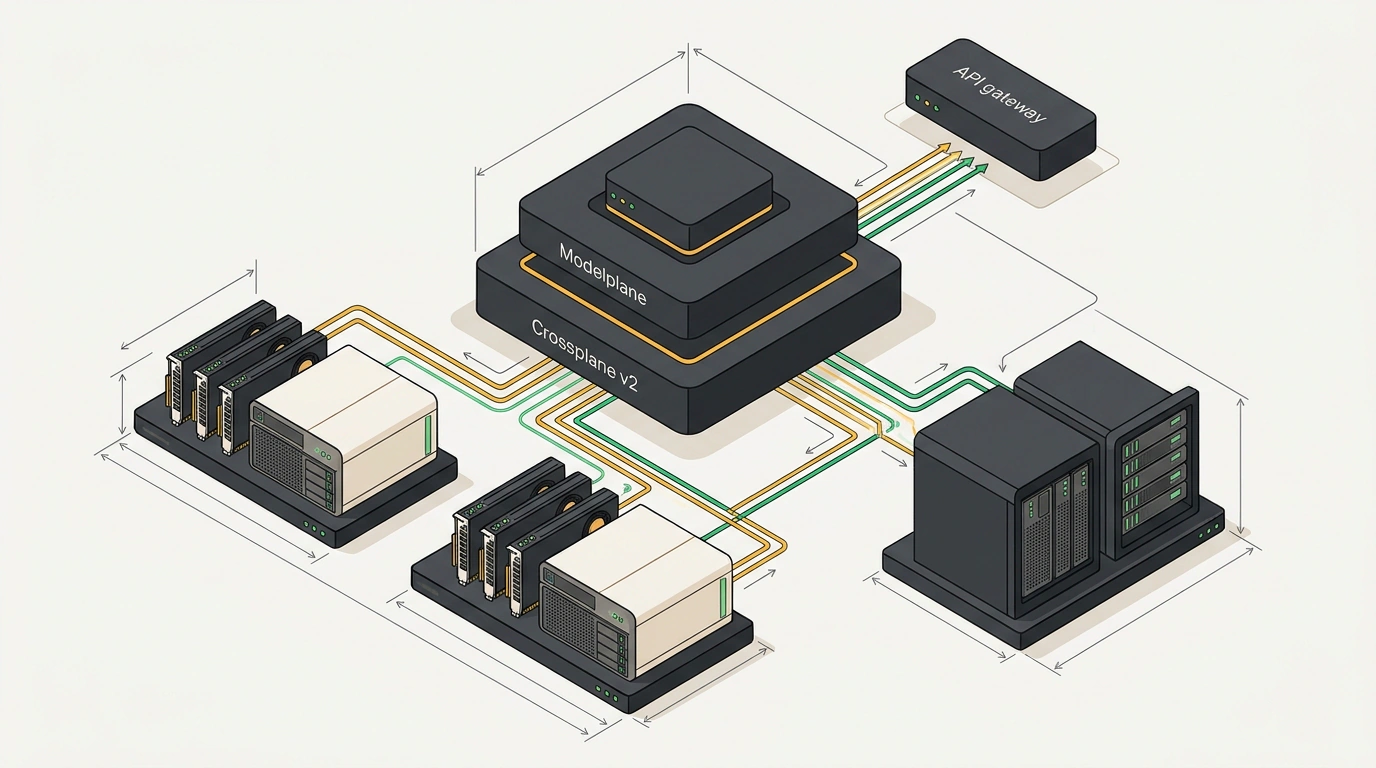
Architectural isometric diagram of the Modelplane orchestrator uniting heterogeneous GPU compute nodes on top of Crossplane.
ArticleInfrastructureAutomationKubernetesAI

Modelplane: orchestrating GPU clusters and AI inference on top of Crossplane

Renting ready-made GPUs in a single cloud guarantees going broke on network traffic, while a zoo of a dozen small data centers turns model deployment into a nightmare. Nic Cope from the Crossplane team introduced Modelplane — an open control plane linking heterogeneous accelerators into a single compute matrix.

The platform provisions instances and distributes weights on its own, exposing a standard OpenAI API. Yet you still end up paying for that universal abstraction with network latency between data centers.

👍 44
DevOps&SRE LibraryCrossplane Blog: Building Modelplane on CrossplaneCrossplane Project Portal
November 3
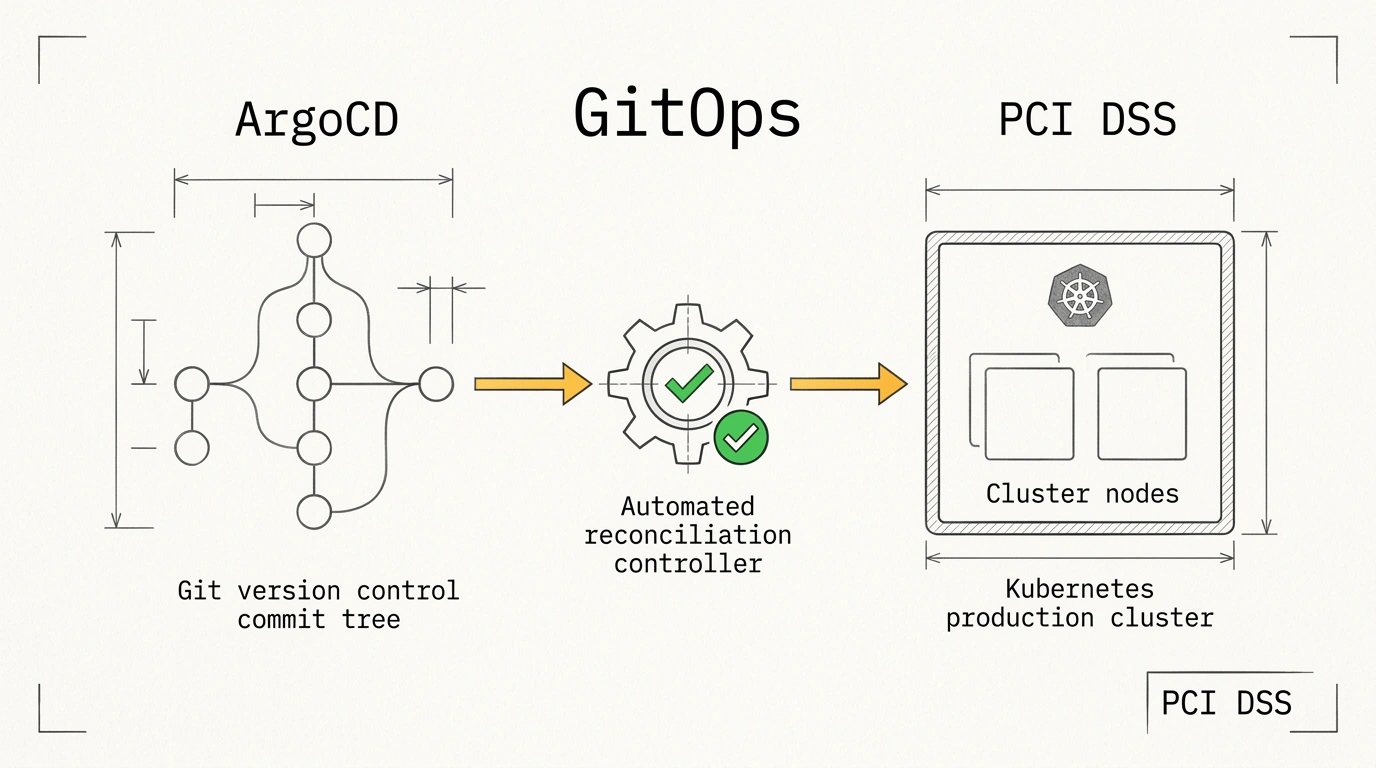
Patent blueprint and crisp infographic of a GitOps Kubernetes delivery pipeline via ArgoCD for a payment platform.
ArticleSafetyAutomationKubernetesRefactoring

GitOps, ArgoCD, and Kubernetes: how Dodo Payments built transparent deployments for PCI DSS

A single midnight hotfix via kubectl straight on a production cluster can instantly cost a payment platform its PCI DSS certificate. At fintech service Dodo Payments, engineers' manual server access was completely blocked by moving delivery to ArgoCD and strict GitOps.

The controller watches for drift itself, while a database sidecar protects transactions during pod restarts. Yet configuring seamless cutovers without hanging network sockets rarely succeeds on the first try.

👍 31
DevOps&SRE LibraryDodo Payments Engineering BlogArgoCD Documentation
November 3
News · November 31 news item

Nuxt Devtools v4.1.0: disabling Vite MCP and component inspector via vue-tracer

Nuxt Devtools v4.1.0 introduces the devtools.mcp option to disable the Vite DevTools MCP endpoint, integrates a one-click component inspector via vue-tracer, and fixes WebSocket behavior during HTTPS development. The update also resolves panel unreachability on the local network when using the --public flag.

Dramatic chiaroscuro still life with a network controller and oscilloscope symbolizing protection against the DoS vulnerability in Fastify.
ArticleSafetyDevelopmentFastifyBackend

Fastify 5.12.8 and 6.0.0-alpha.6: patching GHSA-3qgw-9275-xf8w and router compilation

An ordinary HTTP handler timeout is meant to save a web server from hanging clients, yet in the Node.js ecosystem it can take down the entire process. Coordinated releases Fastify 5.12.8 and 6.0.0-alpha.6 close a critical DoS vulnerability triggered by delays in streaming responses.

While the 5.x branch gets security patches, v6 debuts a compiled router mode with a 25% speedup. Still, running the alpha in production without checking schema validators remains too risky.

👍 29
Fastify ReleasesGitHub Security Advisory GHSA-3qgw-9275-xf8wFastify Documentation
November 3
Macro shot of a modular designer tile sample with a measuring ruler illustrating how calc-size and round work in CSS.
NoteFrontendCSSDevelopmentDesign

calc-size() and round(): how to align block height to whole background pattern tiles

A half-sliced bottom row of decorative background tiles is a perennial headache for layout engineers. Until recently, matching block height to a pattern's step without JavaScript was impossible. Frontend developer Ahmad Shadeed proposed an elegant trick using the CSS functions calc-size() and round().

The browser takes the content-driven auto height itself and rounds it up to a multiple of the tile size. Yet it's still too early to rely on this calculation across all browsers without strict support checks.

👍 13
Библиотека фронтендераAhmad Shadeed: Fit height to background pattern size with calc-sizeW3C CSS Values and Units Module Level 5
November 3
Object still life with a pair of analog counters and a transaction key illustrating idempotence of network requests in Go.
NoteGolangDevelopmentReliabilityHTTP

go-retryablehttp: why resending a body doesn't guarantee a safe operation

Automatically retrying a failed network request in Go seems simple: plug in HashiCorp's go-retryablehttp library and network glitches are defeated. Yet being able to re-read a request body stream solves only the transport problem, without guaranteeing application-level safety.

If the server already deducted funds before the connection dropped, resending creates a dangerous duplicate transaction. Still, you can guard against financial phantoms with a simple pairing of idempotency keys and custom backoff.

👍 26
Библиотека Go-разработчикаGitHub: hashicorp/go-retryablehttppkg.go.dev: hashicorp/go-retryablehttp
November 3
Architectural cutaway of a protected file container blocking Path Traversal attempts at the OS kernel level in Go.
ArticleGolangSafetyDevelopmentFiles

filepath.Join won't protect against path traversal: breaking down os.OpenInRoot and GO-2026-4970 in Go

Joining paths with filepath.Join was long considered reliable protection against Path Traversal attacks in Go, but that's a dangerous illusion. The moment an attacker slips in a symlink or triggers a TOCTOU filesystem race, path checks crumble.

Go's standard library introduced os.OpenInRoot and os.OpenRoot, blocking escapes at the kernel descriptor level. Yet even in that defense, vulnerability GO-2026-4970 found a hidden loophole via a trailing slash.

👍 23
Библиотека Go-разработчикаGo Documentation: os.OpenInRootGo Vulnerability Database: GO-2026-4970
November 3
Narrative scene of a developer thoughtfully reading and analyzing AI-generated source code at a desk.
ArticleArchitectureDevelopmentAILLM

"Don't read the code": why skipping review of AI-generated code destroys architecture

The trendy slogan of the vibe-coding era sounds tempting: "Why read code if the model will write the implementation and check the tests itself?" Architecture educator Timur Shemsedinov breaks down why this advice leads to a catastrophic codebase collapse.

Code remains the system's only formal manifest, and blind agentic generation inevitably erodes architectural seams and breeds hidden coupling. Yet shifting focus from manual typing to analytical reading of contracts isn't something everyone manages easily.

👍 25
HowProgrammingWorksYouTube: Тимур Шемсединов — Не читай код: худший совет эпохи ИИGitHub: HowProgrammingWorks Organization
November 3
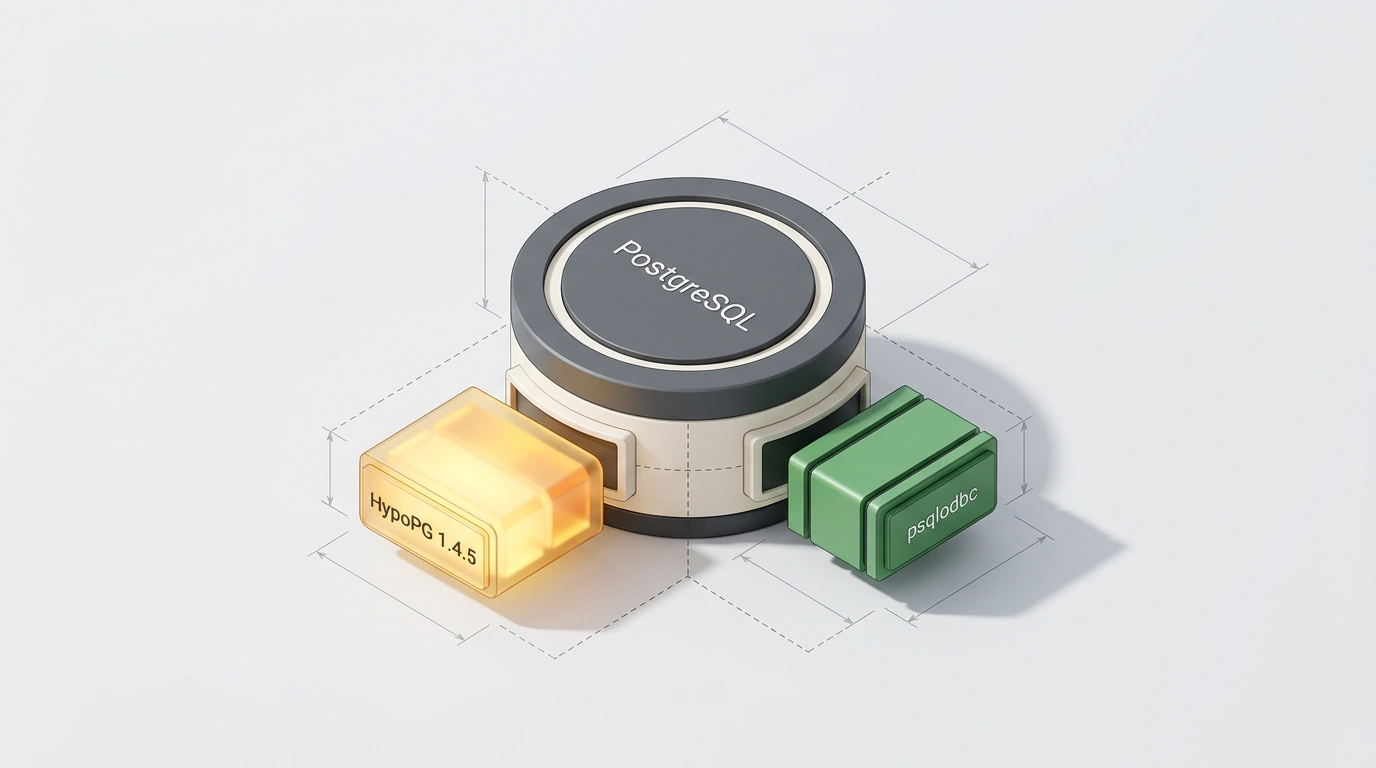
Architectural modular 3D visualization of the PostgreSQL database core alongside the HypoPG and psqlodbc extensions.
Thematic roundup2 sectionsPostgreSQLDatabasesSafetyData

PostgreSQL ecosystem news: fixes in HypoPG 1.4.5 and psqlodbc security

Database reliability depends not only on core DBMS stability, but also on the cleanliness of its surrounding stack of extensions and drivers. The PostgreSQL community shipped two targeted updates: the HypoPG 1.4.5 extension release for safe index simulation and an out-of-band security patch for the official psqlodbc 18.00.0006 driver.

HypoPG fixed a cost-estimation bug and a backend crash when handling relid, while the connector patched buffer overflows. Yet only timely updates of the periphery protect production from hidden degradations.

👍 19
PostgreSQL News: HypoPG 1.4.5GitHub: HypoPG Repository
November 3
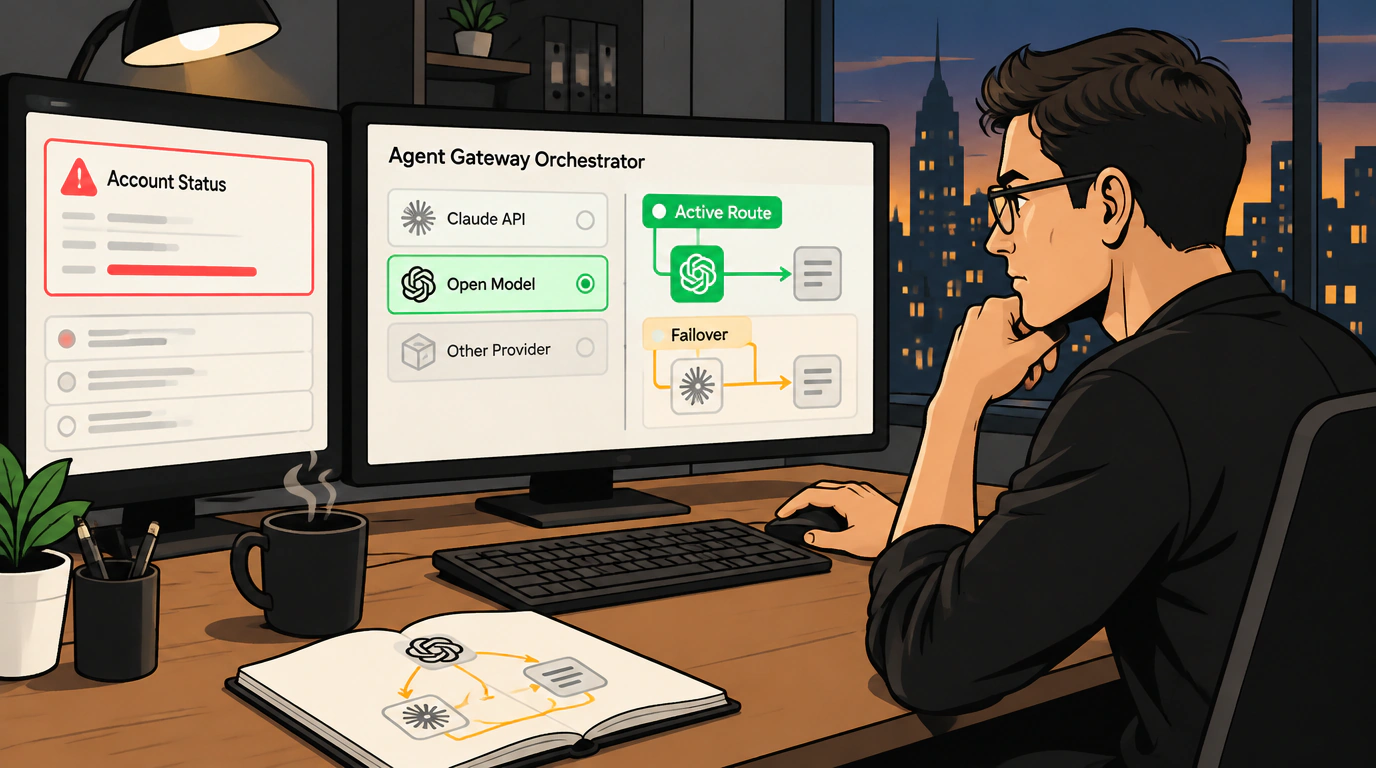
European graphic novel illustration of AI agent workflows switching over to backup models during an account ban.
ArticleAILLMAI AgentsArchitecture

Claude bans, overselling, and a failover strategy for AI agents

A sudden Claude account ban paralyzes development when a team is tied to a single provider. Architect Alexey Rybak exposes the underside of overselling: an active agent generates a net loss for the provider on a flat-rate subscription.

A resilient pipeline is built by splitting tasks:

  • Claude for gold-standard architectural analysis;
  • Codex for stable corporate limits;
  • OpenCode with open DeepSeek models for routine work.

Yet insuring workflows against vendor lock-in without adapting system instructions rarely succeeds right away.

👍 35
System Design & HighloadOpenCode ProjectAnthropic Pricing & Terms
November 3
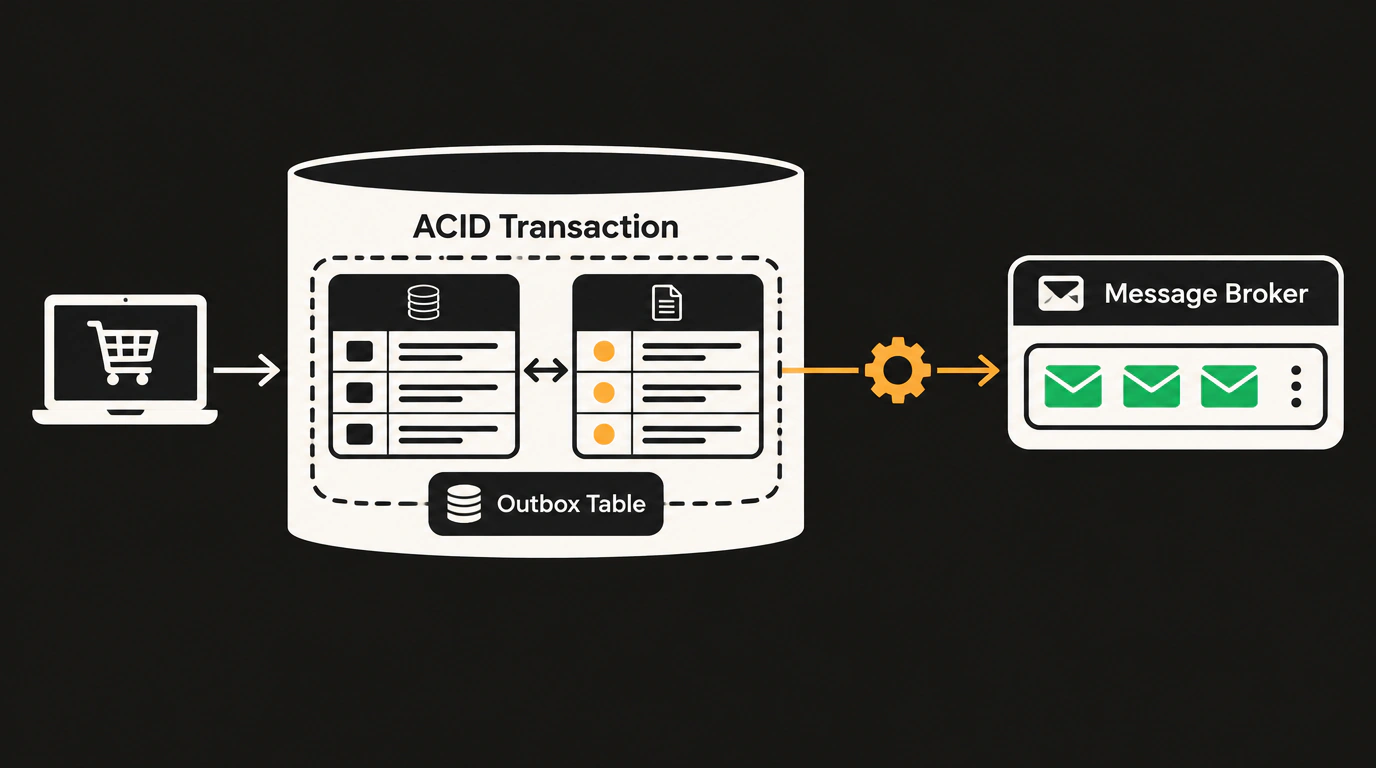
Clear infographic diagram of the Transactional Outbox pattern showing a local ACID transaction and reliable delivery to a message broker.
NoteArchitectureDatabasesDataDevelopment

Transactional Outbox Pattern: solving the Dual Write problem when saving to a DB and publishing events

Trying to save an order to a relational database and simultaneously publish an event to Kafka is the classic Dual Write trap. If the network blinks after the database commit, the event vanishes into thin air, while sending before committing creates a dangerous phantom.

The Transactional Outbox architectural pattern solves this dilemma via a local ACID transaction: business entity and event are written atomically. Yet guaranteeing delivery without overloading the database with constant polling only works by switching to WAL log tailing.

👍 25
SQL PortalMicroservices.io: Transactional Outbox PatternDebezium Outbox Event Router Documentation
November 3
Macro shot of an ESP32-C3 microcontroller with a connected AHT10 sensor and a smartphone web UI display on a workbench.
NoteIoTJavaScriptHardwareDevelopment

Climate control on ESP32-C3: access point, AHT10 sensor polling, and WebSocket web UI

A smart home often becomes a hostage to cloud servers: lose internet, and climate automation in a greenhouse or country house shuts down. The esp32c3-webUI project on the ESP32-C3 chip proves that full-featured climate control can be 100% autonomous.

The microcontroller spins up its own Wi-Fi access point, polls an AHT10 sensor over I2C, and streams readings via a built-in WebSocket to a smartphone browser. Yet protecting the sensor from the board's own heat only succeeds by properly mounting the sensor outside the enclosure.

👍 7
Node.JS [ru]Хабр: Климат-контроль на ESP32-C3 с WebUIEspressif ESP32-C3 Documentation
November 3
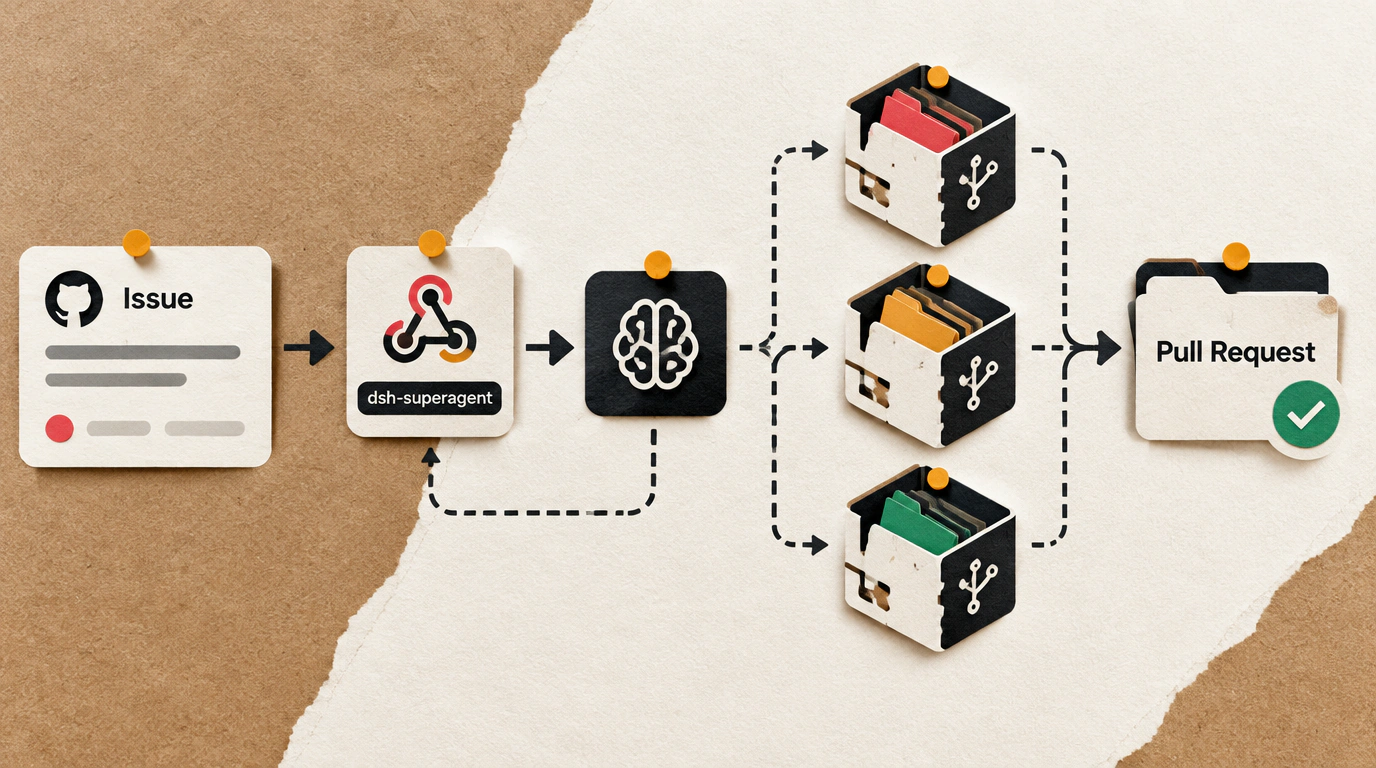
Paper collage and mixed-media infographic of the asynchronous multi-agent DeepSeek dsh-superagent pipeline for GitHub.
NoteAIOpen SourceAI AgentsDevelopment

DeepSeek dsh-superagent: an architectural prototype of a multi-agent solution for GitHub Issues and PRs

Familiar conversational coding assistants require constant human supervision in chat. The research prototype dsh-superagent from DeepSeek AI moves development into an asynchronous background mode: a pool of agents autonomously tracks GitHub webhooks, decomposes Issues, and prepares Pull Requests.

The architecture combines security policy modules, isolated worktrees, and an Outbox queue. Still, engineers aren't ready yet to trust autonomous branch merging in production without strict manual oversight.

👍 11
Node.JS [ru]DeepSeek dsh-superagent-prototype GitHub Repository
November 3
Minimalist blueprint of an interactive modular circuit for a digital athlete avatar in pure JavaScript.
ArticleJavaScriptArchitectureDevelopmentPrototype

Digital athlete avatar: architecture of a browser prototype in 3,000 lines of vanilla JS

The habit of dragging React, Redux, PostgreSQL, and heavy CI/CD into every startup turns product hypothesis testing into a six-month construction project. The developer of the ЦАС sports ecosystem proved the opposite: a full-featured interactive 14-module circuit fit into 3,000 lines of pure JavaScript right in the browser.

Skipping frameworks and bundlers made it possible to launch an end-to-end demo of royalties and coaching with zero servers. Yet moving such an ultra-lightweight model into industrial production without data security compromises still won't work.

👍 32
Node.JS [ru]Habr: Цифровой аватар спортсмена (ЦАС): живой прототип на 3000 строк голого JSMDN Web Docs: Vanilla JavaScript
November 3
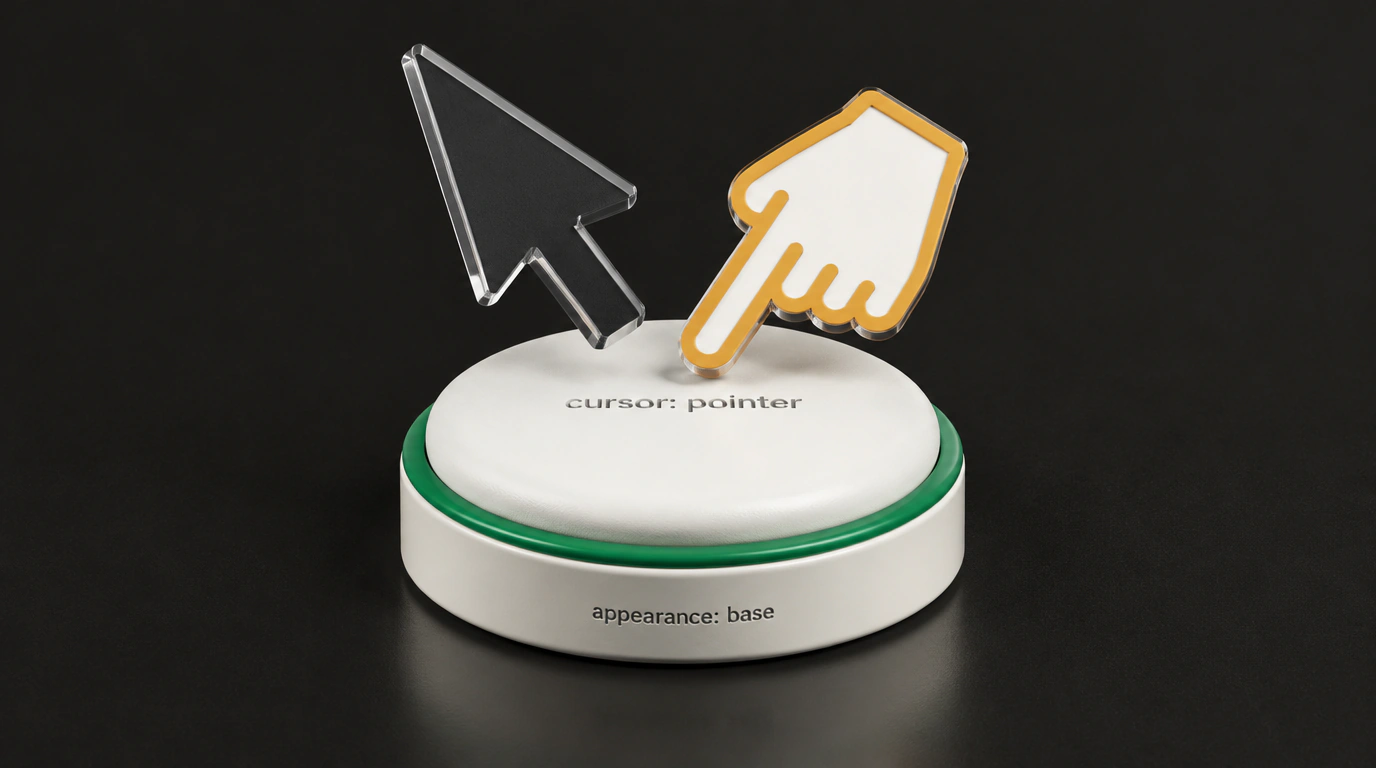
Studio object still life with a mechanical button and cutout silhouettes of arrow and pointing-finger cursors.
NoteCSSStandardsFrontendDevelopment

Cursors for base form styles: CSSWG decision on cursor: pointer in appearance: base

For a quarter century, browser purists argued that the pointer cursor belongs only on hyperlinks, while the rest of the web forced the pointing hand onto buttons and checkboxes. The W3C CSSWG working group settled the debate by codifying cursor behavior in the appearance: base specification.

Next-generation buttons, selects, and radio buttons will officially get pointer by default, while range sliders get grab. Yet while browser vendors are still rolling out base form mode, you still can't build layouts without a safe fallback.

👍 10
Веб-стандартыW3C CSSWG Issue #14251: Cursors for base appearance
November 3