Issue November 20Daily digest · 11 items
In this issueReviewed 68 sources, gathered 11 items
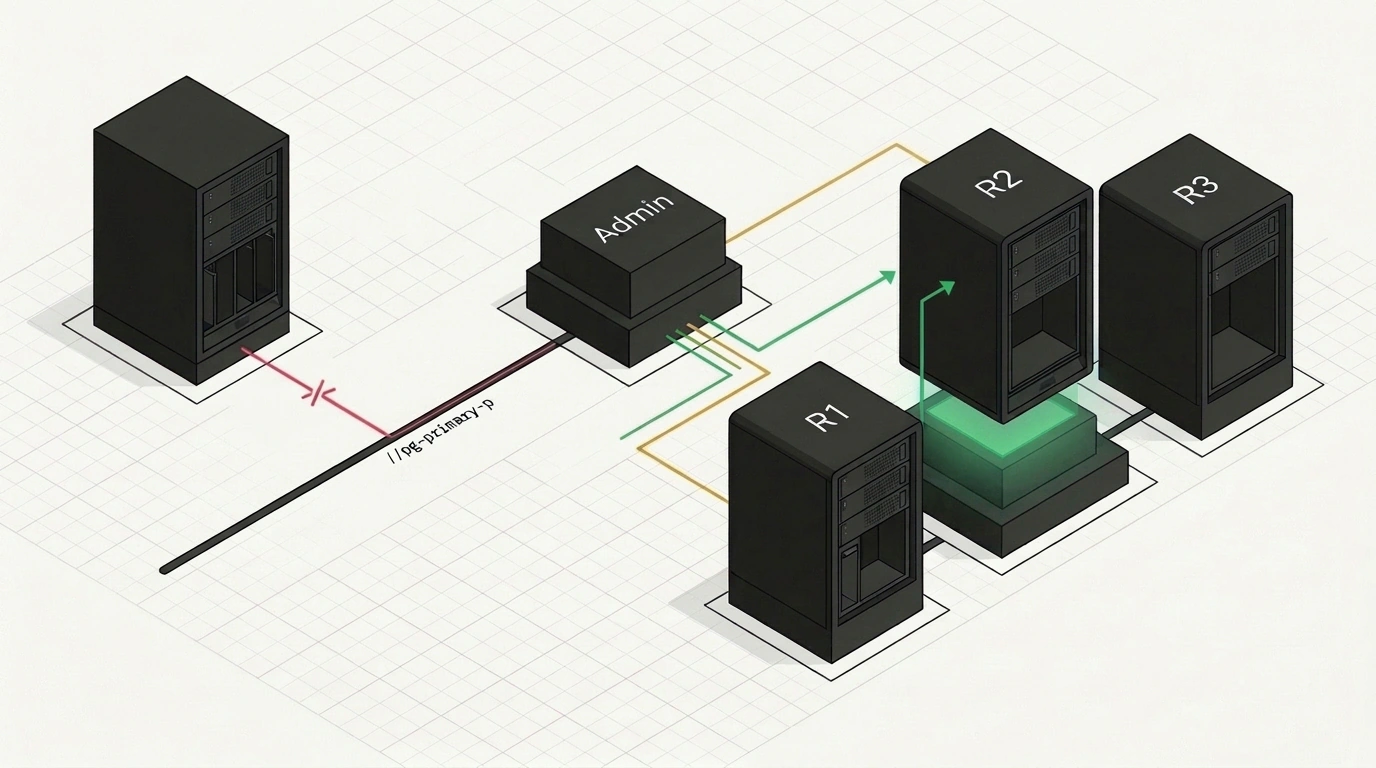
Architectural isometric illustration of a PostgreSQL shard with the Admin controller, a frozen old primary, and the selection of a new leader replica.
ArticleDataDevelopmentPostgreSQLFault Tolerance

How to Avoid Two Primaries When a Database Drops: Unplanned PostgreSQL Failover in Neki

When a controller loses contact with a PostgreSQL primary, rushing to fail over is dangerous. You might promote a second primary and trigger split-brain. Here is how PlanetScale's Neki checks if the primary is truly dead using pg_stat_wal_receiver, blocks the old node from returning with a // prefix in primary_conninfo, picks a new leader by LSN, and puts the failed server into TEARDOWN.


👍 40
DevOps&SRE LibraryPlanetScale Blog — Designing a reliable unplanned failover (Shlomi Noach)PostgreSQL Documentation — Replication Settings
November 20
Cinematic still life of an engineering workstation with a monitor showing a 100 Lighthouse score and a sketchbook with an architectural diagram of migrating to Strapi 5 and Astro.
LongreadDevelopmentOpen SourceStrapiAstro

Migrating from WordPress to Strapi 5 and Astro: How a Medical Platform Shrank Its Database 20x and Hit 100 on Lighthouse

A sluggish admin panel, security breaches, a 44 mobile Lighthouse score, and a CRM with conflicting numbers. That was the breaking point where a subscription platform for doctors decided to leave WordPress behind. Let's look at the real-world case from the evilUnion team: how a unified Strapi 5 backend paired with an Astro frontend, Meilisearch hybrid search, and BullMQ queues shrank the database from 1 GB to 50 MB, sped up page transitions 5x, and untangled wp_usermeta without forcing password resets.

👍 31
Node.JS [ru]Хабр — evilUnion (Артем / Александр Бахарев): Strapi на практике: переезд с WordPress на современный стекStrapi — GitHub RepositoryStrapi 5 Docs — Document Service API+7
November 20
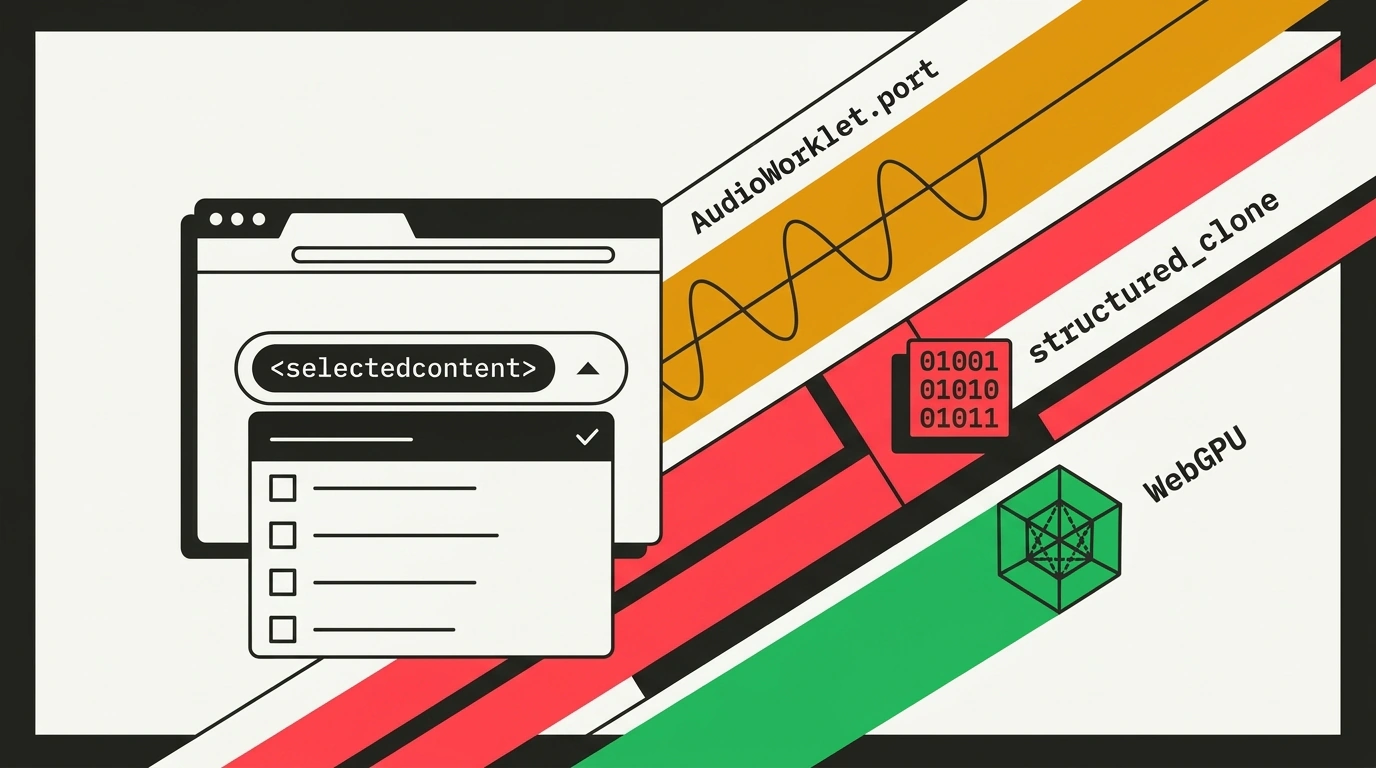
Poster-style editorial vector illustration featuring a dropdown form selector, an audio worklet, and Safari browser graphic symbols.
ArticleDevelopmentBrowsersWebKitFrontend

Safari Technology Preview 257: Customizable select multiple, AudioWorklet.port, Structured Clone, and Dual-Source Blending

Safari Technology Preview 257 packs over a hundred fixes, with four key shifts for daily work. WebKit gains a preview of customizable select multiple with selectedcontent, a direct AudioWorklet.port channel without an extra audio node, Blob and ArrayBuffer messaging in extensions via structured_clone, and dual-source blending in WebGPU. It also squashes long-standing Safari bugs: dropped pagehide beacons, print hangs during XHR, and non-standard 90 pixels per inch.

👍 16
WebKit BlogMDN — Customizable select elements
November 20
News · November 202 news items

How to Stop TypeScript from Silently Accepting Invalid Values: The Built-in NoInfer<T> Type

You write a generic function taking a list of options "card", "cash" and accidentally pass "crypto" as the second argument—and TypeScript says nothing. The compiler simply widens T across both parameters. The built-in NoInfer utility type from TS 5.4 blocks inference from that second argument and catches the typo immediately.

Regex101: An Online Sandbox That Explains Step by Step Why Your Regular Expression Broke

Debugging regular expressions blind is a sure way to lose half an hour on one stray parenthesis. The free Regex101 sandbox decodes every token in real time, highlights capture groups, catches freezes with a step-by-step debugger, and lets you switch engines from PCRE2 to Go and POSIX.

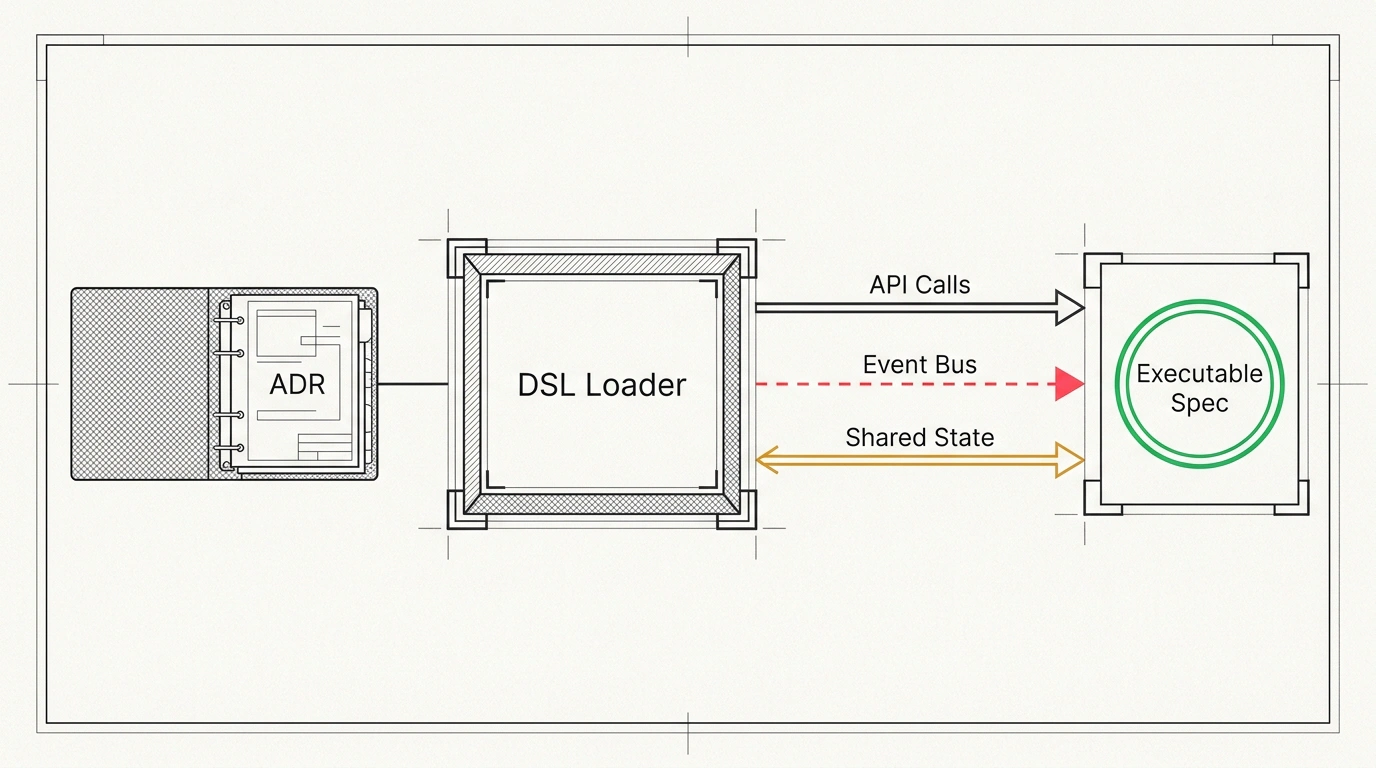
Patent-style infographic blueprint showing architectural links between software modules, an executable DSL specification, and an ADR folder.
ArticleDevelopmentAI AgentsArchitectureNode.js

'The Project Is Falling Apart, Yet the Code Looks Clean': Why Specs Drift from Code and How to Hold Architecture Together with AI

AI agents write tidy functions and clean pull requests while quietly wrecking architecture: duplicating modules, pulling in shared state, and inventing random requirements. Metarhia's Timur Shemsedinov explains where hidden dependencies come from in Node.js, why Mermaid diagrams quickly start lying, how executable specifications work, and why keeping an ADR folder in your repo helps both humans and AI.

👍 23
Node.js Ukraine / MetarhiaHowProgrammingWorksTimur Shemsedinov — AI и архитектура 3: Спецификация, которая не расходится с кодом!Metarhia · GitHub+1
November 20
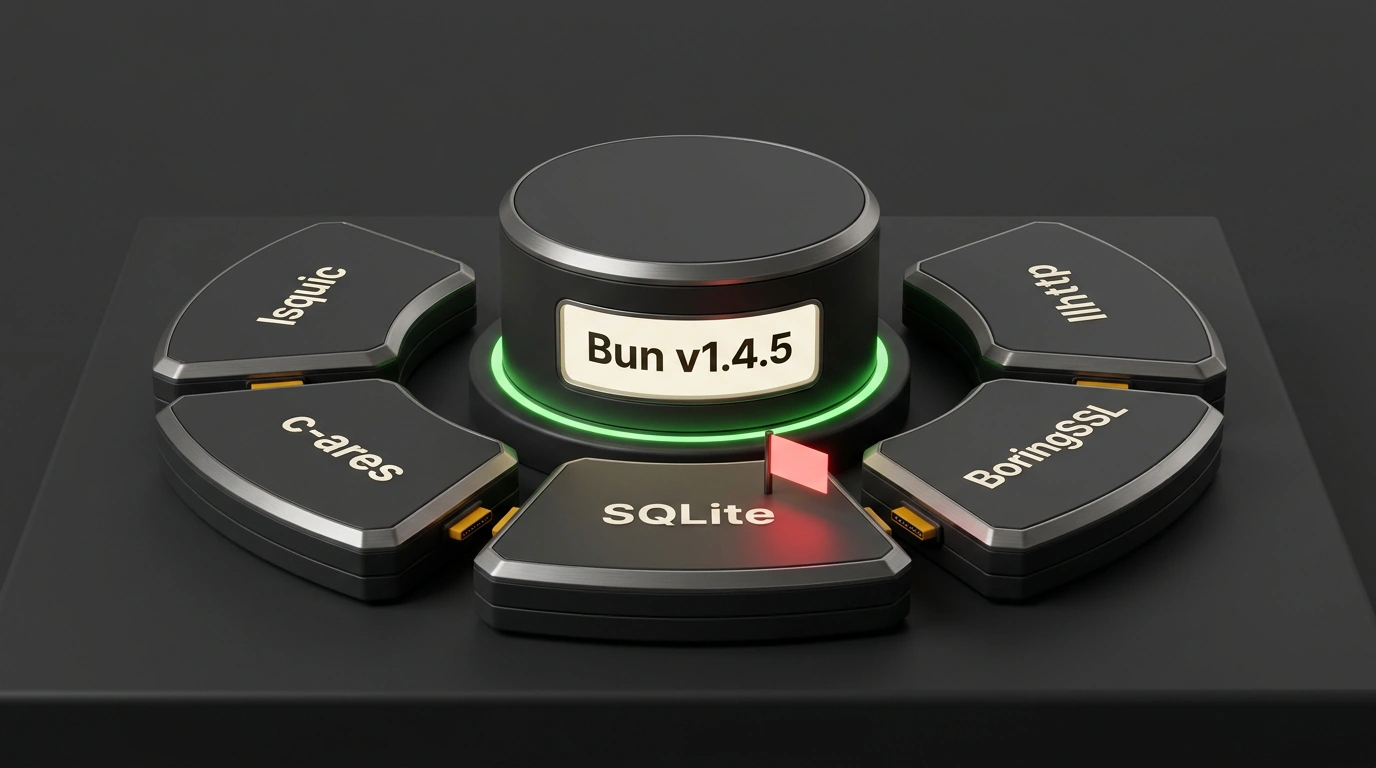
Photorealistic 3D render of five protective Bun runtime modules surrounding a central terminal displaying version 1.4.5.
NoteDevelopmentSafetyBunSQLite

Bun v1.4.5: Security Patch for HTTP/3, TLS, and DNS—Plus Two Surprises in SQLite and Certificates

On paper, Bun v1.4.5 looks like a routine one-minute security patch: five core C/C++ libraries updated to close holes in HTTP/3, TLS, and DNS—just run bun upgrade and move on. But on macOS, the runtime uses the system SQLite, so new SQLite 3.54 restrictions stay invisible on your laptop and only blow up in a Linux container. Inside: affected APIs, stricter custom CA certificate checks, and a quick checklist for a calm upgrade.

👍 11
Bun BlogBun ReleasesSQLite Release 3.54.1 Changeloglsquic — LiteSpeed QUIC and HTTP/3 Library
November 20
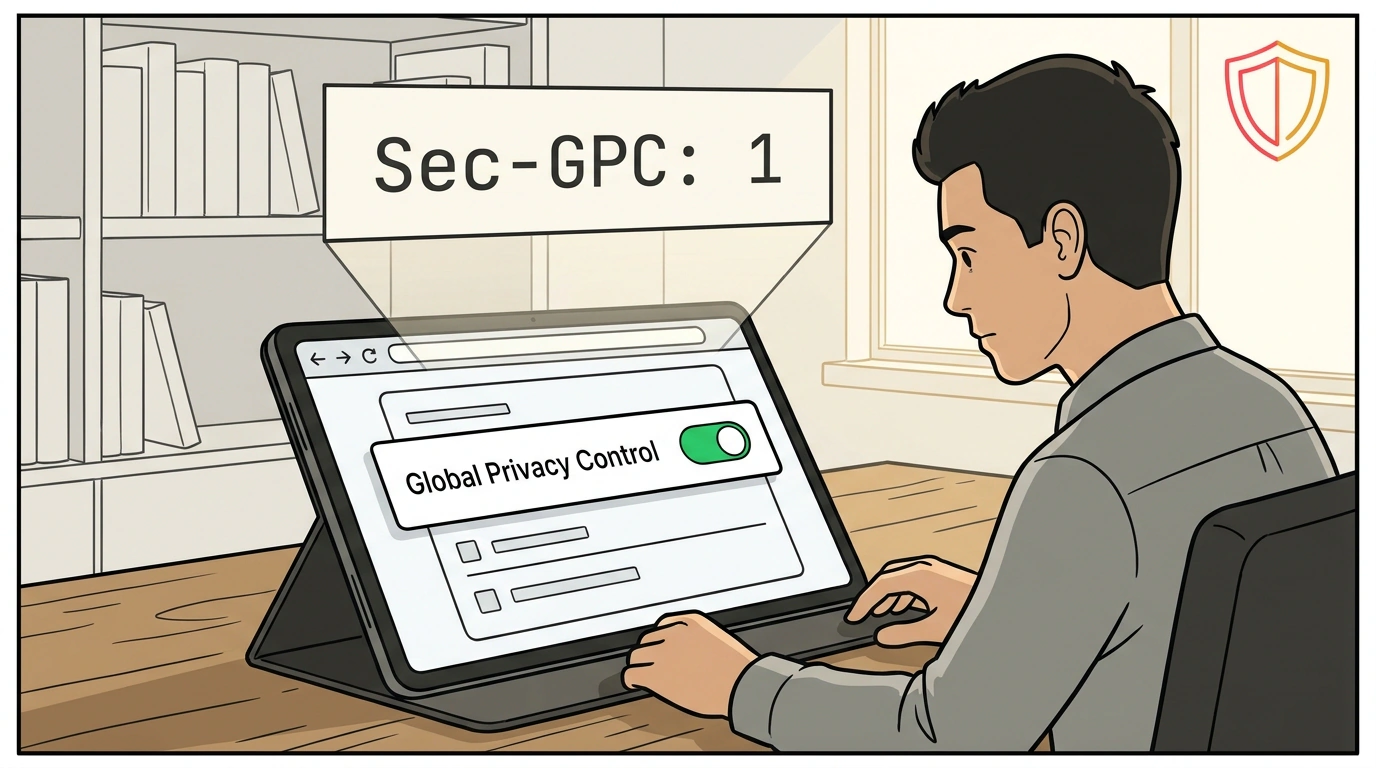
European graphic novel story panel showing a WebKit privacy interface and an incoming Sec-GPC HTTP header.
NoteDevelopmentSafetyWebKitPrivacy

Global Privacy Control in WebKit: How to Enable the Sec-GPC: 1 Signal in iOS and macOS 27

iOS, iPadOS, visionOS, and macOS 27 introduce a public WebKit API for the W3C Global Privacy Control standard. A single boolean flag in the WKWebView or SwiftUI WebPage navigation delegate automatically forwards the Sec-GPC: 1 HTTP header and navigator.globalPrivacyControl JS property to the main frame, all nested iframes, and their subresources. Here is how GPC differs from the forgotten Do Not Track and how to read it on the frontend and backend.

👍 14
WebKit BlogW3C Global Privacy Control (GPC) SpecificationApple Developer Documentation — WKWebpagePreferences.globalPrivacyControlEnabled
November 20
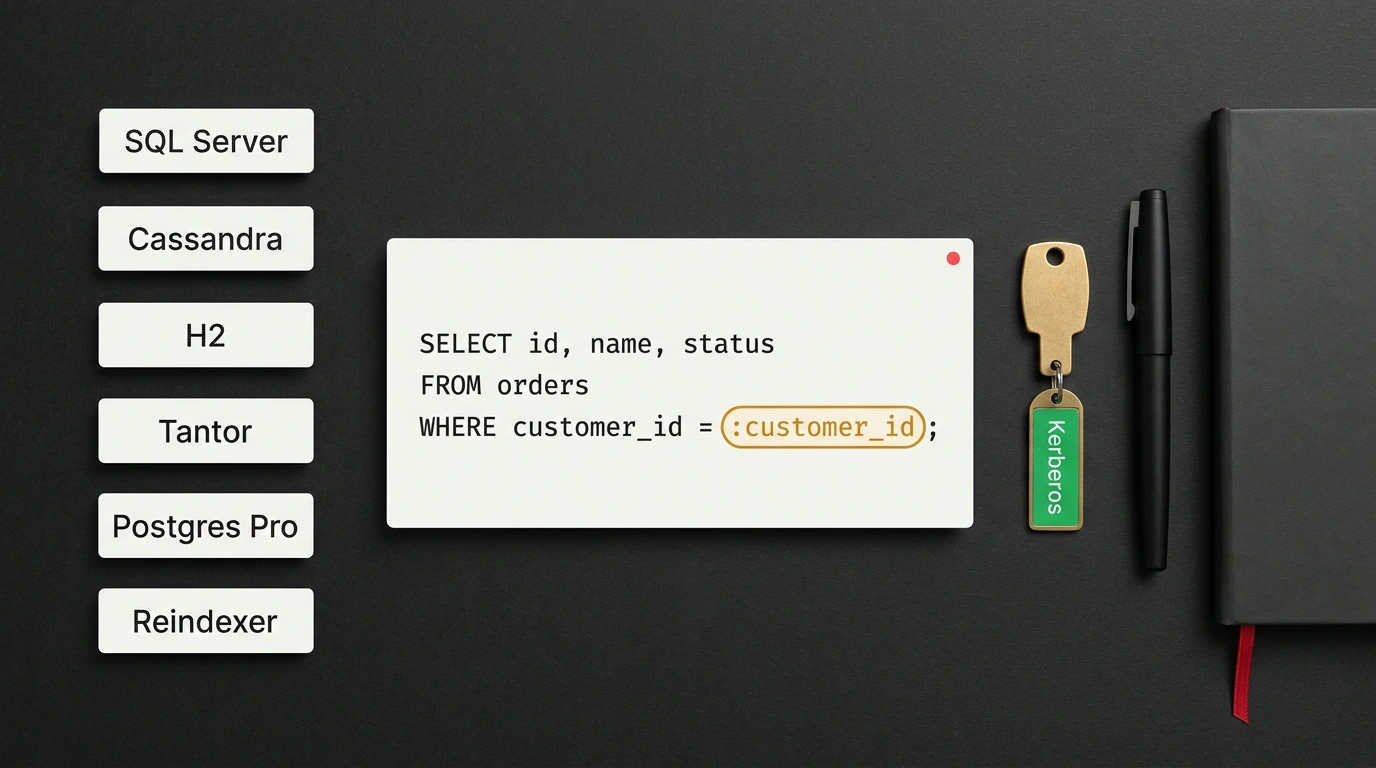
Top-down flat-lay view of a database developer's desk with DBMS cards, a parameterized SQL form, and a Kerberos key.
NoteDevelopmentDataSQLOpenIDE

OpenIDE DB Client 0.0.23: Six New Databases, Parameterized SQL with Preview, and Kerberos Login

OpenIDE's built-in DB client reached version 0.0.23 and solved several enterprise headaches at once. It adds SQL Server, Cassandra, H2, Tantor Postgres, Postgres Pro, and Reindexer, plus parameterized queries with a final SQL preview so you don't dirty tracked files before committing. It also brings URL-based connections with Kerberos, five-format row copying, and bulk DROP TABLE with a confirmation phrase.

👍 18
Базы данных & SQLХабр — Haulmont: В DB-клиенте OpenIDE появились SQL Server, Cassandra, H2, Tantor Postgres, Postgres Pro и ReindexerOpenIDE — официальный сайт
November 20
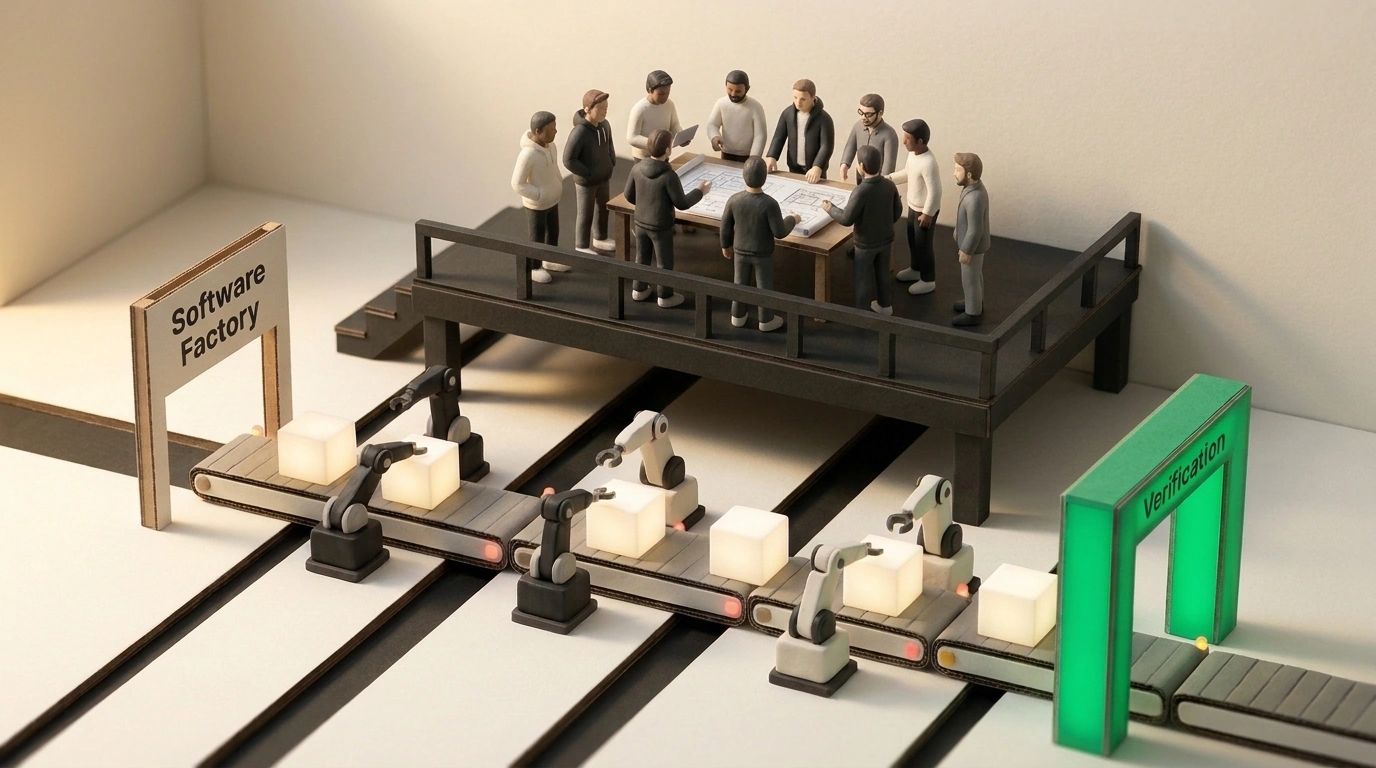
Minimalist sculptural diorama of a software factory showing eleven engineer figurines and a conveyor belt of AI agents.
NoteCareersAI AgentsDevelopmentManagement

An 11-Person 'Software Factory' and Buyouts for 60,000 Staff: How Microsoft Is Reshaping Engineering Around AI Agents

In October 2026, Microsoft offered voluntary exit buyouts to roughly 60,000 employees—around 27% of its workforce. Satya Nadella points to a new operating model: an 11-person team behind the Cowork AI agent runs a 'software factory' instead of needing a hundred people, shifting the bottleneck to code verification. We compare Microsoft's argument against the biggest gaps in this model, from QA and analysts to legacy scale.

👍 8
System Design & HighloadTechCrunch — Microsoft CEO Satya Nadella explains why he asked 60K employees to quitThe Pragmatic Engineer — Software engineering after code becomes cheap with Satya Nadella
November 20