Issue November 22Daily digest · 11 items
In this issueReviewed 67 sources, gathered 11 items
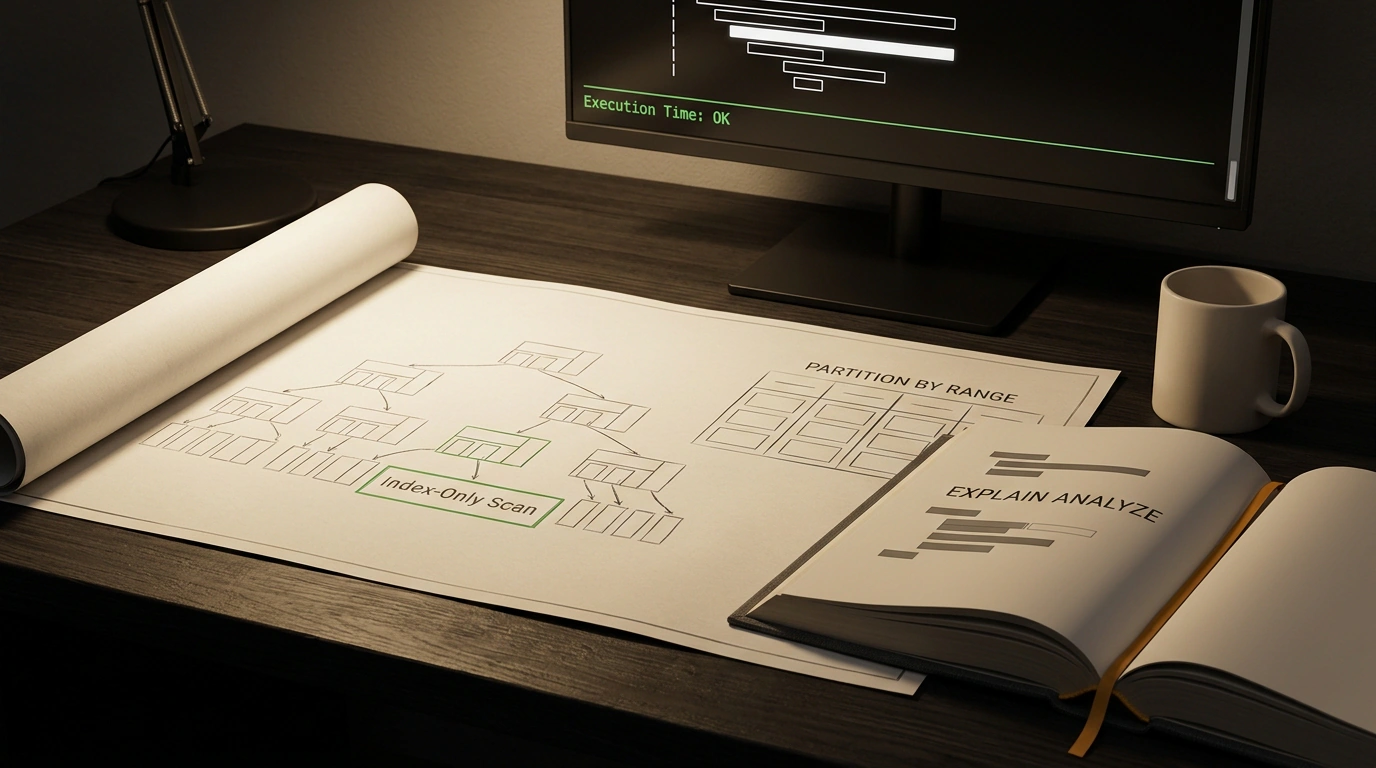
Still life of an engineer's desk with a payment architecture notebook, a provider_txn table diagram, and a console showing 200 OK
LongreadDevelopmentDataPostgreSQLTypeScript

Accepting Payments Without 'Money Charged, No Order': Payme, Click, and Nightly Reconciliation on PostgreSQL and TypeScript

The Payme sandbox intentionally sends every payment request twice, and that's where integrations using perform_time: Date.now() or SELECT-before-INSERT fall apart. Let's look at how to build resilient payment processing on PostgreSQL and TypeScript: a unified provider_txn table with a partial unique index, an atomic Transactional Outbox, Click SHOP API contract traps with code -4 and reversal refunds, plus 4 SQL queries for nightly reconciliation.


👍 22
Node.JS [ru]Хабр — Payme Merchant API: песочница шлёт каждый запрос дваждыPayme Business — Методы Merchant APIClick Documentation — SHOP API & Merchant API+1
November 22
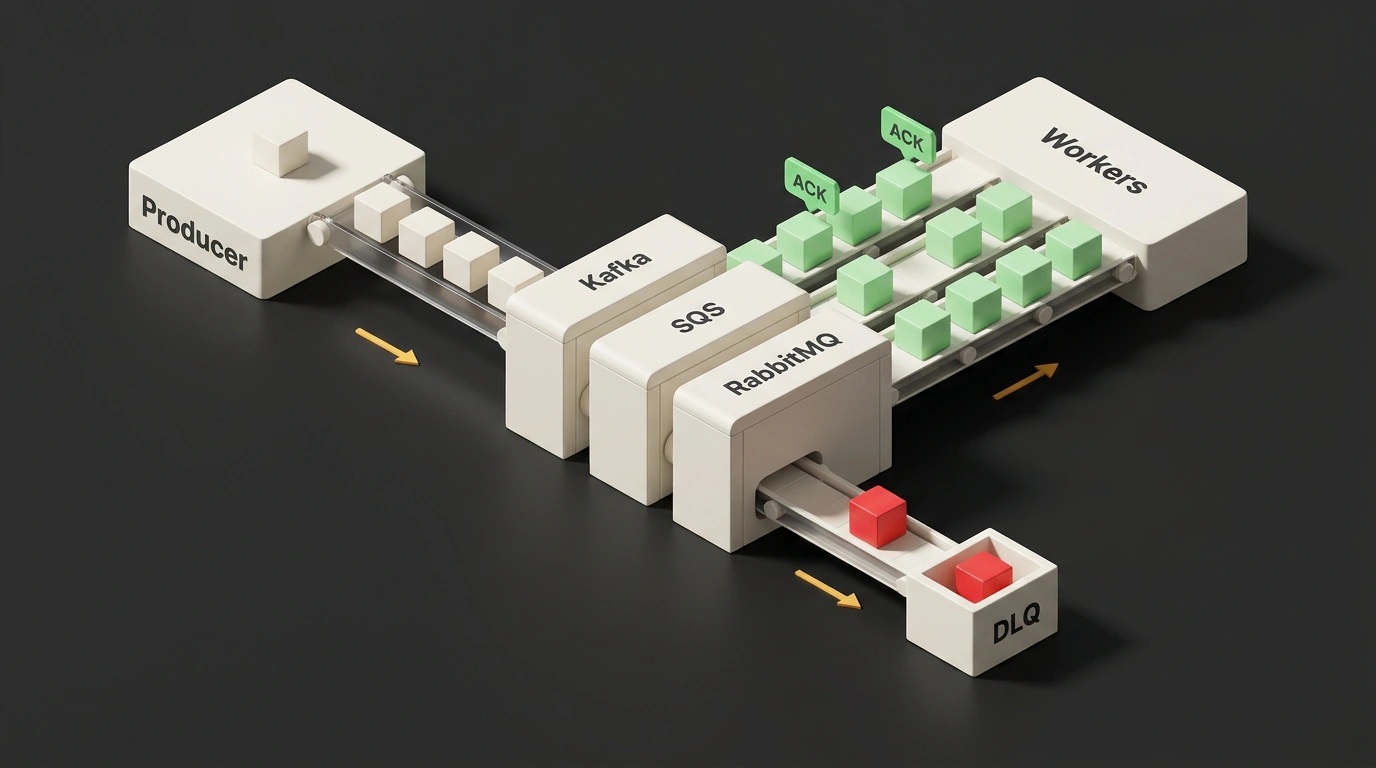
Isometric 3D model of message queue architecture showing a distribution buffer, Kafka, SQS, and RabbitMQ nodes, ACK confirmation, and a DLQ store
LongreadDevelopmentAlgorithmsMessage QueuesArchitecture

Message Queues Without Illusions: How ACK, Delivery Guarantees, DLQ, and Kafka vs. SQS vs. RabbitMQ Work

A message queue protects your backend from traffic spikes and downstream outages, but in production it can easily turn into a source of duplicates and silent backlogs. Let's look at how ACK confirmations and duplicate protection work in Amazon SQS, RabbitMQ, and Apache Kafka, why a default 30-second timeout breaks GPU moderation, and how to pick the right broker for your workload.

👍 10
DevOps&SRE LibraryAlex Ewerlöf Notes — Message QueuesAmazon SQS Developer Guide — Visibility TimeoutRabbitMQ Documentation — Consumer Acknowledgements and Publisher Confirms+1
November 22
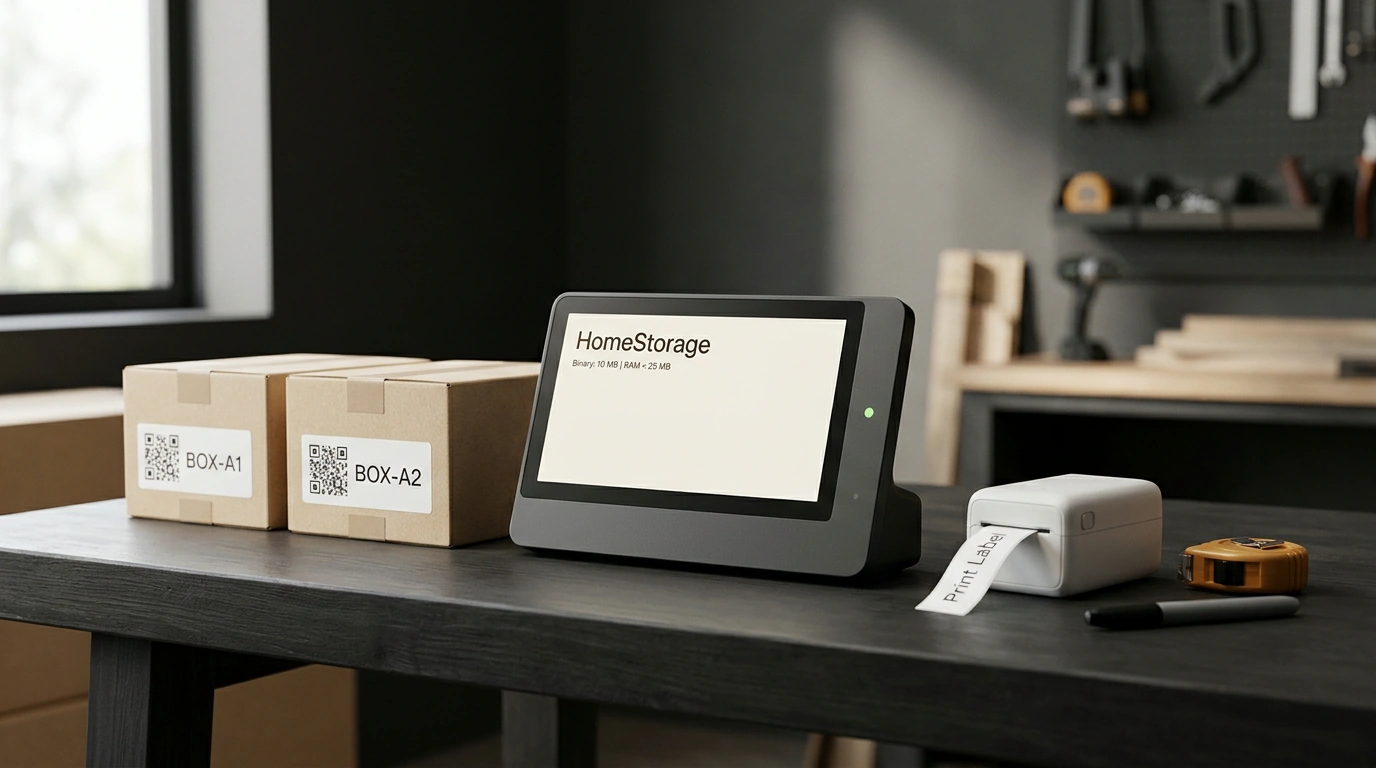
Still life of a home workshop with a standalone HomeStorage terminal, QR-labeled storage boxes, a measuring tape, and a mini label printer
ArticleDevelopmentOpen SourceGoReact

A Home Warehouse System in One 10 MB Binary: Database-Free Go, React 19, and Browser Label Printing

One 10 MB binary, startup under 20 ms, and less than 25 MB of memory—that's HomeStorage, a home inventory system built with pure Go and React 19. Instead of PostgreSQL, Redis, and Docker, it uses a single db.json file guarded by sync.RWMutex, an embedded UI via go:embed, and photo folders named after box addresses. Inside: duplicate protection over flaky Wi-Fi, rear-camera capture without a native app, browser QR label printing, and the honest limits of this minimalism.

👍 22
Node.JS [ru]Хабр — Как я победил хаос в гараже и кладовке: автономная WMS на Go и ReactGitHub — anasiev/HomeStorageGo Standard Library — embed & sync.RWMutex+1
November 22
News · November 222 news items

Ubuntu 26.04 Switched to sudo-rs: Why Some /etc/sudoers.d Rules Stop Working

Ubuntu 26.04 makes Rust-based sudo-rs the default, and legacy rules in /etc/sudoers.d can suddenly fail without leaving log entries. Here is which directives and argument wildcards break after upgrading, how to audit your server fast with visudo -c, and how to switch back to classic sudo.ws if needed.

Repeated URL Parameters: Why URLSearchParams.get() Drops Values and When You Need getAll()

Catalog filters often break on repeated query parameters like tag=css&tag=js&tag=css. URLSearchParams.get() silently returns only the first value, while Object.fromEntries() overwrites the key with the last one. Here is when to use getAll(), what each method returns when a key is missing, and how to strip duplicates.

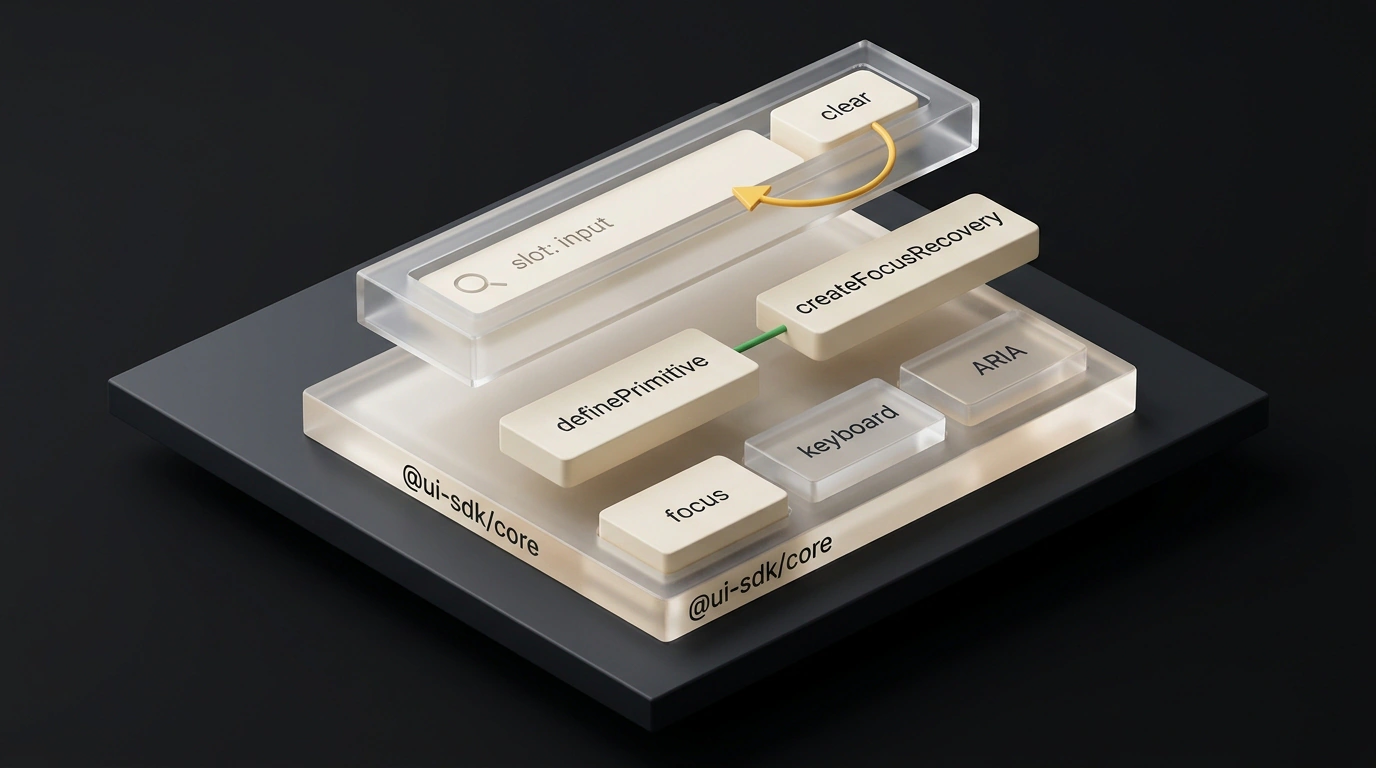
Isometric cutaway of UI SDK architecture separating headless core logic, component slots, and automatic focus recovery
NoteDevelopmentAI AgentsOpen SourceFrontend

Vercel Labs UI SDK: Headless Behaviors for Components Built by AI Agents

AI agents whip up custom inputs and popups fast, yet those components often fall apart during keyboard testing: focus disappears and ARIA attributes get left out. Vercel Labs UI SDK tackles this with @ui-sdk/core, extracting tricky accessibility logic into reusable primitives for React, Vue, Svelte, Solid, and Web Components. Let's see why the project ships a dedicated agent skill and why 0.1.0-beta.x isn't ready for production yet.

👍 5
Best of JSGitHub — vercel-labs/uiUI SDK Official Sitenpm — @ui-sdk/core
November 22
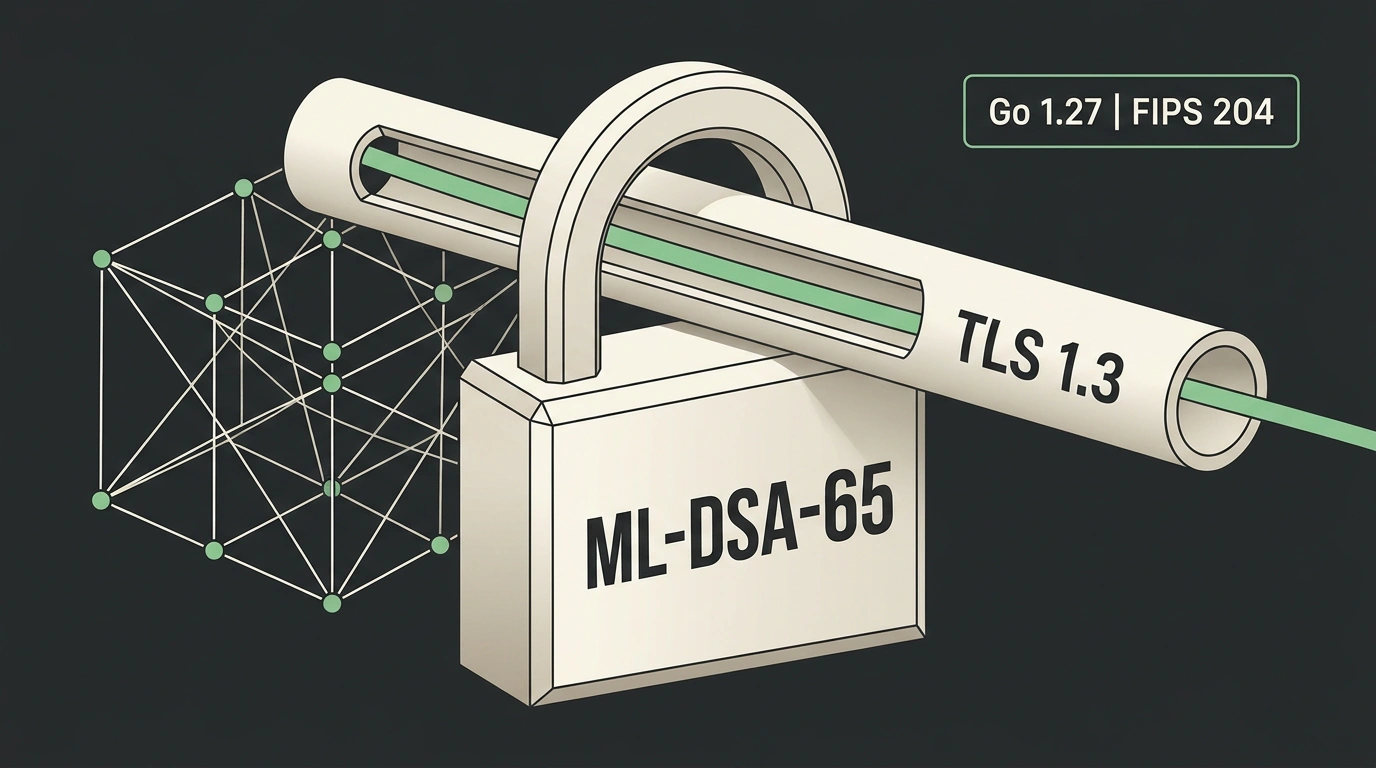
Symbolic composition of post-quantum cryptography in Go 1.27 featuring a secure TLS 1.3 channel and the lattice-based ML-DSA algorithm
NoteDevelopmentSafetyGoTLS

Post-Quantum ML-DSA Signatures in Go 1.27: How crypto/mldsa and TLS 1.3 Work and Why They Stay Off by Default

Go 1.27 adds FIPS 204 post-quantum ML-DSA signatures across crypto/mldsa, crypto/x509, and TLS 1.3. Simply recompiling your project won't switch anything on, though: existing certificates and clients keep using classic algorithms. Here is how ML-DSA differs from ML-KEM, what the new APIs look like, and how to roll out MLDSA44, MLDSA65, and MLDSA87 safely.

👍 10
Библиотека Go-разработчикаGo 1.27 Release NotesGo Standard Library — crypto/mldsaNIST FIPS 204 — Module-Lattice-Based Digital Signature Standard
November 22
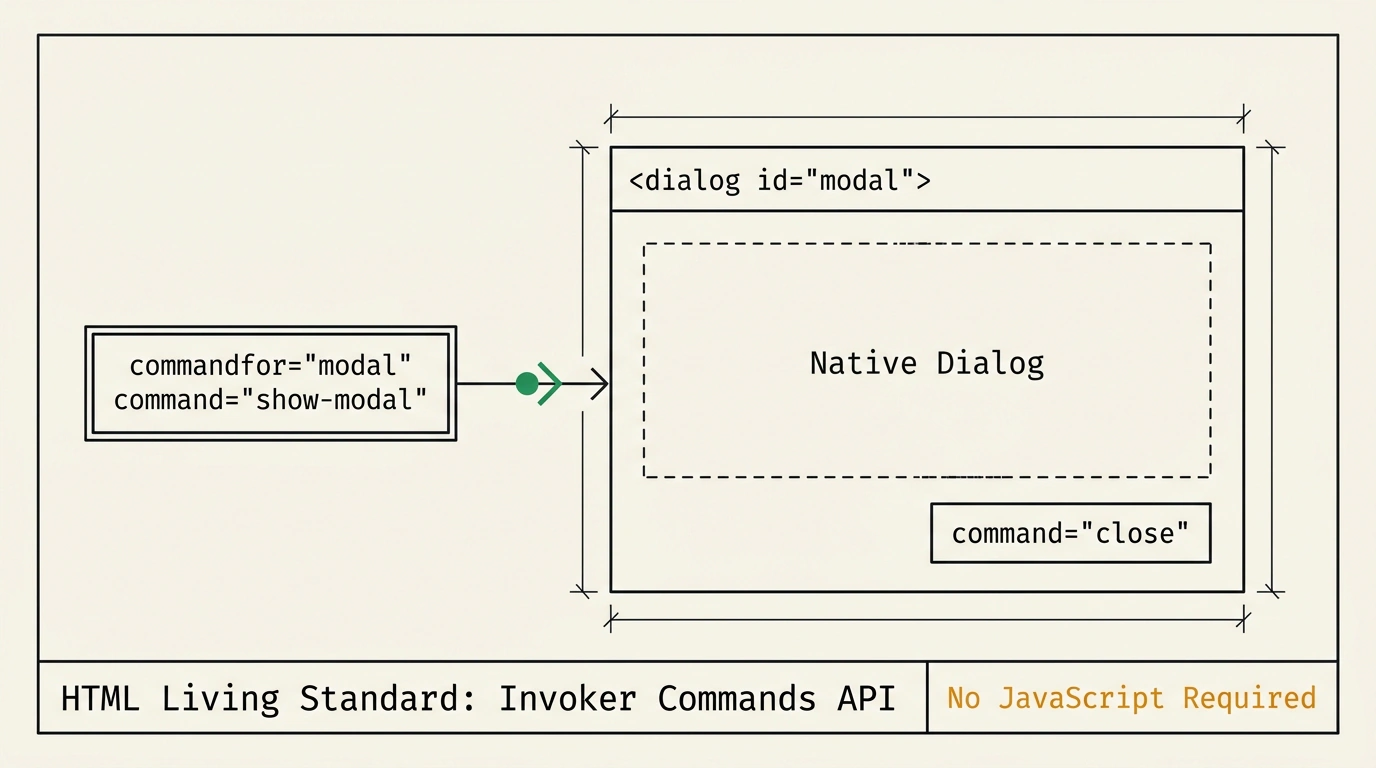
Infographic patent-style blueprint of an HTML5 dialog element with control buttons wired via commandfor and command attributes
NoteDevelopmentPracticeHTMLFrontend

A Modal Window Without One Line of JavaScript: How HTML's commandfor and command Attributes Work for dialog

Even the simplest <dialog> used to require querySelector, click listeners, showModal(), and close(). With the Invoker Commands API, all of that moves directly into HTML buttons via commandfor and command, complete with built-in autofocus and Esc closing. Let's look at close vs. request-close, test a live sandbox, and add a one-line fallback for older browsers.

👍 7
Библиотека фронтендераMDN Web Docs — Invoker Commands APIHTML Living Standard — Invoker commands
November 22