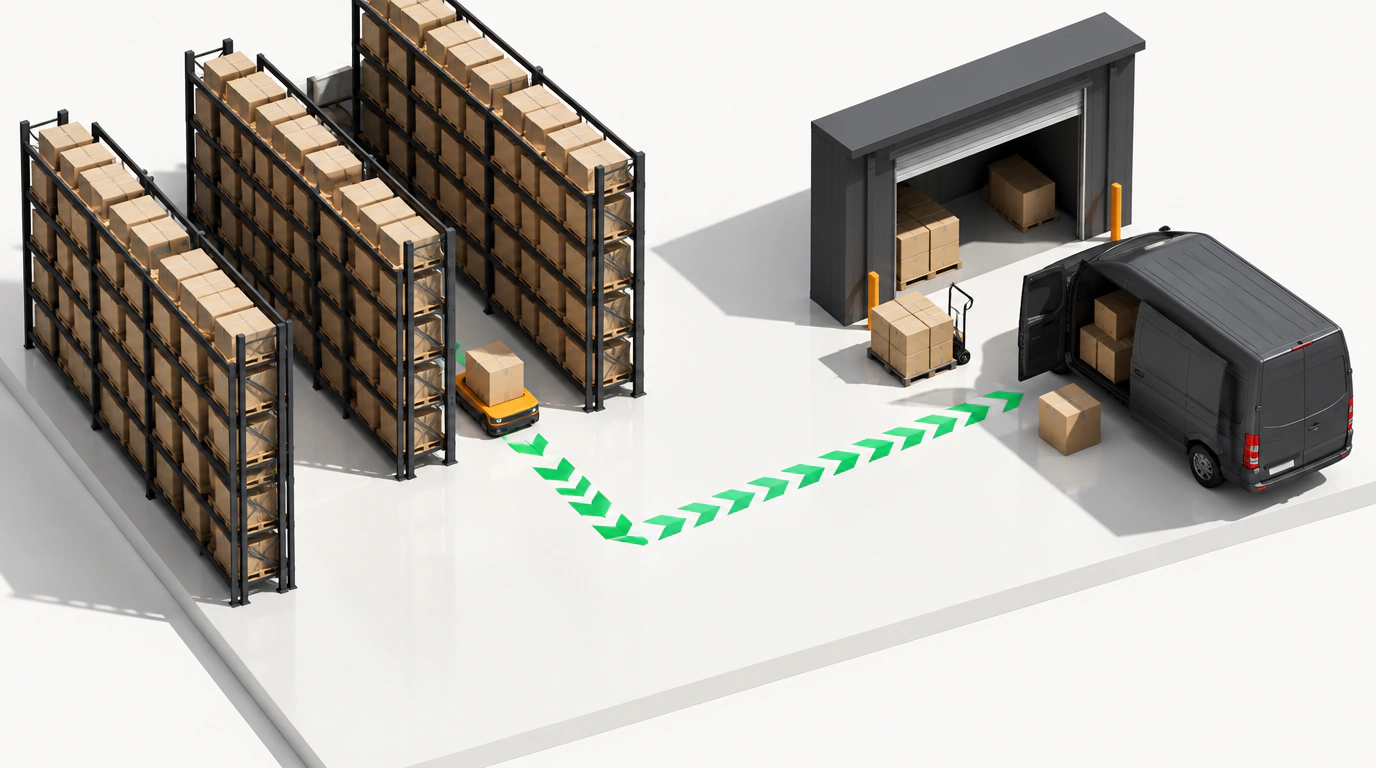
For a long time, the formula for success on Wildberries seemed unshakable: if you want to claim the top spots in search results and squeeze out maximum conversion, ship all your inventory via FBO (Fulfillment by Operator, selling from the marketplace's warehouse). Delivery speeds of 24–48 hours to buyers in central regions yield a steady 15–25% boost in conversion compared to slower FBS (Fulfillment by Seller) shipping from your own warehouse.
However, the events of the past two years—from the catastrophic fire in Shushary near St. Petersburg to logistics collapses and flooding in Koledino and Elektrostal—have forced even the most devoted FBO loyalists to grab their calculators and assess the risk of losing their entire business in a single day.
The Hidden Cost of FBO: Floating Storage Rates, Shrinkage, and Slashed Compensation
When goods physically sit in a marketplace's distribution center, sellers live under the illusion of having fully delegated the routine. But let's look at the real flip side:
- Inventory shrinkage: mis-picks, losses during transshipment, and conveyor damage steadily eat up 1.5% to 4% of annual merchandise turnover.
- Draconian compensation formula: if your inventory burns or floods at a WB warehouse, the platform won't pay you the retail storefront price. The marketplace calculates compensation based on confirmed sales over the previous 30 days, ruthlessly deducting the base platform commission, logistics costs, and surge multipliers. Entrepreneurs end up with a payout that cuts 30% to 50% off planned net profit, while the payouts themselves drag on through months of legal battles.
- Floating storage fees: during the peak pre-New Year season, paid receiving coefficients and daily pallet storage rates can jump several-fold, instantly turning a profitable batch into a cash-gap generator.
We already saw how denied compensation and the FBO warehouse crisis forced sellers to urgently restructure their sales channels. Today, that trend has matured into a full-fledged survival strategy.
The Hybrid Setup: How to Protect Working Capital and Search Rankings
Smart sellers no longer play "all on one warehouse" roulette. The lifeline is a hybrid inventory flow management model:
- The thirty-percent rule: sales drivers (the top 20% of Category A SKUs) are still shipped to FBO for delivery speed, but split across at least 3–4 different regional hubs—for example, Tula, Koledino, Kazan, and Yekaterinburg. No single facility ever receives more than 30% of total stock.
- Slow-moving tail on FBS: Categories B and C, new launches, oversized goods, and expensive items with unpredictable demand are sold strictly from your own warehouse or a trusted partner 3PL. No paying storage fees to someone else.
- Seamless stock duplication: platform rules allow you to maintain active inventory on both FBO and FBS simultaneously for a single product card. If a regional marketplace warehouse gets locked down for inspections or a batch runs out, the listing instantly picks up stock from your own warehouse without dropping out of organic search.
The price of freedom on FBS is discipline. Missing the cutoff for dropping a box at a sorting center carries fines of up to half the item's value. But amid warehouse storms, controllable oversight of your inventory is well worth the effort.
